Every finished work carries the story of what made it possible: the knowledge behind its creation, the hands that shaped it and the relationships that allowed it to reach the world. For CIKO CIRILLO, documenting contemporary culture means looking beyond the finished object to the people and practices that sustain its creation. It is an interest that extends from craftsmanship and design to the wider conditions in which African creativity and business can develop.
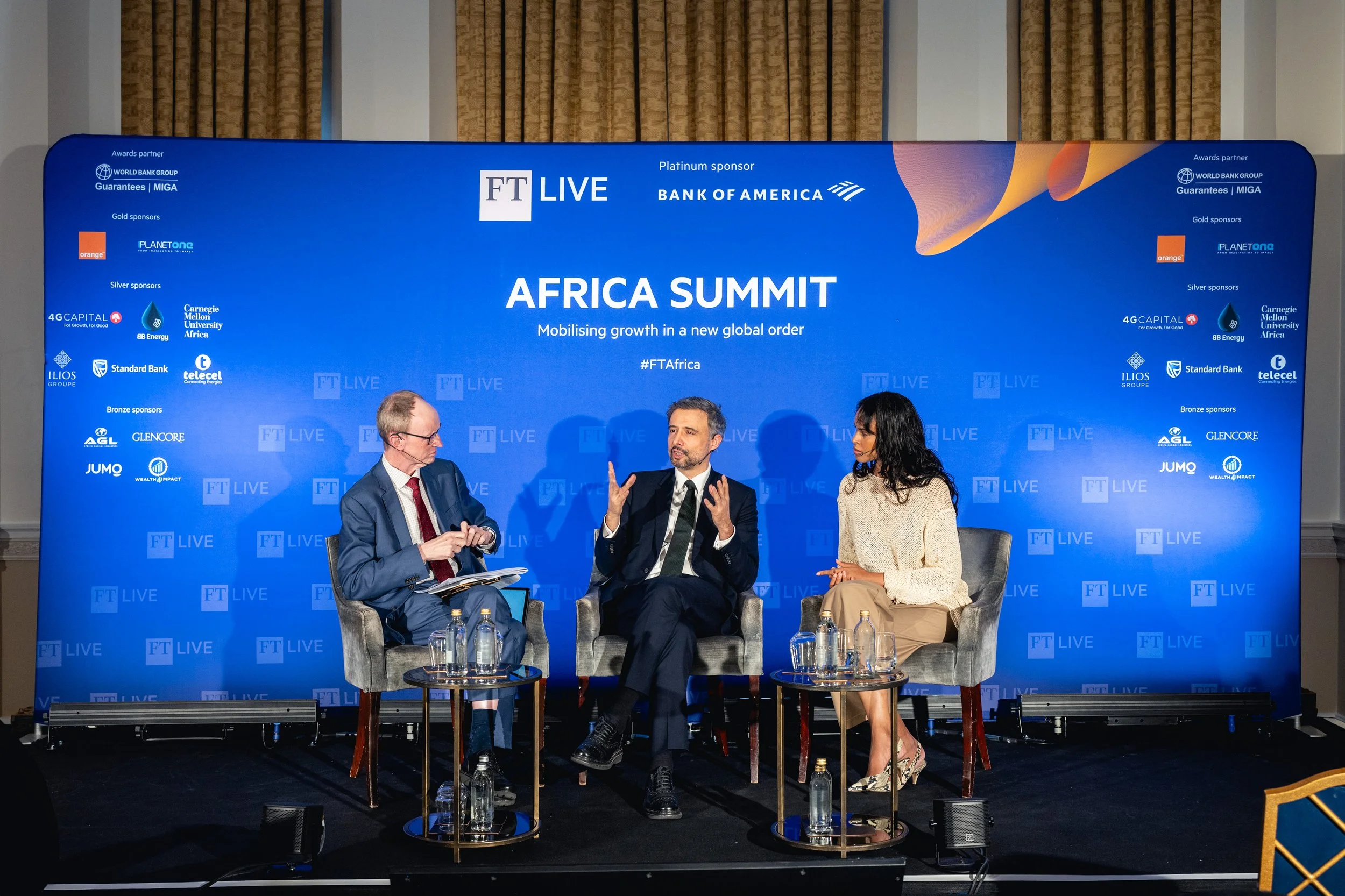
At the Financial Times Africa Summit 2026, held on 21–22 October at The Landmark London, conversations about investments, entrepreneurship and infrastructure brought another dimension into view. Under the theme Mobilising Growth in a New Global Order, policymakers, financiers and business leaders considered how African economies might strengthen local production and create greater value from their resources.
The Value Behind the Object
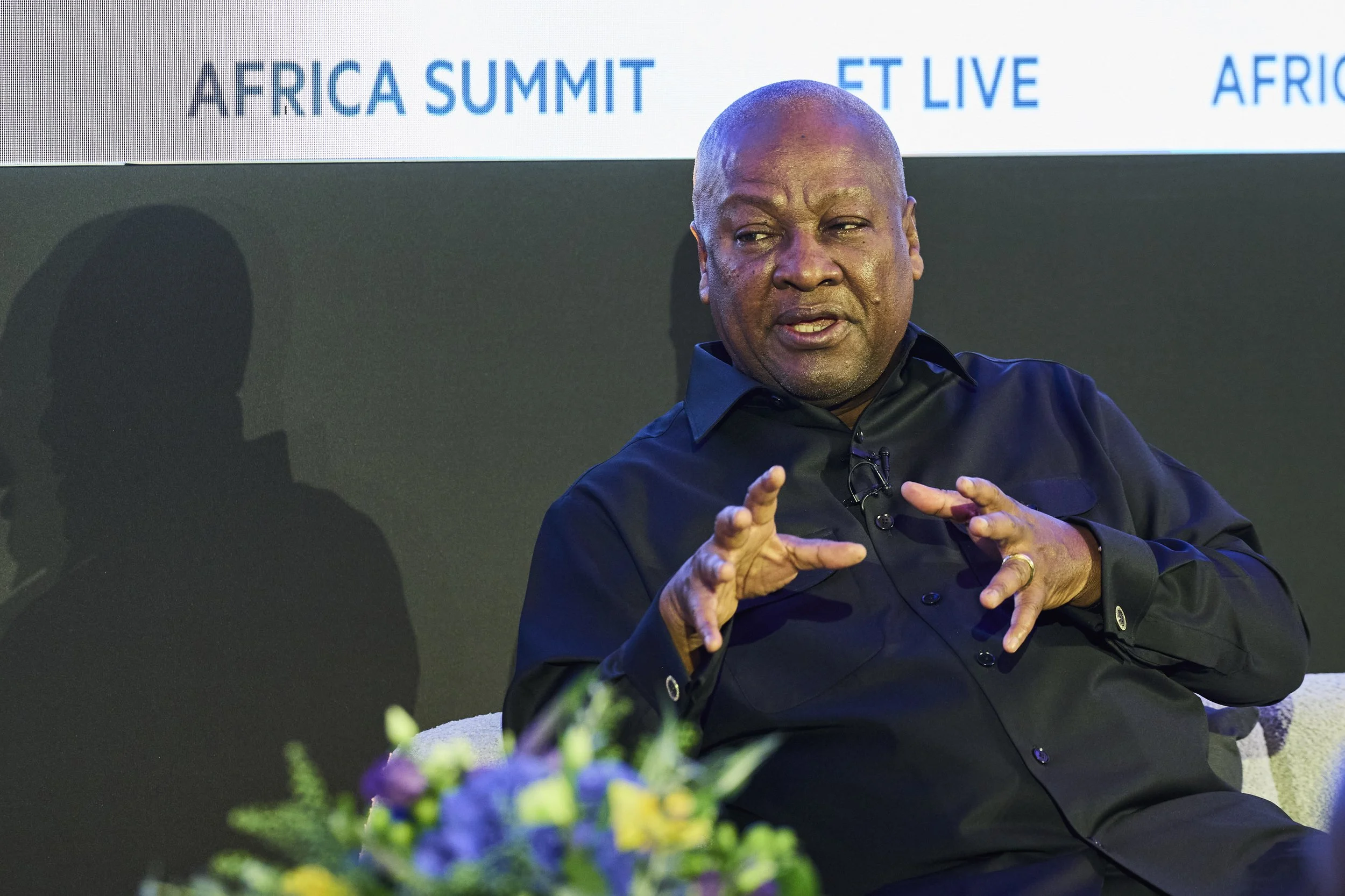
Addressing the summit, Ghanaian President John Dramani Mahama called for a shift away from exporting raw materials and importing finished products towards processing and manufacturing within Africa. This, he argued, would create employment and allow more value to be generated locally, strengthening African economies and their position in global trade.
For African luxury, the implications extend beyond the finished product. Craftsmanship may establish a product’s distinction, but sustaining the business behind it also requires skilled labour, production capabilities and access to markets.
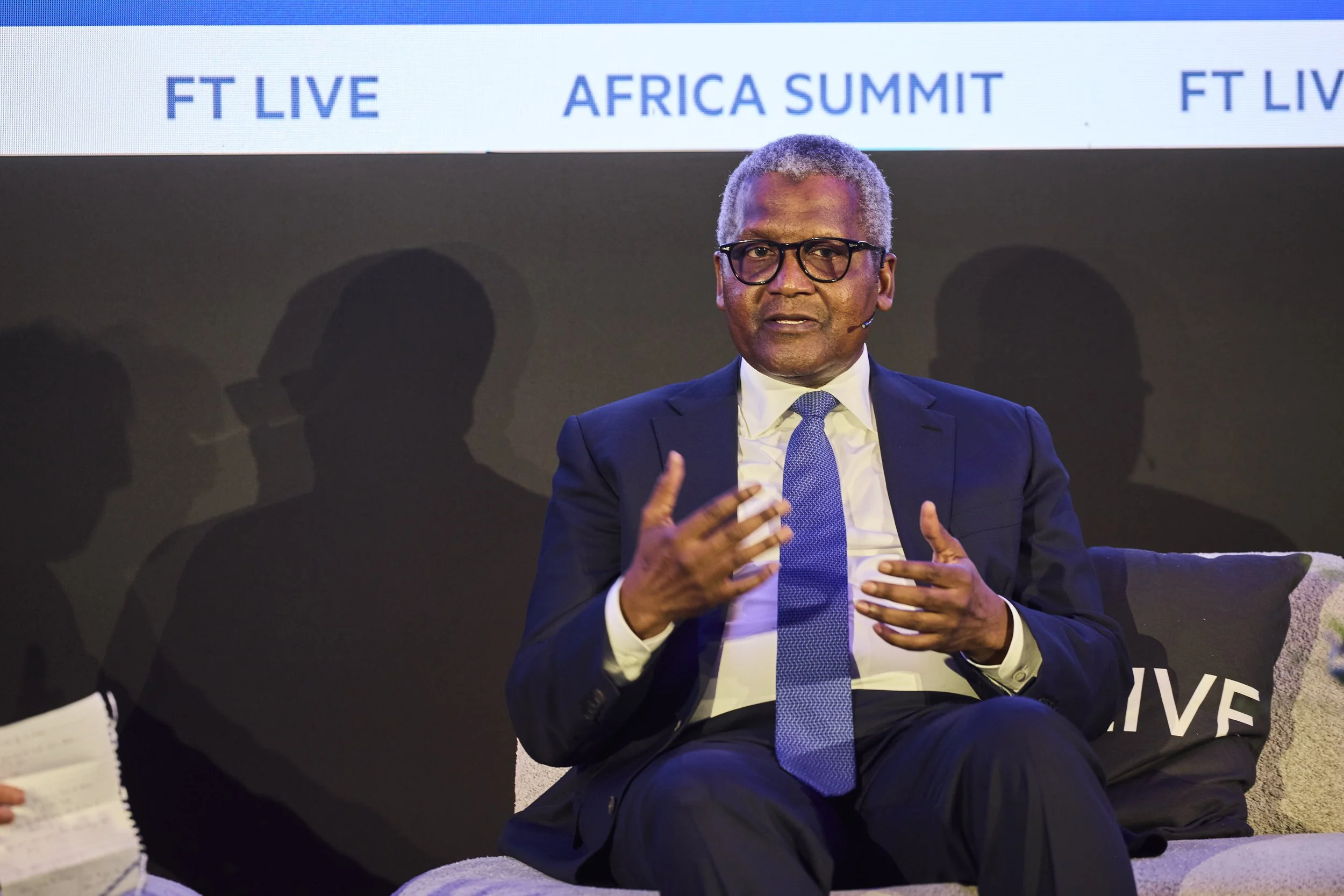
The summit’s discussion on building African champions explored the potential of established, often family-owned businesses that have developed expertise in their markets but remain relatively unknown internationally. Panellists examined the capital, management capabilities and workforce development needed to support their expansion.
Their discussion showed that mastery takes time to develop and the right conditions to endure. Whether expressed through a crafted object or a business built over generations, expertise must be nurtured. International recognition matters, but so does the ability to preserve knowledge, continue production and retain ownership.
Creativity, Sourcing and Local Value
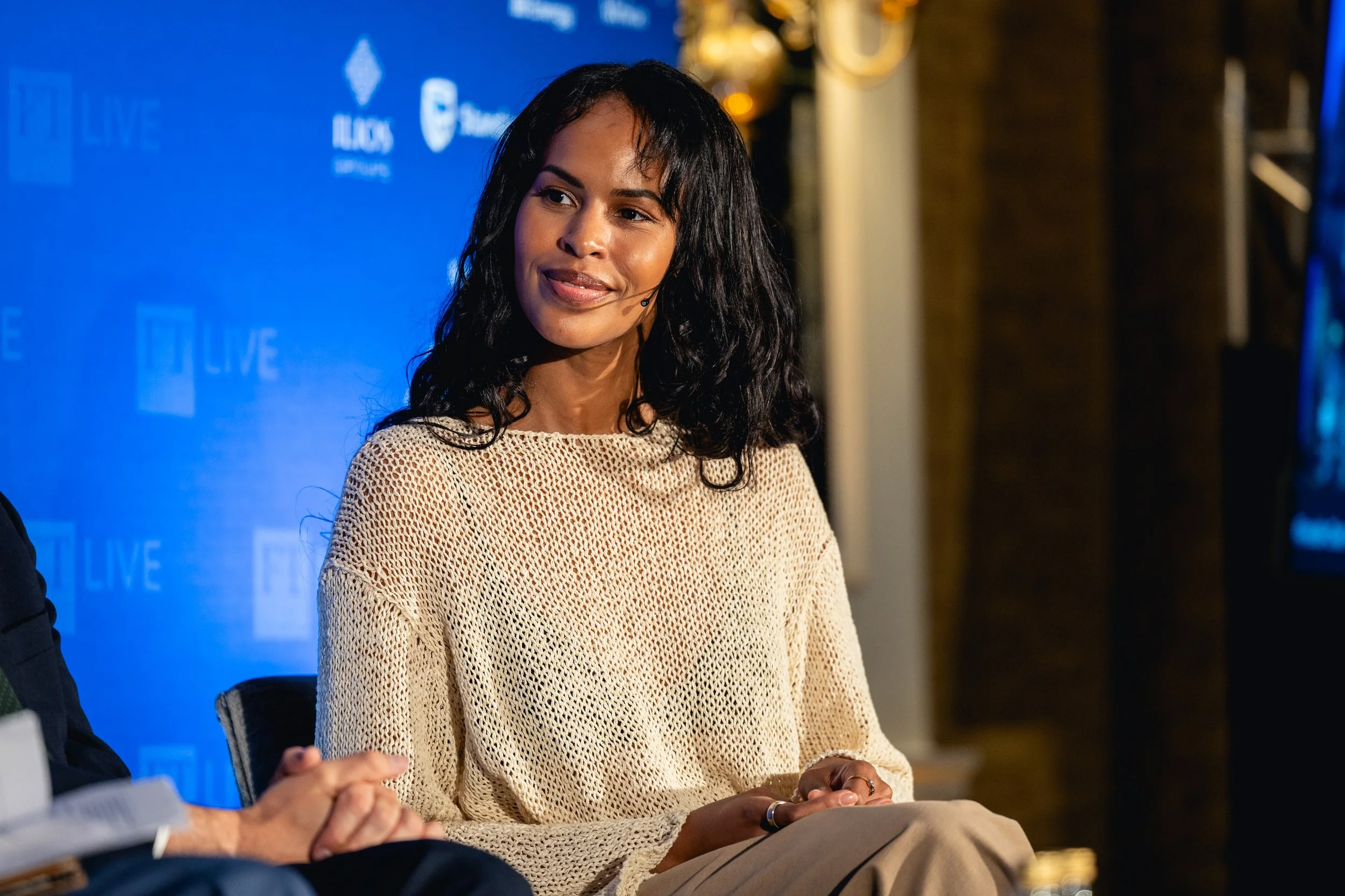
The relationship between a finished product and the people behind it also emerged in a discussion featuring Sabrina Dhowre Elba, entrepreneur and founder of beauty brand Sable Labs. Drawing on her experience with the International Fund for Agricultural Development (IFAD) and other organisations working in agriculture, Elba explained how this knowledge has shaped her approach to business.
For Sable Labs, responsible and traceable sourcing is central to the brand’s approach. Elba described meeting farmers directly, purchasing ingredients for the business and prioritising fair wages and safe working conditions. She also spoke about supporting farmers in joining cooperatives, which can strengthen their position while helping businesses build more reliable relationships with their suppliers.
Her contribution brought the question of local value creation into the everyday decisions behind a consumer product. A moisturiser, like a garment or a crafted object, has a history that begins long before it reaches the customer. The ingredients, the people who produce them and the conditions under which they are sourced are all part of that story.
Elba also observed that responsible sourcing remains a challenge within the wider beauty industry, pointing to the number of intermediaries between producers and brands. Her experience illustrates how businesses can take greater responsibility for these relationships, while showing that the benefits of a finished product need not stop with the company selling it.
For African creative businesses, this offers a useful perspective on the relationship between craftsmanship, commerce and the value generated at each stage of production. The origins of materials matter, as do the opportunities available to the people who grow, source, make and transform them.
Art and fashion are shaped by similar relationships. An idea may originate in a studio, but bringing it into the world involves materials, skilled people, manufacturing and distribution. The ability to develop these elements locally can influence how creative businesses grow, how much value remains within their communities and how they establish themselves in international markets.
Building for What Comes Next
The summit highlighted the role of investment, infrastructure and partnerships in helping African businesses develop. For CIKO CIRILLO, these conversations connect directly to the future of African creativity. From fashion and art to luxury and craftsmanship, the work itself is inseparable from the people and businesses that make it possible. Designers, artists and craftspeople need opportunities to develop their skills, build sustainable businesses and introduce their work to new audiences.
Building lasting industries means creating opportunities for local talent to thrive, strengthening the businesses that sustain their practice and ensuring that more of the value created stays within the continent.
Images courtesy of the Financial Times Africa Summit.
