
Inside the Visual Universe of Aart Verrips
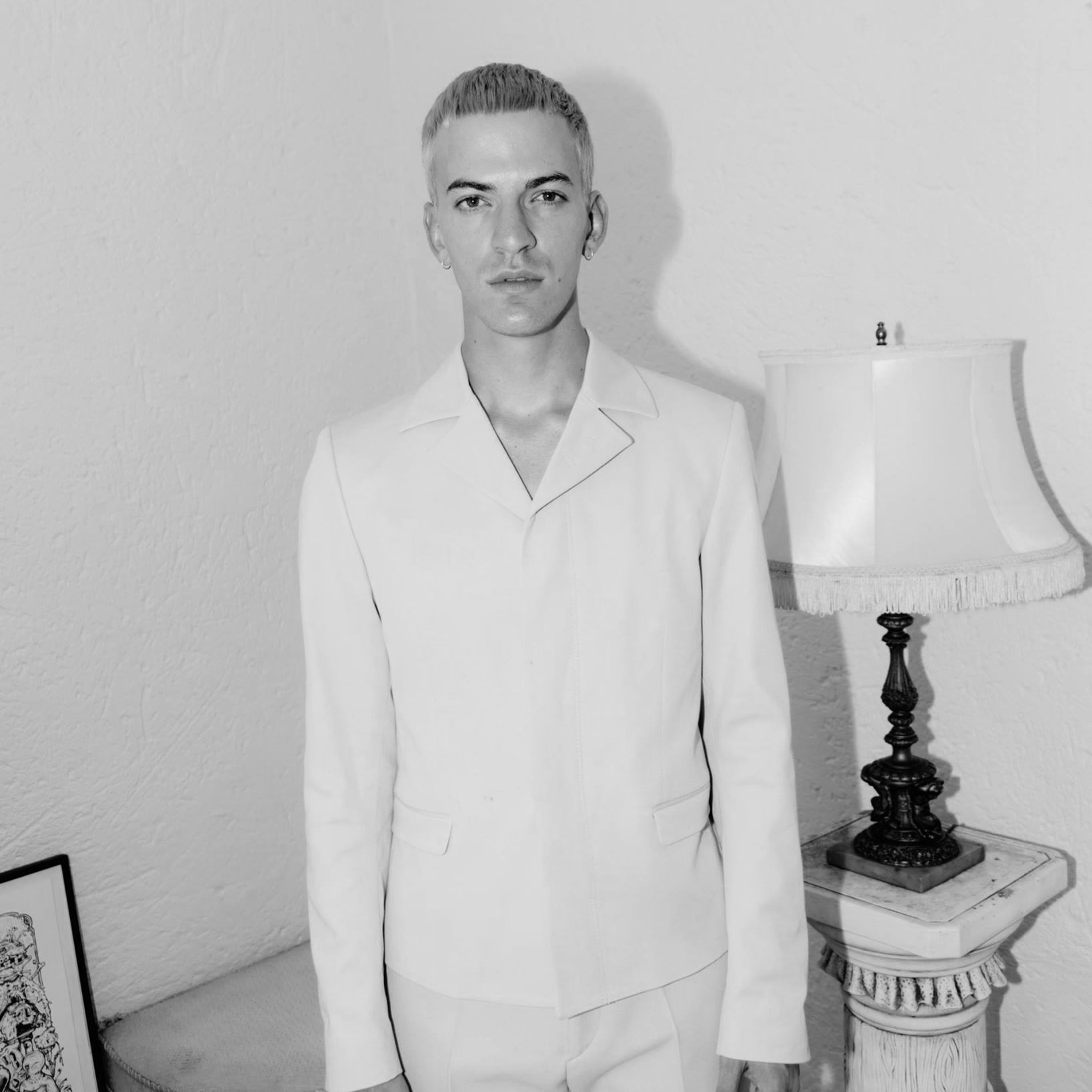
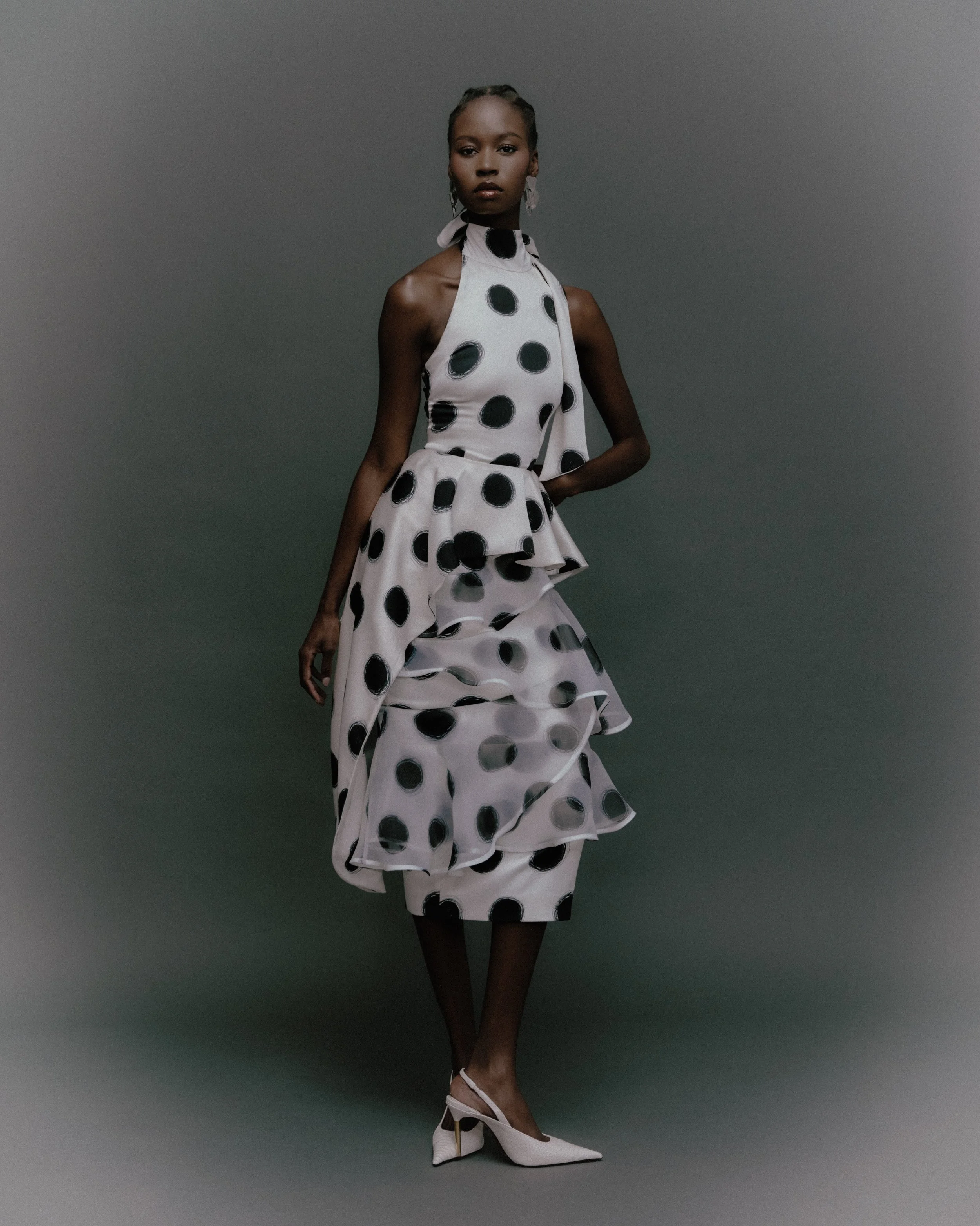
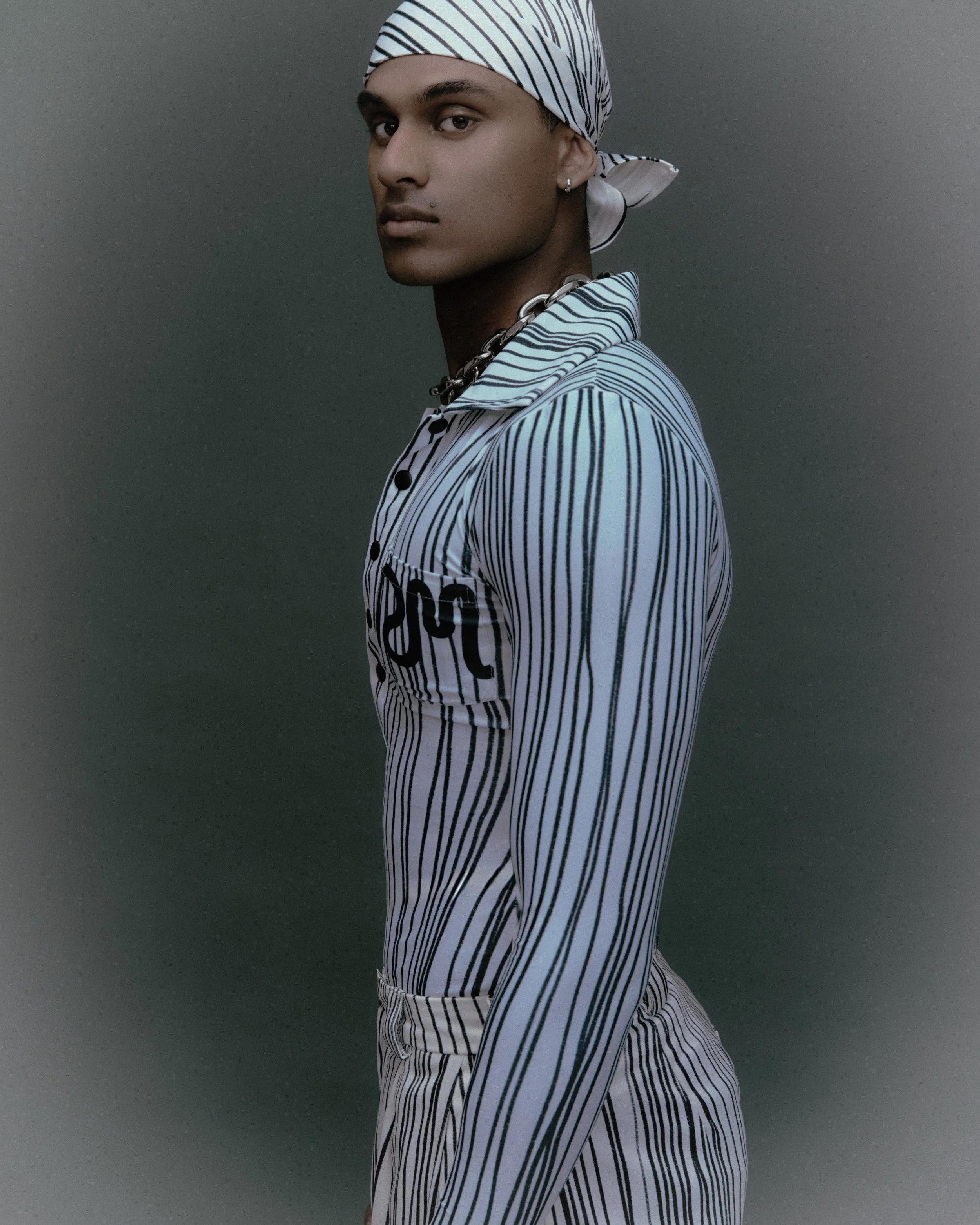
To look through the lens of Aart Verrips is to step into a shifting kaleidoscope of rich jewel tones, kinetic movement, and artful blurs. Over a career that bridges high-concept fashion films, luxury campaigns, and institutional exhibitions, Verrips has established himself as one of contemporary photography’s most formidable visual directors.
What began as a sudden pivot from studying pastry arts in France evolved into a defining immersion within the Johannesburg creative scene. From his collaboration with a graduating Rich Mnisi to becoming an image-maker at Mercedes-Benz Fashion Week, Verrips transformed local creative energy into international momentum. His trajectory reflects a steady ascent through the highest echelons of visual culture: capturing high-security cover assignments for TIME Magazine, joining the historic lineage of image-makers for the global Lavazza Calendar, and seeing his work archived in landmark institutional retrospectives alongside masters of the medium at the Roger Ballen Centre. His extensive commercial and editorial roster now spans global powerhouses including Vogue, i-D, Dazed, Apple, Nike, BMW, and Stella McCartney.
Yet, despite this level of international prestige, Verrips’ relationship with photography remains rooted in the suspension of perfection. In an era increasingly dominated by the hyper-precise, synthetic rendering of artificial intelligence, he resists the sterile frame. By introducing blurred motion, variable color grading, and structural softness into his pieces, his lens champions the irreplaceable touch of human handiwork and emotional depth.
That resistance extends to the operational culture of the industry itself. Rejecting the rigid hierarchies that frequently gatekeep creative spaces, Verrips advocates for an egoless, collaborative ecosystem where set designers, stylists, and photographers critique one another for the collective beauty of the final image.
His perspective ultimately highlights both the resourcefulness and the cultural depth of the South African creative landscape. In this exclusive conversation, CIKO CIRILLO explores Verrips’ evolution from culinary precision to global photography, and his ongoing quest to preserve the living history of African culture within the frame.
You made a big career change from studying pastry in France to pursuing photography in South Africa. What was that transition like?
For me, the transition was about being 21 and realising that I needed to make a pivot. I needed to establish a presence for myself and figure out what I wanted to do. When I moved to Johannesburg, we had a house there that no one in my family was living in, so I moved into it rather than moving back home with my parents. Then Rich Mnisi messaged me through DMs. At the time, he was graduating as a student, and we became friends. He asked me if I had ever made a film, and I had never shot video or people before. I basically said sure and figured it out.
I faked it until I made it in the beginning. From there, I worked at Mercedes-Benz Fashion Week and started meeting more people in Johannesburg. I think if you’re lucky enough to meet the right people at the right time, you can navigate those spaces quite quickly, meet the people you need to meet, and start showing your worth and contributing to the industry. I also started assisting people in the industry and learned a lot from being around them. As a young eye coming into the industry, I was exposed to very quickly. I just absorbed everything I could.
Rich Mnisi was one of the first designers to give you an opportunity in fashion photography. Did that collaboration have an influence on the direction of your career?
Definitely. I think it opened me up to what fashion is, and what the right kind of fashion could be for me. From there, it connected me to Mercedes-Benz Fashion Week and AFI. I worked with them for two or three years, and they became one of my bread-and-butters at the time. From there, it gradually flowed into what it is now. It wasn’t necessarily fast, there were a lot of breakdowns along the way but the late nights of sitting and painting backdrops that no one knows about eventually pay off.
I’m very hands-on. I’ll paint, I’ll help with styling, whatever needs to be done, because we’re all there to create something for the greater good and for the beauty of the image. Having an ego is the worst thing because you never know when you need to pivot and say, “How about here? How about there?” The people I surround myself with don’t have egos. We can all be critical of each other and be okay with it because we’re doing it for the greater good.
Your work has a recognisable visual style. How would you describe your approach to photography in your own words?
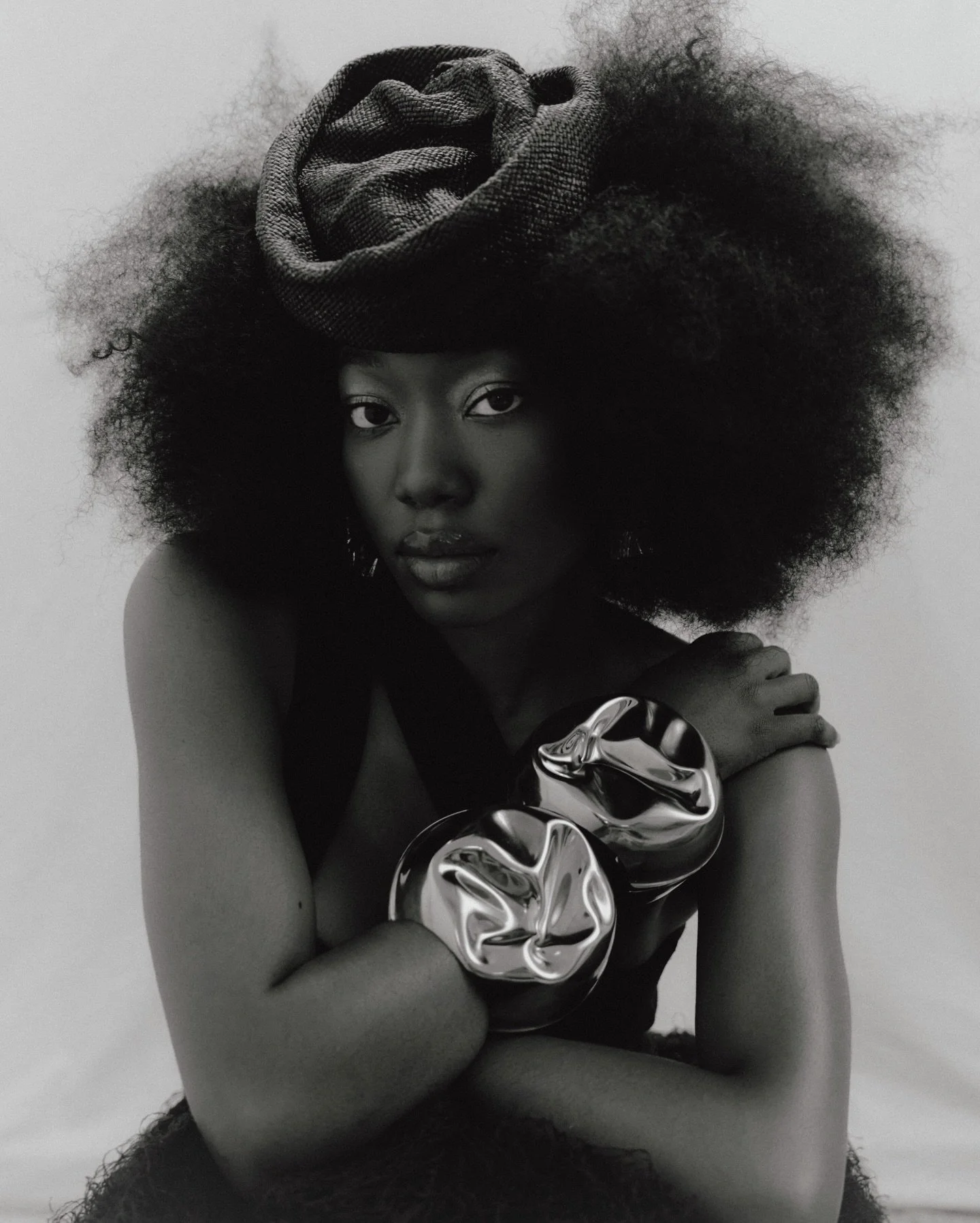
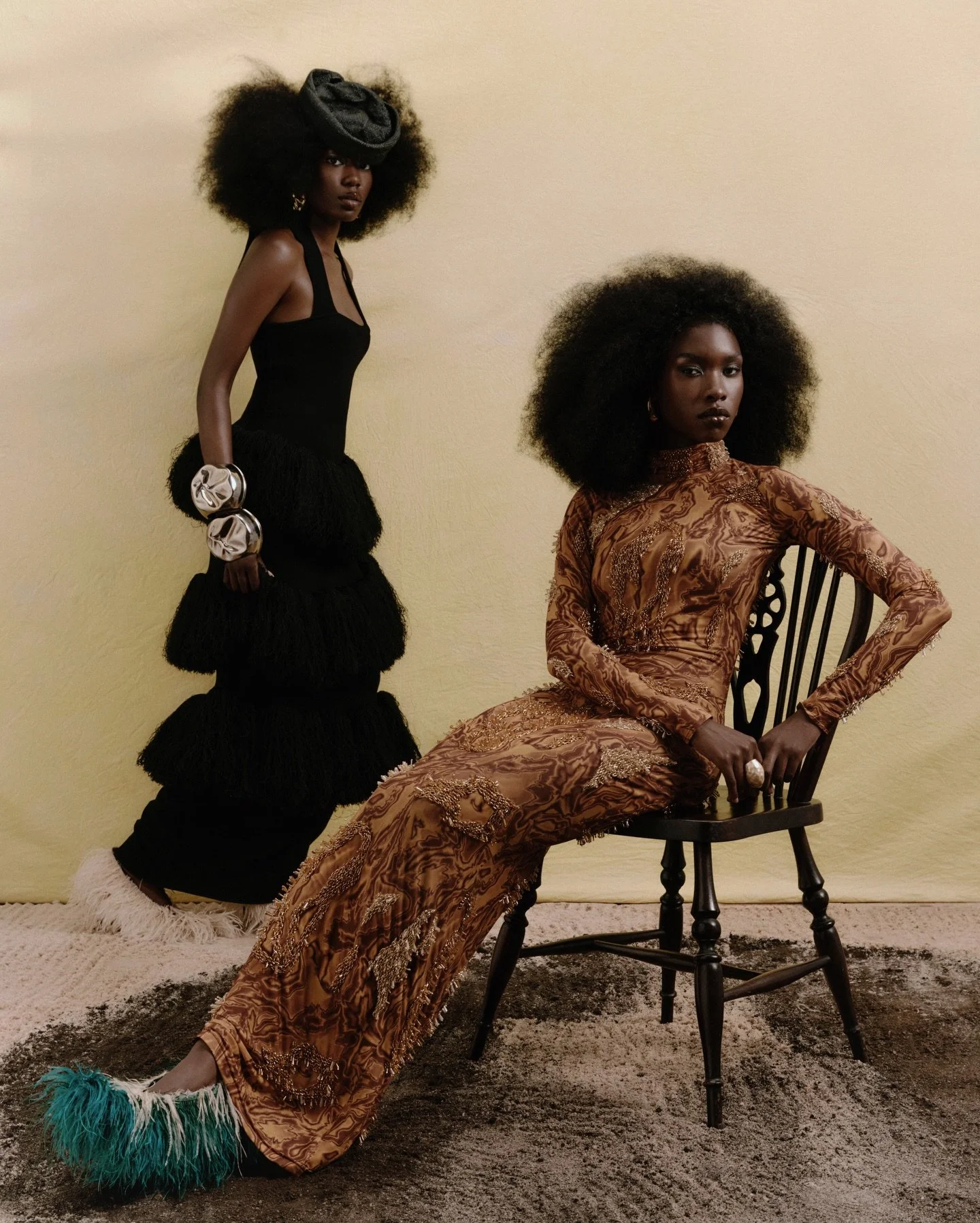
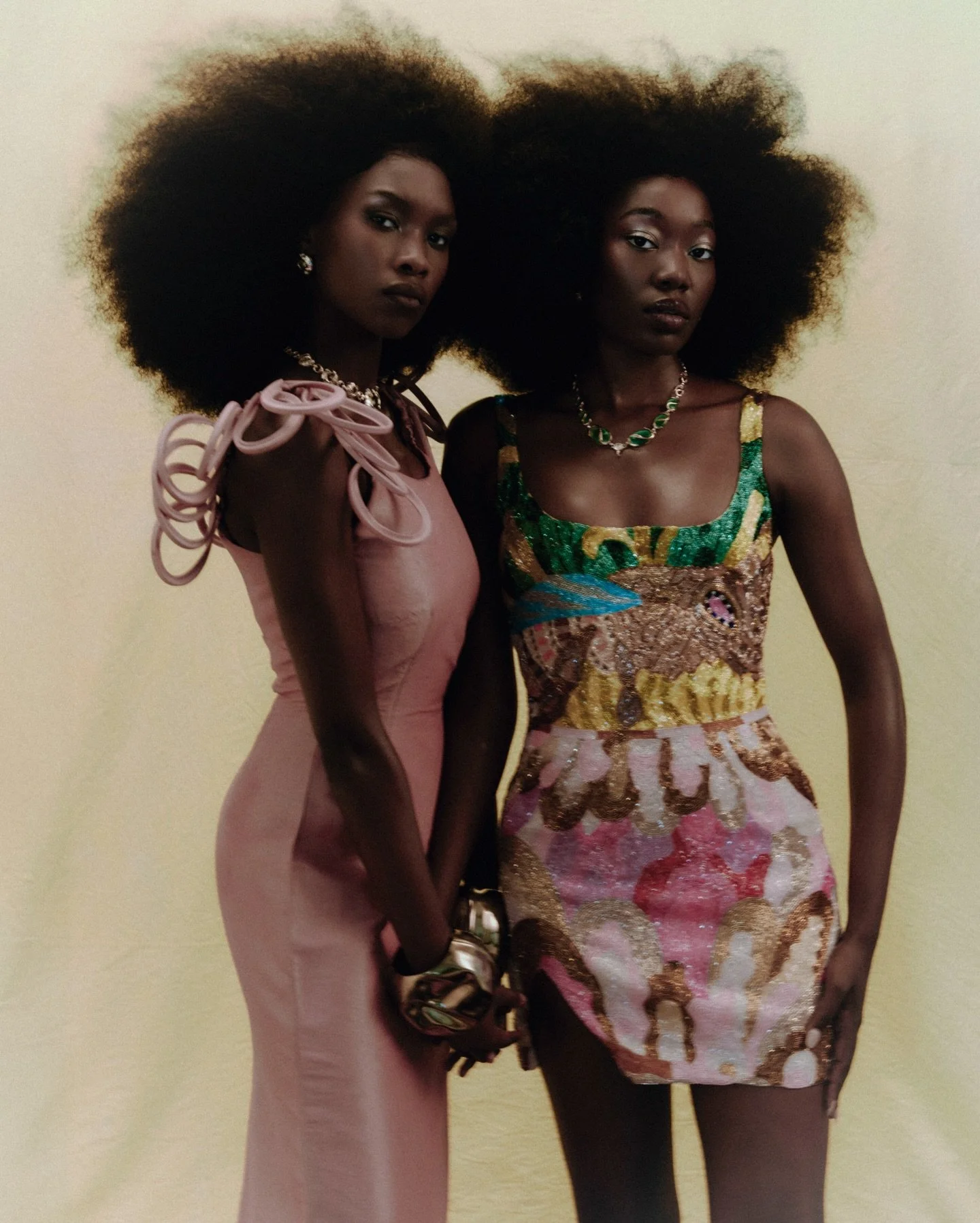
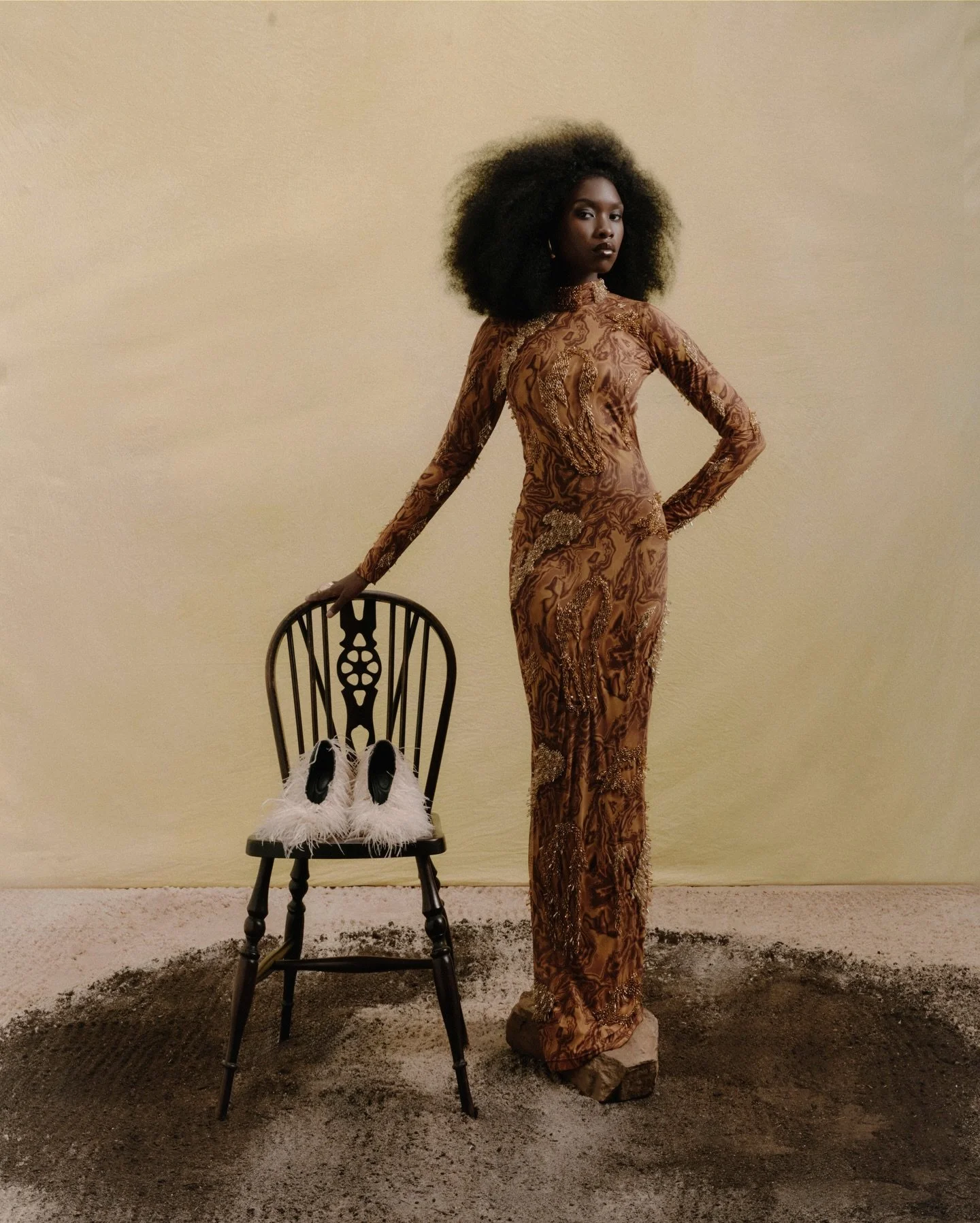
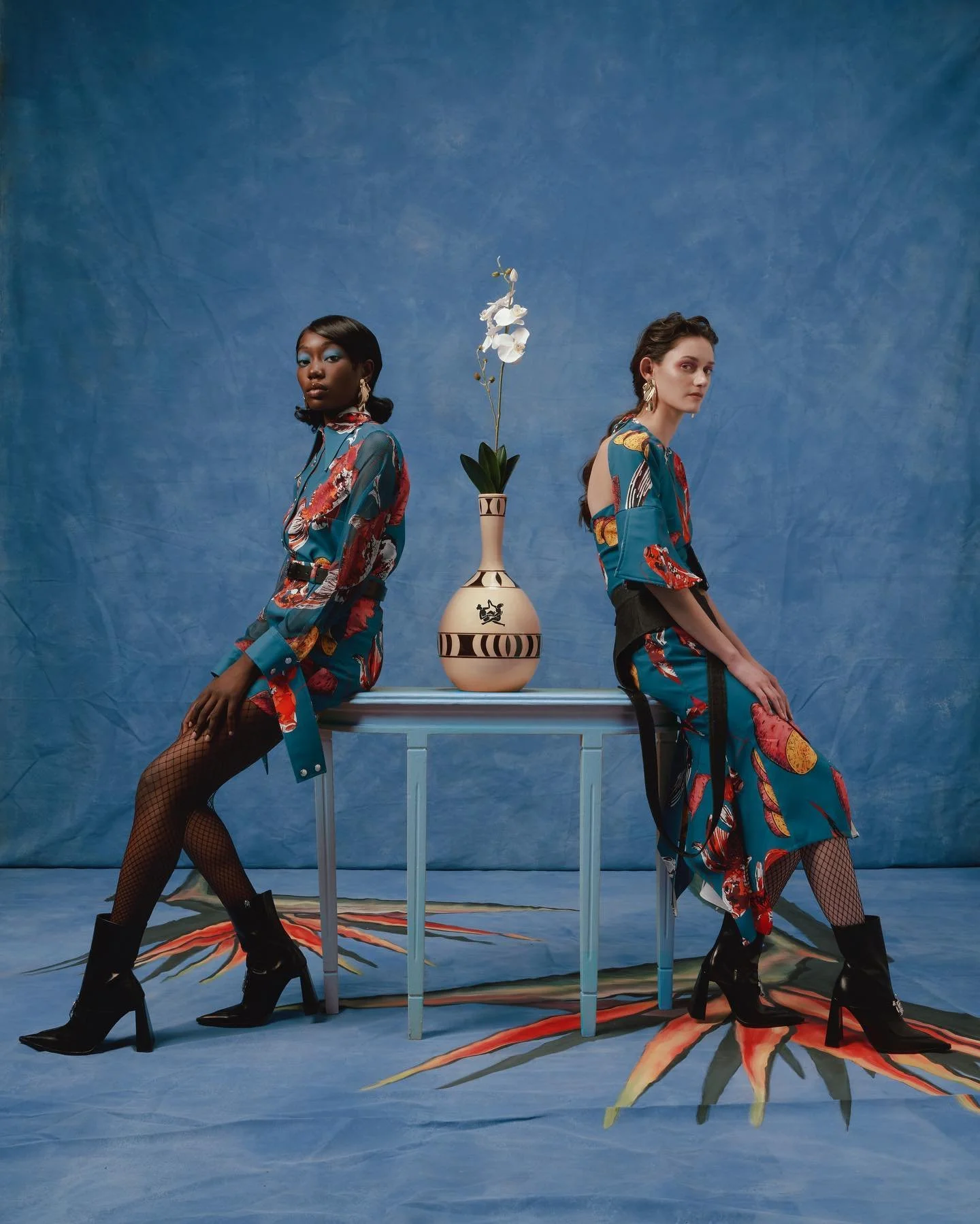
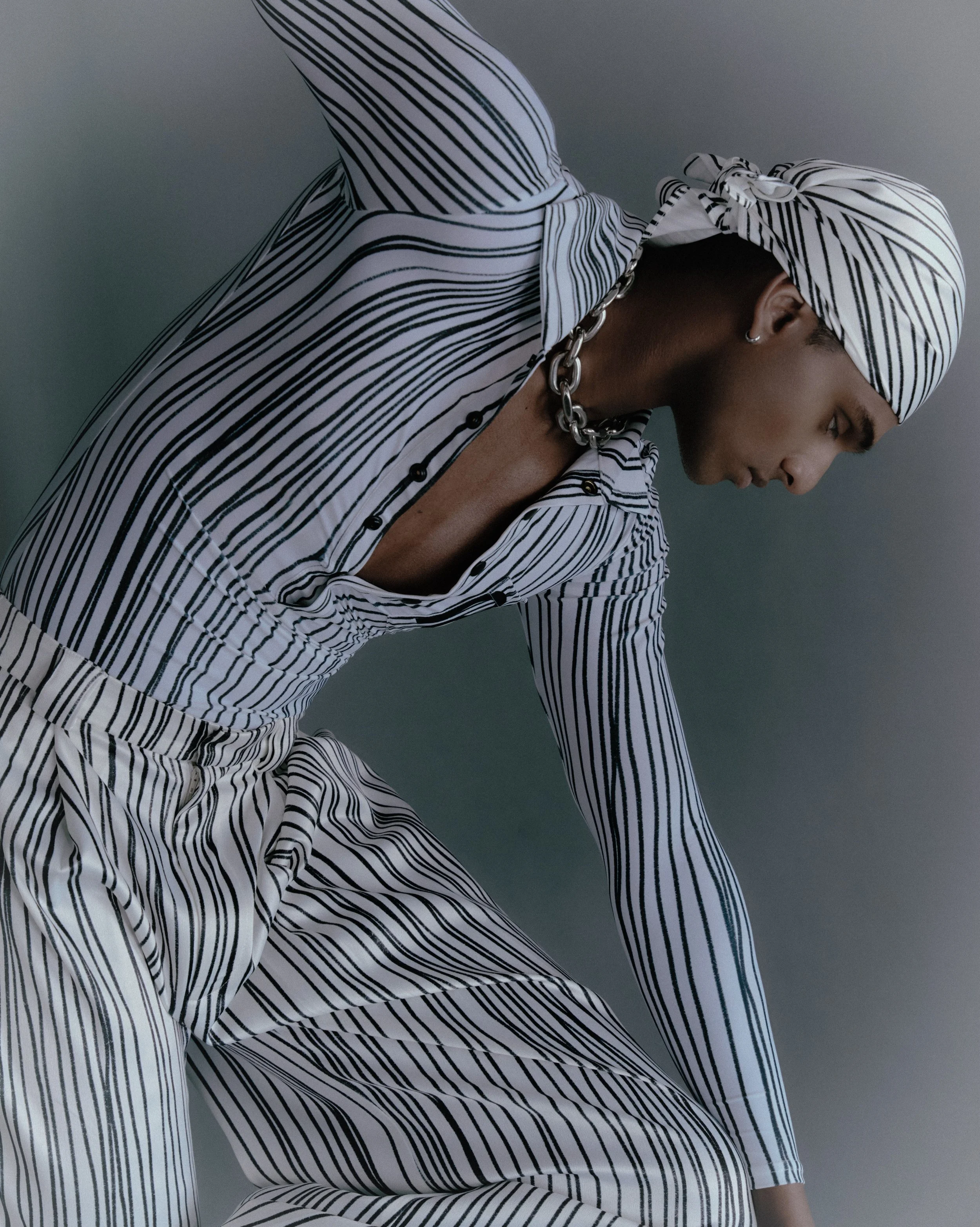
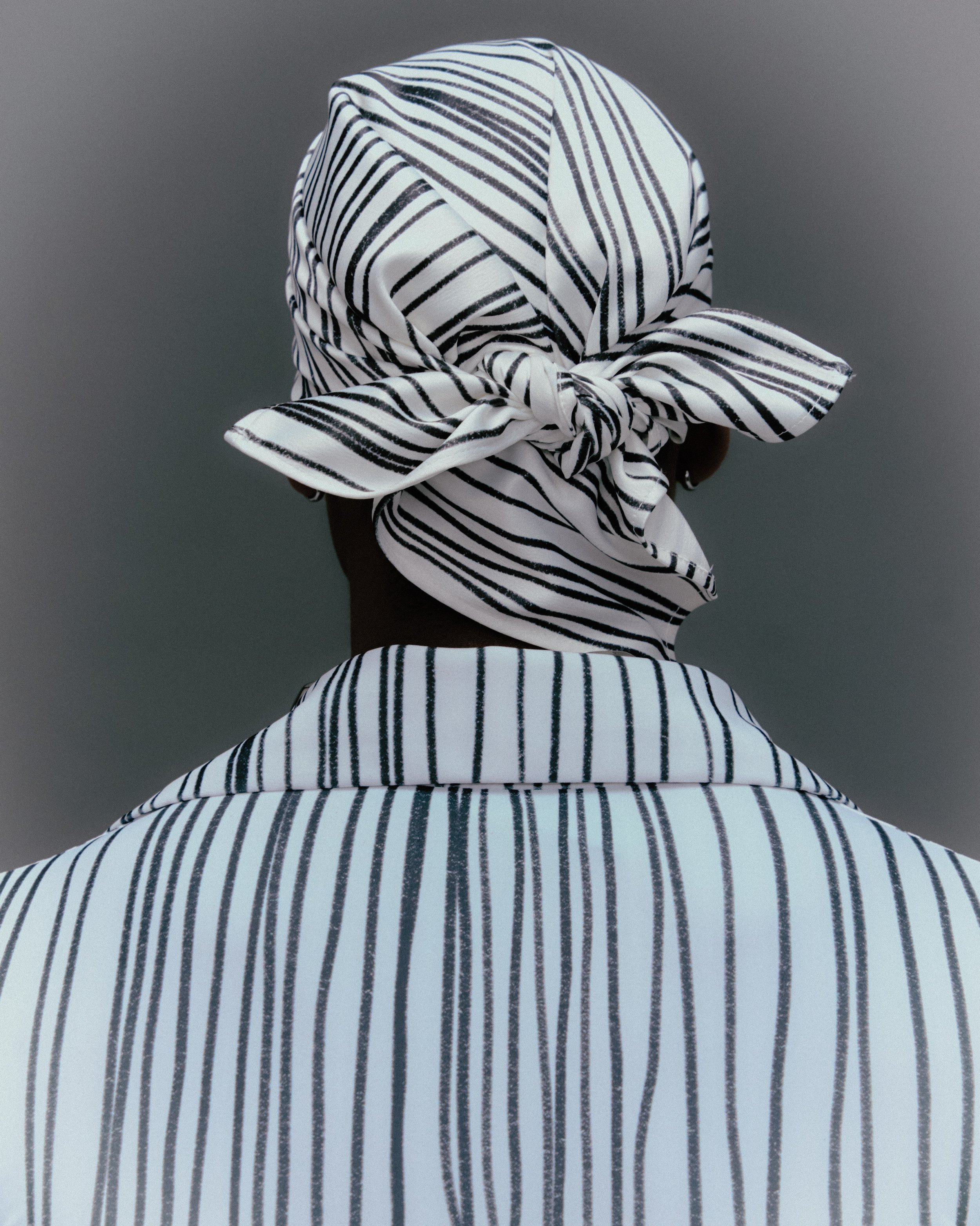
I know people say my work has a specific style, but I don’t necessarily know what that is myself. I have a grade that I often put onto my work, so that’s one thing that carries through, but it also depends on how I’m feeling. Sometimes I’ll put five different grades over an image. For me, my work is about movement. In the beginning, it was all about movement, and I’ve continued to create movement in my work.
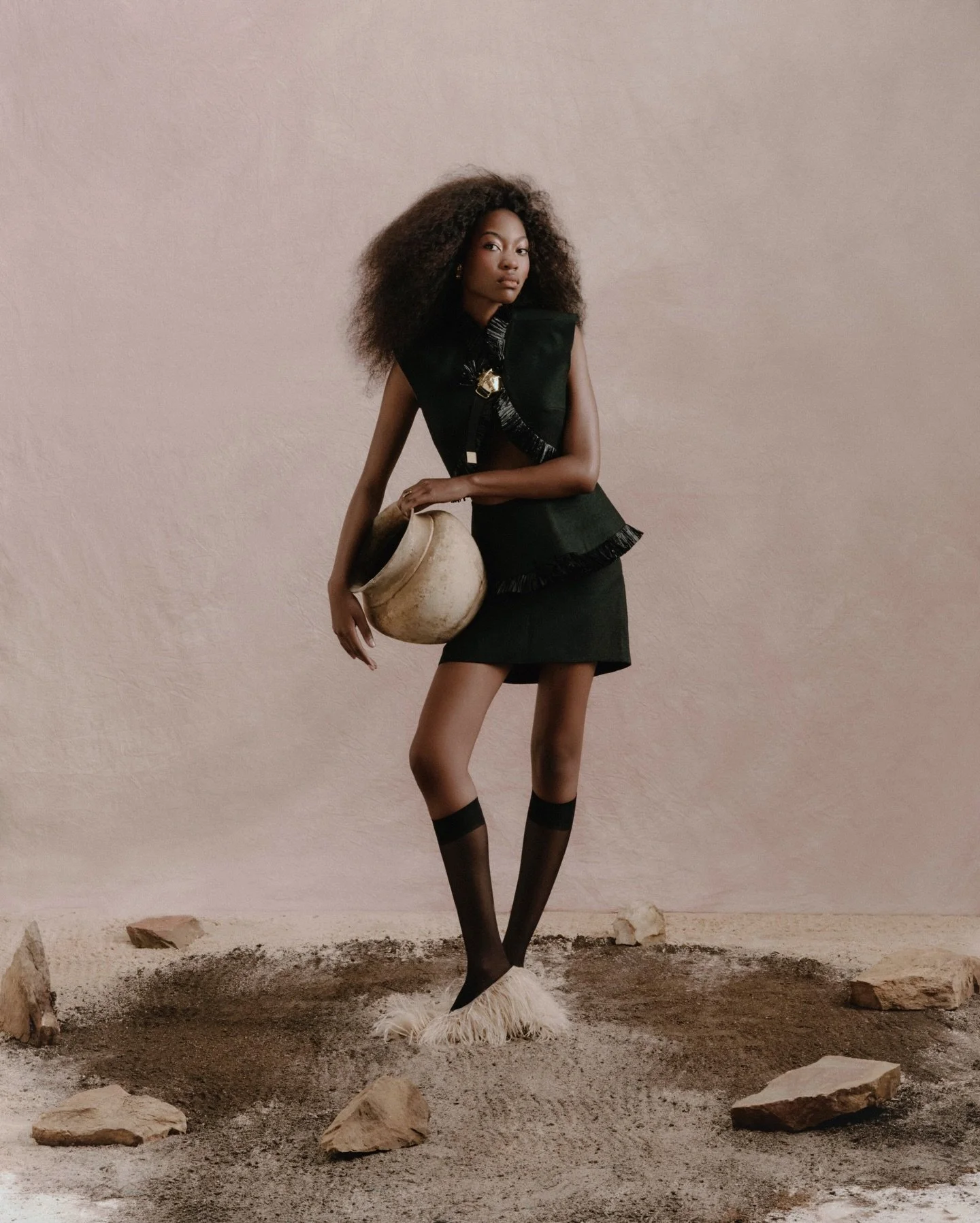
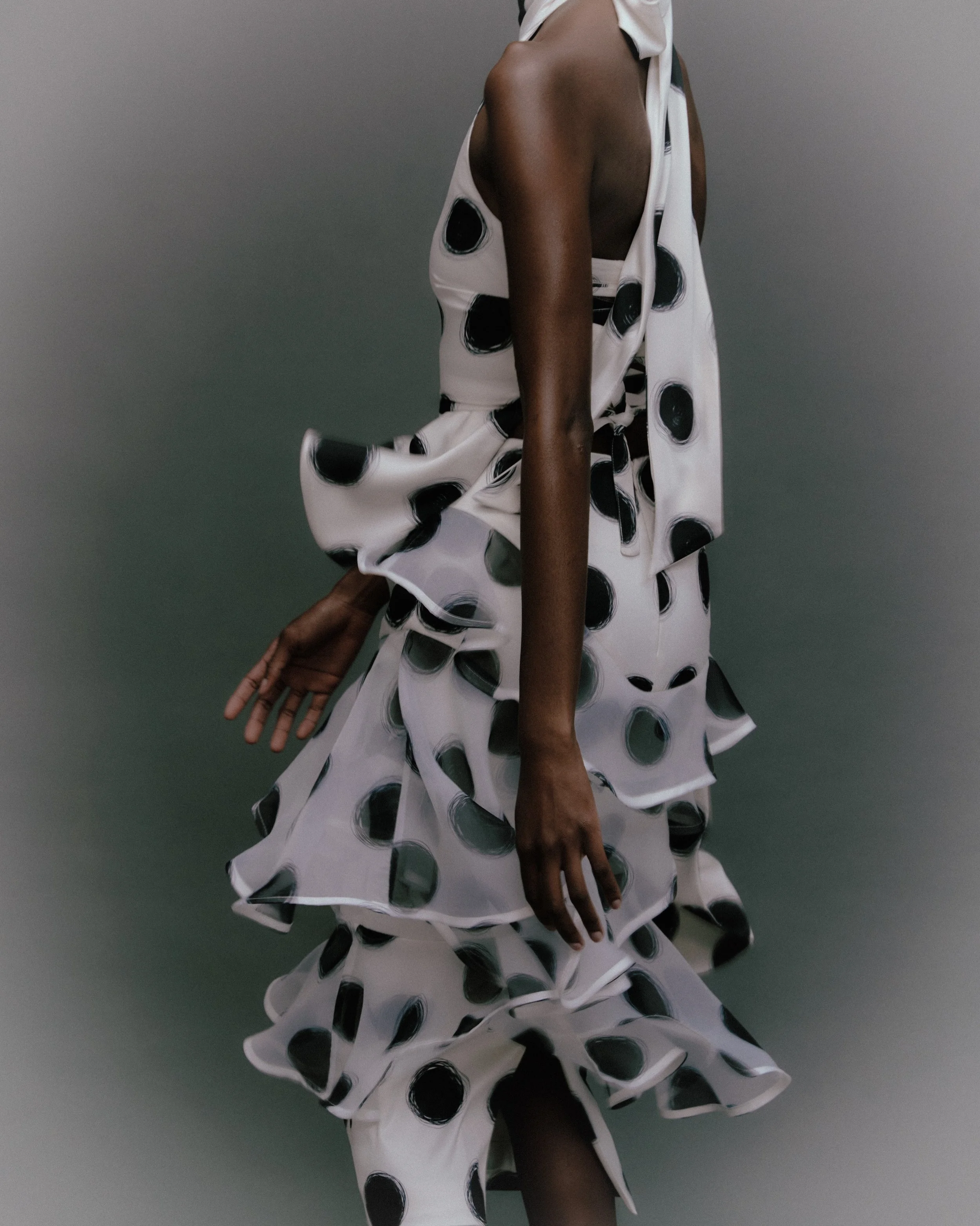
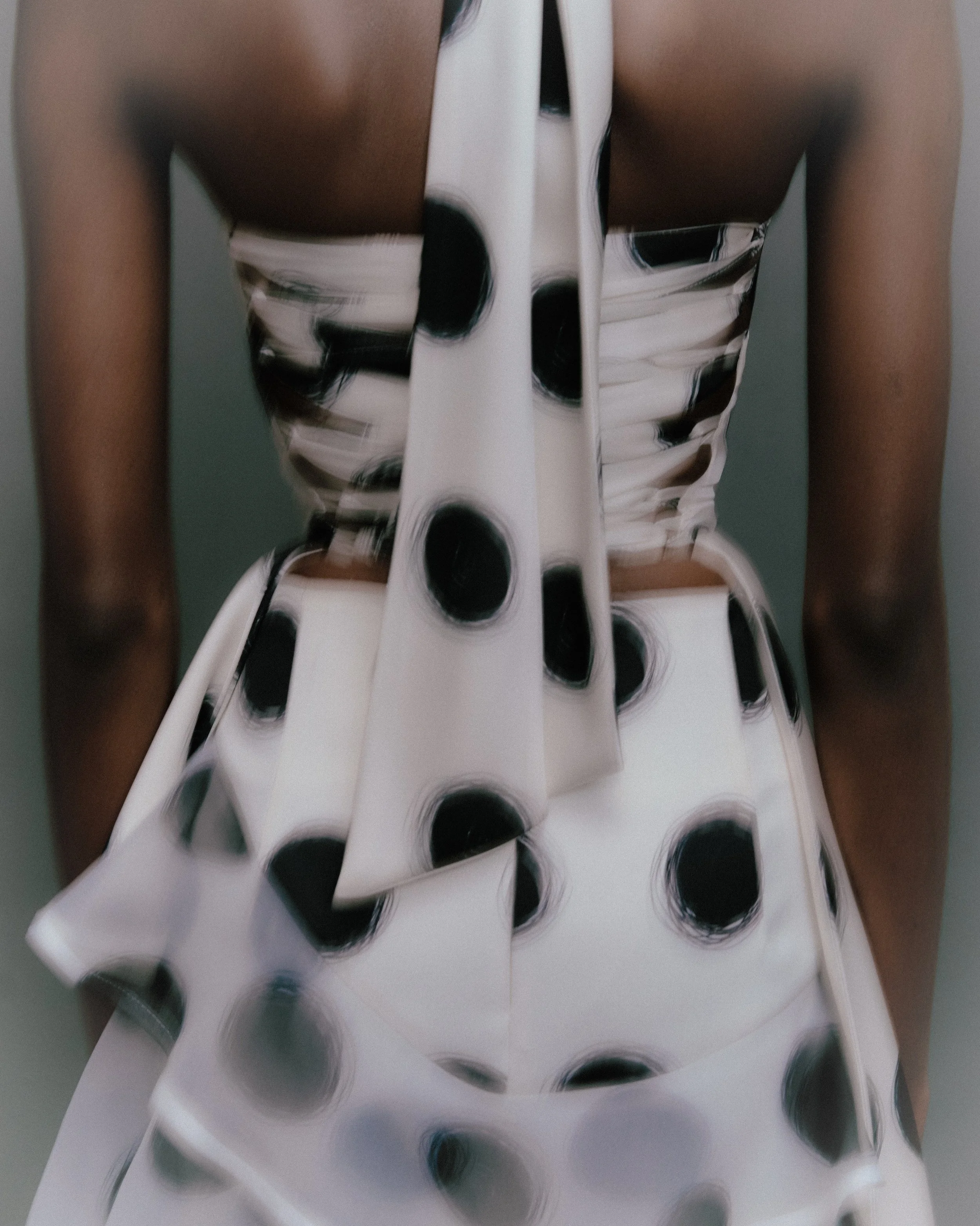
Over the last three or four years, particularly with some of my movement pieces, I’ve been interested in creating something that isn’t necessarily crisp. It’s not super sharp, but it evokes more of a feeling and emotion. I think that’s what images are supposed to do. Especially now with AI, you don’t know what’s real and what’s fake. Everything is so precise. I think we’re moving towards a renaissance where everything doesn’t need to be super crisp or perfect. There’s something slightly off about it, and you can see that human touch. That’s intentional. I also love colour. I really like using colour, but not necessarily too much colour.
You’ve travelled and worked across different countries and creative environments. Have those experiences influenced the way you see culture and your work?
Definitely. I’ve always wanted to travel. When I was 19, I went to France alone to study, and before that I had never been overseas by myself. I love exploring cities and countries, but also exploring cuisine. Through food, you start learning about different cultural patterns, how people eat, what is popular, whether people sit around a table and that makes your work more culturally rich. You learn what to do and what not to do, and how to convey a message while still respecting the different cultures involved. We respect everything that we integrate.
Travelling from Africa to Europe, America and Asia has been really interesting. I love seeing how people dress in different countries and cities. When I studied in France, there were 26 people from 17 different countries. For me, at 19, that was a huge exposure to culture at a very rapid pace. When you spend that much time with people, you really begin to understand their cultures.
You’ve worked with major publications such as Vogue and TIME, as well as brands including Apple, Nike and Lavazza. Has working on an international level challenged you as a creative?
Every time, and every job is different. The TIME project was particularly interesting. Everything happened on a very short timeline. I had two days. You must be ready to do anything and use whatever space you have, but still make it work on an international scale because it’s TIME Magazine and a lot of people are going to see it. I didn’t know I was going to get the cover until the night after we submitted the images. My agent called me around 10pm and told me we’d got the cover. I had a feeling it could be a cover if I did it right, but it was amazing to hear.
I landed in Johannesburg, went to a fabric store, bought a roll of fabric to use as a backdrop, got my gear and assistant together, drove out and shot early the next morning before sunrise. We couldn’t show the location because of the potential backlash surrounding the subject.
The Lavazza project was our largest project. It was also my first fine-art project of that kind, where everything needed to have meaning. That became a pivot point for me because I started thinking much more carefully about why something was in an image. Is it there just because it looks good, or is there a bigger meaning behind it? That really strengthened my work.
How has South Africa influenced the way you see and create?
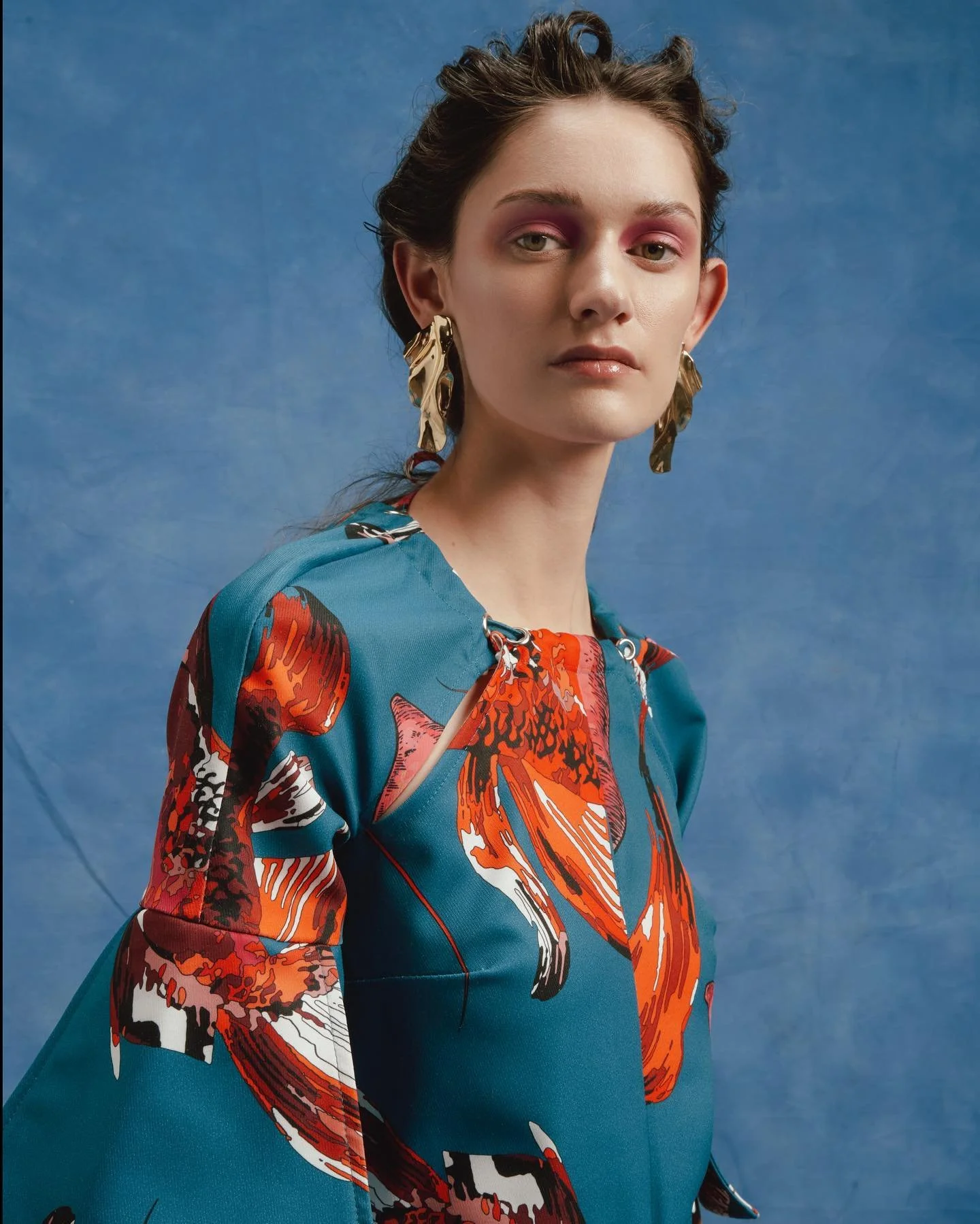
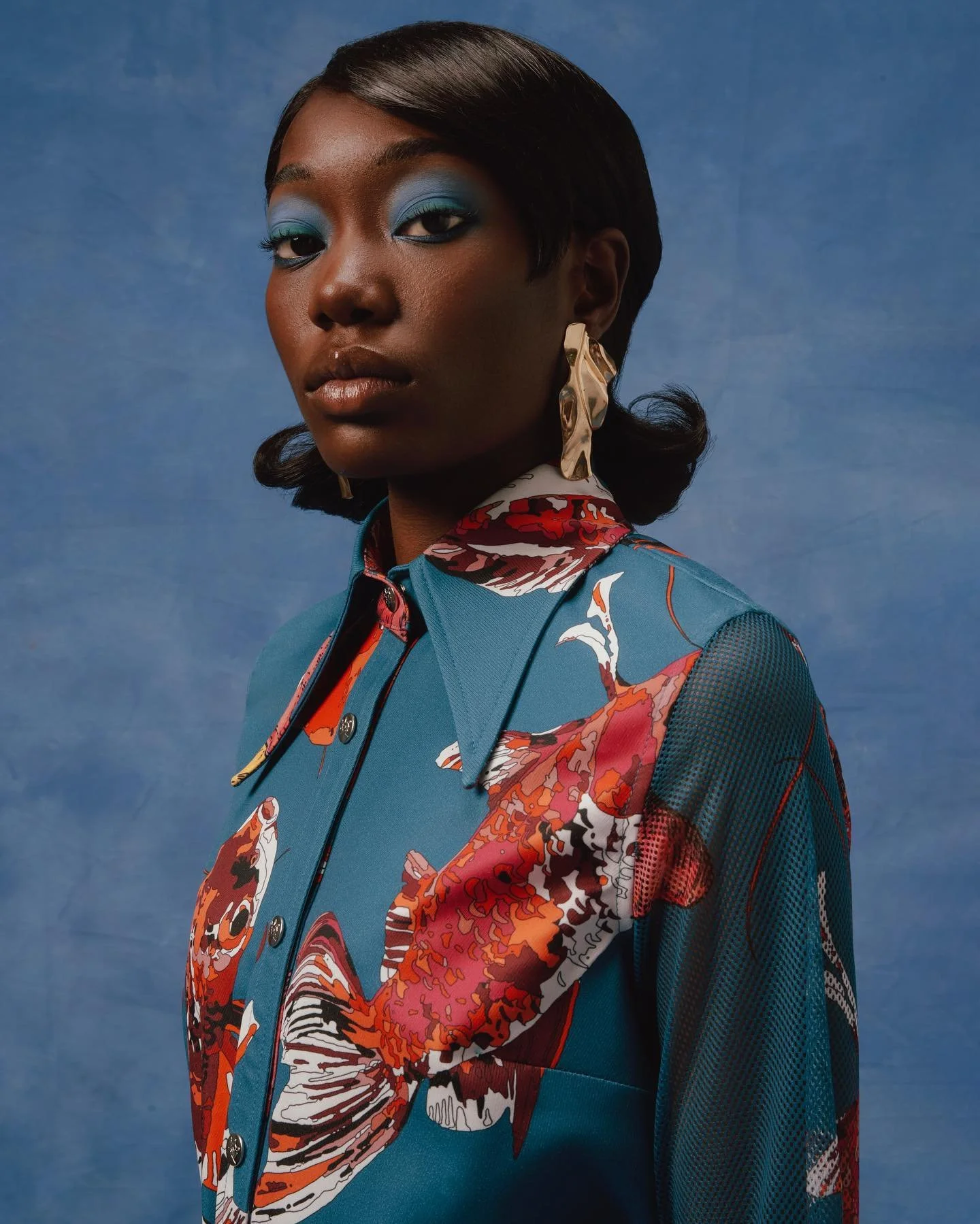
Growing up in Durban, I didn’t really look at images or understand what the industry was. But when I came into the industry and started understanding South African culture, I realised how different everyone’s cultures are. Working with different South African creatives and learning about their cultures made me love the country even more. From there, I wanted to understand what I could contribute to the visual language that everyone else was creating around us. That was, and still is, very exciting. I think you can be 34 and still realise that you have so much more to learn about your own country and its cultures.
Being in South Africa also means you can’t always depend on the fashion brands and resources that exist in Europe or America. You must be smarter about how you create with the resources you have. In the beginning, that felt like a massive task, but in the long run it’s a positive because you’re forced to figure things out. If you’re stuck in a situation, you need to problem-solve and plan. I think that “agileness” of creating and figuring out what to do next really helps when you’re working in South Africa.
Having built a career across photography, film, fashion and exhibitions, what advice would you give to emerging photographers and designers who are trying to build a career in the creative industries?
When I was young, it was about shooting as much as you possibly could. I had a small setup in my living room, and I shot so many things there. Create a small space that becomes a safe haven for you to experiment and shoot. Find a crew of people to work with and just create. That’s how you figure out what you don’t like and what you do like. It doesn’t have to cost you an arm and a leg every time.
I’d call my friends and say, “Can you come over in 20 minutes and we do something?” Even if it’s just a few shots for Instagram, you never know where it might lead. Someone might see your work and not reach out immediately, but they could remember it for six years, and suddenly that person has a big brand or campaign and has been following your work. I’m still open to doing free work because you never know where it might take you, but it can also unlock something in your creative repertoire. Your style might change, or you might find yourself in a new situation. At some point you realise you’re just chasing money, and then you need to do the free work to build your soul again, to show people what you can do and, most importantly, to make yourself more creative.
What is the human feeling you hope your work preserves about our time?
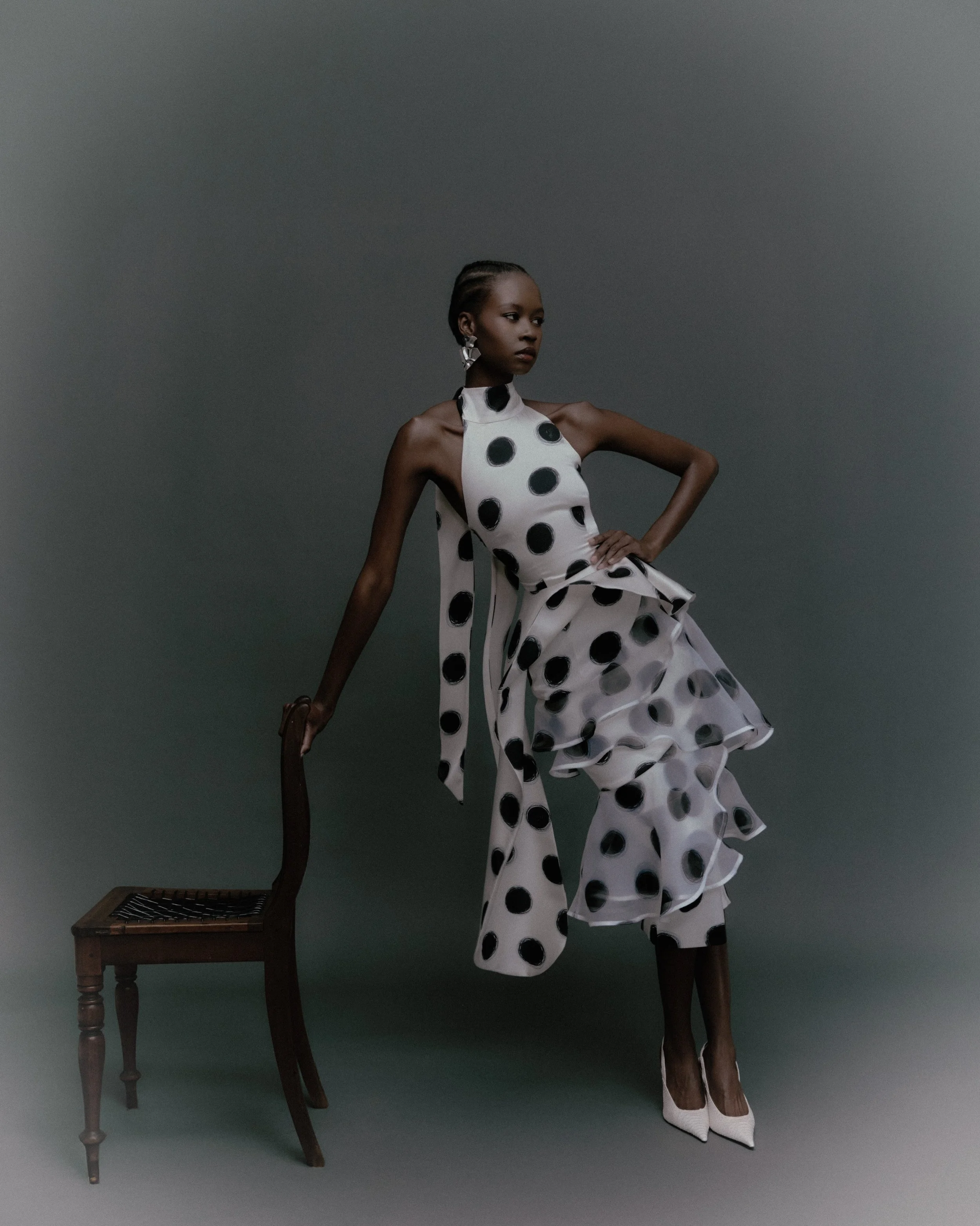
I hope my work gives people an insight into the lost years of African culture, fashion, music, style and everything that has been part of our history. I think it’s important to have that preserved beautifully, so that even I can look back at it sometimes. I’m very interested in trends, but I’m also trying to forecast where trends are going and, at the same time, bring back things that were meaningful to us as kids. I think that’s one of the best ways to bring new people into your world: tapping into something nostalgic. When you connect with something that feels nostalgic, people immediately respond to it.
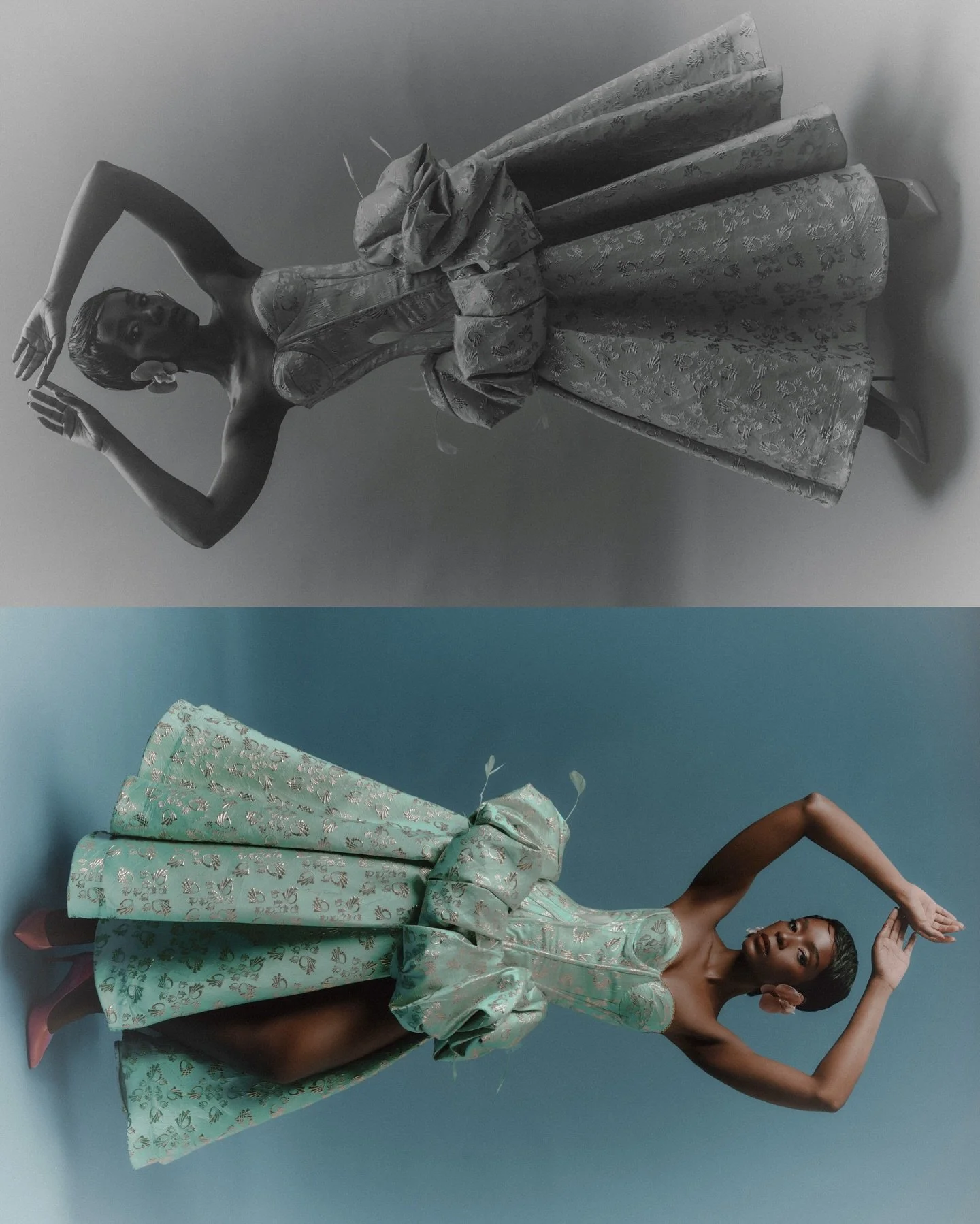
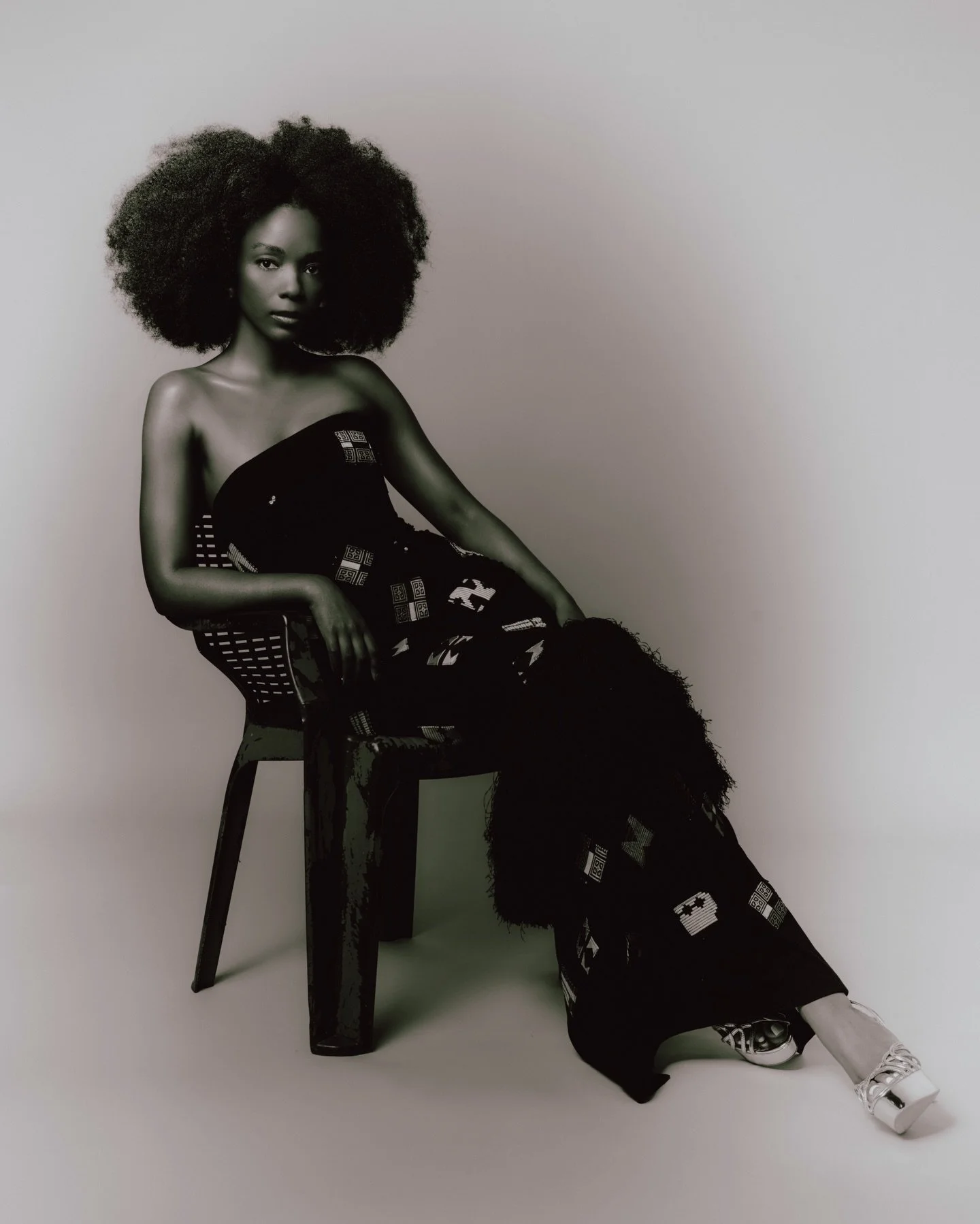
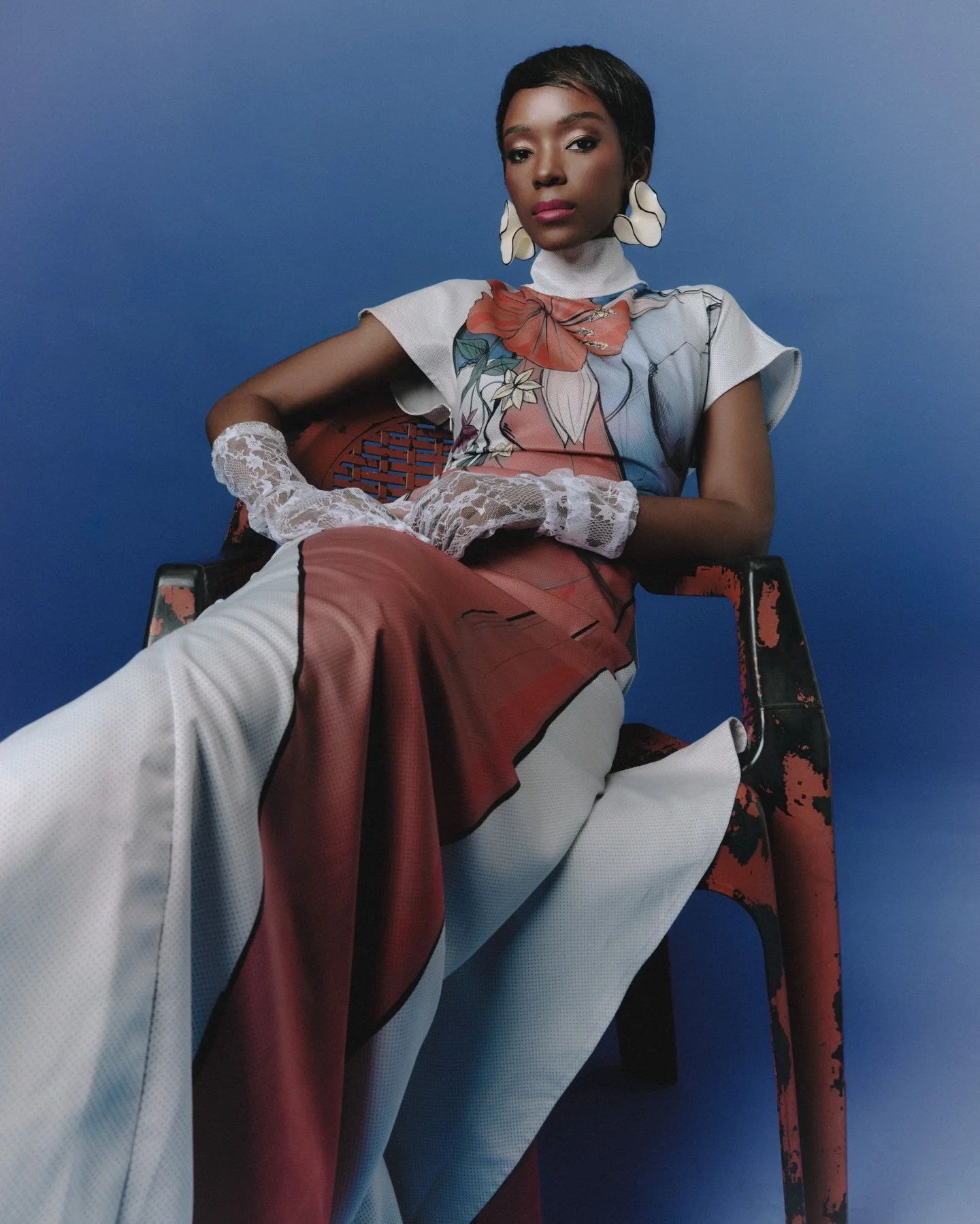
Aart Verrips’ definition of image-making is anchored in the ability to take the rigid constraints of an environment, a frantic timeline, or limited resources and shape them into a distinct artistic advantage. That philosophy informs his visual language, where sterile technical perfection is cast aside in favor of the the indelible mark of the human touch.
It is this ethos that explains the trajectory of a photographer who seamlessly moves between the high-stakes demands of international publishing and the depth of fine-art research. Verrips’ insistence on operating without ego offers a blueprint for the creative landscape: proving that true cultural storytelling requires openness, mutual critique, and an unwavering commitment to elevating the collective narrative over the individual.
For CIKO CIRILLO, his journey stands as a testament to the essence of contemporary prestige. It affirms that modern luxury is not defined by easy access to surplus resources, but by the resourcefulness, cultural reverence, and problem-solving of the hand behind the lens.
