
THE FUTURE OF LUXURY: WHEN CULTURE BECOMES CAPITAL
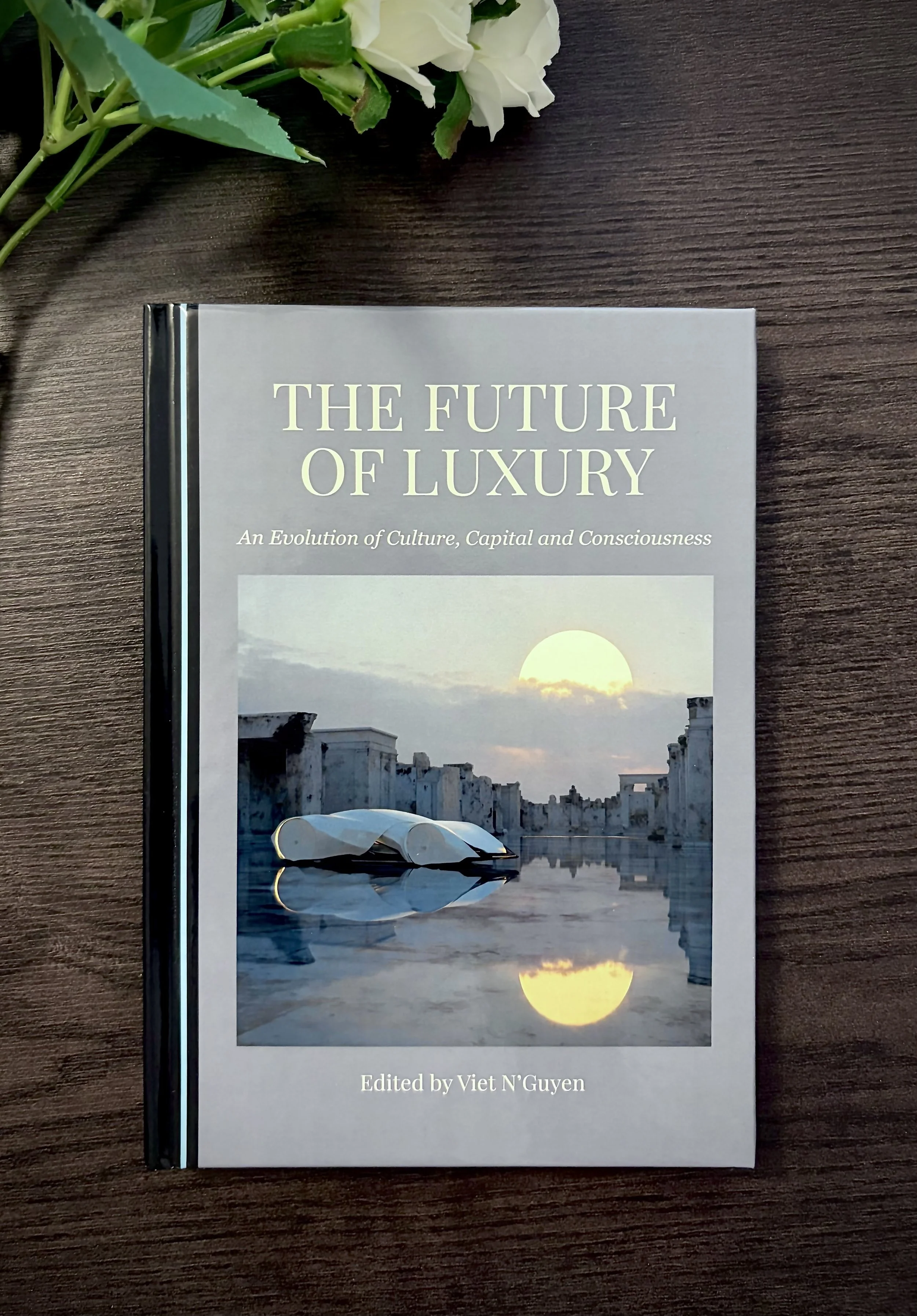
Viet N’Guyen’s new book brings together eight voices across fashion, art, film, photography, automotive, media and cultural strategy to examine how luxury is being redefined by technology, identity and changing consumer consciousness.
Luxury has long been associated with craftsmanship, scarcity and exclusivity. But as culture changes, so does the meaning of luxury.
The Future of Luxury: An Evolution of Culture, Capital & Consciousness, a new academic publication edited by Viet N’Guyen, founder and CEO of Issa PR, examines the forces reshaping the global luxury industry. Published by Cambridge Scholars Publishing, the book brings together eight contributors working across different creative and cultural disciplines, creating an interdisciplinary examination of where luxury is heading next.
At the centre of the publication is a changing definition of prestige. The book considers how authenticity and community co-creation are increasingly challenging exclusivity as traditional markers of luxury, while meaning, identity and innovation become increasingly important alongside craftsmanship. Cultural capital and consumer consciousness are positioned as essential to understanding how brands create value and build loyalty.
This shift reflects an industry operating within a much broader cultural landscape. Luxury is no longer confined to fashion and physical objects; it now intersects with technology, entertainment, art, media and new forms of cultural participation.
Rather than offering a single definition of what luxury will become, The Future of Luxury brings together perspectives from eight practitioners examining the future through their respective fields.
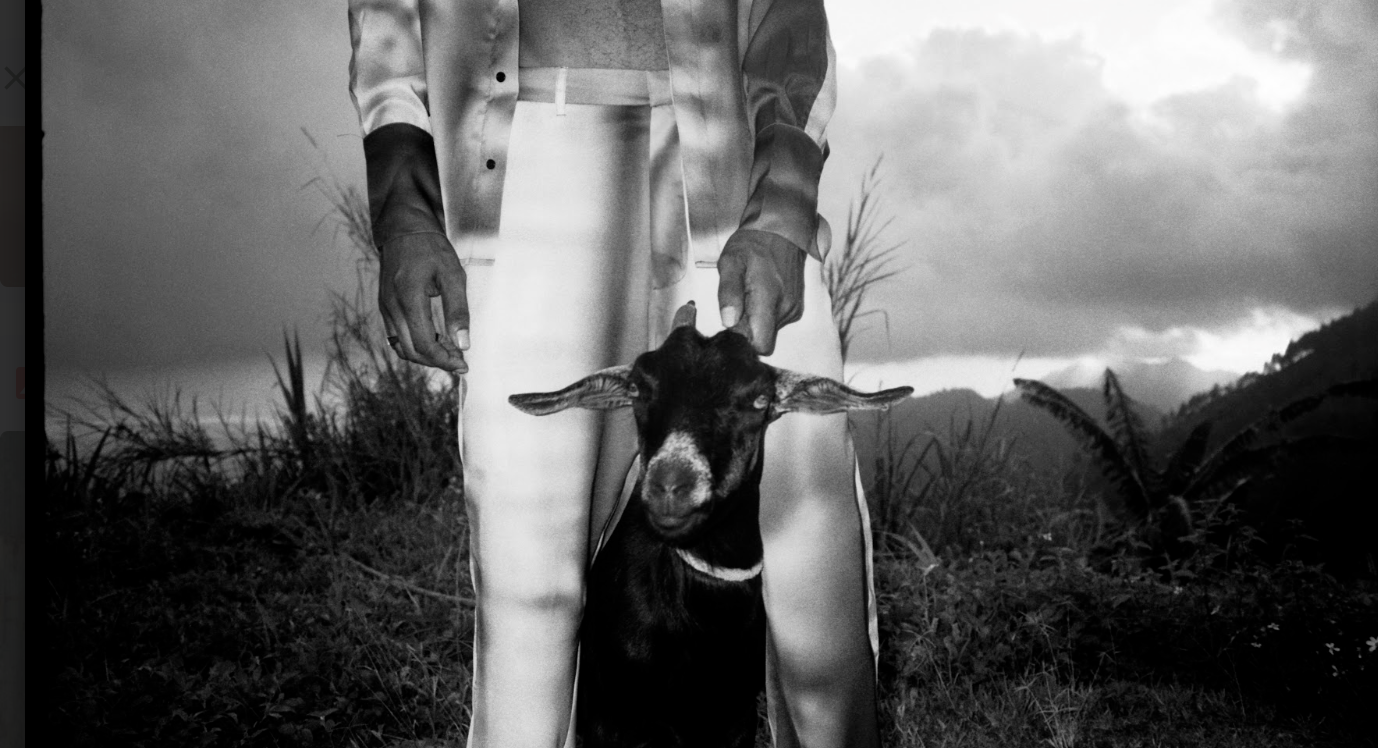




Image Credits: Bianca Saunders Zine - Future of Fashion Essay, Mark Dale (W1 Curates - Future of Art) and Ash Thorp, Mark Dale Future of Art Essay. David La Chapelle Installation at W1 Curates, Stefan Jakubowski - Future of Photography. AI Photography by him, Stefan Jakuwoski - Future of Photography. AI Image Model Walking on Lava
British fashion designer Bianca Saunders contributes a perspective on the future of fashion. Known for her approach to modern menswear, Saunders explores tailoring, movement and identity through a practice informed by her British and Jamaican heritage. Her work has been recognised through the ANDAM Grand Prize, BFC NEWGEN support and the BFC & Vogue Fashion Fund, while her collaborations and exhibitions have connected fashion with institutions including Tate Galleries, the MET Museum and the Design Museum.
For filmmaker, writer and producer Bruno Centofanti, the conversation moves towards storytelling and cinematography. With two decades of experience and more than 3,000 projects across global brands, his practice considers how technology can amplify rather than replace human vision. His approach to storytelling combines technological innovation with authentic human narratives.
Felipe Franco, a creative leader, film director and entrepreneur, examines the future of the automotive industry through the intersection of creativity, technology and innovation. His experience spans luxury, technology and automotive campaigns across Europe, Asia, the Americas and the Middle East.
The changing luxury consumer is explored by Jonathan Saw, whose work across diversity, inclusion, culture and employee engagement has included leadership roles with Pernod Ricard, Tiffany & Co., Johnson & Johnson and Bank of America. His contribution considers socioeconomic changes and the environments in which people live and work.
In art, Mark Dale, founder of London-based digital art gallery W1 Curates, explores the transformation of the art world through technology. W1 Curates has developed its own LED technology and created spaces where digital art, music and technology intersect, working with artists and cultural partners including Tracey Emin, Jeff Koons, Beeple and KAWS.
Cultural strategist Nicole Ingra approaches the future through the movement of culture itself. As founder and global director of Ingra Labs, she works across markets and categories to identify emerging behaviours, cultural codes and shifts in consumer expectations, translating them into strategy.
Journalist and author Soo Kim brings the perspective of design, travel and the workplace, drawing on her experience as a Newsweek reporter and former travel reporter and commissioning editor at The Daily Telegraph.
Completing the collection is photographer Stefan Jakubowski, whose work spans fashion, documentary, events and portraiture, with photography featured in publications including Vogue, the Financial Times and the Evening Standard. His contribution looks retrospectively at photography while considering its future, including the possibilities created by generative AI.
Across these perspectives, several themes emerge: artificial intelligence and phygital experiences, sustainability and social impact, cultural capital, the changing luxury consumer and new business frameworks. The book considers how AI is entering storytelling and photography, how technology is influencing high-end retail, and how brands are responding to new expectations around social responsibility.
The result is a portrait of an industry becoming increasingly connected to the cultural world around it.
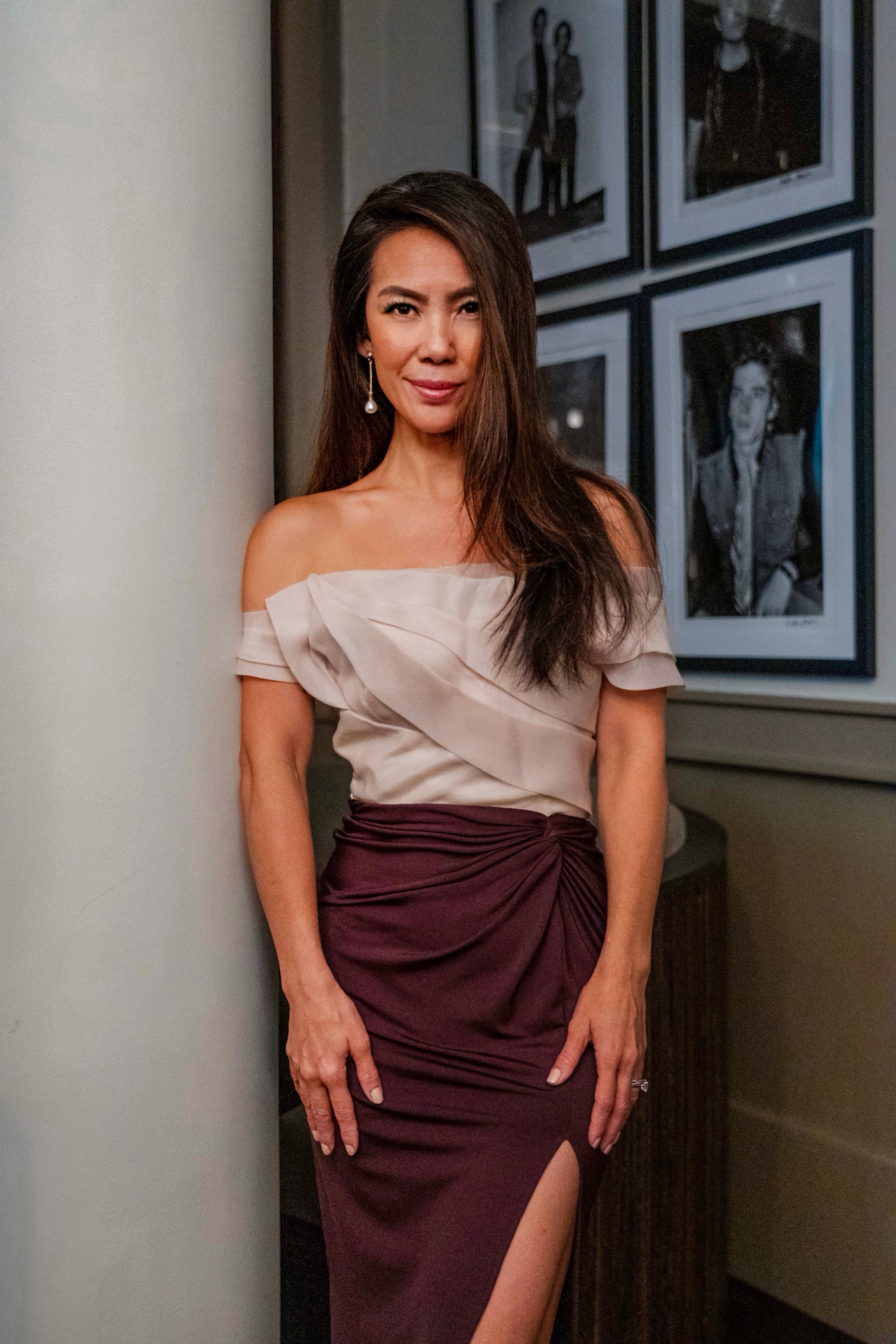
For Viet N’Guyen, who has hosted the Future of Luxury think-tank since 2020, the publication extends an ongoing conversation about the industry’s direction. The book builds upon the initiative’s sixth annual symposium, bringing its examination of luxury into a permanent written form.
As technology transforms how culture is created and experienced, and as consumers increasingly engage with brands through identity, community and values, The Future of Luxury considers a landscape in which cultural relevance becomes inseparable from commercial value. Luxury is entering a new era, one where cultural relevance, technological innovation and human connection are becoming as significant as the objects themselves.
The Future of Luxury: An Evolution of Culture, Capital & Consciousness is published by Cambridge Scholars Publishing and is available through major academic and book retailers.
