
Inside the Creative Universe of Liza Ostanina
Liza Ostanina captures how culture moves across geographic borders and digital timelines, shifting from physical streets onto our screens. Her trajectory reflects a beautiful and erratic migration: from a culturally quiet Russian childhood into the heartbeat of Paris Fashion Week and Art Basel. By building a digital archive on her own domain, she creates a centralized home where her multidisciplinary work is preserved and curated.
Liza operates not merely as an artist, but as a cultural conduit. From entering the world of Vogue Russia as a fashion editor at 19 to shaping contemporary street culture, she has developed the instinct of a tastemaker who recognises authenticity long before the commercial world learns how to package it.
In this interview, Liza reflects on the emotional friction of moving to Paris, collaborating with brands like Off-White, and transforming personal struggles into creative fuel.
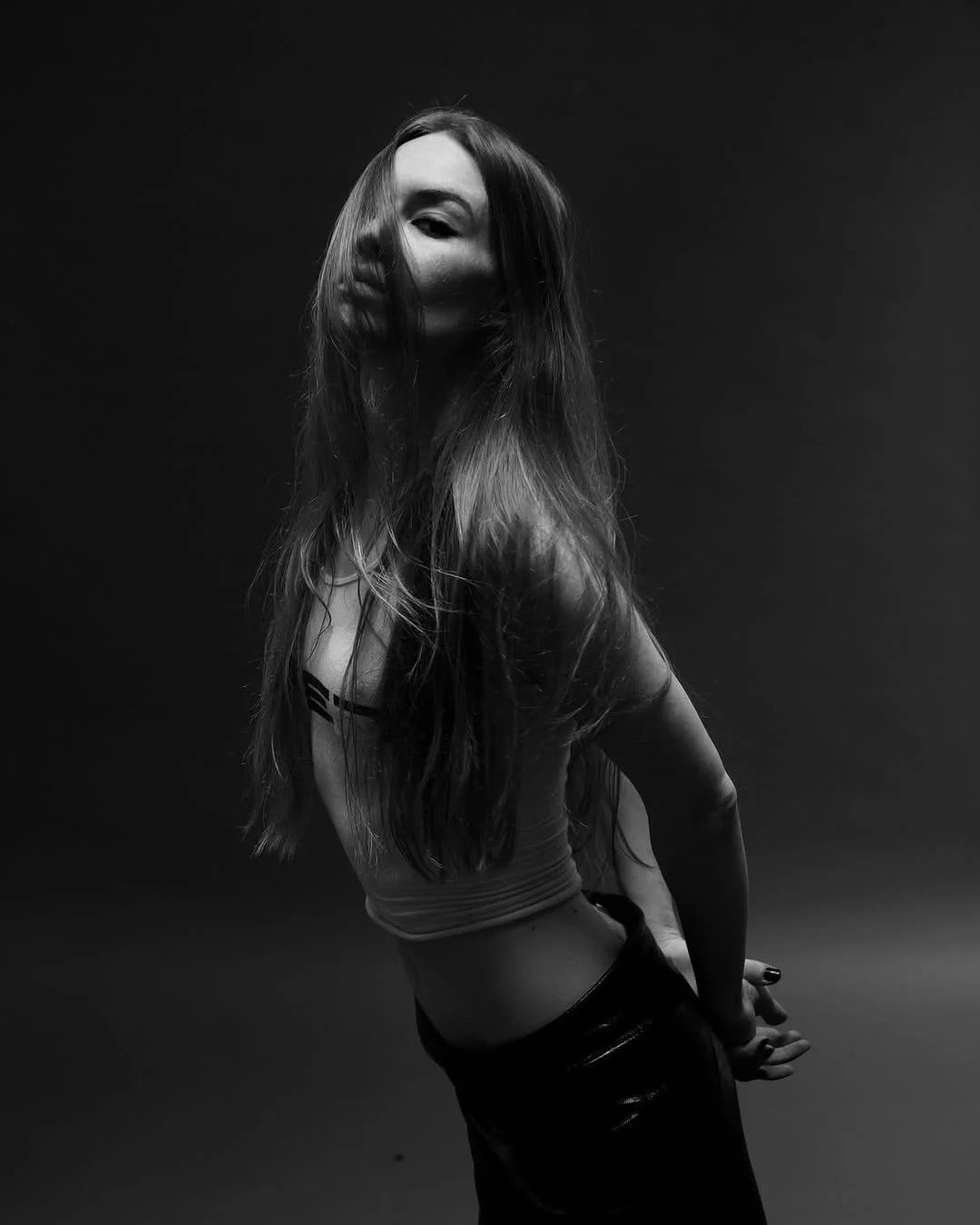
You've described growing up in a small Russian town where hardly anything happened culturally. Now your work exists between galleries and luxury houses. When you look back at your younger self, what do you think she understood about creativity that the industry still doesn't?
You must believe in yourself. That’s what brought me to where I am today. When I was a child, I didn't grow up fortunate. I was born in the middle of the '90s, which was a difficult time for my country. It was complicated in many ways. My family experienced financial ups and downs throughout my childhood. My dad worked hard and sometimes I had a lot of things in my life, so it was very different. But I always felt that I could do anything. When people are like, “Oh, you have everything covered” - it was nothing like that when I was growing up.
I think it came from within. There was a lot of emotional support from my parents because they believed in me. Nobody ever told me “Oh, stop dreaming.” In Russia, the mentality was like “They don't want you anywhere else, but in your country. You don't need to move anywhere. They don't want any immigrants there”. It’s about staying where you are, doing what you do, not moving, and not trying to be better than others. I wanted to be a fashion designer when I was very little, I was drawing clothes. In my hometown, there was not even a university to do that.
It's not a small town, but it's still restrictive. So, I had to believe in myself. I had that from a very young age. I said “Yeah, I'm going to move to another country”. I was always dreaming about moving to New York. I thought New York was for me. But I loved Paris too. I had this plan, and I wanted to be a journalist and work in fashion.
I worked towards it as well; I wasn’t just waiting for an opportunity. I started making moves early. Now we have the internet. Back when I was growing up, there was none of that. I was working for local newspapers, local magazines to do fashion, which was horrible, but I was moving around. I started taking photos at the age of 14. I had this mentality of believing in myself but also working towards it. I don't know exactly where it came from. It’s the mix of personality and having supportive parents which helped me. When I look at old Kanye's interviews with his mom, you can see where it's coming from because she's a big supporter. Having your little place in fashion and art and then growing in it is big. Paris is the centre of it - Paris is the true centre of the world in fashion and art. Being here and being able to do moves is a big thing. Little me would be happy.
I personally had a lot of very big dreams come true early. My path was nonlinear. I had my biggest career dream come true at 19; I started to work in Vogue full time which I thought would happen to me at 30. I did not expect this to come so early. Some things come earlier, some things may come later. You need to accept your journey while you are still working towards it.
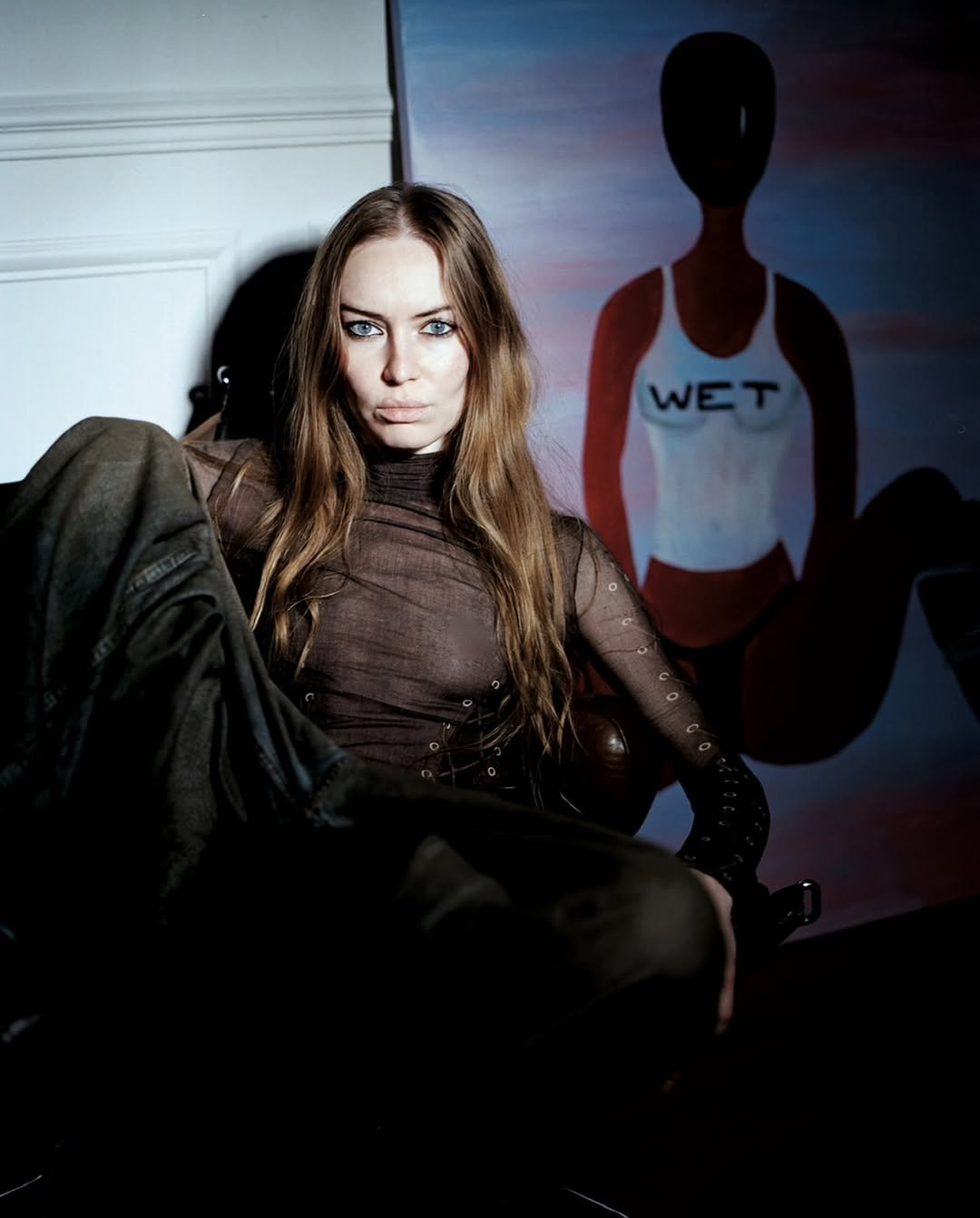
When you moved from Russia to Paris, what parts of you changed and what parts of you intensified?
I experienced two different things. First is that I felt the sense of belonging, which was very strong. I never felt that same sense of belonging back home. So, when I moved, I felt much more at home. I moved from my hometown to Moscow, the country’s capital. It was already my third time moving cities and countries. I love Moscow, it was the first place where I felt at home, I feel comfortable here, I feel like building here.
There was a little bit of detachment from myself. When you move, there are a lot of feelings that come together. There is grief, as you can’t physically share daily life with your family. I had a moment where I lost my courage and ambition. I became a little bit quieter because in France, I had a lot of rejections. I used to think it's a cultural difference. Back in Russia, I felt like things were flowing more easily. Even when I was in between working and living back home, and travelling to Paris, London. I had a little study in London, so I was staying in London for a while. I was in New York a bit too. When I was moving around, I had more opportunities. I had this moment when I moved to Paris, and I felt like there were fewer opportunities.
My ambition got a bit smaller, and, in a way, it adapted to the local life and local mentality. Before I used to move actively whereas now, I move at a slower pace. It’s just the way it is here, but I'm still working internationally. As an immigrant, you always lose a part of yourself. It's normal. You leave your country; you leave your family. Sometimes people move with family, but I moved alone. You leave a part of you back home, and then you try to build the new you with the parts that you already have. And you move with them. It’s a big process. My next exhibition project is going to be about immigration, about the sense of home. I will explore it more because it's a big part every person who moves places. It’s a big part of yourself. I will explore this artistically.
The identity of red feels like a universe. At what point did you realise that the red hair, the red imagery, had evolved into an actual cultural language?
It happened slowly step by step. It started with red hair, and it was a bit of a rebirth. There was a transformative part in my past where I was very sick. It took two years of my life. I fought with the illness, got better and I dyed my hair red. After that, I wanted to really change things. To me, it was a mix of rebellion, finding yourself and becoming a new person. It felt like my second chance at life. That was when I decided to move to Moscow before going to Paris. It started with the hair, which was much more than just the hair colour. It was very transformative and that's why it felt transformative to others too.
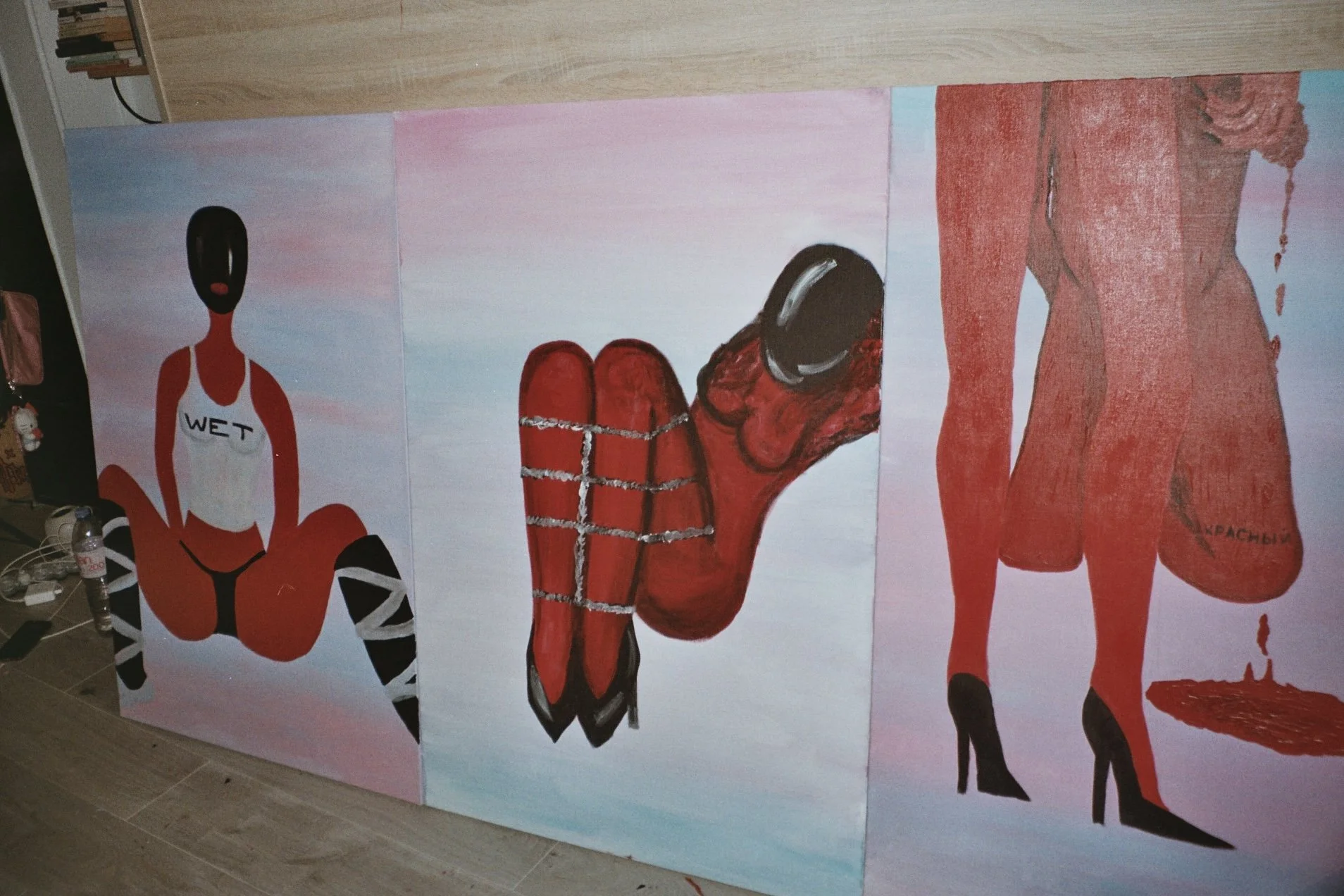
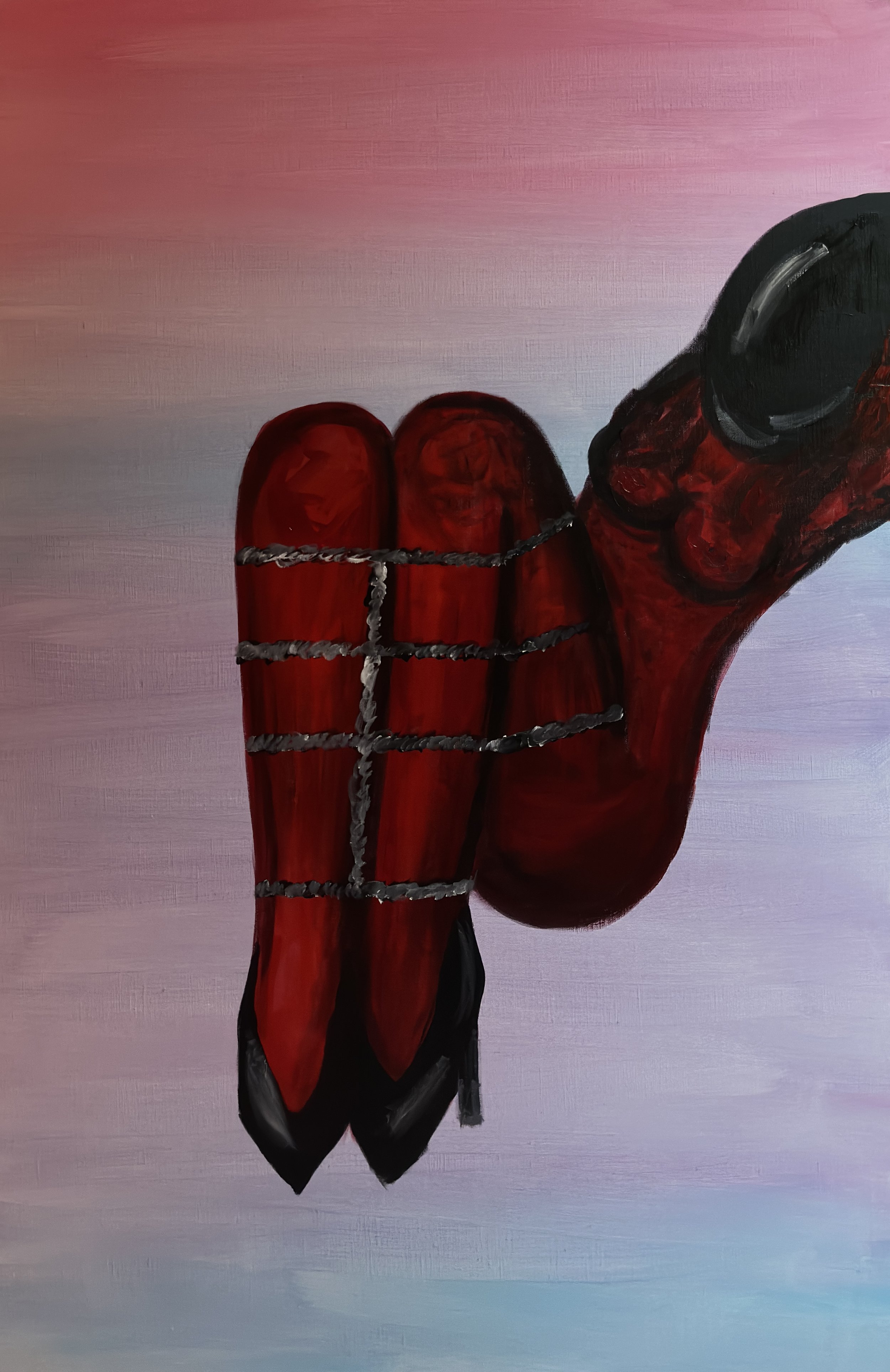
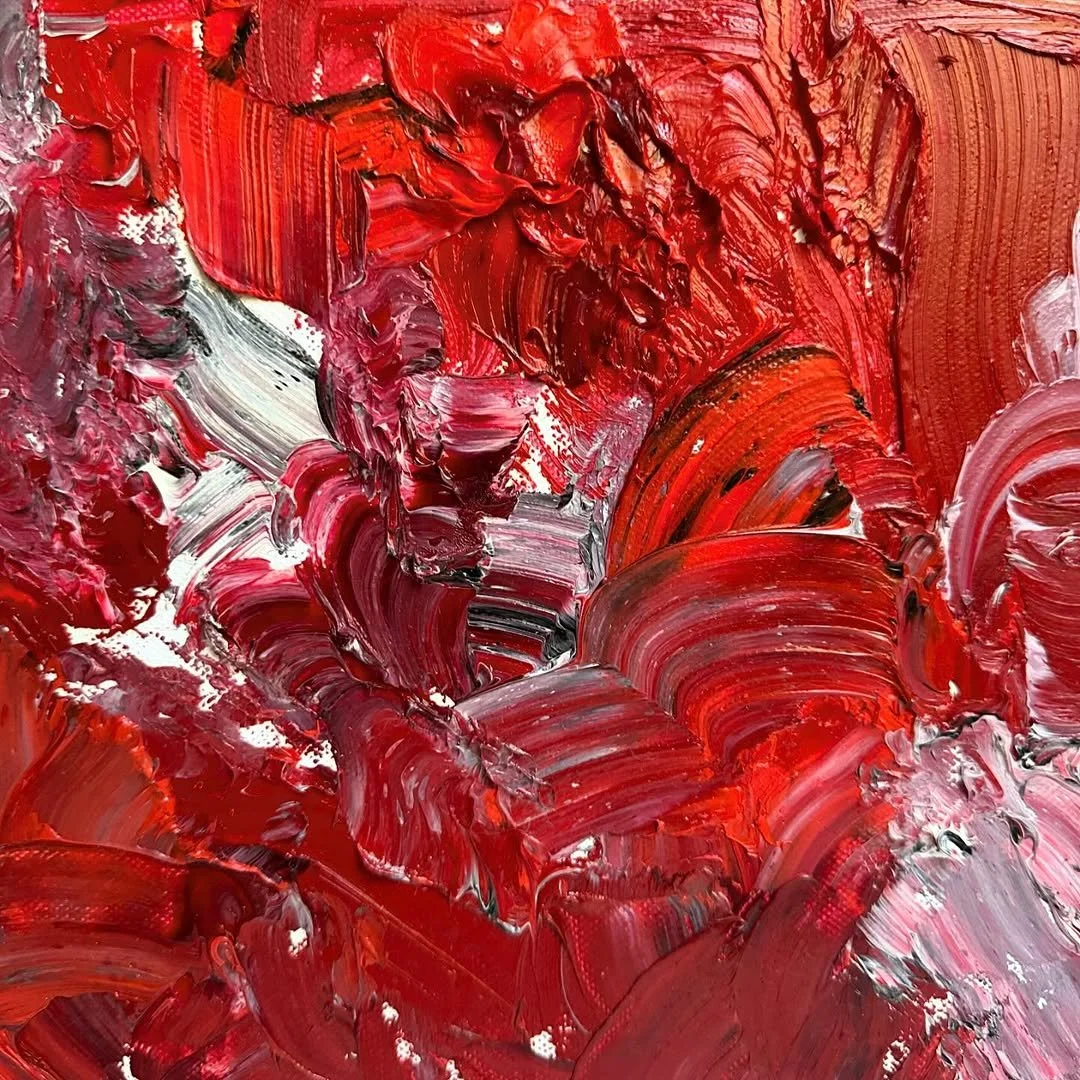
It was a whole phase; I started to wear red clothes to colour match. At some point, it became a signature. People started sending me anything and everything red. It was the beginning of Instagram stories and messages, so people were always sending me things. It's a big part of identity. I want to incorporate it into my art as well. I started to love the colour because of how it represents passion, strength and anger. I relate to it very much. It was natural for me to just advance and put it in the art when I started to make visual arts like paintings. When I started to do more of the visual arts, it was there. It became a movement. Even if my art evolves in many ways, I'm sure this will stay in one way or another.
When you move between filmmaking, photography, and digital arts, do you see these as separate disciplines or are they the same methods of documenting the same thing?
The moment I started painting is when I stopped attaching myself to mediums. To me it was just a form of art, photography or film. I created an installation, I want to do sculpture, I want to do something more spacious later. But I don't see myself attaching myself to mediums anymore, because before, it was always like, okay, I'm a filmmaker, this is what I do. And then a bit of photography. Now all the mediums can tell the same story.
Most creators today rely on Instagram or TikTok archives, but you've carefully documented your films, your writings, and exhibitions on your website. Is that level of archiving about autonomy or resisting the disposable nature of internet culture?
It’s important to have your personal archive, especially as a multidisciplinary artist. If you just do fashion styling, photography and videos you’d be fine with Instagram. But when you write, it’s good to have an ecosystem. Having a website is important professionally because clients and employers expect to see one. It’s unprofessional to not have one. It's the way to transfer the message to others and stay relevant.
Your documentary We Will Live Forever, I Promise, explored mental health challenges. How do you think a young artist could protect themselves when turning personal struggles into art?
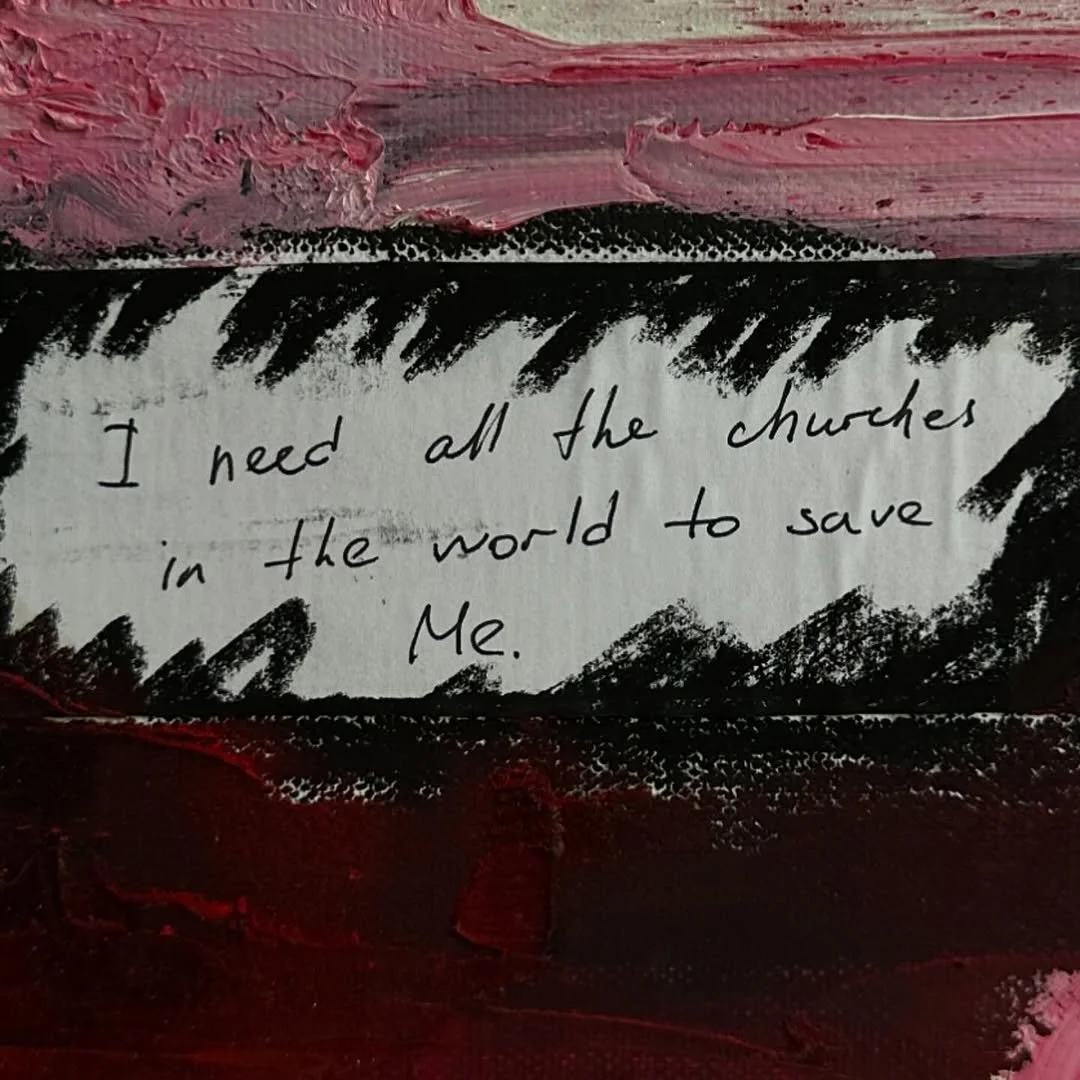
You can't protect yourself. You must go all the way because that's the part of the art. It's painful when you do something real, there's no protection. If you explore something deep, it can really hurt a lot. Art is substance rather than just a beautiful image. People who are sensitive can see the difference whether it’s painted from your feelings, or when it's somebody who didn't feel anything. It’s important to put yourself in there, even if it's uncomfortable.
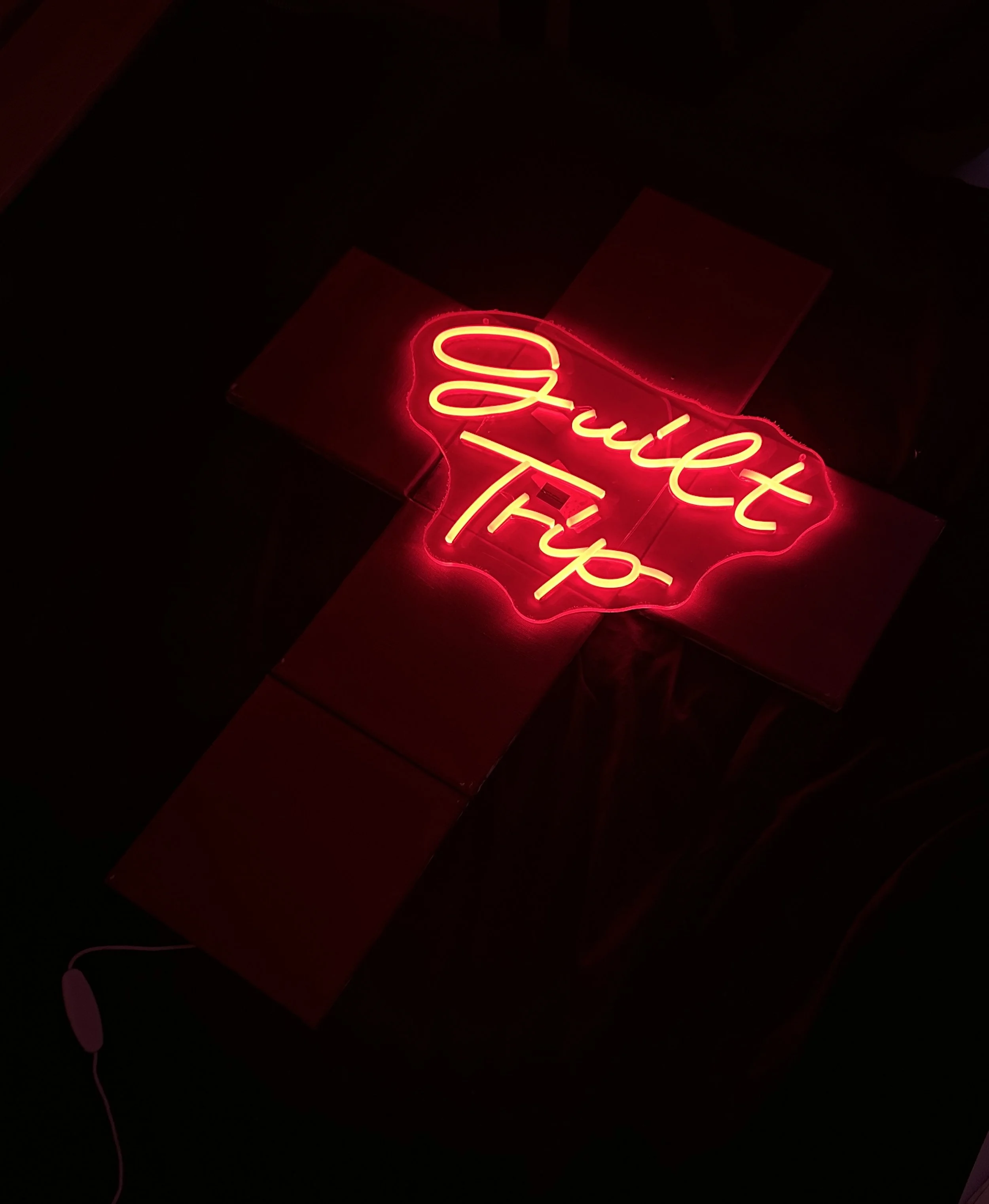
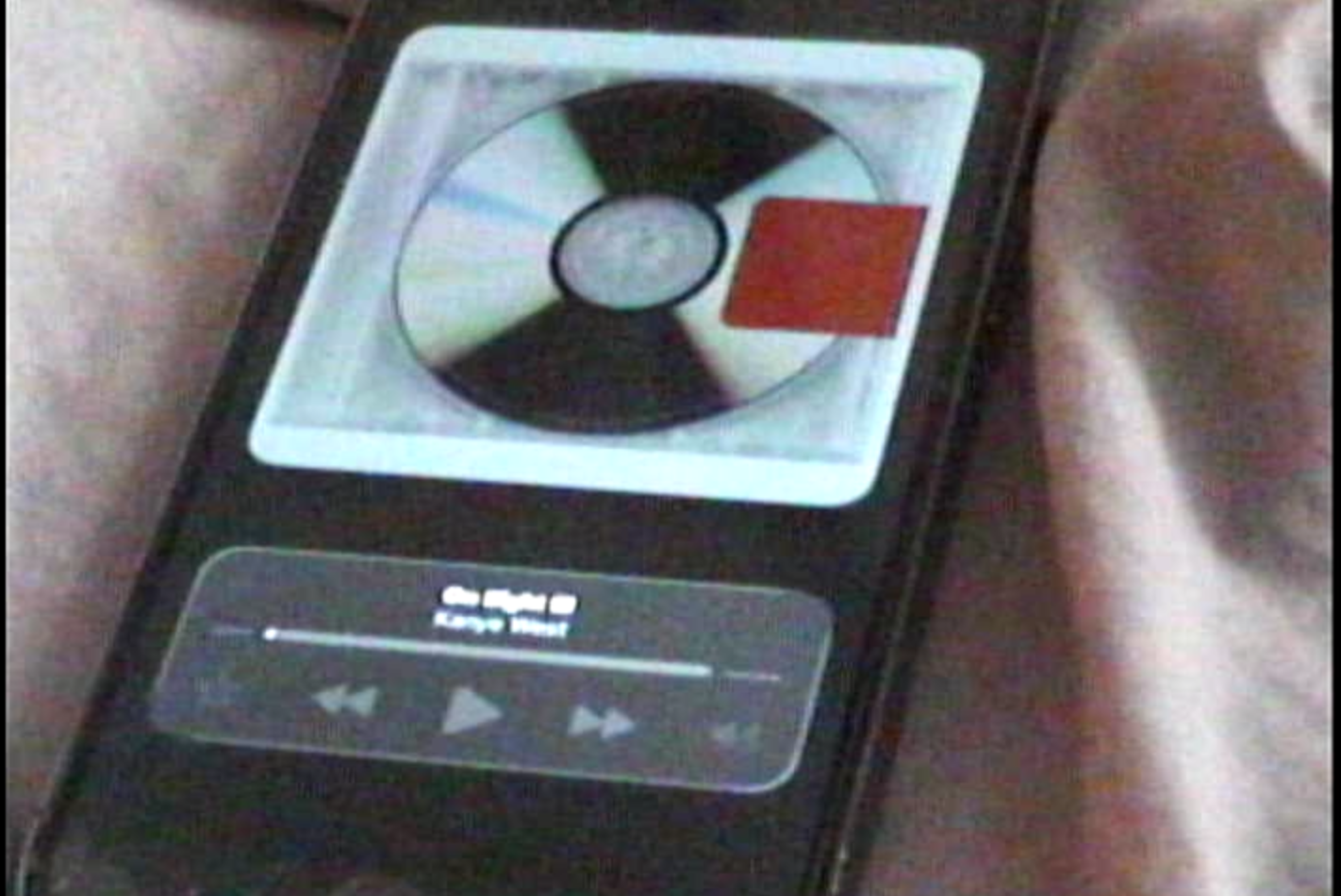
You've talked about how the album Yeezus had a huge influence on your creative language. What do you think hip-hop brings into luxury spaces, that traditional fashion can't?
Hip-hop and fashion were connected for a long time. Hip-hop has this side of flexing; they must name the brands, be fly, and show their money. However, there are rappers who don't care about all that. And even with them, they still follow some sort of visual language in their fashion. For example, Kendrick Lamar talks about being real, but he's also the face of Chanel. Even the person who talks about deep topics still comes together with his visual language. Hip-hop and music are interlinked, and both were a part of my life from an early age.
You love the album Yeezus.
It’s more than an album for me. The whole movement is religious. Kanye has always been my favourite artist. Most of his albums were phases in my life. I always loved Yeezus but it’s only recently that I started to relate to it more. It’s chaotic and beautiful. It goes from slow to quick, rapid changes, and then he screams - it's my personality in the whole album. That's why I like it so much. It's a cool thing when you connect to someone's work without comparing yourself to them or copying them.
Hip-hop is built on sampling, taking fragments of existing culture and transforming them into something new. When you combine Paris fashion aesthetics with internet screenshots and digital memories, do you apply that same sampling philosophy to your art practice?
I don't feel like there's this goal of making something new in a way that is like “Look, I'm doing something innovative that no one had ever seen before”. I don't mind doing something classical and very simple. I don't feel like I have this big role of doing something first, that no one ever seen before. When I create, I’m happy with it and if it ever becomes a cultural moment. If not, I'm glad that I'm just expressing myself.
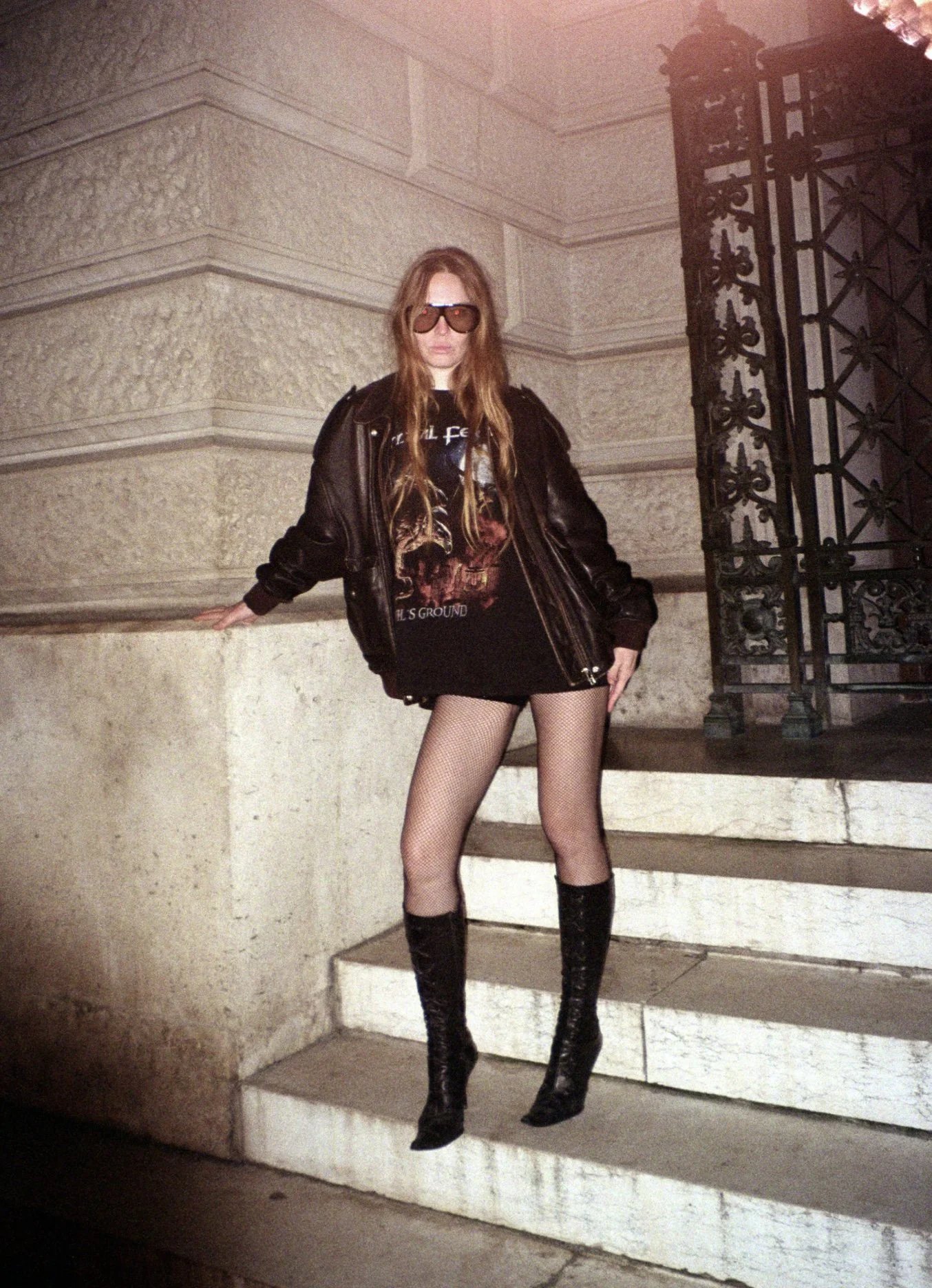
When working with major luxury houses like Off-White or Comme des Garçons, how do you balance admiring their legacy while also positioning yourself as an equal creative force?
The work I did with major fashion houses was controlled. It was more execution, without full freedom. Now, my goal as an artist is working with major institutions and brands that trust me with complete creative freedom. They just give you whatever you need, and you do it. I feel like it's every artist's goal. I had a few projects like that, but it was smaller projects. For example, the music video I worked on featured Boldy James and Royce da 5’9 which is a big project to me. I had full freedom, so I'm very happy when this happens. I balance between admiring the company and incorporating my own style.
I must respect the code of the house. It's non-negotiable. As an artist you must bring your own taste, but in collaboration you respect the person you collaborate with. This is a part of working culture. You must keep the DNA. Sometimes I say no to opportunities if it’s not aligned to my vision. It’s a balance of the two. You should not overstep the person you collaborate with.
I like how you compared Off-White to a family reunion. What was it about the people and the environment that gave you a feeling of safety and hope?
At the Off-White Fashion Show, I was working in the video team. It was amazing to me that Virgil Abloh was capable to create this type of movement. We didn't see it for years, and even decades. He came from being an art director for a musician, then into DJ’ing, and then he goes into fashion. He becomes the head of the biggest fashion house as the creative director. He’s the person who shows the whole generation that it’s possible. Virgil is a big part of the culture. It's cool that he created this family feeling. He always had his people around. Virgil created many colleagues after; he put people on. Not many designers, or even creatives create this family feeling. Everybody was happy to be a part of it too. Everybody was happy to support him. It was not forced. Everybody gave him his flowers while he was there. People still carry his legacy forward. There is a lot to learn from it.
When you published MANY REDS, you transformed your work from digital imagery into an archive. When building the book, how did you decide which emotions and images deserved to become a part of your long-term legacy?
What was published in the book was not what was in the exhibition. It was a photography book, totally different images. I started doing film photography when I was 14/15 years old which felt early. I always had my camera so I had an archive of photos. I chose 100 images that were bits of life. It still went well with the exhibition, because it's separate work. It went together because it's a collection of files that didn't have much to do with each other, but at the same time, it's my eyes, it's black and white, so here it is. I like how I made it work. Another one will be my style in the way of art and screenshots. But that one was a classical photography book. Just red background and black and white photos.
When people look back at your work in the future, what lasting impact do you hope your legacy leaves behind?
I want to be the embodiment of freedom and no fear. It would be my life goal if it happens. The greatest legacy would be not even my art itself, but the mentality that I bring into life. I hope to transmit self-belief to others. That would be my bigger goal than simply having my artwork displayed in museums for 100 years. That would be also great. I want to show that things are possible and to push others to also do their thing. It's important that you believe in yourself - I want to bring this message to everyone all the time. It's something I'm doing through my art too. I would also love to have my art in big institutions.
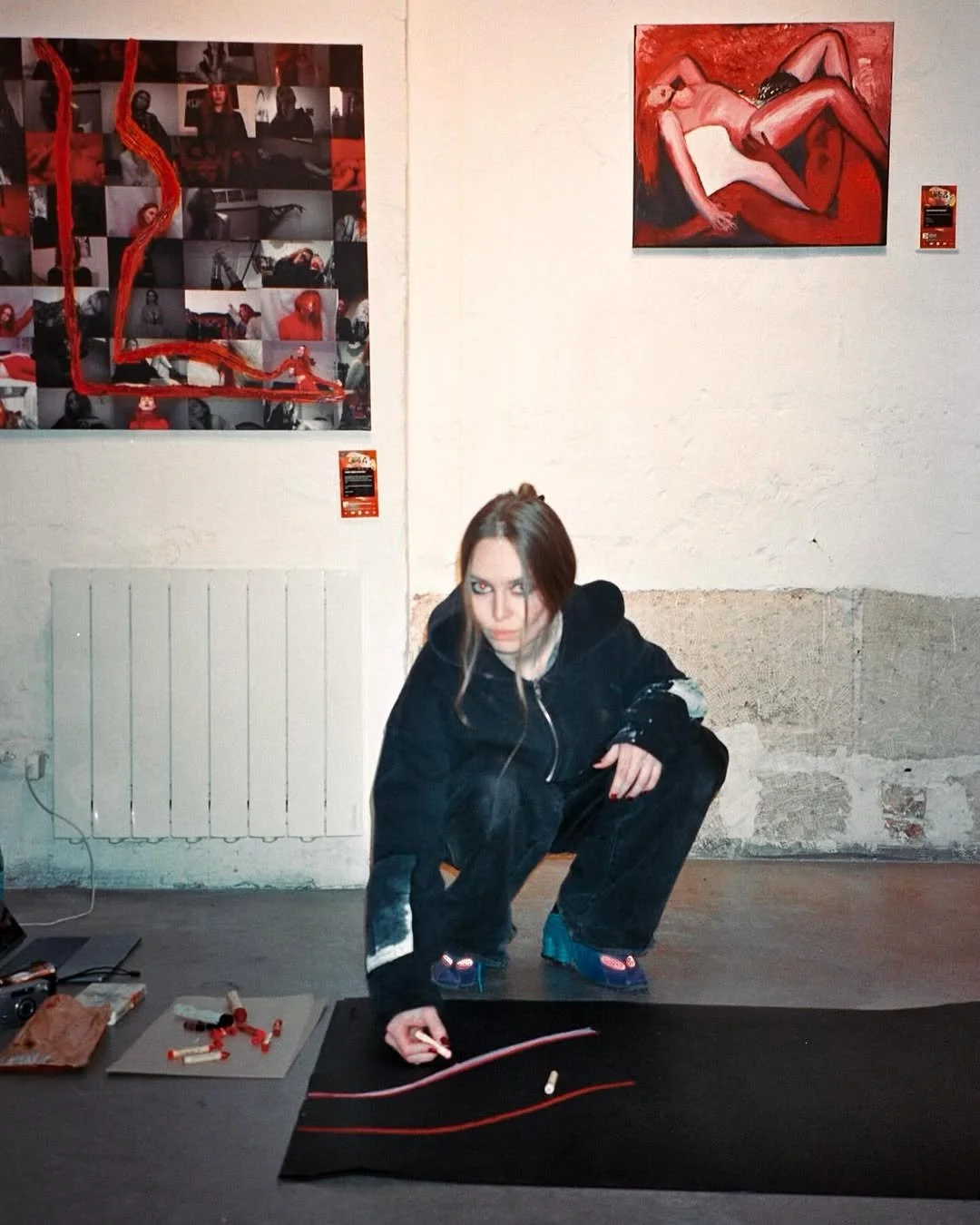
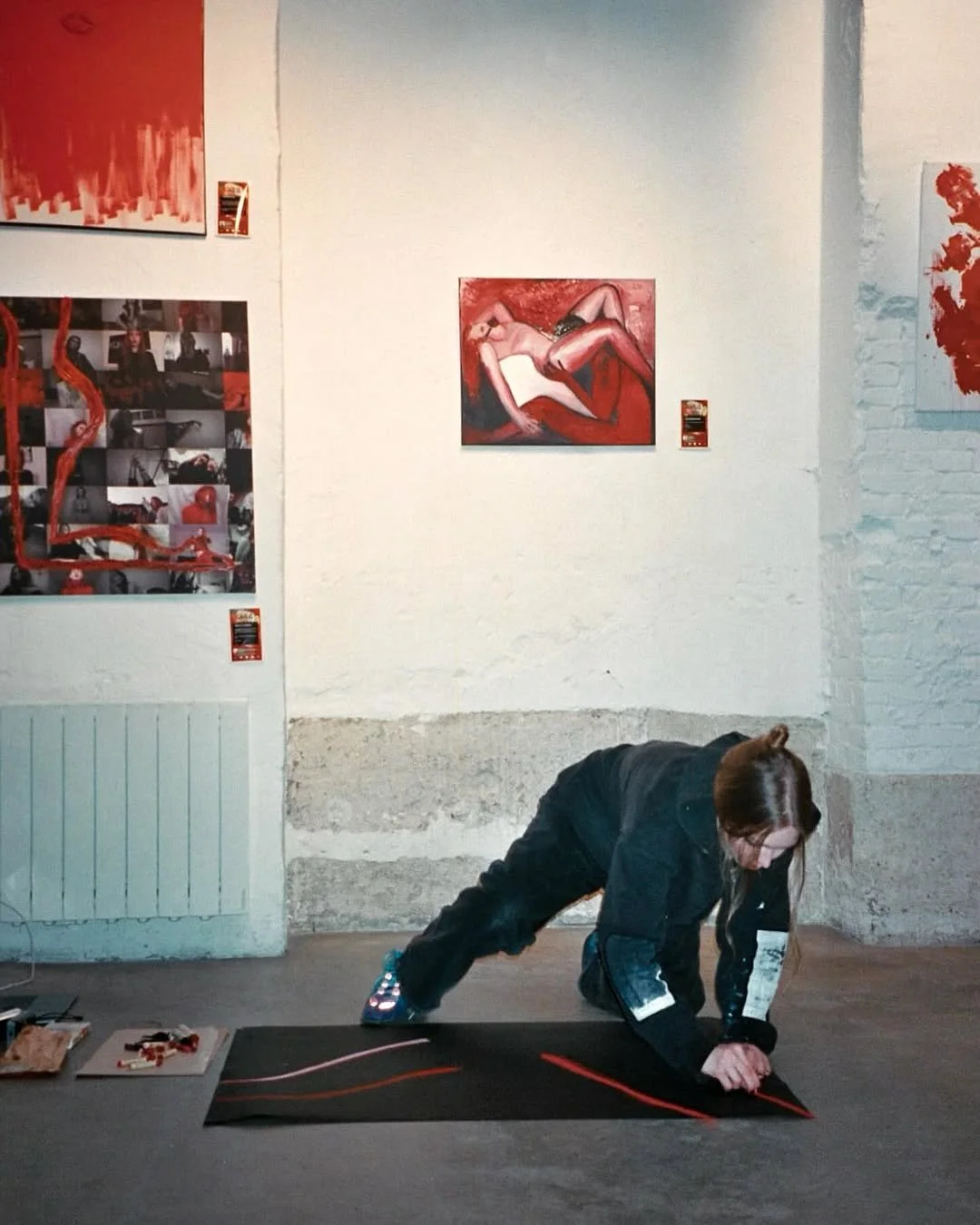
The creative universe of Liza exists far beyond a singular medium, breathing a restless new meaning into legacy spaces through a fusion of hip-hop, high-fashion, art exhibitions, and her published books. Her journey exposes the raw reality of creative migration; from losing pieces of herself during her Moscow-to-Paris transit to documenting personal struggles under her studio lights.
Liza stands as an untamed creative force and a cultural tastemaker. By seamlessly bridging the physical world with the digital landscape, she translates internet culture into raw human emotion. Her work proves that true luxury is not a manufactured product. It is absolute creative autonomy, a refusal to hide your scars, and the courage to own your narrative entirely.
