
The Art of Circularity and Storytelling in Patrick McDowell's Luxury Fashion
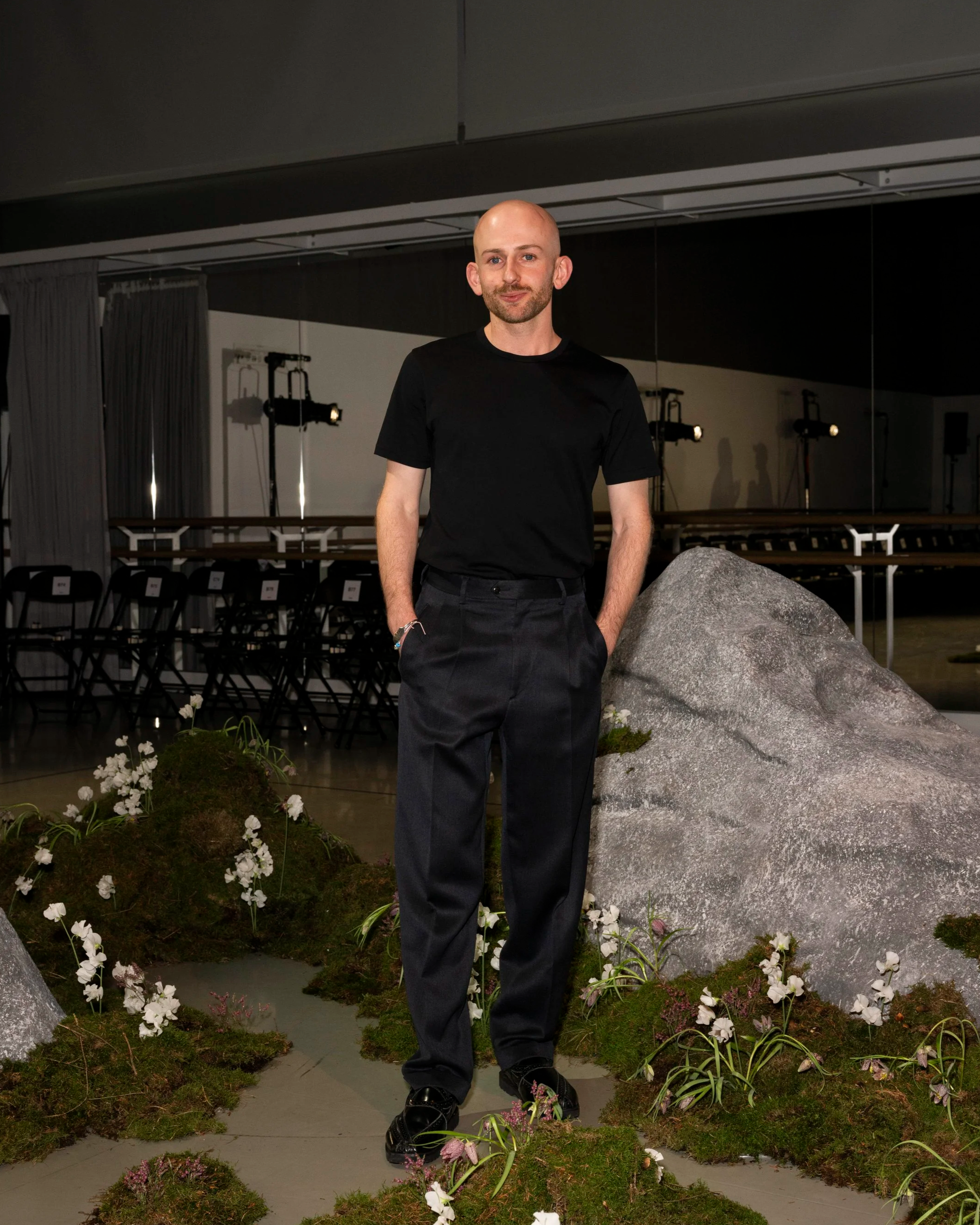
"No other art form is inhabited by the owner. All the arts are observed, whereas fashion is worn"
With these words, London-based independent designer Patrick McDowell captures the magic of fashion: it is an art form defined by its migration. While traditional art is often anchored to a gallery wall, a garment is built to move. It travels across borders and transitions from the sanctuary of a London atelier onto global stages. Whether they are showcasing on the runways of London and Milan Fashion Weeks, advocating for industrial change at the United Nations Headquarters in New York, or shifting culture at the Business of Fashion Voices, Patrick’s work is a masterclass in how design reimagines itself across different spheres of global influence.
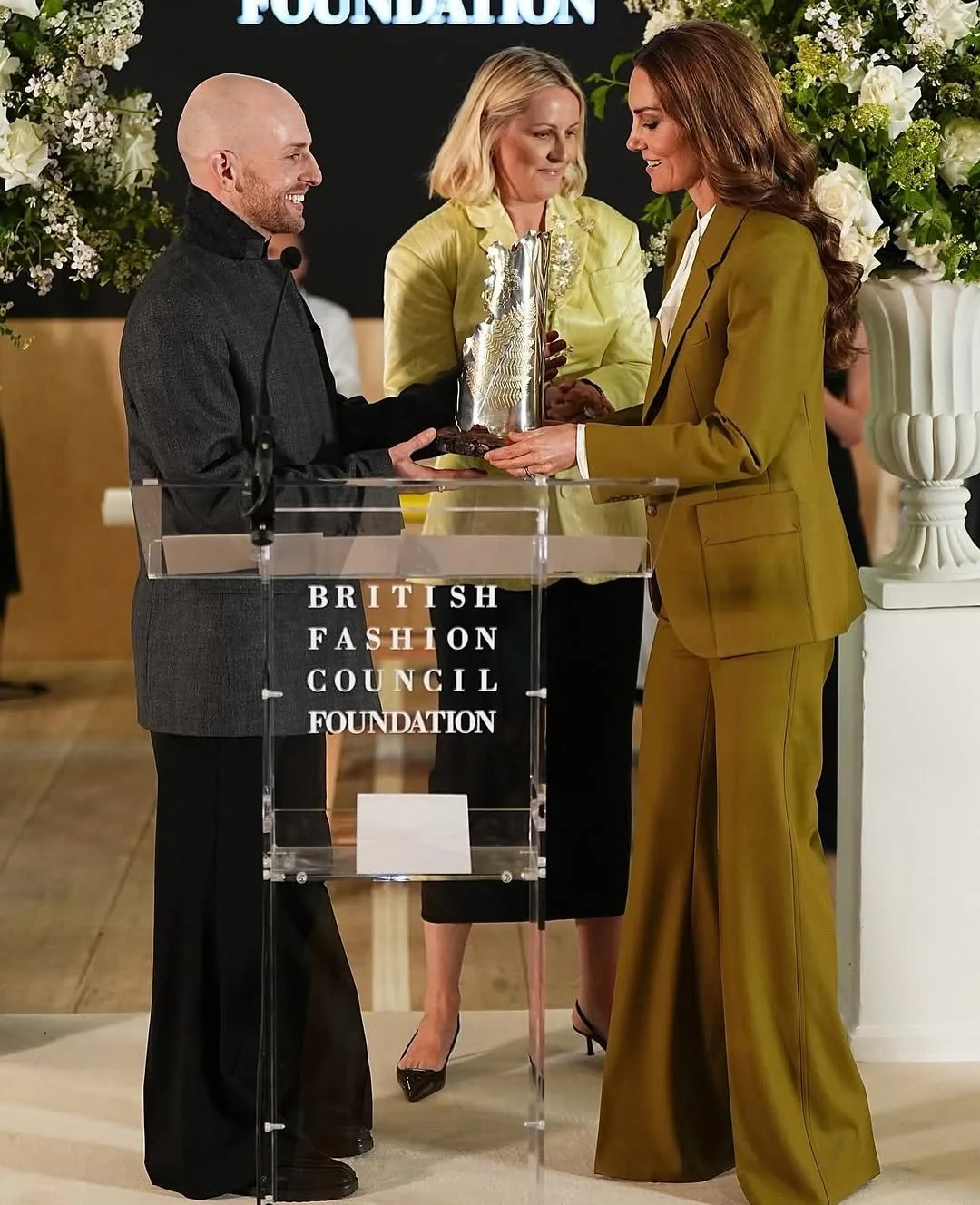
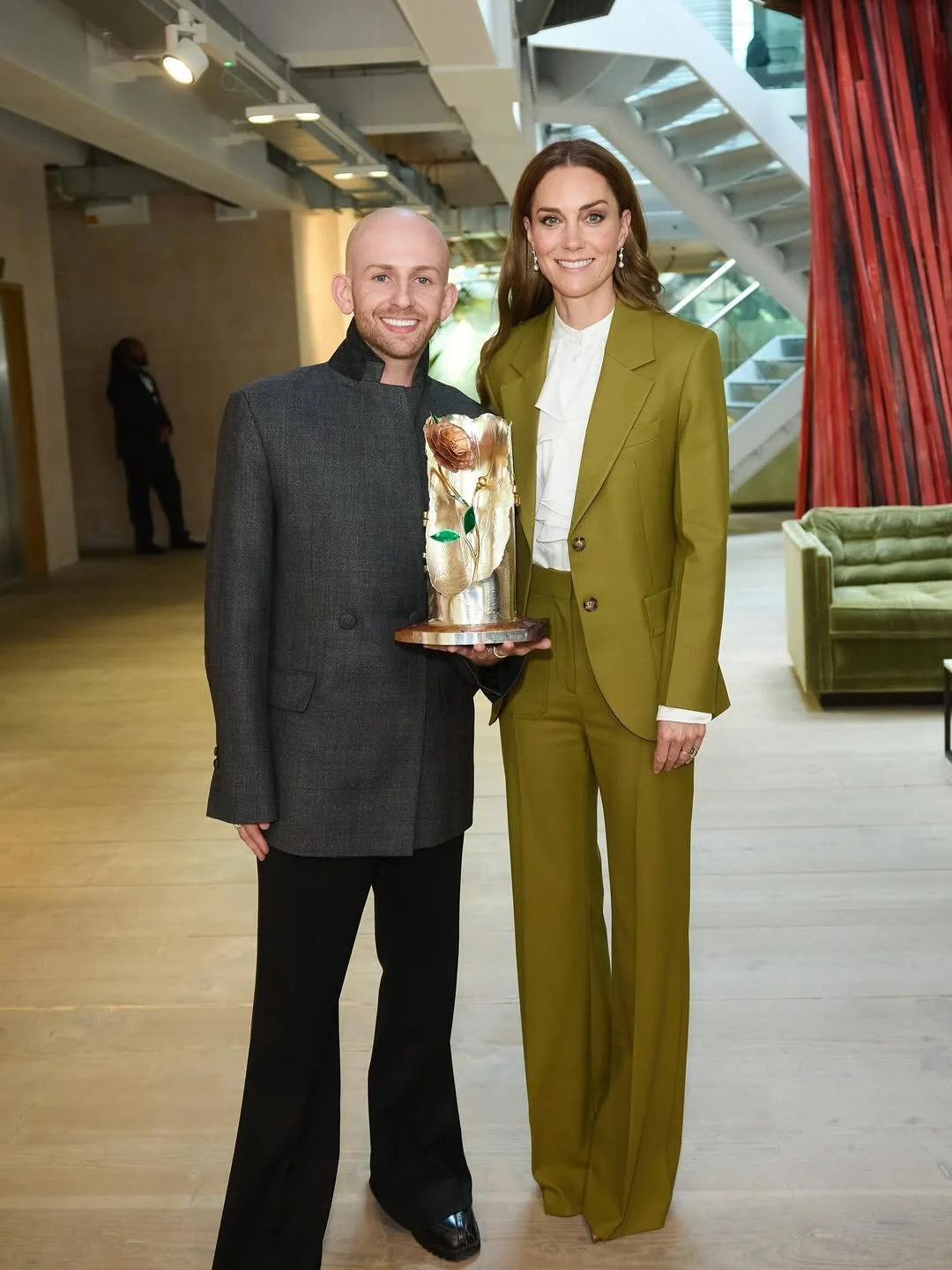
Raised in Liverpool, where upcycling was driven by survival rather than a sustainability statement, Patrick’s perspective on luxury has always been tied to narrative and emotional necessity. Today, as a pioneer of circular design, their vision has earned some of fashion’s highest honours. Named to the prestigious Forbes Europe 30 Under 30 list for their visionary leadership and nominated by Anna Wintour for the Stella McCartney Today for Tomorrow Award, McDowell’s crowning achievement came when they were named the recipient of The Queen Elizabeth II Award for British Design, presented by Her Royal Highness the Princess of Wales.
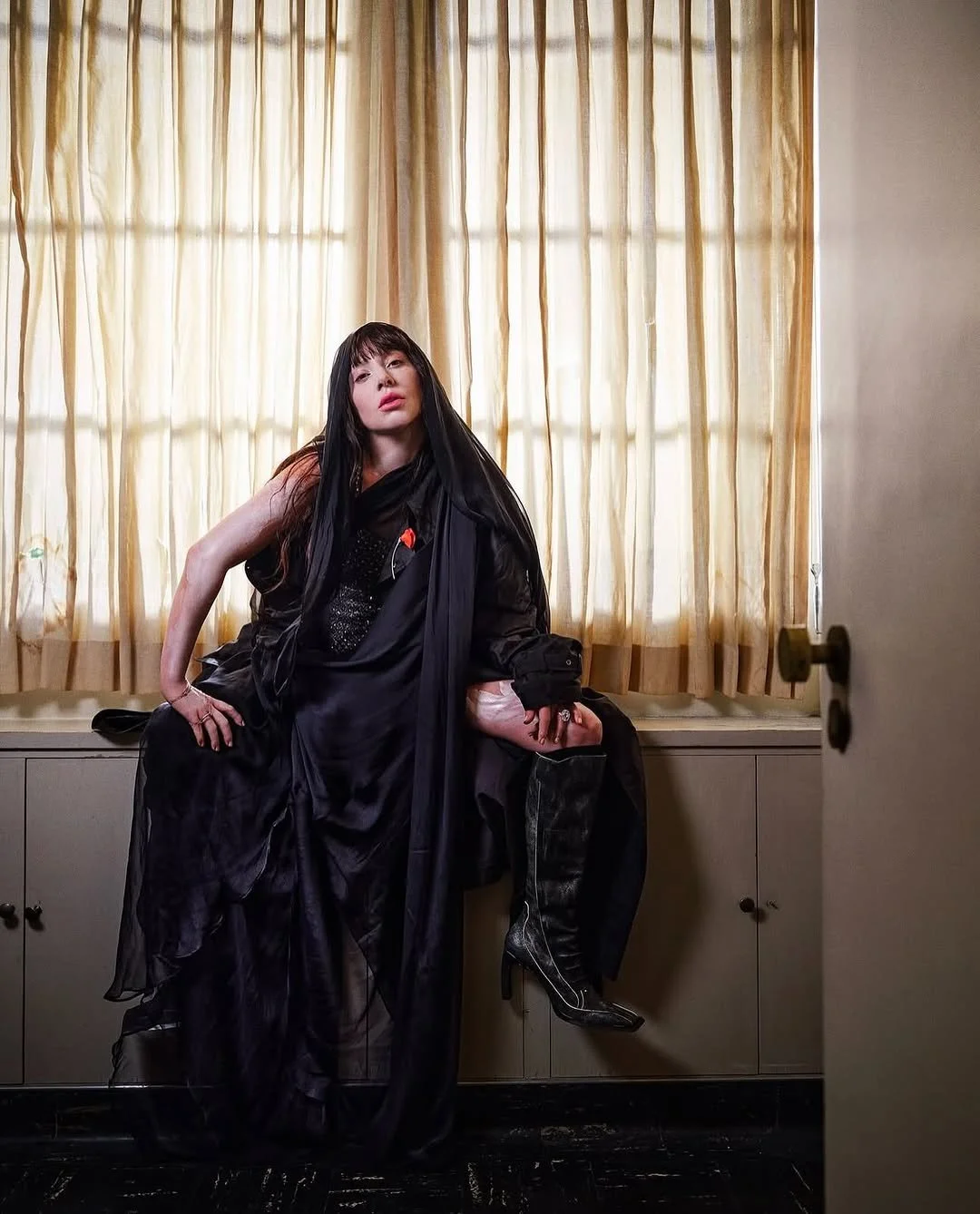
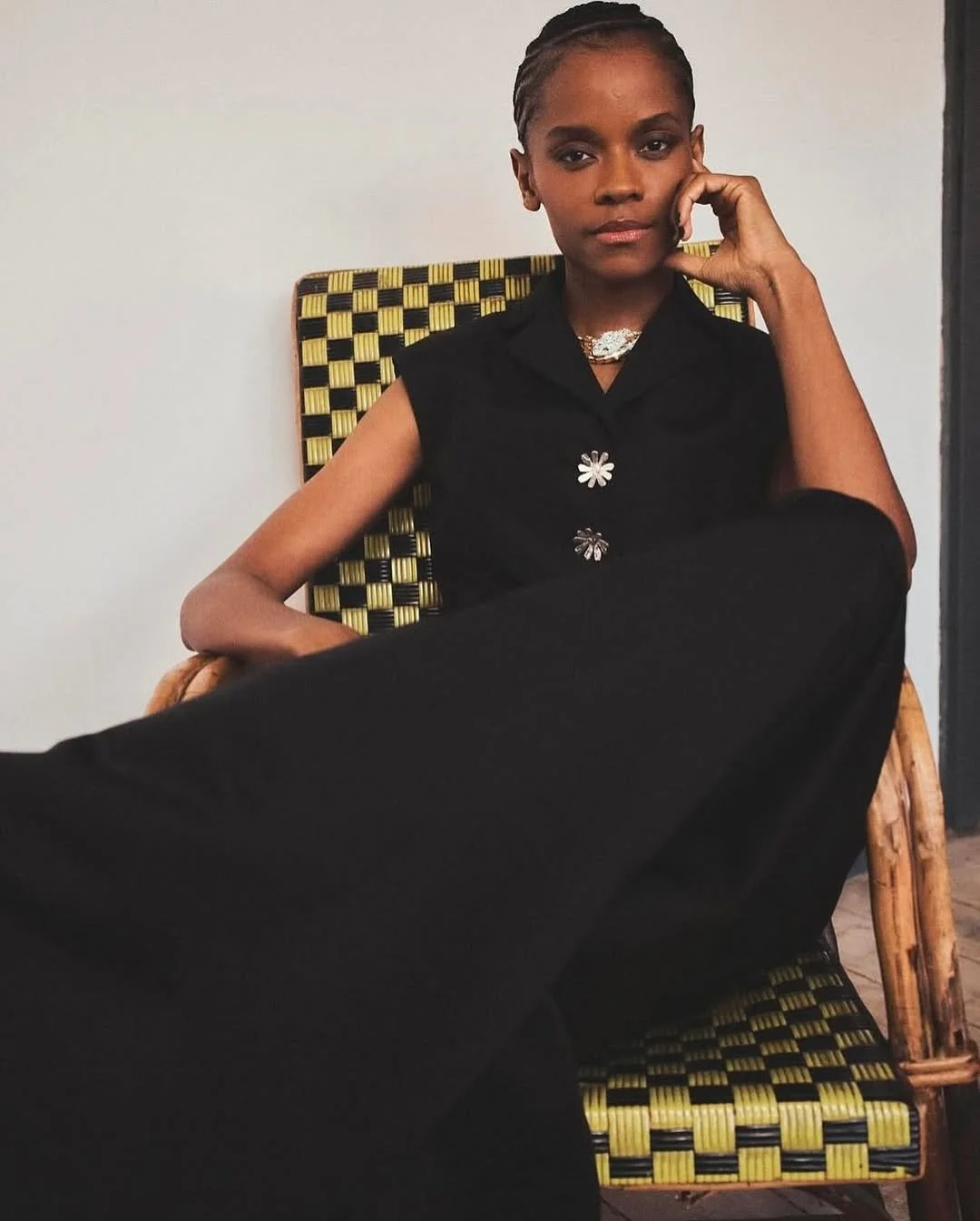
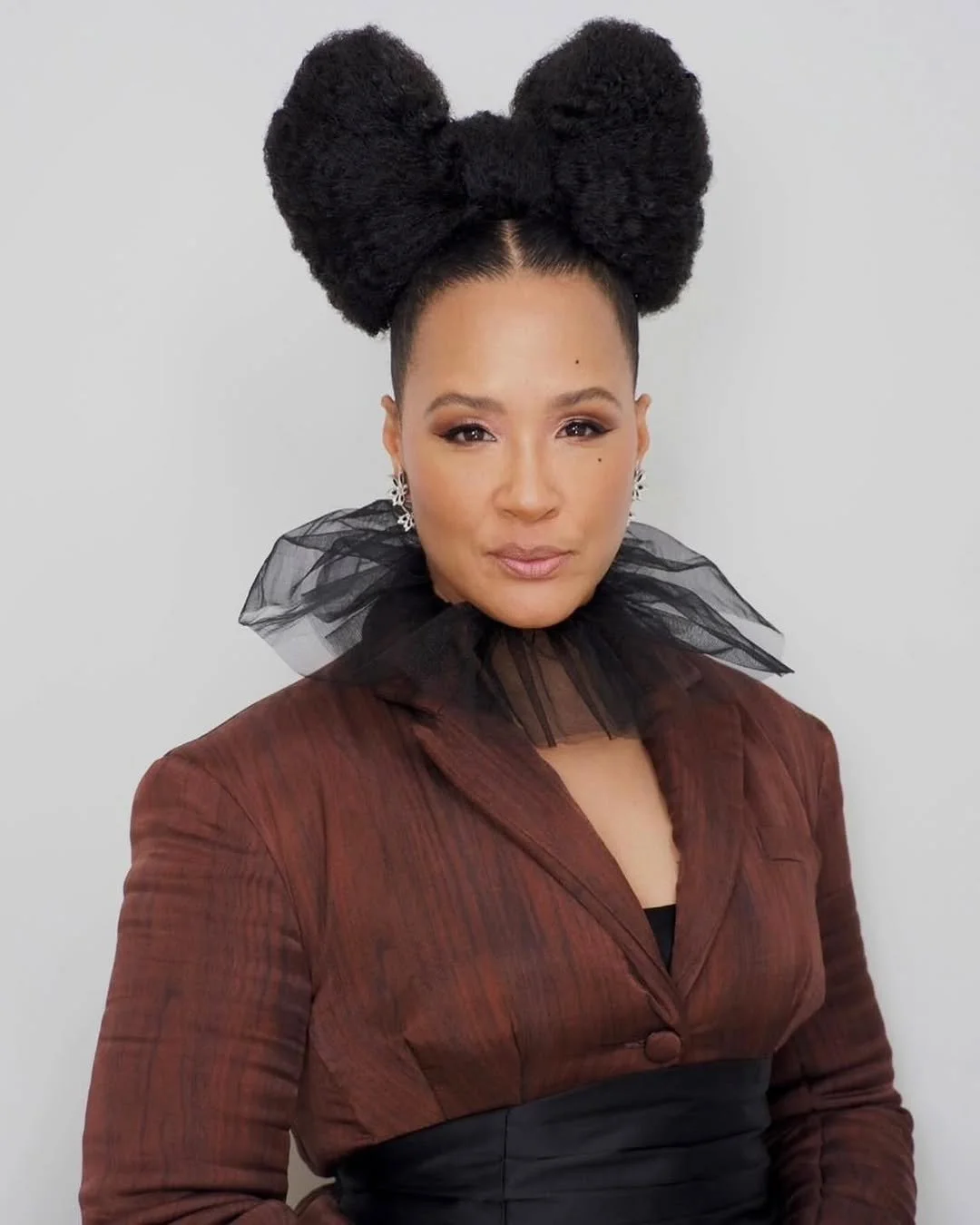
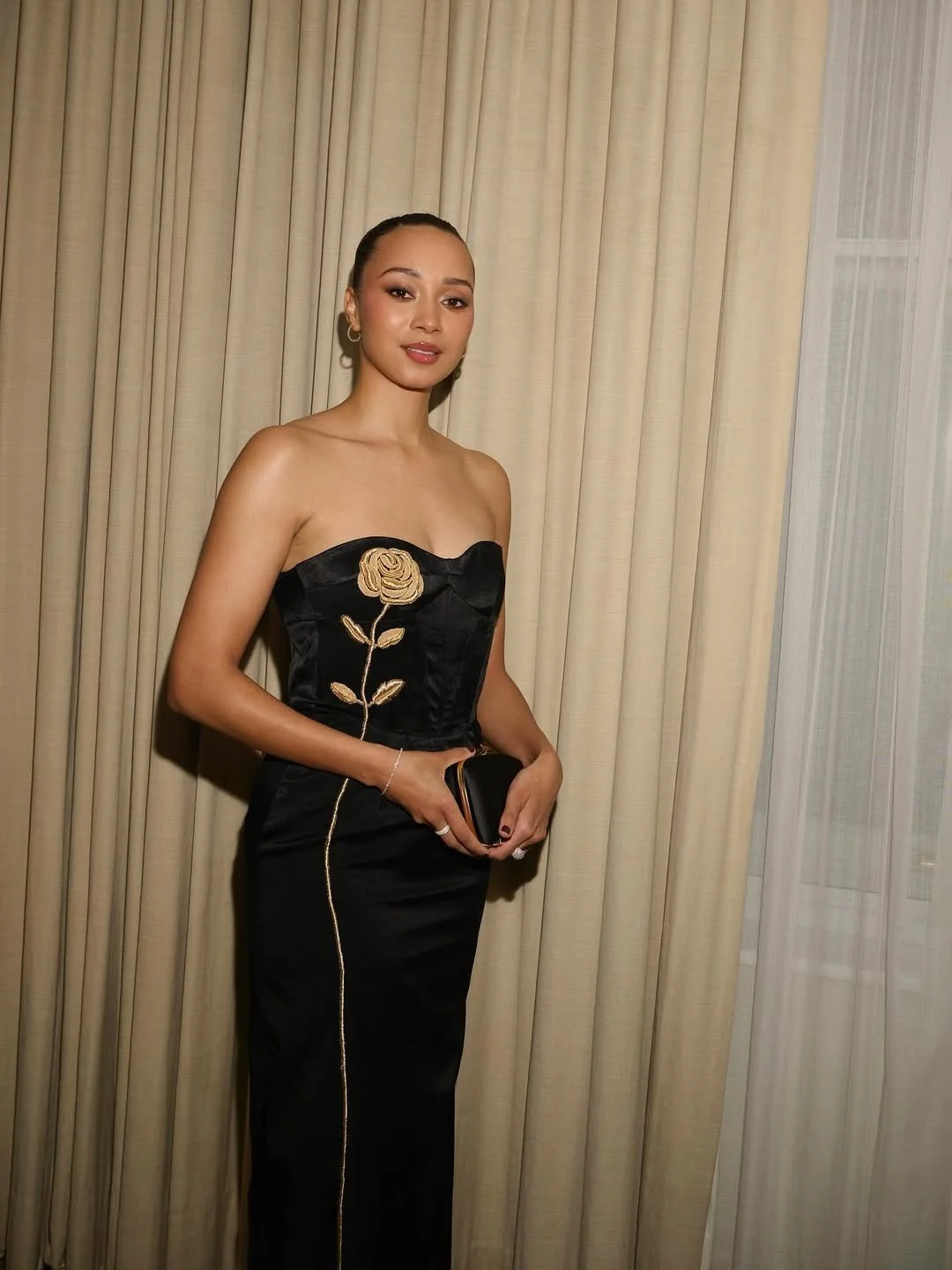
This institutional prestige has allowed their work to permeate the highest echelons of visual culture. Their garments accumulate new layers of meaning the moment they enter the public eye, adopted by style icons of all generations - from the youthful energy of Zendaya and Letitia Wright, to the glamour of Lady Gaga and Kim Cattrall, to the timeless prestige of Helen Mirren, Golda Rosheuvel, and Emma Naomi. Perhaps most famously, their designs migrated directly into pop-culture history when commissioned for Sarah Jessica Parker to wear as Carrie Bradshaw in And Just Like That… McDowell understands that the true life of a garment begins after it leaves the studio. In this exclusive conversation, I sit down with Patrick McDowell to explore how fashion acts as a vessel for shifting cultural contexts, why sustainability needs an injection of theatrical glamour, and what happens to art when it is inhabited by the world.
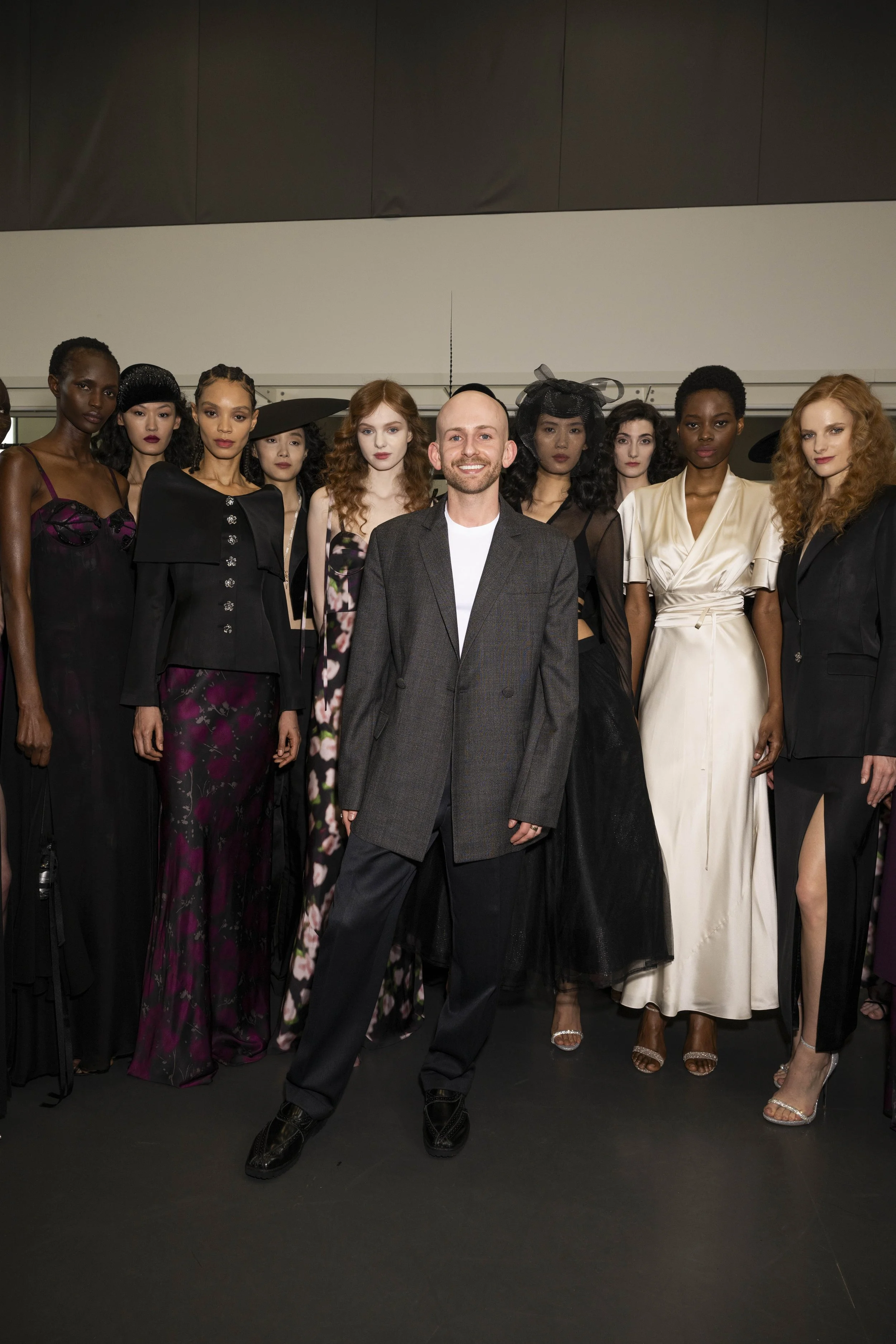
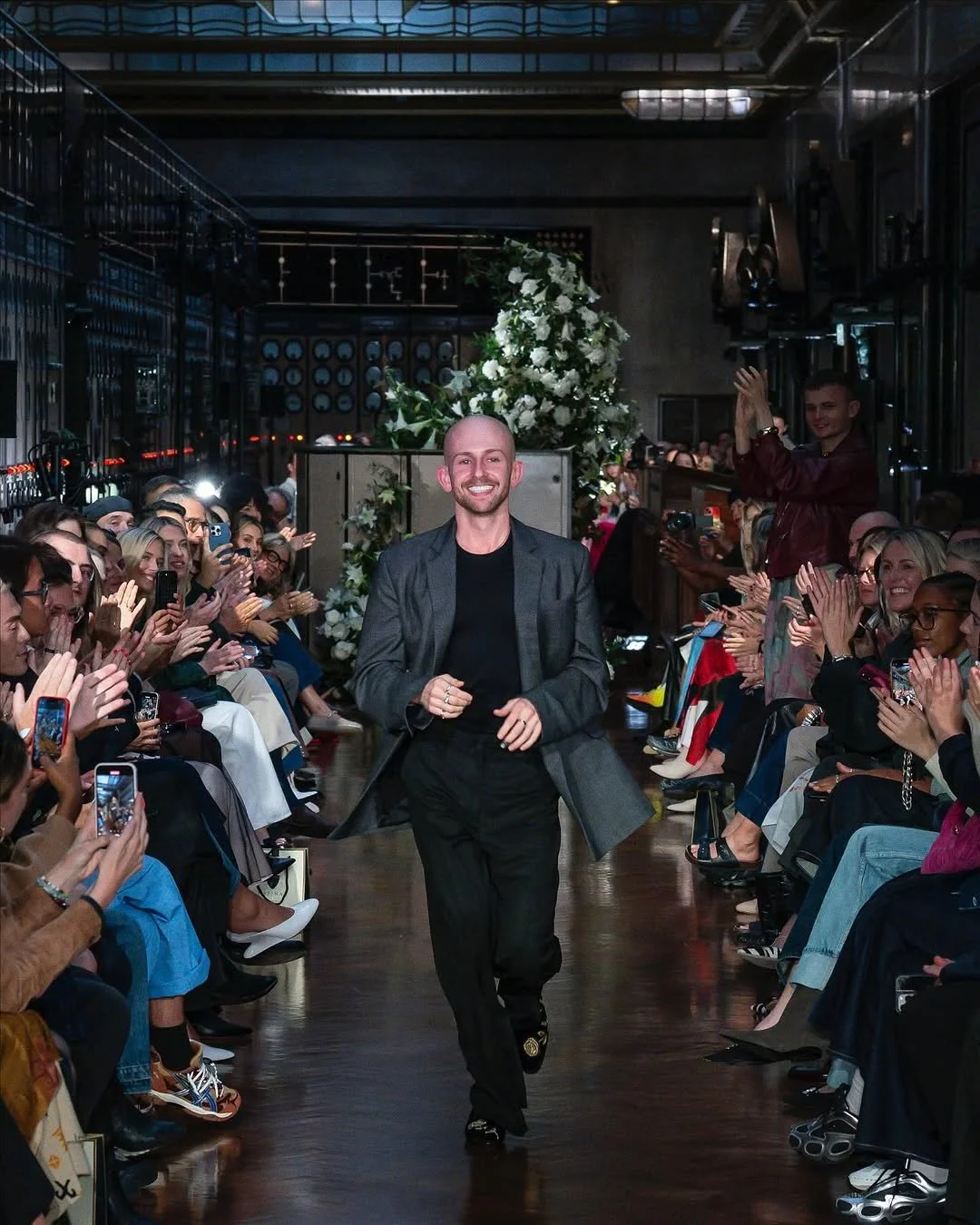
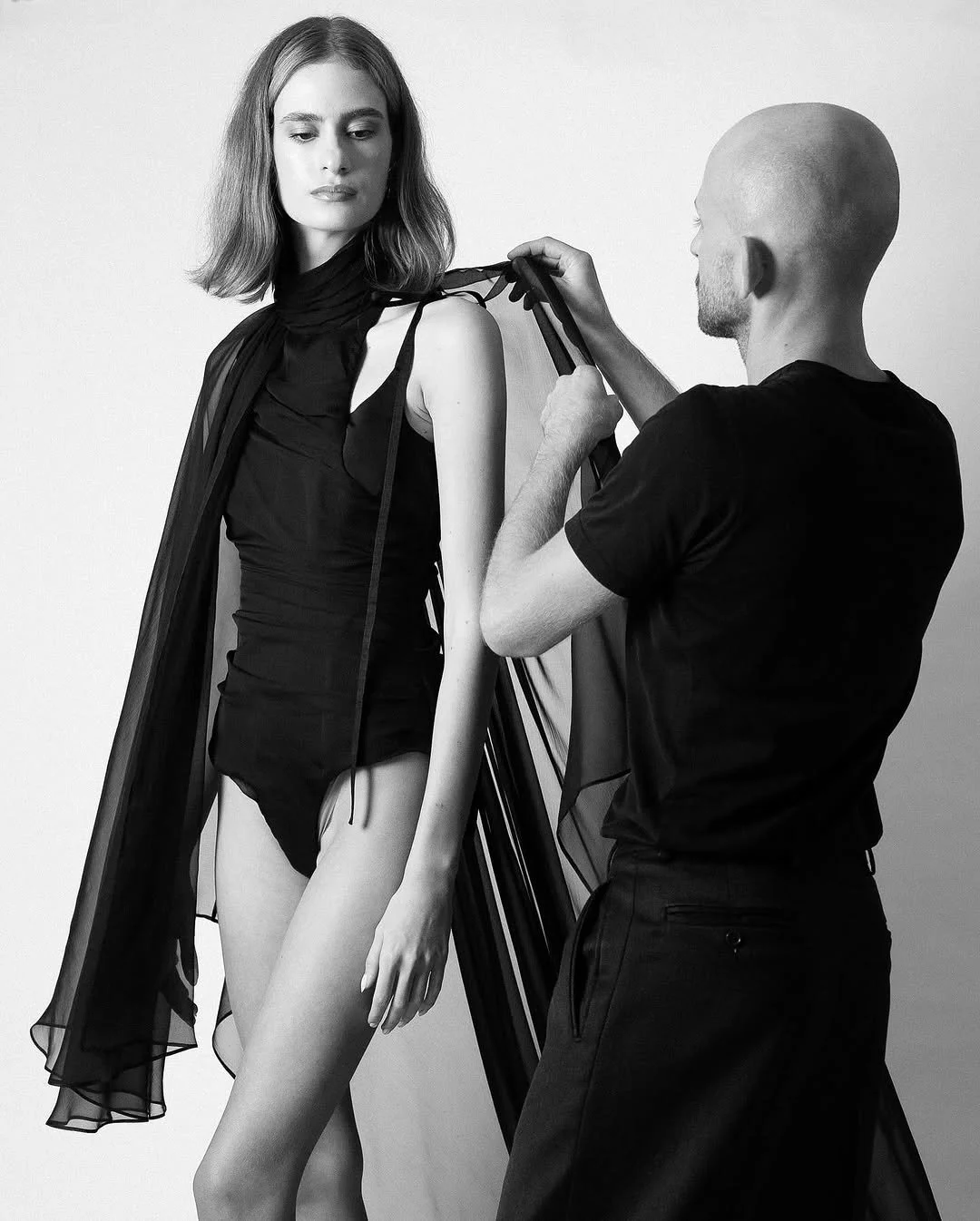
You’ve spoken about growing up in a working-class area of Liverpool where making things from what you already had wasn’t a sustainability statement, it was necessity. Do you think that early experience changed your understanding of luxury?
It made it more meaningful and changed a little bit about my idea of what special means and knowing that you need to build stories and emotions into the pieces you create, which is ultimately why we buy anything.
You’ve operated across London, Milan, Venice and New York — and each city seems to represent a completely different relationship to fashion. Which city challenged your thinking the most, and how have those environments reshaped the way you build your brand?
Venice challenges me the most because it forces me to have a different pace of life – one that I'm not so used to. Let's say, I’m a very quick and early person. Venice is different. I live there part-time now. It's a different approach to life, which is both challenging and helpful. Venice is a small place that has many artists, people and amazing architecture. It’s an incredible place to be as a creative and there are strong support networks for artists. It’s fascinating, and I love seeing different people at work. Aside from that, it's a special place to live, especially because of the water. I grew up by the sea in Liverpool, so it's always nice for me to be back by the water.
Your garments begin in a London atelier but then end up inside spaces like Milan Fashion Week or worn by Sarah Jessica Parker. Do garments themselves accumulate new cultural meaning as they move through different environments?
Yes, for sure. That's the nice thing about clothing - it takes on new meaning when people wear it. That's something you can't control. I can have an idea of how I think these clothes should look, what they should be worn with and what kind of hair, makeup, and shoes they should have. That's what you see at the fashion show.
But in reality, people buy those garments as individual pieces often out of the look from the runway. They're incorporated into their own lives, wardrobes and go alongside pieces that they think are special. That's why clothing is interesting because it’s a different art form. No other art form is inhabited by the owner. All the arts are observed, whereas fashion is worn. That makes it different and special. So, every time anybody wears something, or they go somewhere else, they take on a new meaning and I find that exciting. Because that's what they are designed for. They're designed to be worn and that's completely out of your control as a designer. I think it is nice that people can take them and interpret them in their own way.
One thing I find interesting about your work is that you never present sustainability as something dull or restrictive. There’s glamour and fantasy. Do you think sustainable fashion struggled for years because it was communicated more as moral correction rather than emotional desire?
One of the biggest problems is that people often get too caught up in telling audiences the facts and figures as well as the scary reality of the climate crisis. Which is valid and needs to be told. However, if you're in the business of luxury fashion and wanting people to feel their best, and confident and intoxicated by your creative vision - I don't think that communication style works.
First of all, you must design something that people love. Because if nobody loves it and wears it, it's useless.
Secondly, you must communicate the most special and useful stories around that. They might be about sustainability, but maybe it's about how somebody spent an extraordinary amount of time handmaking your piece or the story of turning wood into a sequin - all those stories which are compelling. All of them can be communicated in a boring way, and they can also be communicated in an exciting way. Sadly, sometimes with sustainability, it has a bad PR job. It could benefit from adopting some of luxury fashion’s strengths in storytelling and desirability. This is ultimately what fashion must be, but for some reason, people seem to forget about that with sustainability. Sustainability becomes this unsexy, dull communication style, and it doesn't need to be. It should be an interesting, useful and exciting story, which is ultimately what we all want from fashion.
That's so true. Last week I attended a sustainability week, and I realised that the communication about climate crisis felt fear-driven. I thought to myself, sustainability should be marketed in a way that inspires and motivates younger generations to engage with it.
Yeah, I love that approach. And it makes people switch off immediately. That's one of the worst things you can do, if people turn away from it. The most important thing is how you can bring them with you on the journey. If the way you're talking about it turns people away from it, you've done yourself a disservice.
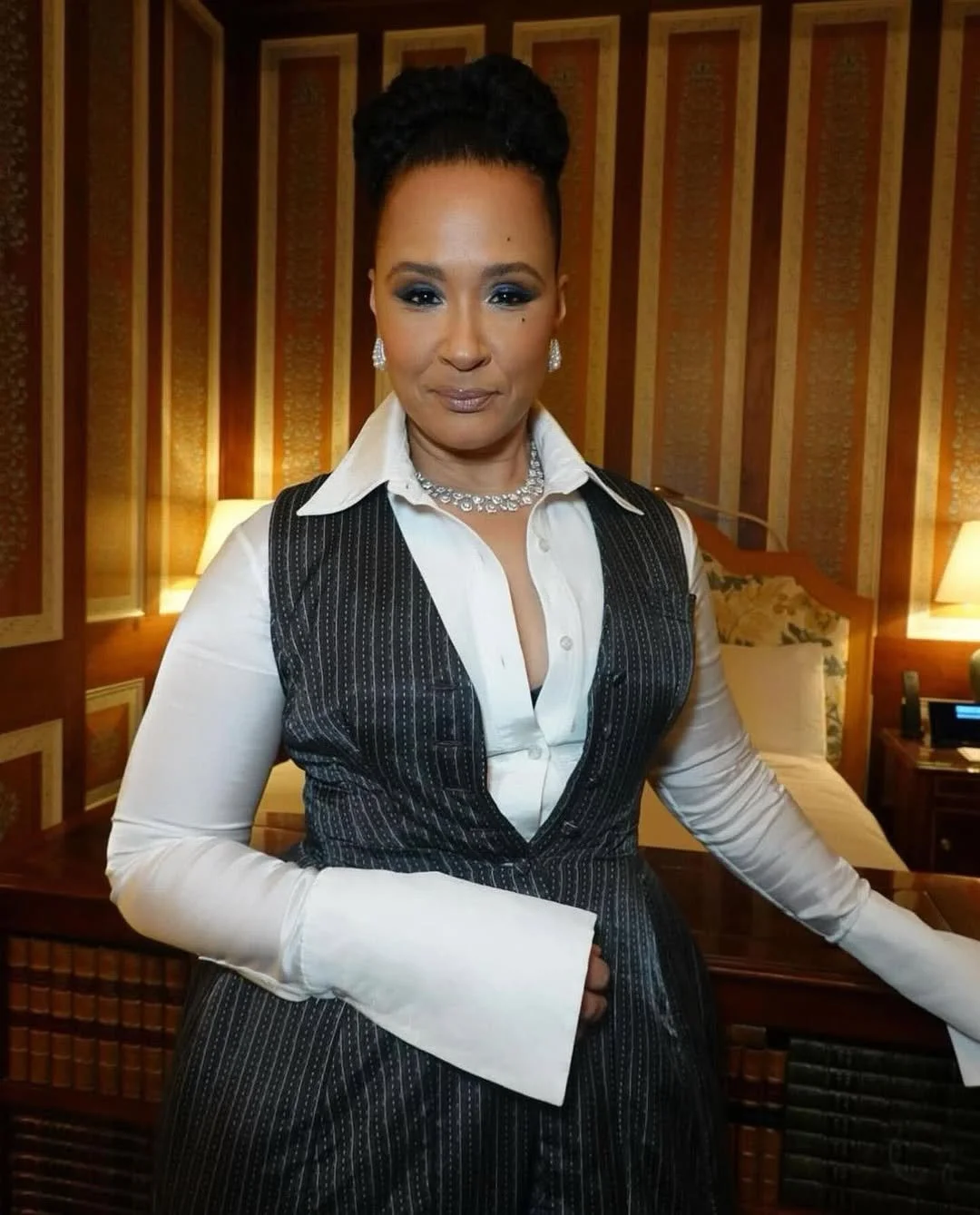
When you received awards like the Queen Elizabeth II Award or the Stella McCartney Today for Tomorrow Award, how does that level of validation change the reality of running an independent fashion business?
It’s been an incredible boost. We are extremely grateful to the Princess of Wales, the Royal Family and the British Fashion Council for that. That award gave us a level of validation with our clients and with the industry as a whole. It’s amazing to see how the Royal Family and the Princess of Wales support British manufacturing and small voices that are trying to do something different. It was a memorable day and one of the highlights of my career.
You’ve dressed figures like Lady Gaga, Zendaya, Letitia Wright, and Sarah Jessica Parker. Do celebrity placements help amplify the philosophy behind the garments?
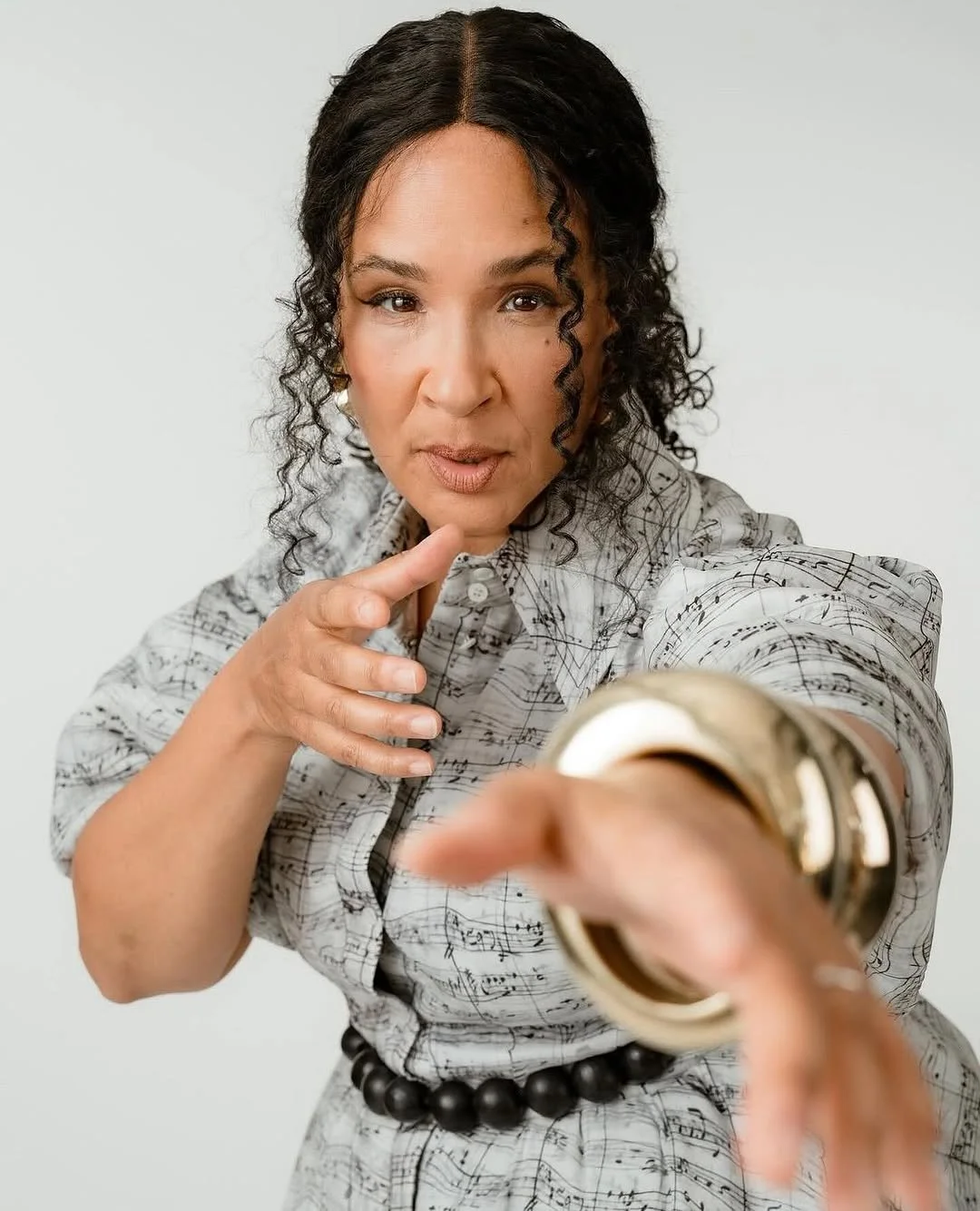
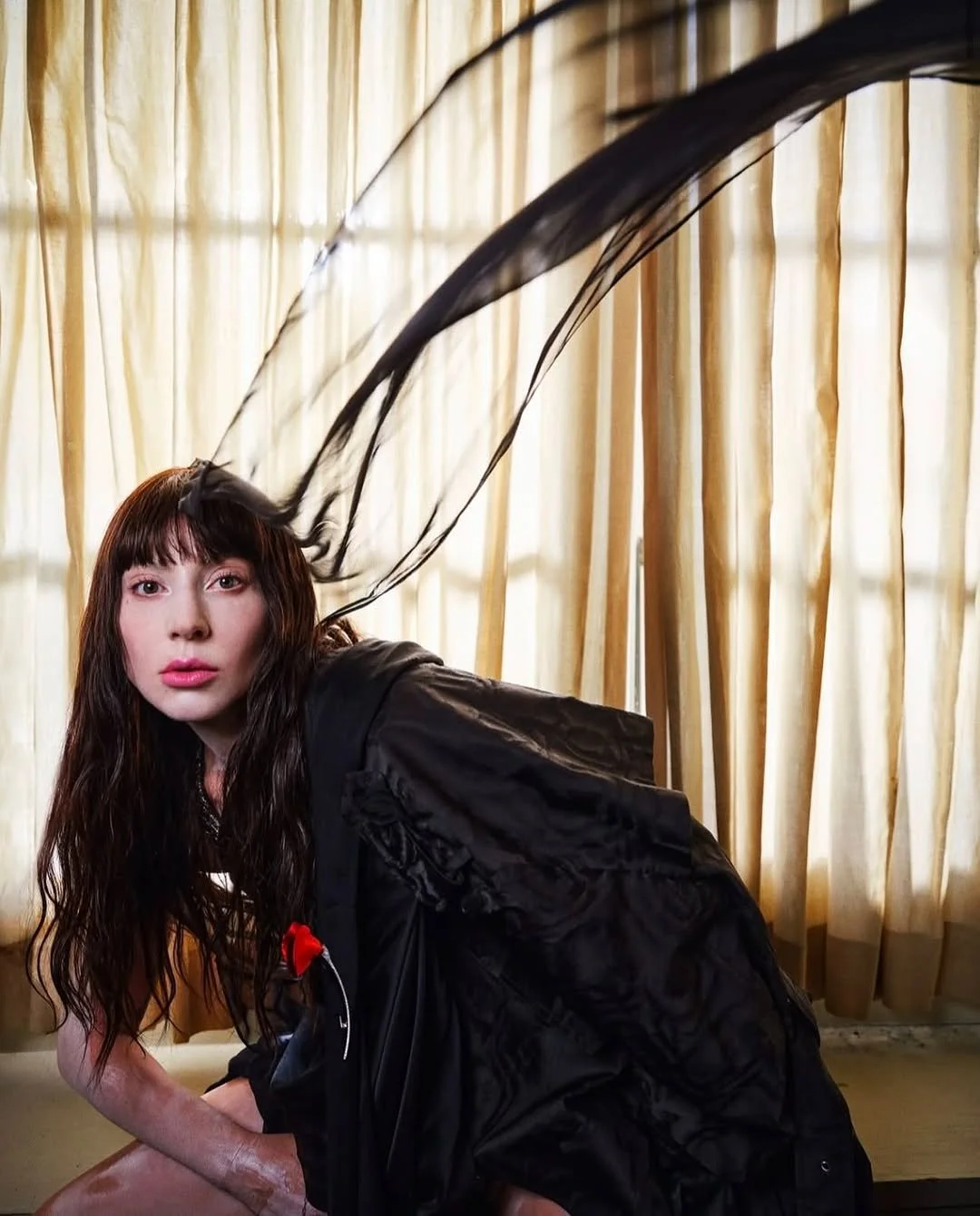
I love seeing all different types of people wearing our clothes. We also dressed Helen Mirren recently, an actress who has had an amazing career. We’ve also dressed Emma Naomi who is in the earlier part of her career and Zendaya, who although has had a remarkable career, is still very young. We’ve dressed Lady Gaga, Sarah Jessica Parker and Keira Knightley – that means a lot to me. We can dress a wide range of women and it's important that the clothes are enjoyed by women of all ages. We're not just designing for 25-year-olds. We’re designing clothes that make women of all ages feel great.
Your public image feels intentional, balancing the roles of designer and educator all at once. In contemporary fashion, do you think designers have to build themselves as visible intellectual figures alongside the clothing itself?
Yes, I guess I speak a lot, maybe more than some of my peers on these kinds of panels. Particularly around circularity and sustainability, it is important that we keep sharing these stories in a positive and inspiring way to encourage people to do it as well. I feel very lucky to have been asked to speak at places like the United Nations, British Fashion Council and Business of Fashion Voices. It’s humbling to be asked.
Do you think the future of luxury is becoming less about scale and more about longevity, and cultural meaning?
Yes, for sure. It’s about what story you’re telling, who's involved, and what worlds have been built. Do I feel a part of that world and included in that club through purchasing your handbag, or your dress? Do I feel connected to a modern and aspirational place that I want to be a part of, which includes incredible people, amazing voices and interesting places? So yes, for sure.
When people look back at your work decades from now, what do you hope your biggest contribution to fashion will be?
It is to show that sustainable fashion can look and feel great. It would be contributing towards education and the furthering of young people in fashion and the next generation of fashion talent.
If you could leave emerging designers with one idea about the future of fashion right now, especially those trying to balance creativity, survival, and responsibility, what would you want them to understand?
I want them to understand that their creative voice is the most valuable and important thing they have. That is something they should continuously develop and foster as much as they can. There's no rush to be the next big star overnight because ultimately bright sparks burn out quickly. It's important to take the time to understand who you are as a creative and what it is you're trying to say as a designer. Find your place in this very busy industry. Grow that intentionally rather than trying to shoot up too quickly because it’s difficult to sustain that long-term.
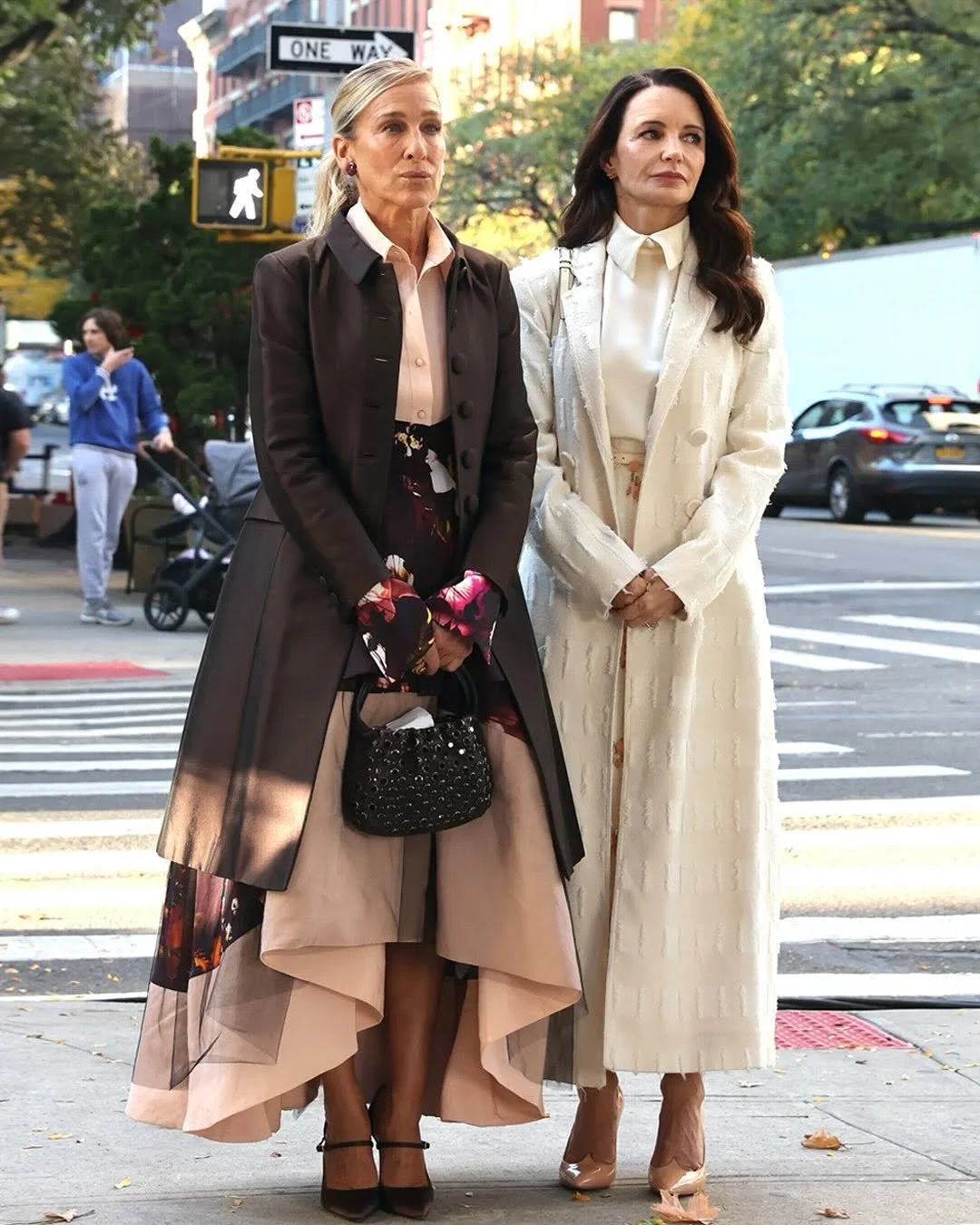
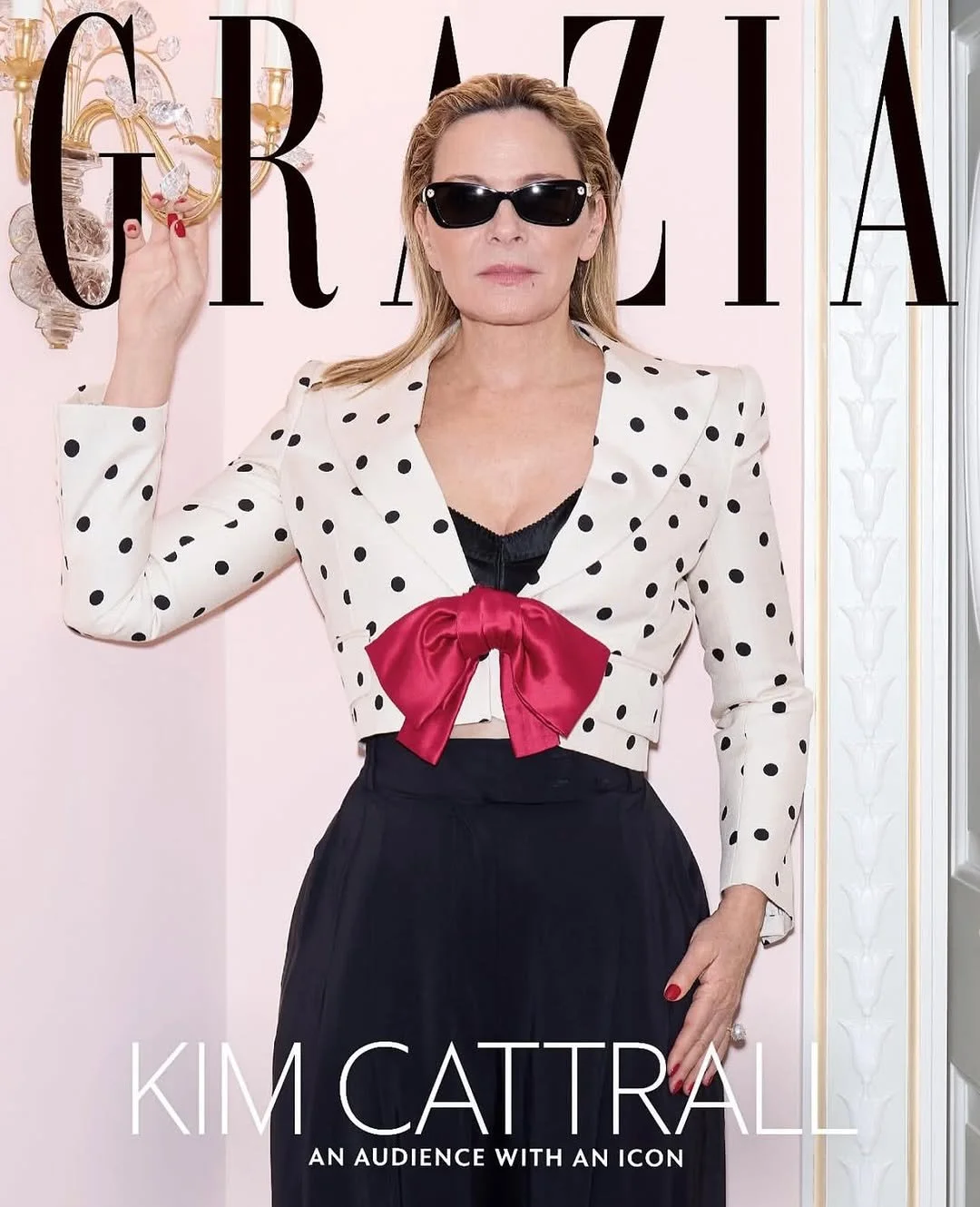
Ultimately, Patrick McDowell’s work proves that fashion achieves its highest state not when it is preserved, but when it is actively lived. It is a philosophy that redefines sustainability, shifting it from a detached, limiting concept into an object of emotional desire. By understanding that a garment’s life begins after it leaves the atelier, McDowell welcomes the loss of control that terrifies traditional artists, allowing global wearers to become true co-creators.
As these designs continue to migrate across platforms, they stand as proof that fashion can be both deeply responsible and intoxicatingly glamorous. Patrick McDowell leaves emerging talent and luxury houses alike with a powerful blueprint: a reminder that the ultimate value of fashion lies in the intimacy, longevity, and cultural meaning that deepens every single time a garment is worn.
