
Bravery is Beautiful: Inside NTWANA
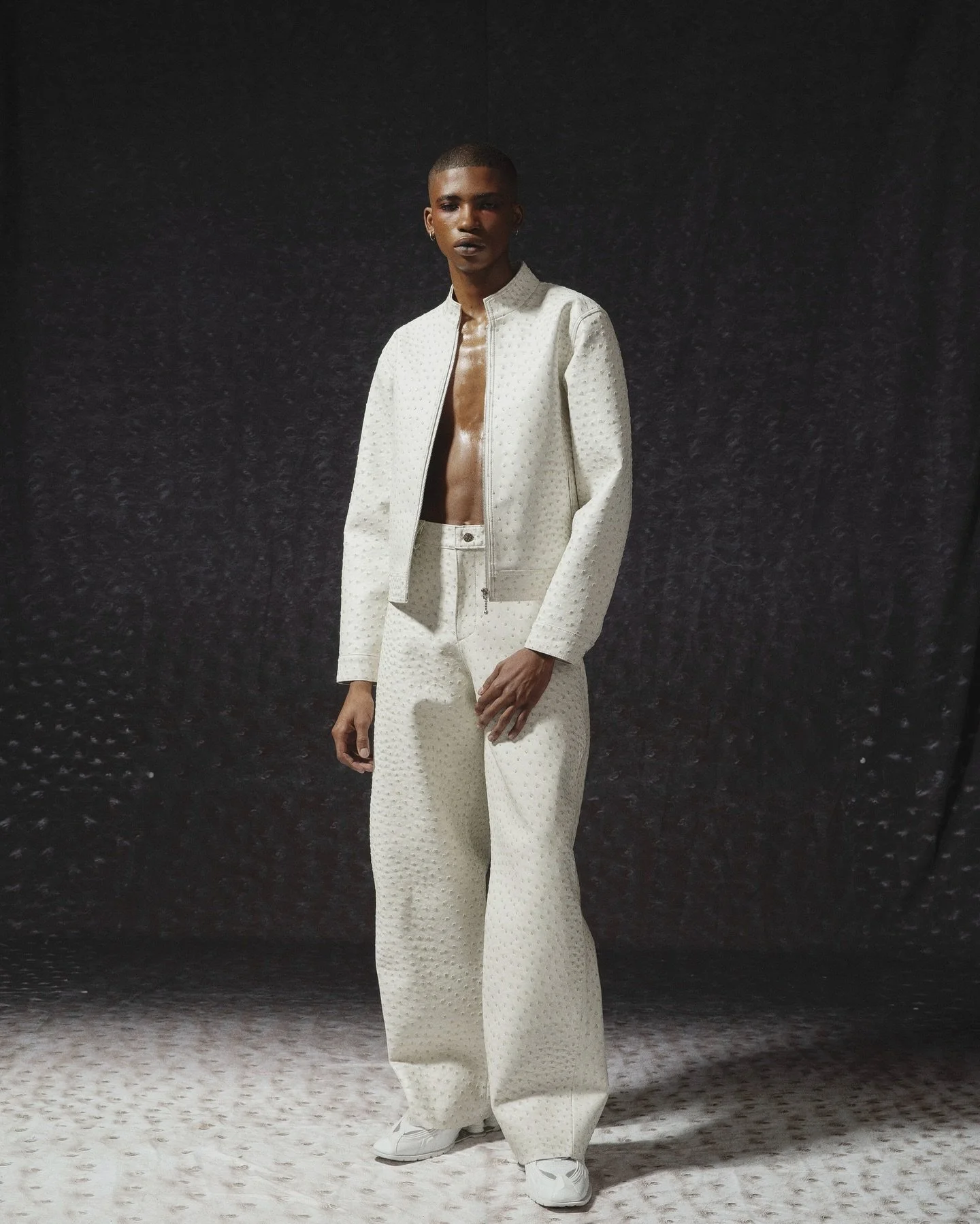
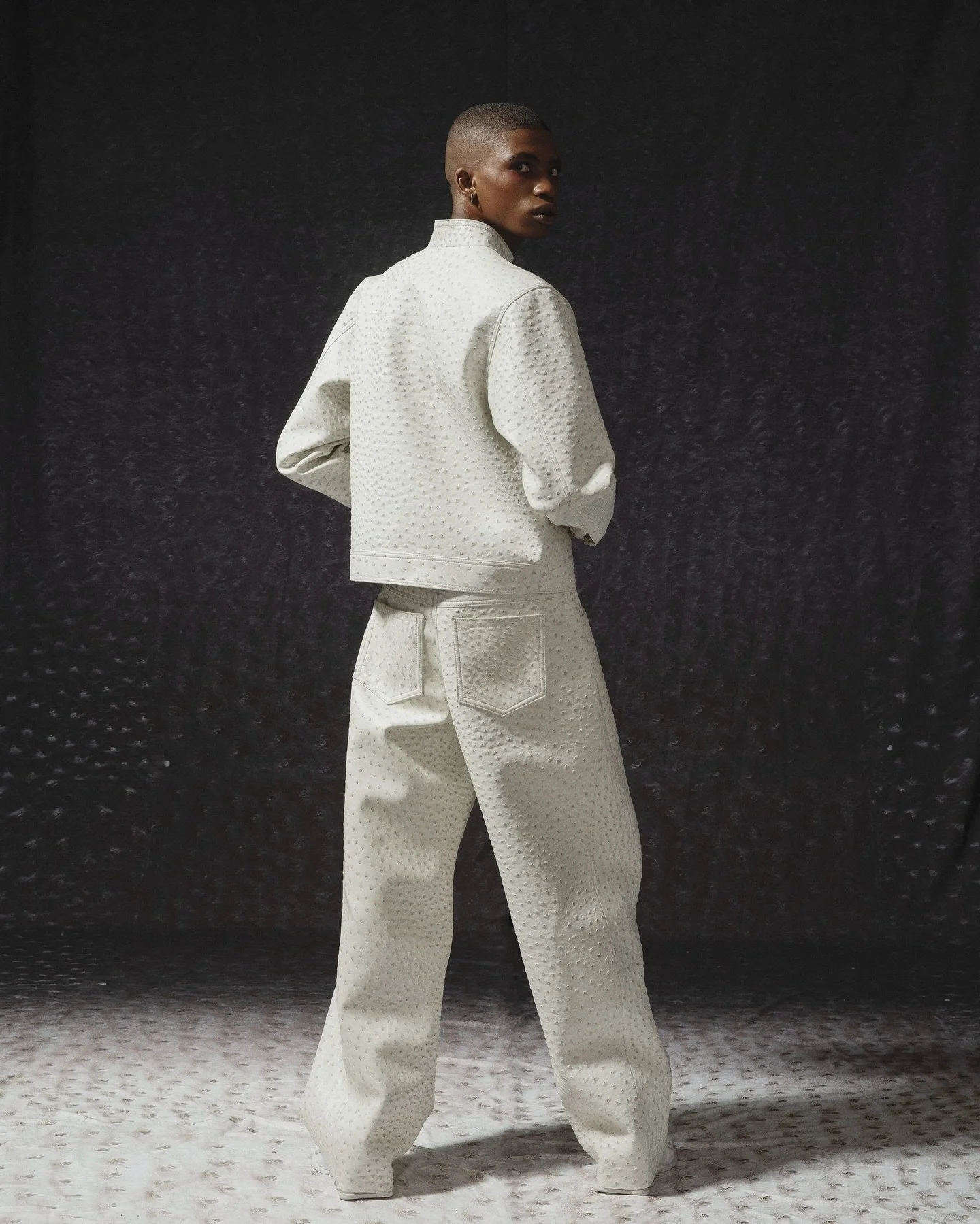
A new generation of South African designers is broadening the language of luxury. NTWANA is a Johannesburg-bred luxury brand co-founded by Mikhail Brown and Mmiso Luphondo. Emerging from the intersection of underground techno culture and raw South African reality, the brand translates the informal warmth of a township greeting "Sho Ntwana" into garments that function as emotional armour. What began as a niche passion project has ignited a cultural breakthrough. NTWANA's signature ostrich-textured trench coats completely sold out at launch, transforming the label from an underground secret into a successful global export. By capturing immediate retail demand from Cape Town's elite Duck Duck Goose to the fashion capitals of Berlin and Paris, NTWANA proves that uncompromising, logo-free luxury is a powerful business model.
From earning the immediate co-sign of couture icon Rich Mnisi as their first-ever customer, to dressing a collective of trendsetters like Maglera Doe Boy, Kefilwe Mabote, and Davido, they have developed a distinct look where underground luxury meets the modern spirit. In this interview, NTWANA unpacks the blueprint of self-funded success and why true luxury requires a dedication to technical mastery and intellectual honesty.
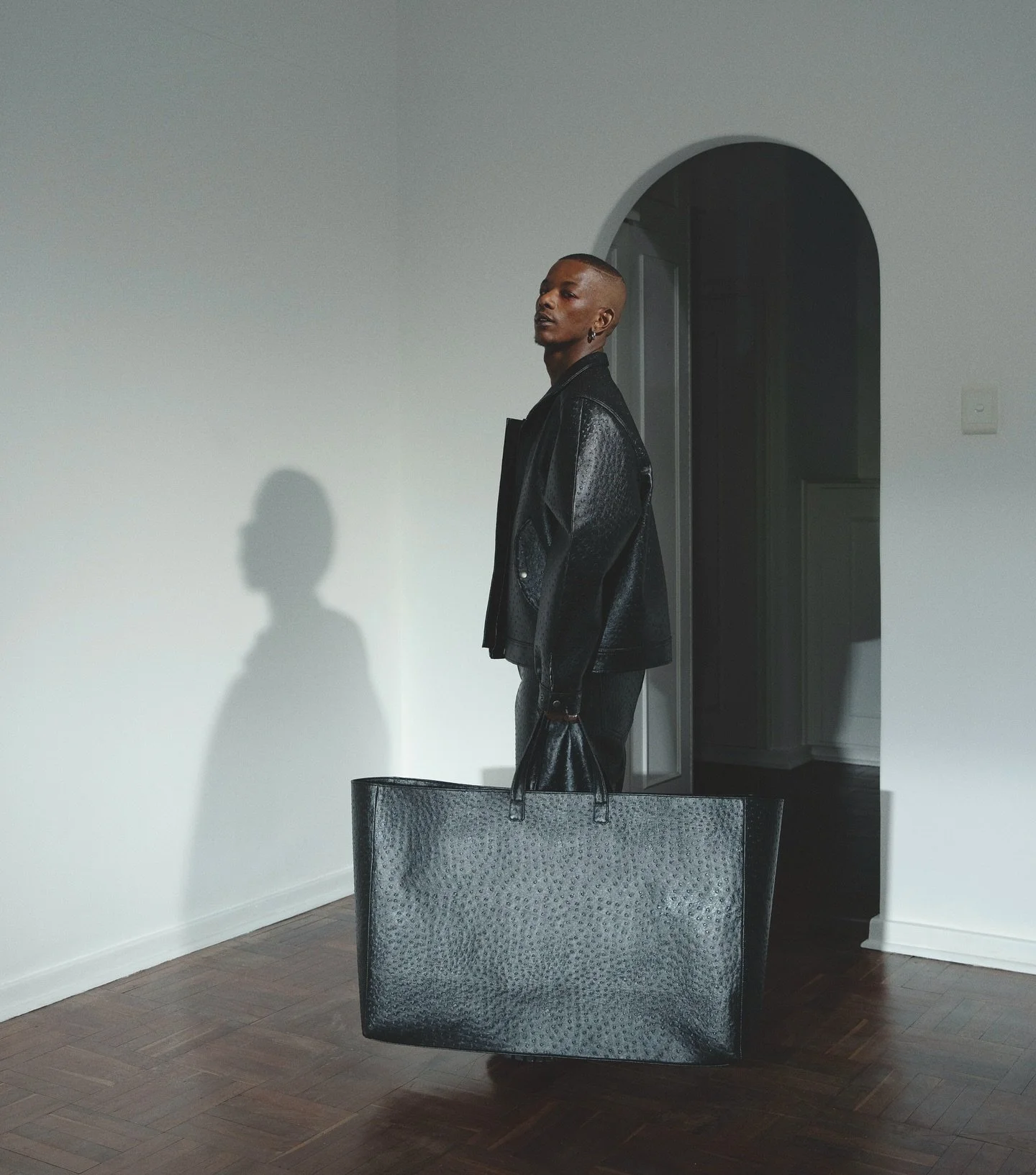
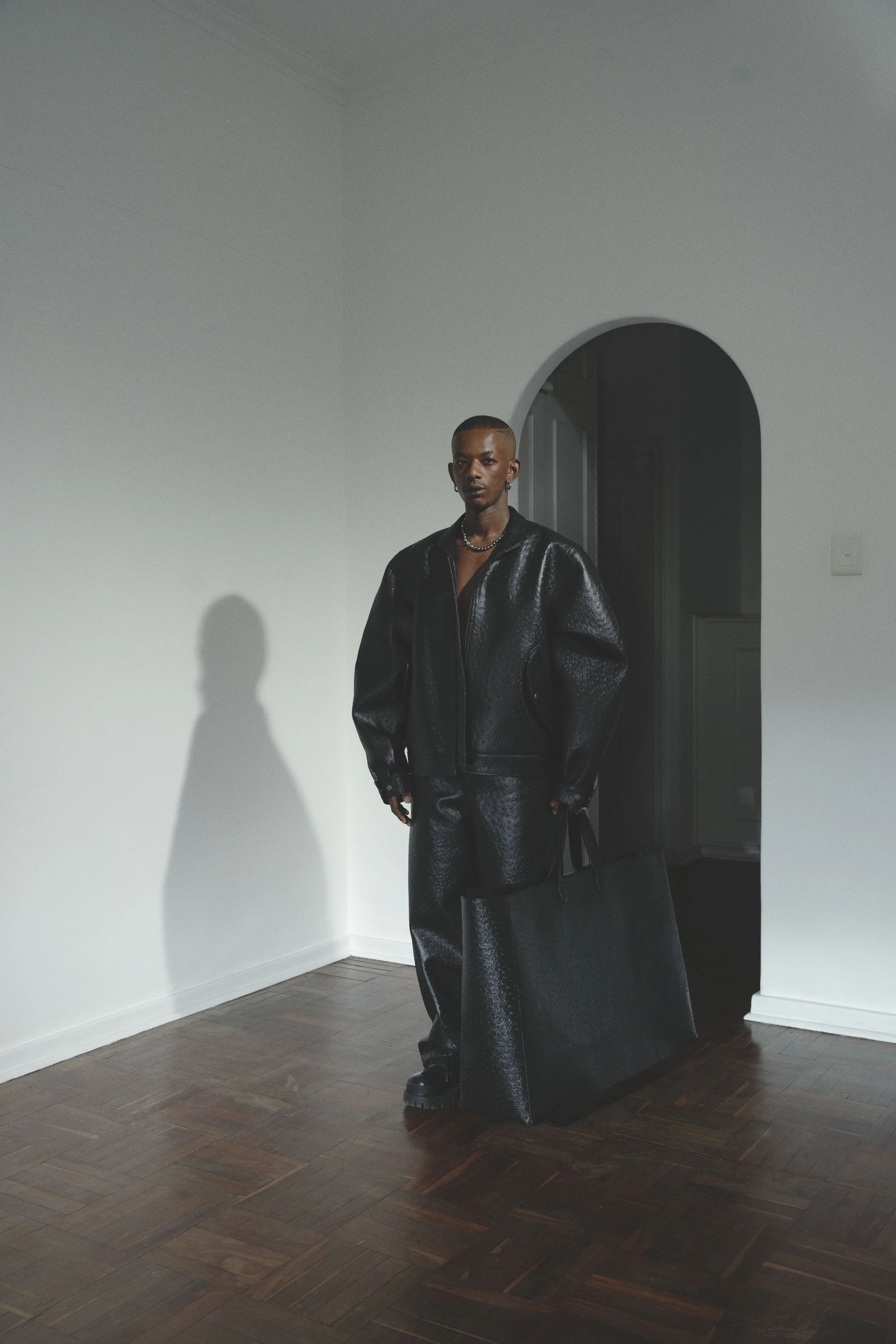
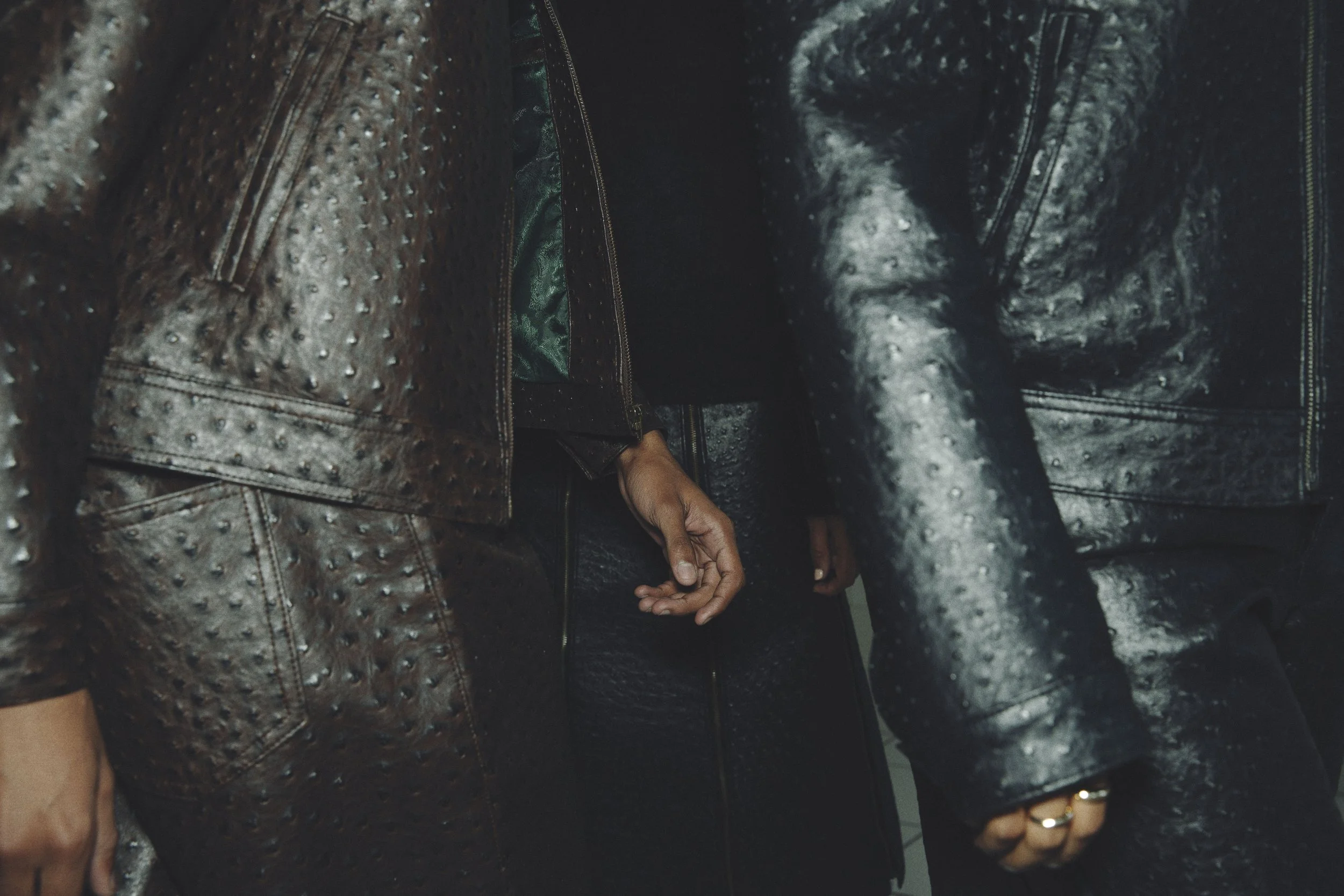
Global fashion often expects African brands to be full of bright colors and prints, but you went completely the opposite way with dark, heavy, and moody styles. What drove that choice?
I consider myself to be quintessentially African. I'm from South Africa. My parents were freedom fighters involved in the struggle, and I've been politicised from birth. Because of that, my sense of African identity has never been in question. But I don't agree with the one-dimensional, boxed-in understanding of what South African style and culture is. We're not a monolith. NTWANA’s darker aesthetic represents the kind of scene that I come from which is the underground scene. I don't listen to Amapiano. I listen to techno, and I party where you're not allowed to take photos. However, that doesn't mean I'm less African. I would say it's a representation of real life. Not everyone in South Africa wears bright colours. Most people in my world wear dark colours. Many wear black almost exclusively. It’s a representation of my African experience.
Your brand name comes from the street greeting 'sho ntwana.' How do you bring that casual, everyday street energy into the world of high-end luxury?
With the kind of stereotypical understandings of what's appropriate in terms of occasions and settings to wear high-end clothes - I've never wanted to go to the polo to wear high-end clothes. I want to wear high-end clothes at the rave. I want to wear high-end clothes at brunch. I want to wear designer clothes going to the grocery store, going to have coffee, going to a party. The name ‘Sho Ntwana’ comes from how Miso and I address each other. I liked it as a name because it's quintessentially South African. It has both a formal meaning and colloquial meaning. It ends in an A vowel, which is very important. If you think about all the big brands, they either end in E or A - so Prada, Balenciaga, or Fendi, Gucci. I felt NTWANA was a convenient and appropriate name for what it is. It's high-end clothes.
I love the name because, colloquially, everybody understands what it means. But you're taking something that people can resonate with locally and bringing it into the luxury world.
Even though I love Berlin, Paris and New York, I don't want to be a brand that is so removed from home. NTWANA goes back to what I said at the beginning - this is a South African brand. Maybe for international audiences and even local audiences, expand your idea of what being South African is, and it will make more sense.
You’ve described your clothes as 'emotional armor' rather than just items to show off. When people put on a NTWANA piece, how do you want them to feel?
I want them to feel how I felt when I first wore NTWANA. When I designed the coat, I just wanted to get into Berghain, the club in Berlin. It made me feel like I could walk into any room with confidence, and I did. Berghain is an exclusive techno club where entry is determined by a simple yes-or-no vibe check.
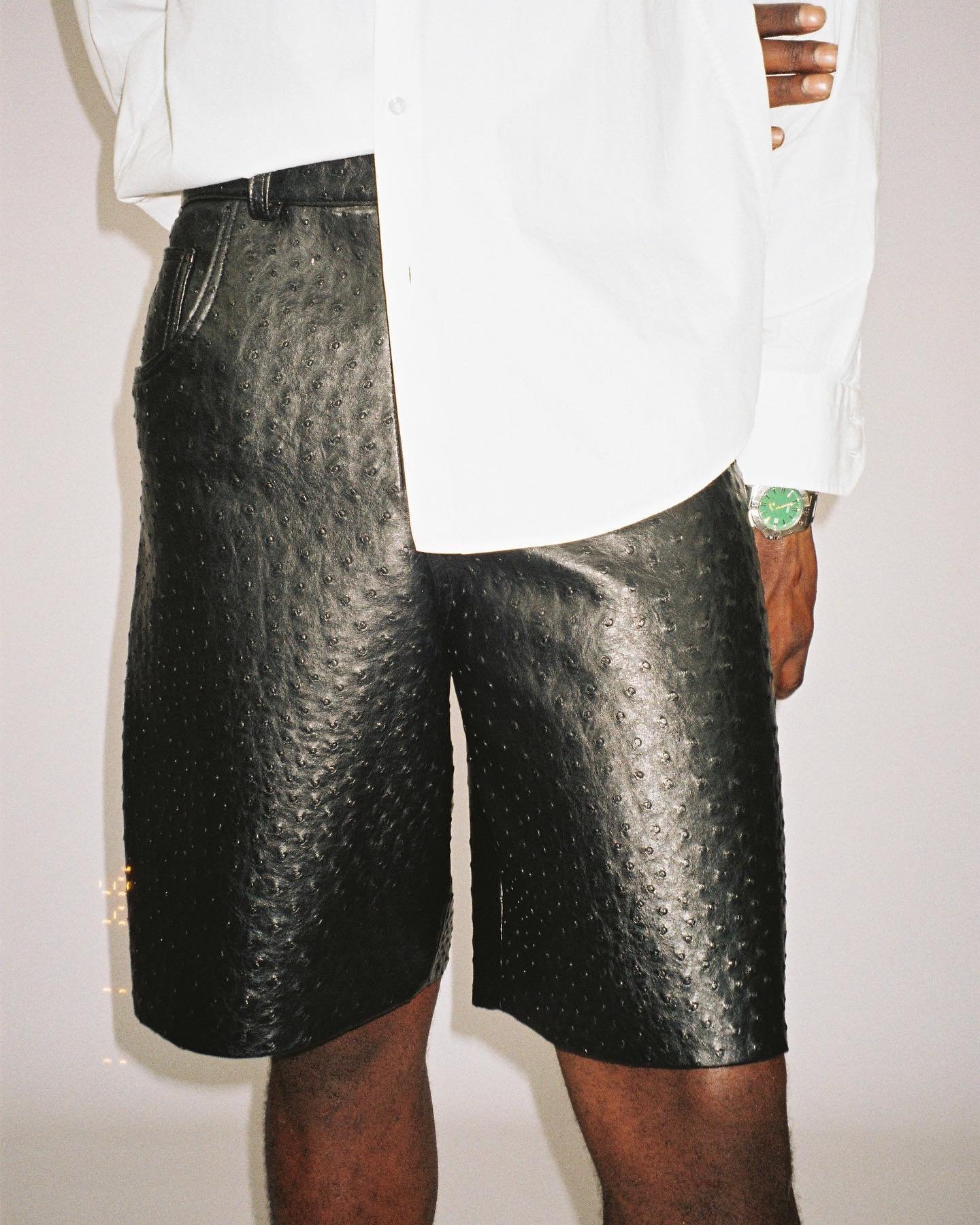
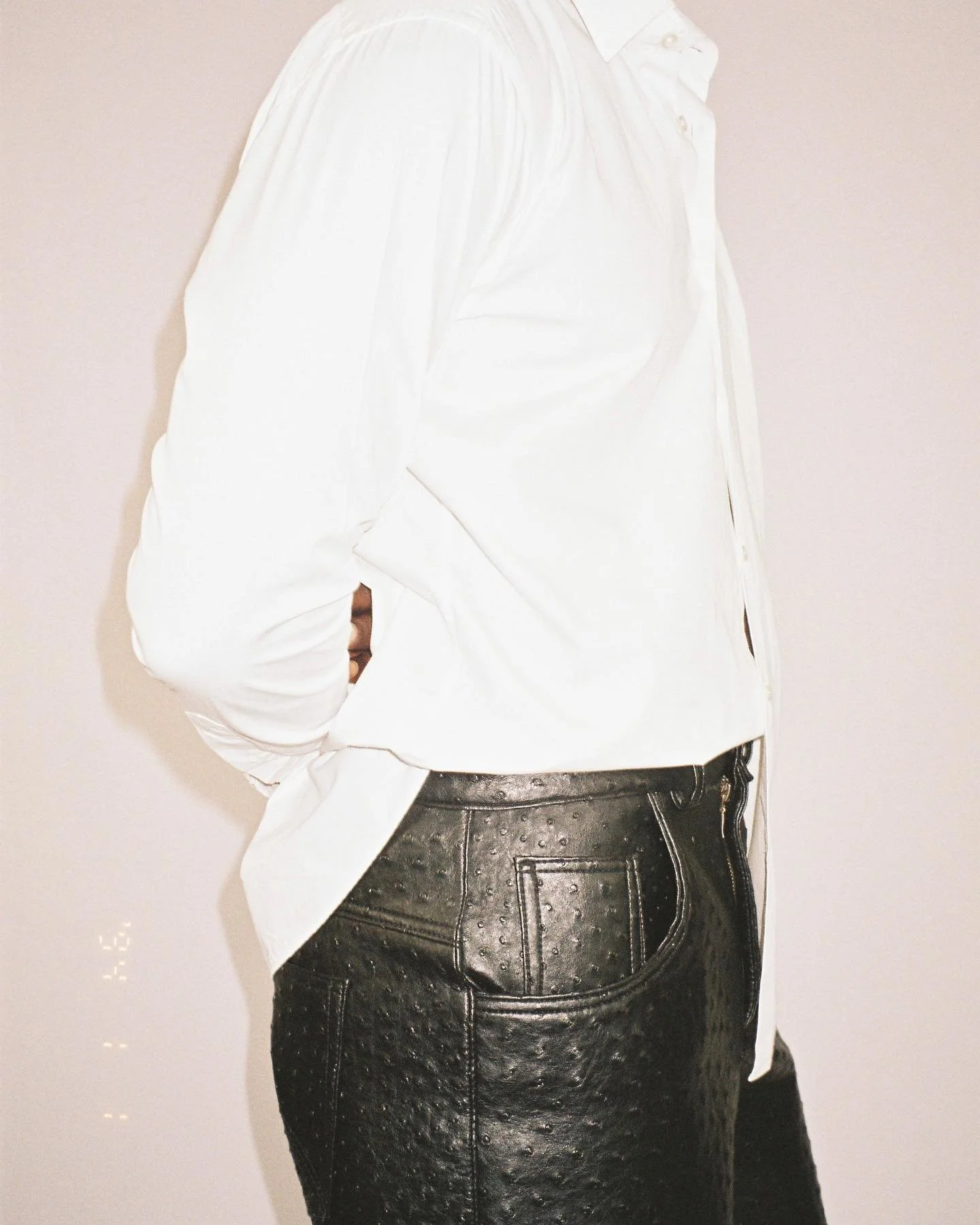
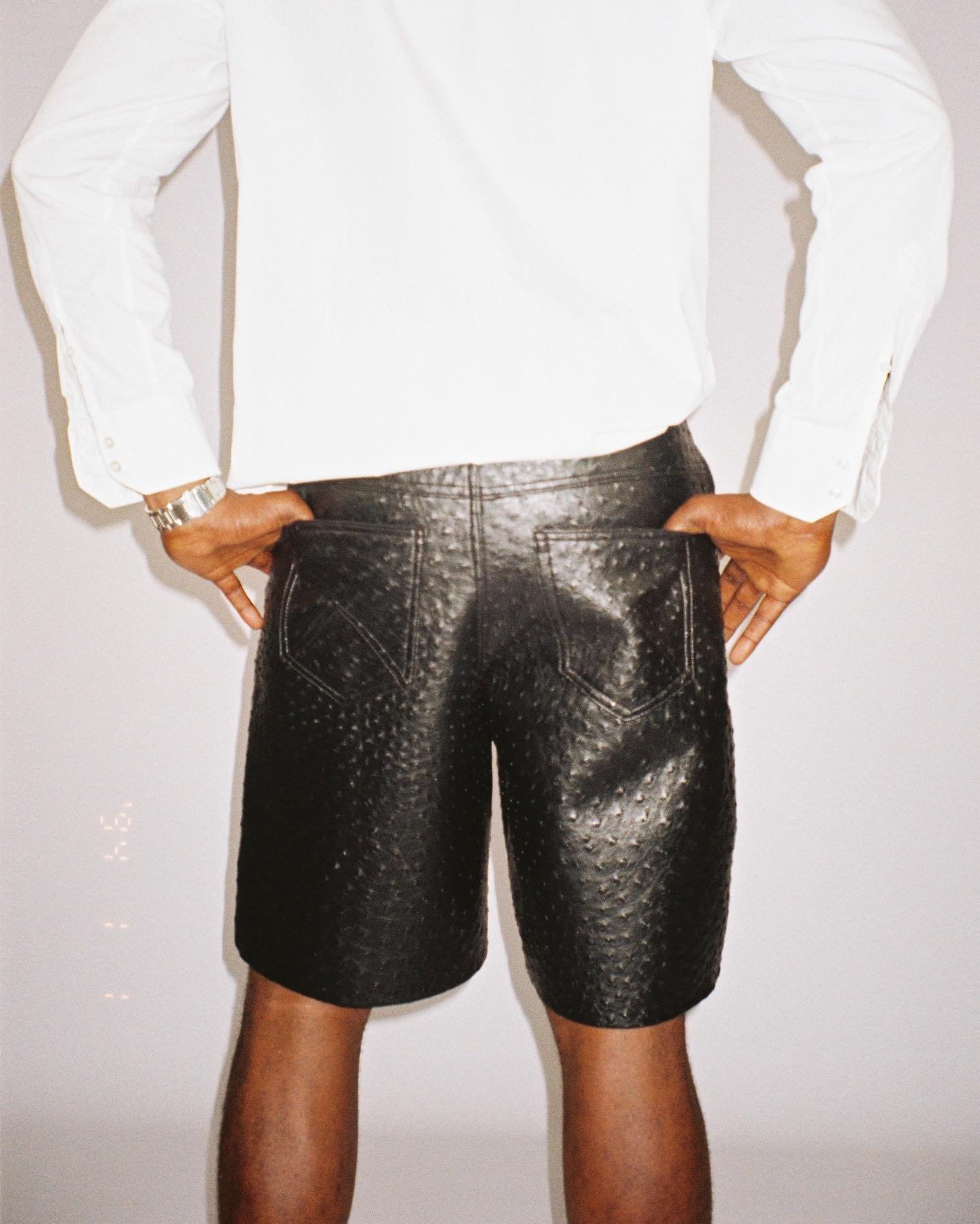
You completely ignore the usual fashion seasons and release clothes in 'Episodes' instead. Why did you choose this rhythm, and what happens to a collection once an Episode closes?
It's called episode because of the inspiration behind the collection. My collections aren't going to be released in episodes - that collection's name was Episode. It was rooted in a period of my life that felt like art imitates life and life imitates art. It was a cycle. My friends and I used to say, where are the cameras? Because it was obscene, crazy, and intense. It honestly felt like a movie the entire time. There were characters, scripts and a story. That's what inspired the name Episode. All the models were characters inspired by real people I know and have encountered throughout my life. In terms of collections moving forward, they will always be inspired by something real.
Would you say the nightlife you experienced in Berlin inspired you to start NTWANA?
It's not what inspired me to start NTWANA, but it did inspire my design choices. Wanting to start a fashion brand was informed by the reception that the samples got. The reception was objective. It was in a market that I hold in high regard. That's what inspired me to start the business – not Berlin necessarily. The nightlife didn't inspire me to start the business; it influenced my design choices.
Your 'Declassified Dress' uses a sustainable alpaca and silk blend, and you only make pieces on an advance-order basis. Is staying sustainable and avoiding mass production a core goal for you?
I don't like the term sustainability and luxury because I feel like they've genuinely lost their meaning. For me, I would say my intention is not necessarily to be sustainable. My goal is to design clothes that last. Clothes that people value enough to care for, and that take time to make because of the quality of the materials and labour involved. The reality is that this level of craftsmanship doesn’t lend itself to mass production. That dress took weeks to make. I sourced the fabric and I did the design. But I can’t mass produce it because it would take a whole year to make 12. The coats are expensive to make, even though they don't use real ostrich leather. They use faux leather. But they are expensive to make so producing at scale isn’t realistic. It takes almost a week to make one. The intention isn’t to satisfy a particular environmental benchmark. The aim is to create beautifully made, high-quality garments that people want to wear for a long time. Clothes that endure and remain worth caring for. I feel like if your clothes aren't beautiful, you don't care. I would rather address sustainability with incredible design.
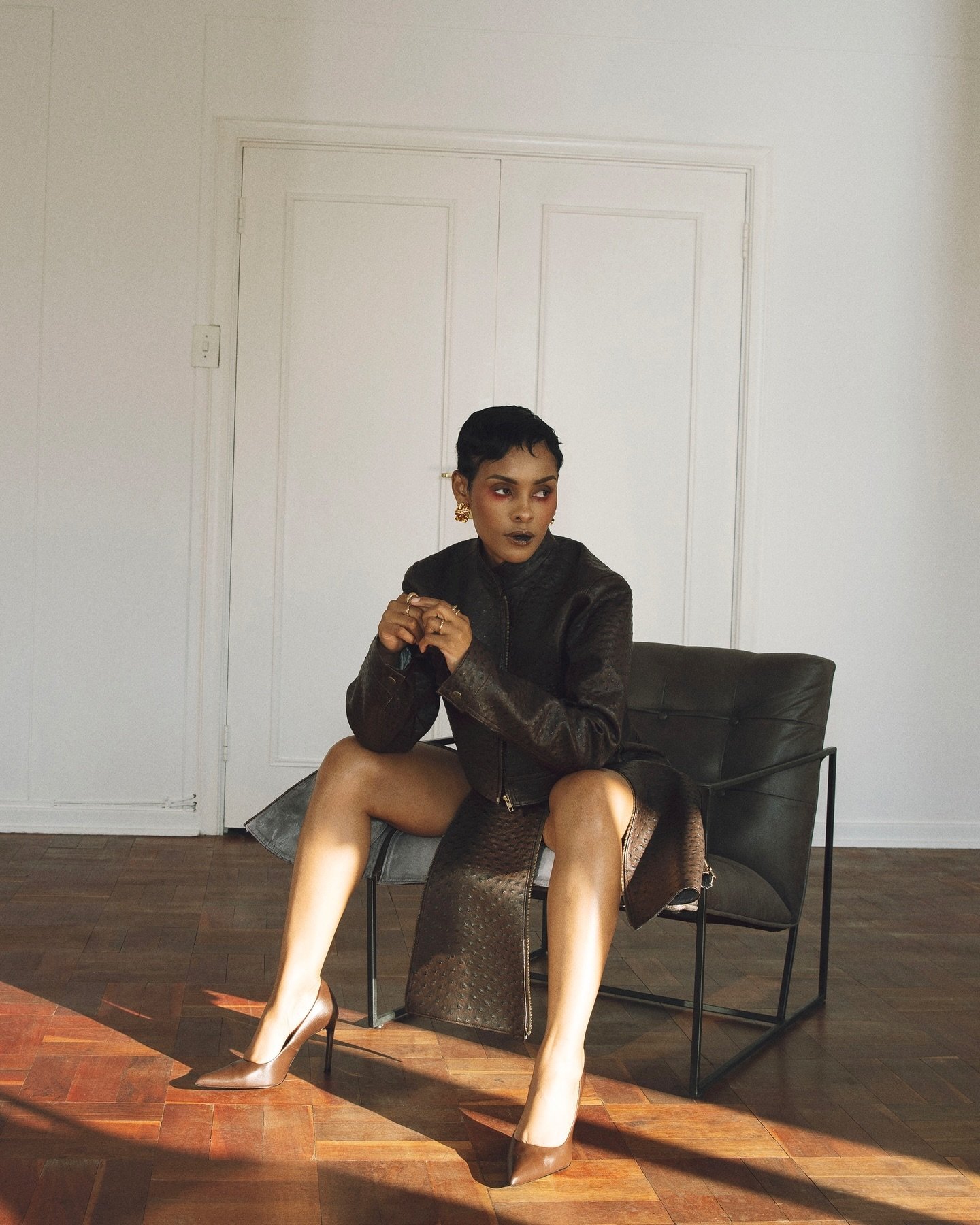
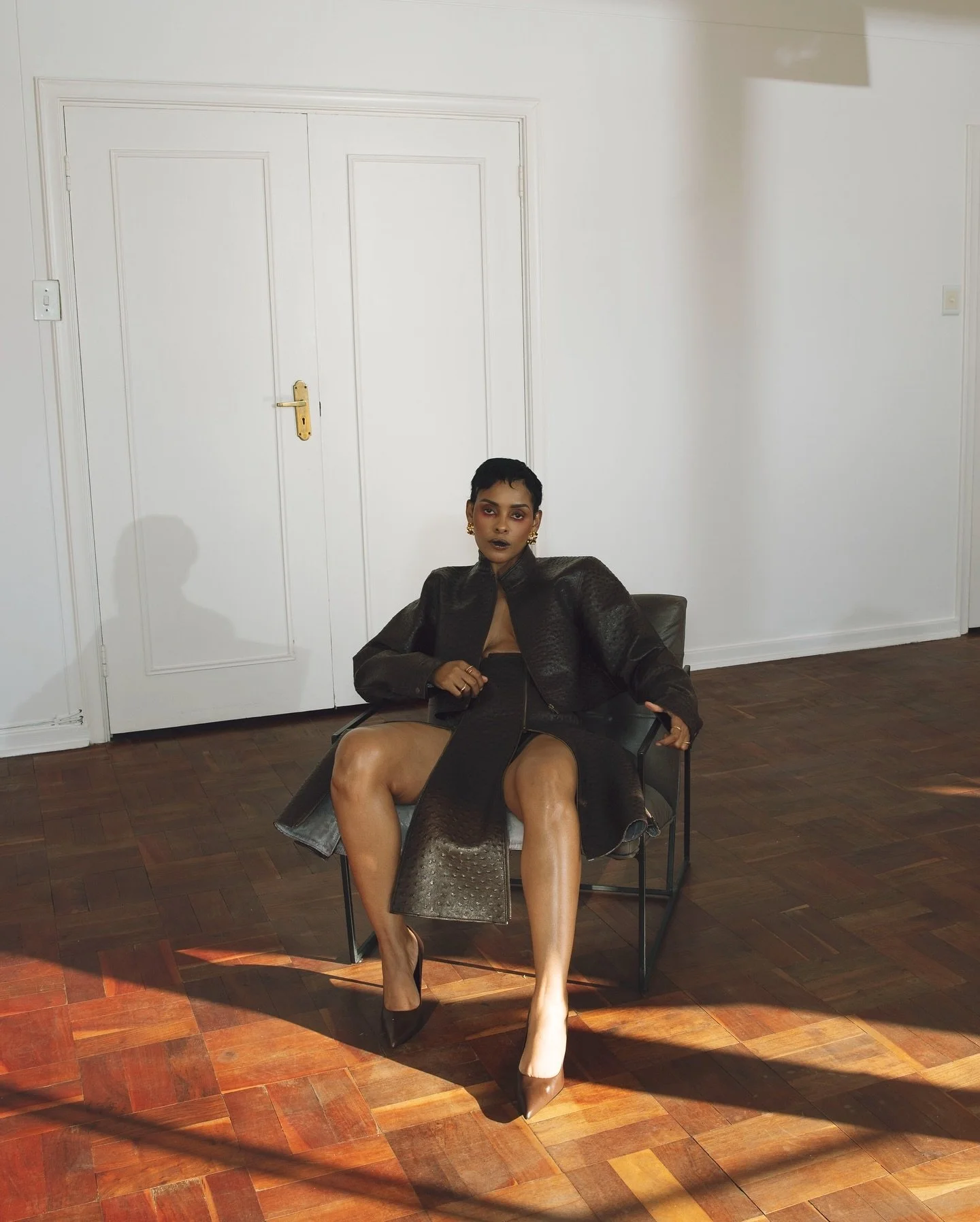
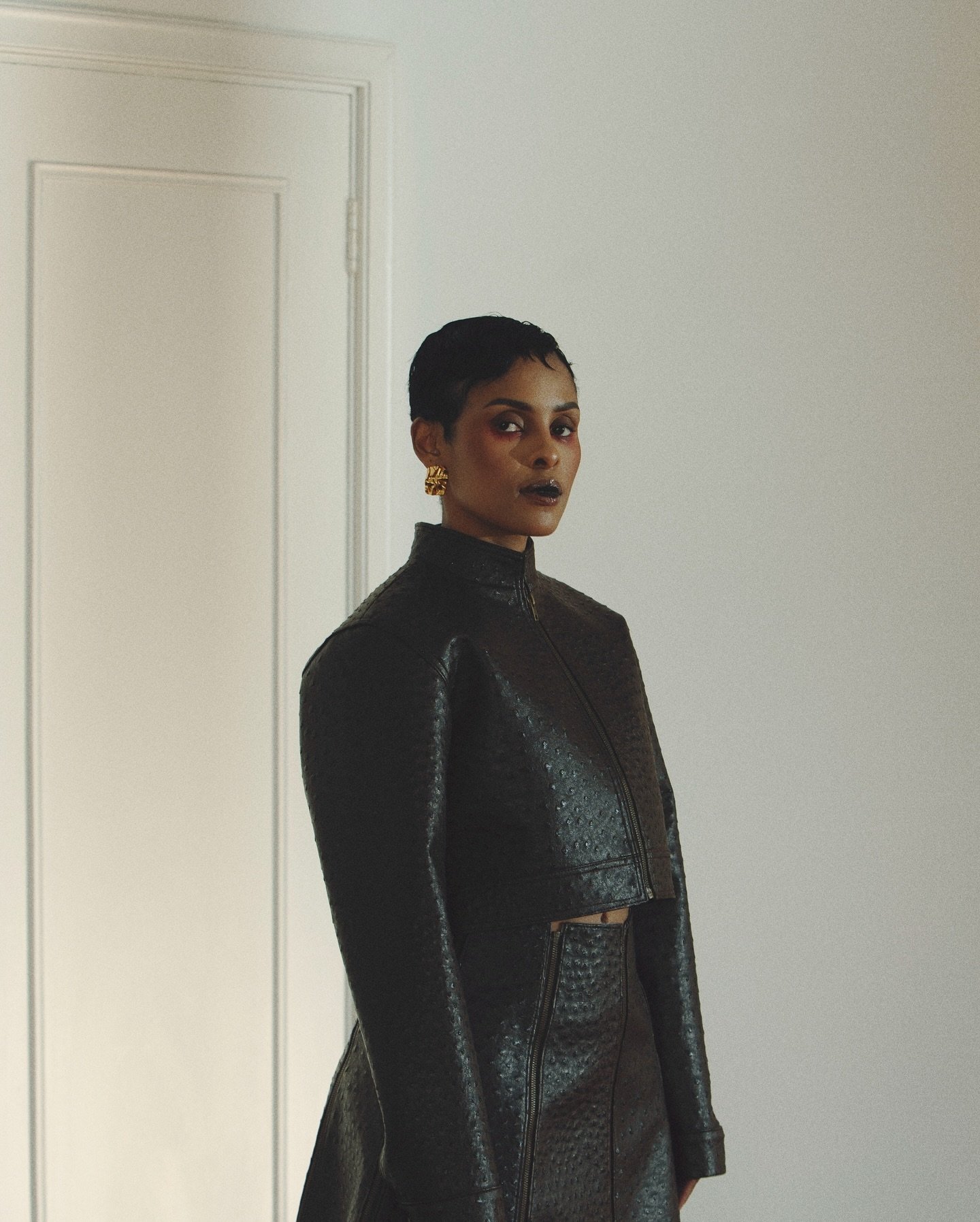
I love the craftsmanship behind it. When you said you want to create something that lasts, and to do that, it takes time.
Even if I wanted to, I can't. I would need an army. With our mohair jerseys, it's hard to find someone who knits real mohair, not acrylic. The natural fibres of mohair get everywhere and it's finicky to work with especially in black. So the jersey takes 2 weeks to knit - one jersey. I can't mass produce, even if I wanted to. I would love to have 10 and give it to some store on consignments. But it takes too much time. The Declassified Dress took so long - it took six weeks to weave. That's why it's only on advanced order because that person would have to put quite a hefty deposit up front. Then they'd have to wait for a long time, maybe till the end of the season to get their dress.
You make it intentionally a bit difficult to buy your clothes—people have to DM you or email you directly rather than just using an online shopping cart. Why create that step for the customer?
I would love to have a website, but I want a website that is the same standard as the catalogue or our Instagram page. Has it worked in our favour to create some type of mystique? Sure. Why not? But it's not necessarily because I want to be mysterious. I would love to do a nice website. I'm not trying to be a perfectionist, by any means. I’m okay with making mistakes. In fact, I love being able to make mistakes, because it's so early in our journey. But at the same time I can't go backwards. I can't do a collection just for the sake of getting something out when I know for a fact I can't achieve the standards that I've set for myself. I didn't even want to step forward as the brand founder at first. Not because I want to be mysterious. It's because I wanted the clothes to be judged objectively. I don’t want people to think, “Oh, I like Mikhail, so I like the jacket.” Or “Oh, I don’t like Mikhail, so I don’t like the jacket.” When I was in Berlin, nobody knew who I was, and I loved that. People could simply say, “That’s a nice coat, man.” In Johannesburg, it’s different because people know me. Some might genuinely like the work, but they won’t always say so because their opinion is shaped by who I am rather than the garment itself.
What advice would you give to emerging designers?
Know why you're doing it. Be sure. Because when you're sure, you're coming from a point of honesty. When you come from a point of honesty, I believe that karmically you're doing the right thing. You're doing the right thing if your expression is honest. Look for ways to fund your business because doing fashion is expensive.
Until you find your idea, focus on developing your technical skills. Your idea will come. My idea only came after I was 30. I didn't have this idea when I was young. But until that idea and expression comes, make sure you know your seams and stitches. Make sure you can quality check something. Make sure you know your weights, fabrication, textiles and colour theory. Make sure you know your history. You don't necessarily have to go to fashion school, but you must be a student of fashion. This doesn’t exist in a vacuum. Everything comes from something. NTWANA wouldn’t exist if Demna didn’t do what he did at Balenciaga. Or if Vaccarello didn’t do what he did at Yves Saint Laurent. We wouldn't be here if Wanda Lephoto didn't persevere, or if Rich Mnisi didn't buy our first coat. Rich Mnisi was our first customer. He's the first person ever that bought NTWANA. My advice to emerging designers is until you get your idea, this is it – become better at the technical and theoretical stuff.
Maybe you’re not a skilled sewist or pattern maker. Do your research, know what good pattern making looks like. Maybe you don't have to be the best pattern maker, but you can at least know what good patterns are. If you go to a manufacturer, you know what you're talking about. Even though I loved Episode, I can see many things I would do differently now. But I don't regret anything.
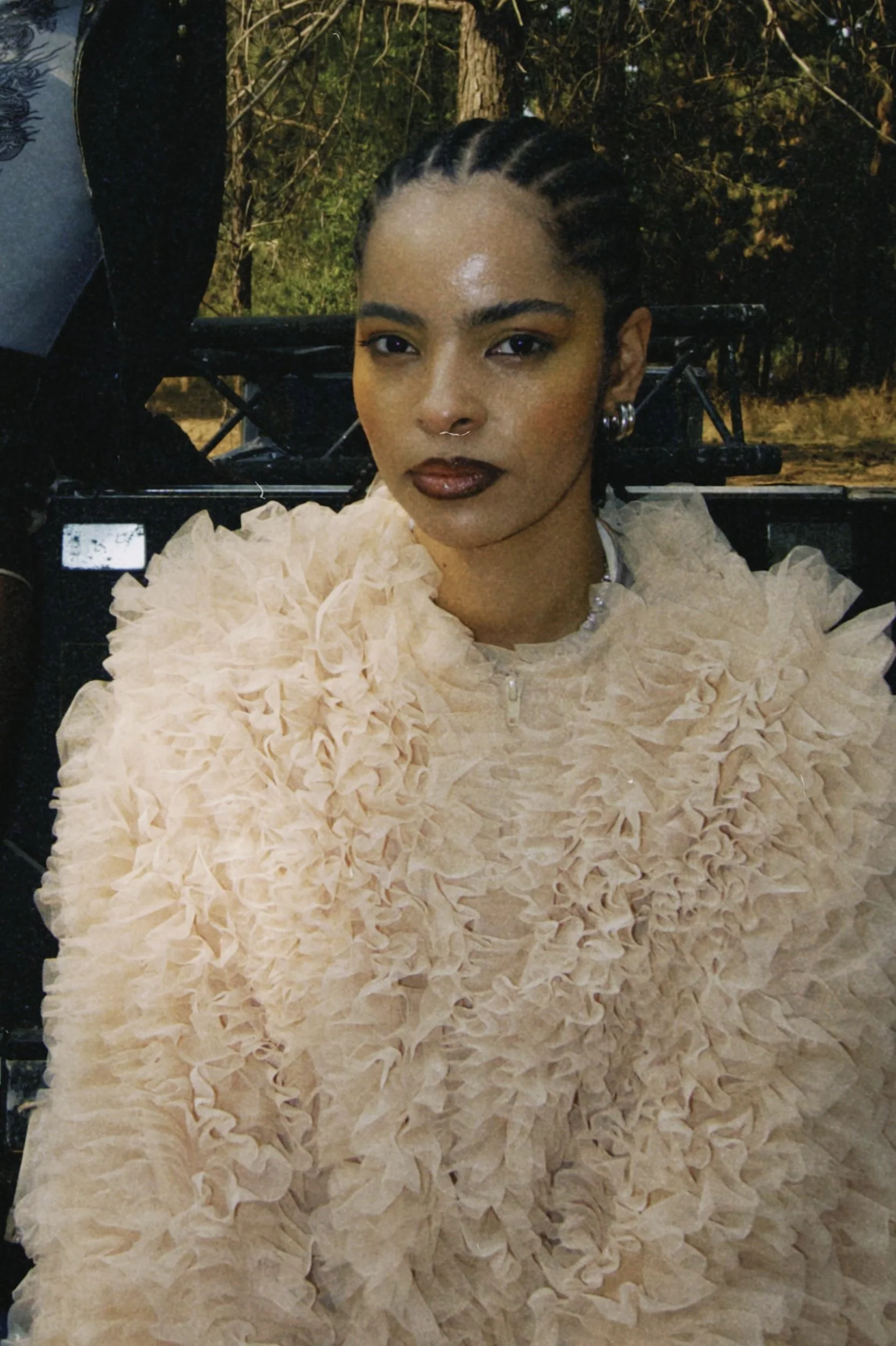
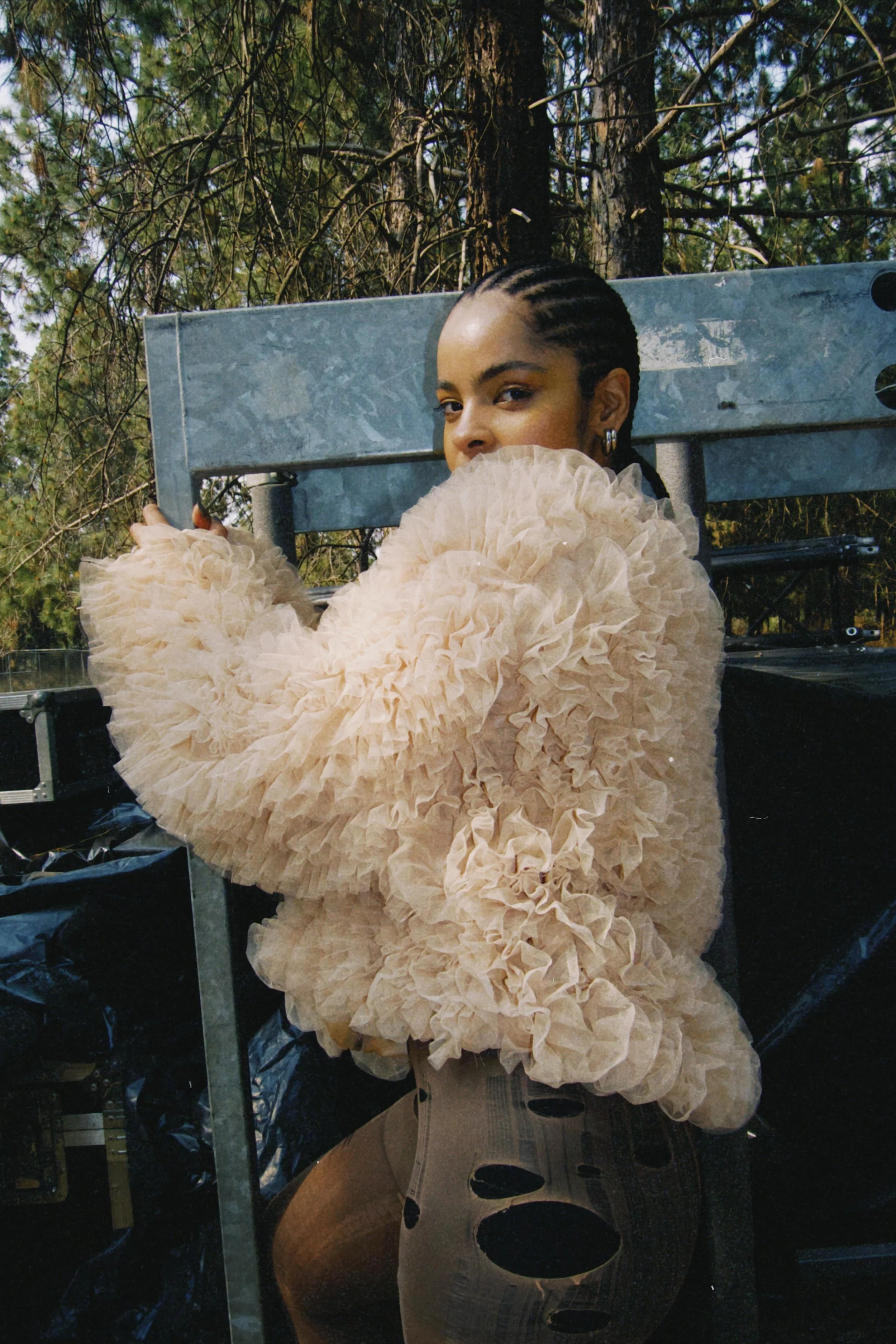
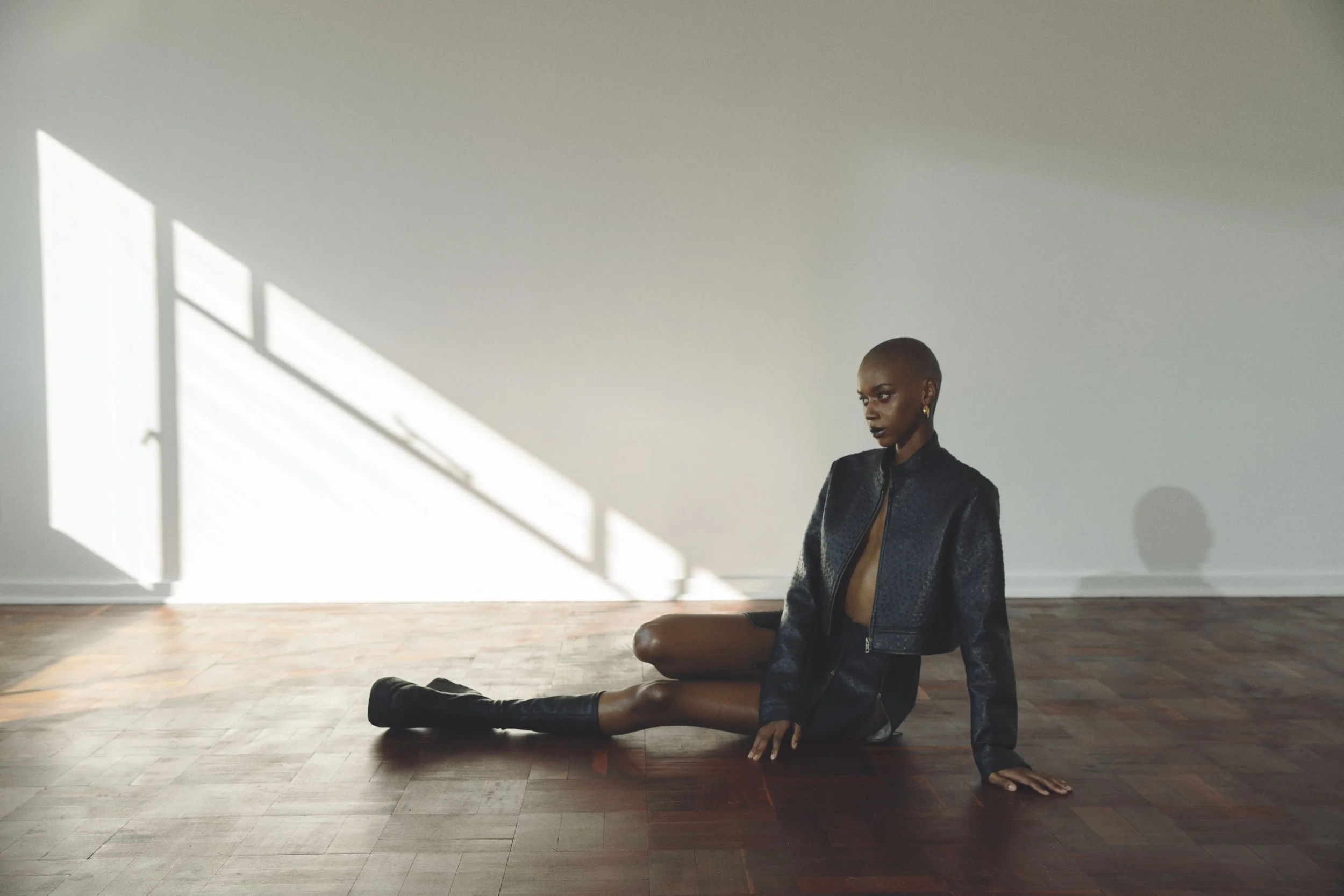
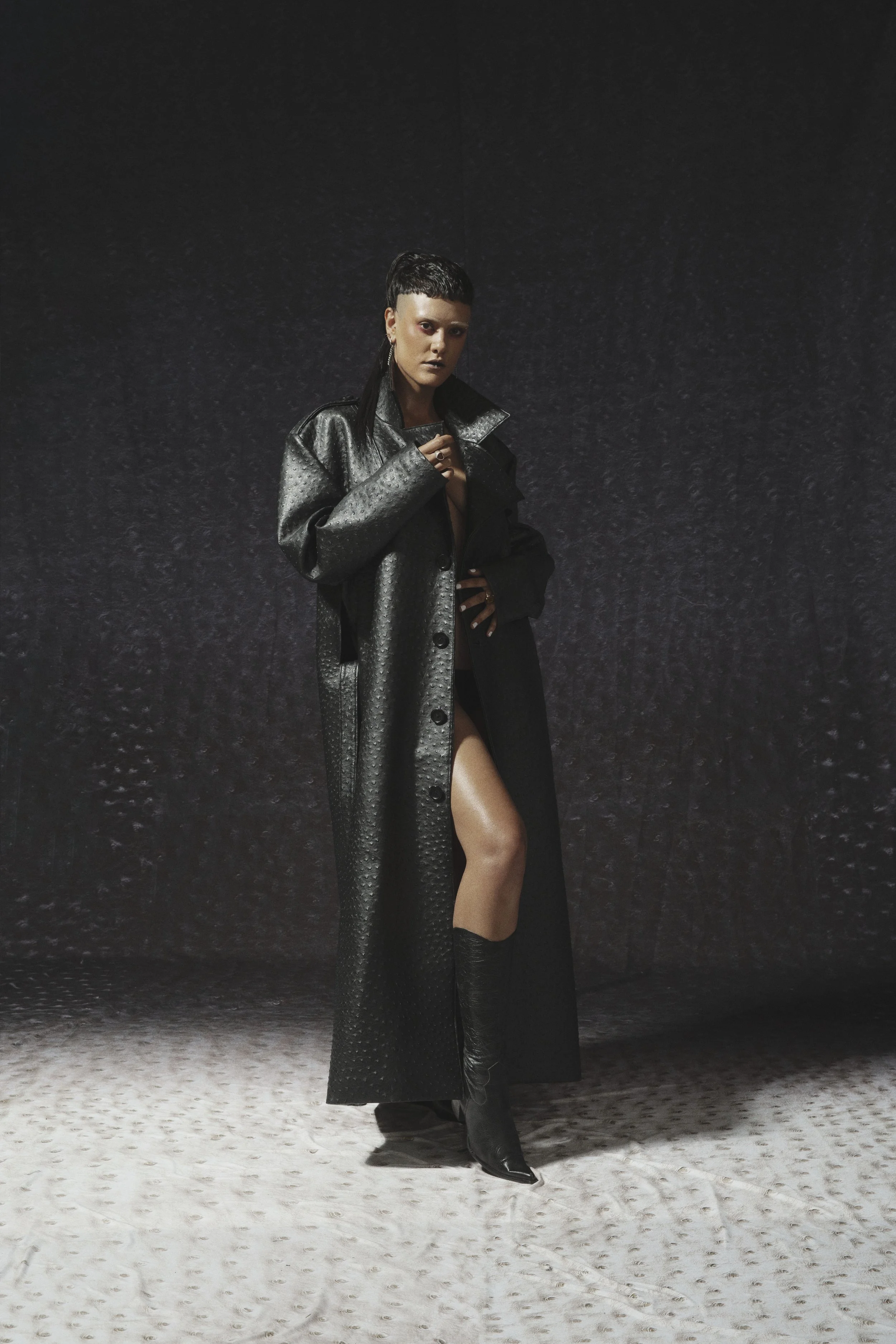
To examine NTWANA closely is to witness a shift in how African luxury narratives are constructed and valued. Mikhail Brown and Mmiso Luphondo turn their garments into chapters of a physical archive.
Ultimately, NTWANA proves that true luxury does not require a visible logo to command attention in global spaces. This dialogue stands as a testament that when you master your technical seams, weights, and fabrications, your work ceases to be just clothing. It becomes a physical expression of conviction and resilience, and a reminder that bravery is always beautiful.
