
From Studio Practice to Cultural Circulation
Some creative works disappear when the exhibition closes, the collection sells out, or the cultural moment passes. Others continue to circulate long after their original release, finding new life through museums, publications, education, community initiatives, and commercial partnerships. The difference is not always talent. More often, it is the ability to build systems that allow ideas to travel beyond the studio.
From Studio Practice to Cultural Circulation examines how a group of South Africa’s most influential artists and fashion designers have achieved this transition. It explores how creative practices acquire visibility and generate long-term influence without losing their conceptual foundations.
Much of the existing conversation around luxury, branding, and cultural influence remains shaped by European and North American examples. While these models explain how established institutions accumulate prestige, they offer less insight into how creatives operating within emerging markets build lasting careers while navigating limited access to networks and global visibility.
South Africa provides a compelling lens through which to examine these questions. Working within a country shaped by complex histories, yet deeply connected to the global creative economy, South African practitioners are often required to balance heritage, commercial ambition, and international recognition simultaneously.
Through the practices of Thebe Magugu, Rich Mnisi, MAXHOSA AFRICA, Lukhanyo Mdingi, Sindiso Khumalo, Trevor Stuurman, Dr Esther Mahlangu, Mary Sibande, Nelson Makamo, and WonderBuhle Mbambo, this study traces how creative work moves beyond its original medium to achieve broader cultural significance. Rather than operating exclusively within fashion, art, or commerce, these practitioners have built careers that extend across multiple spheres of influence. Collectively, they demonstrate that the most enduring creative practices are not defined solely by what they produce, but by what continues to exist because of them.
Thebe Magugu
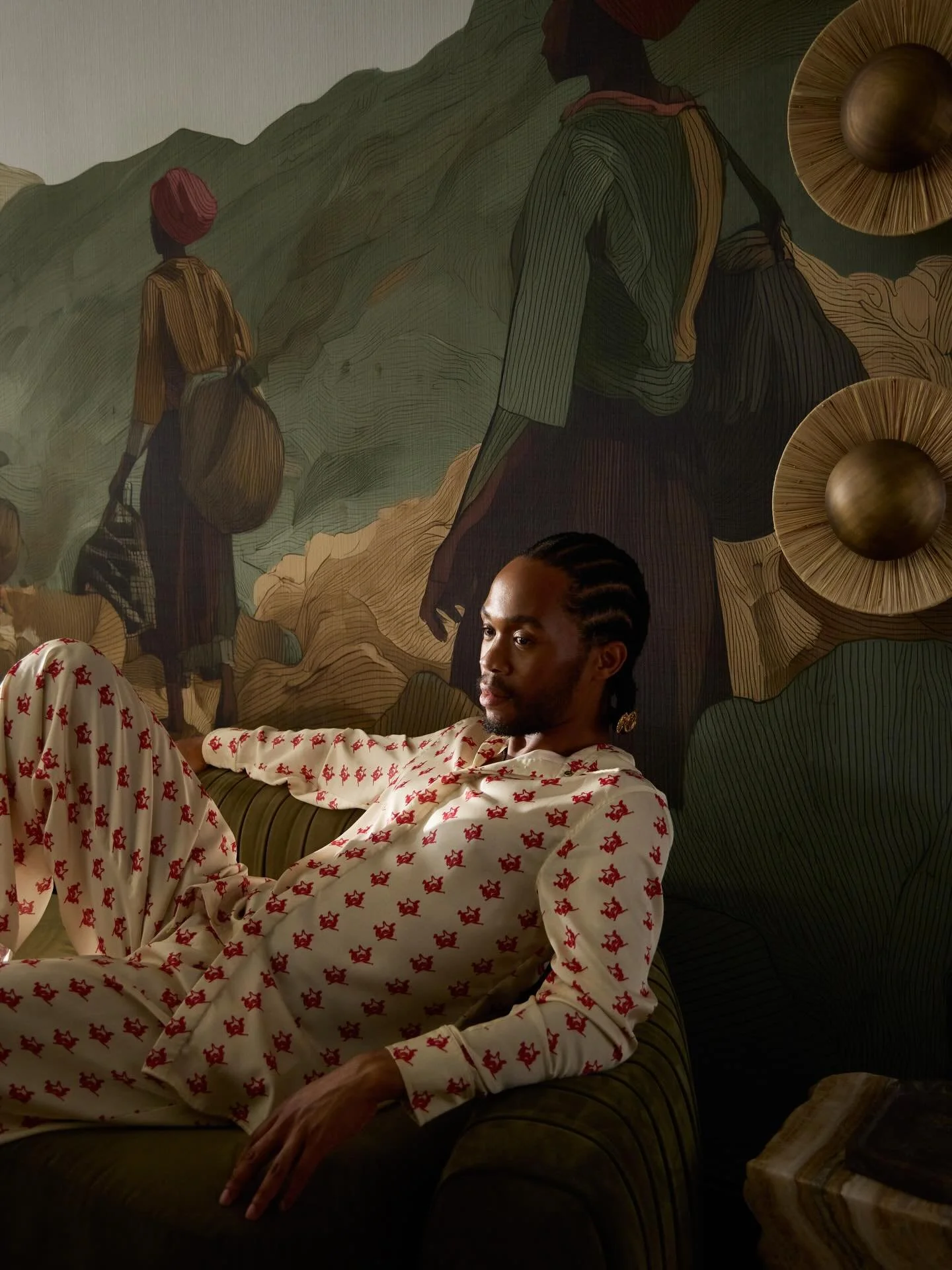
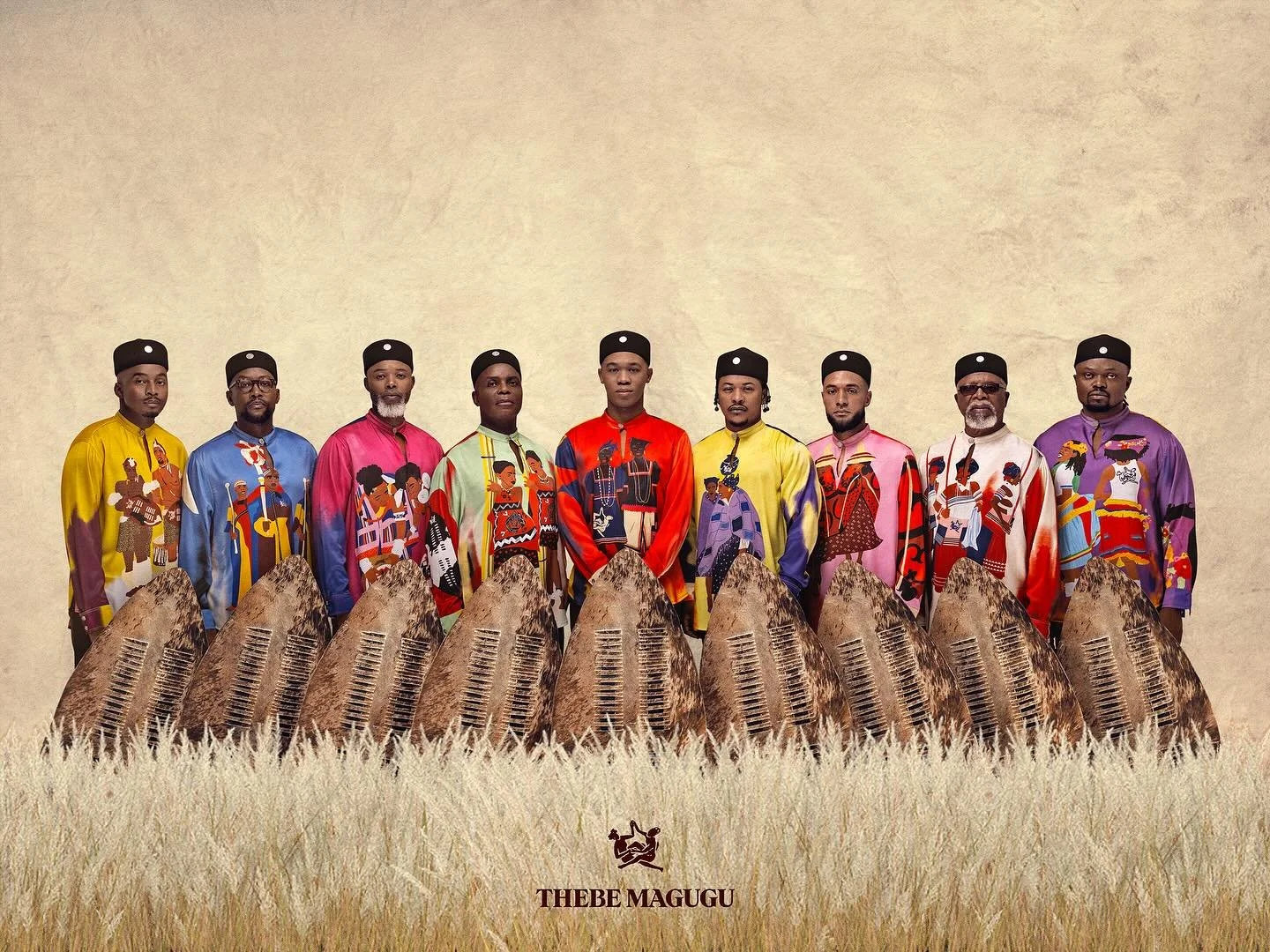
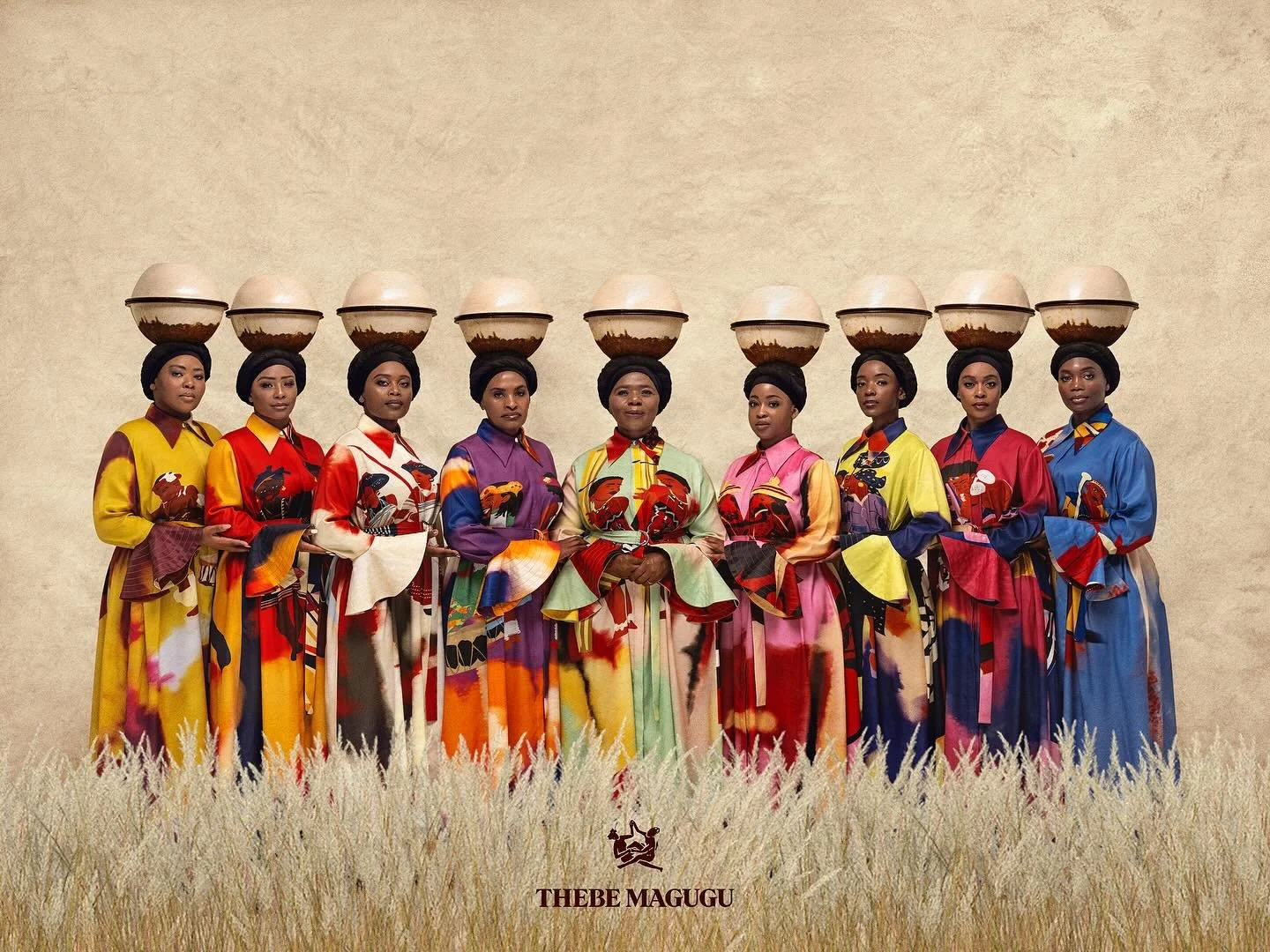
Thebe Magugu has built one of the most intellectually rigorous fashion practices to emerge from South Africa by treating clothing as a form of research. He structures collections as visual essays, with themes such as African Studies, Gender Studies, and Counter Intelligence. This commitment to education extends beyond the runway. For collections such as Lobola, garments were accompanied by printed texts explaining the significance of traditional marriage negotiations, transforming the purchase of a luxury item into an act of learning.
Magugu has expanded these ideas beyond fashion itself. Recognising the limitations of traditional fashion media, he founded Faculty Press, an independent annual publication dedicated to documenting contemporary South African youth culture.
His collections are further supported by self-produced documentary films that capture field research, creating a permanent body of knowledge that exists long after the runway. Projects such as Discard Theory extend fashion beyond aesthetics by transforming discarded textiles from Johannesburg’s Dunusa markets into luxury garments. This open-air thrift hub in the central business district is named after the isiZulu word meaning "to bend down," referencing how shoppers forage through mountains of affordable second-hand Western clothing. Through this intervention, Magugu uses fashion to challenge Africa’s dependence on imported clothing and question established ideas of consumption and waste.
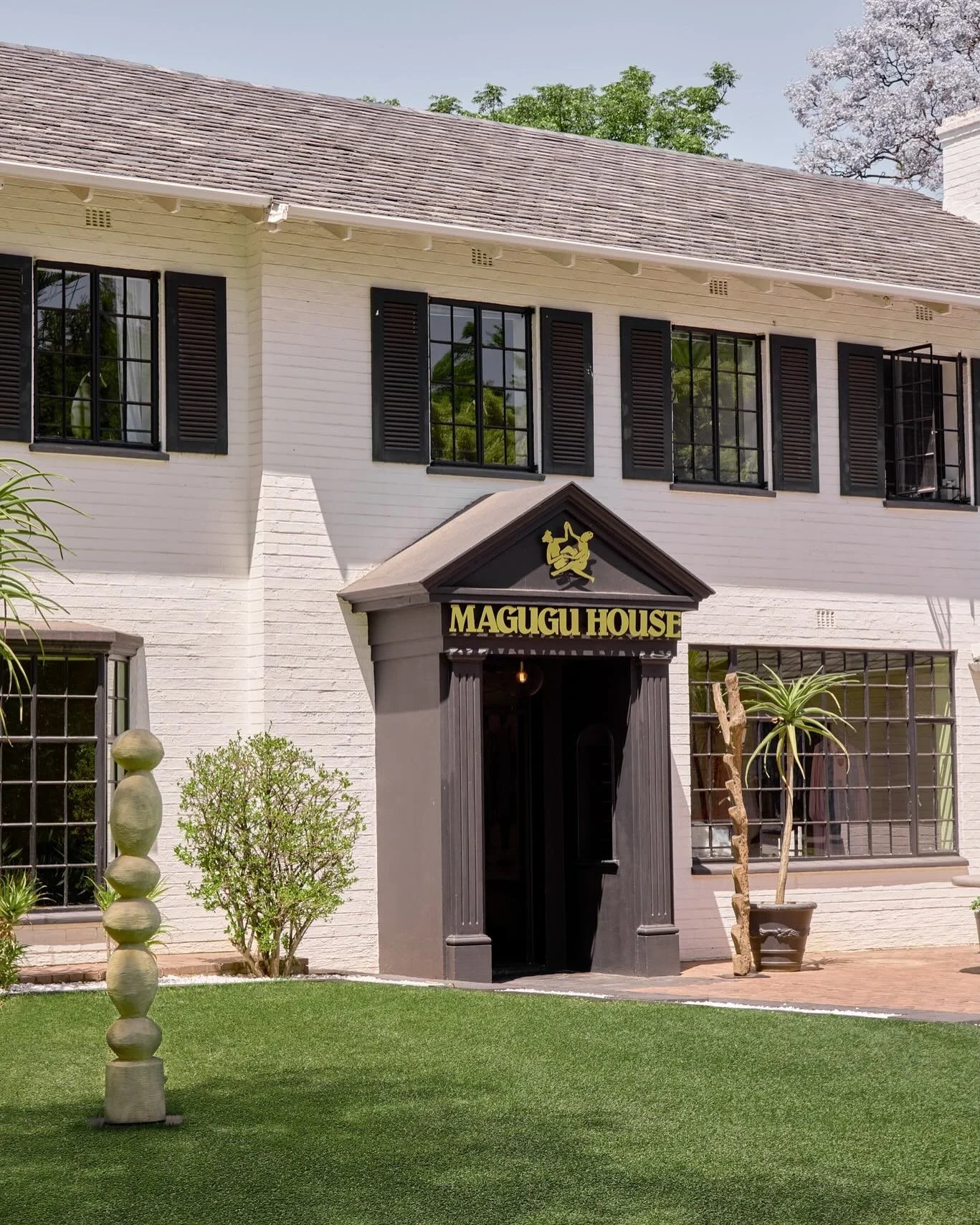
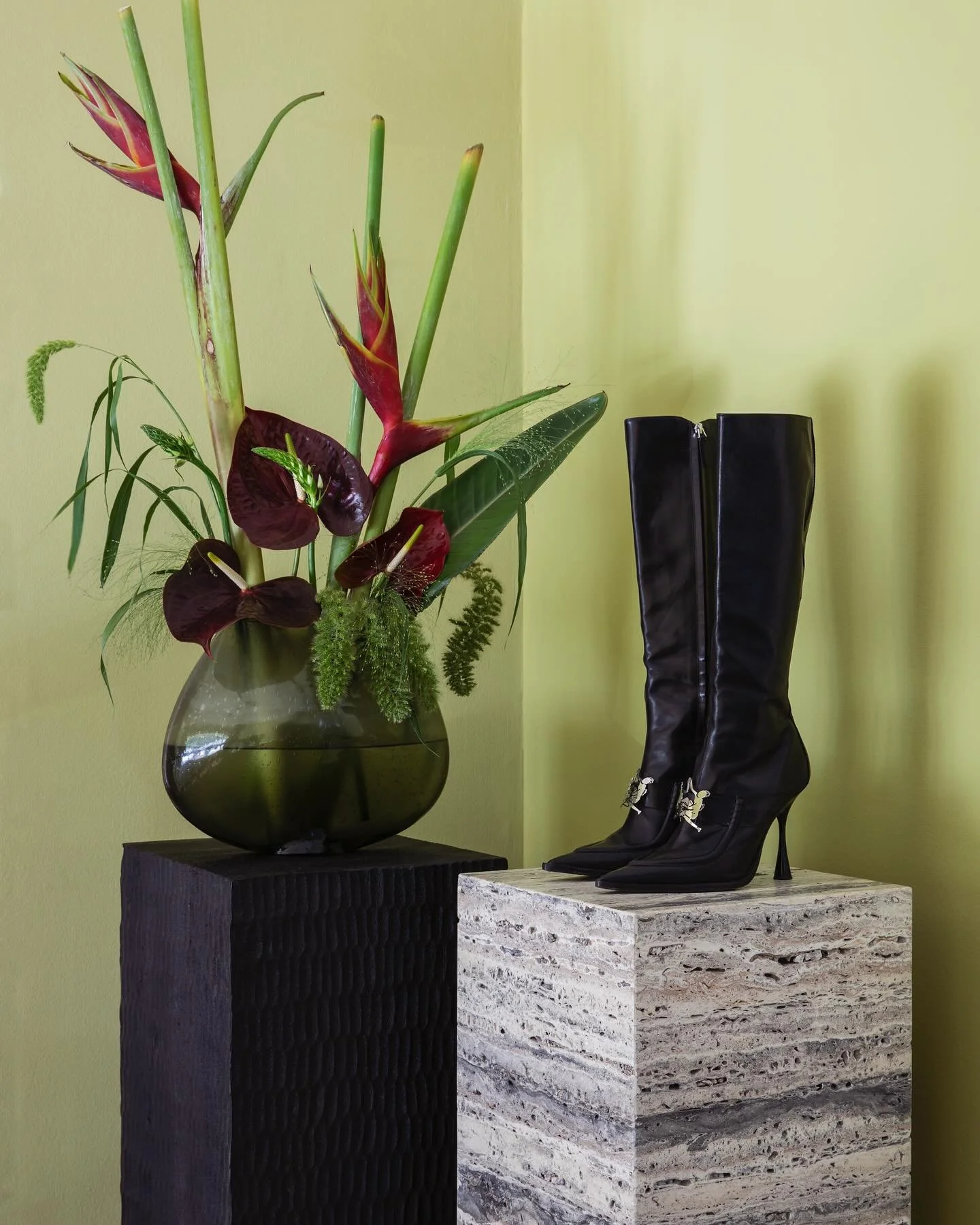
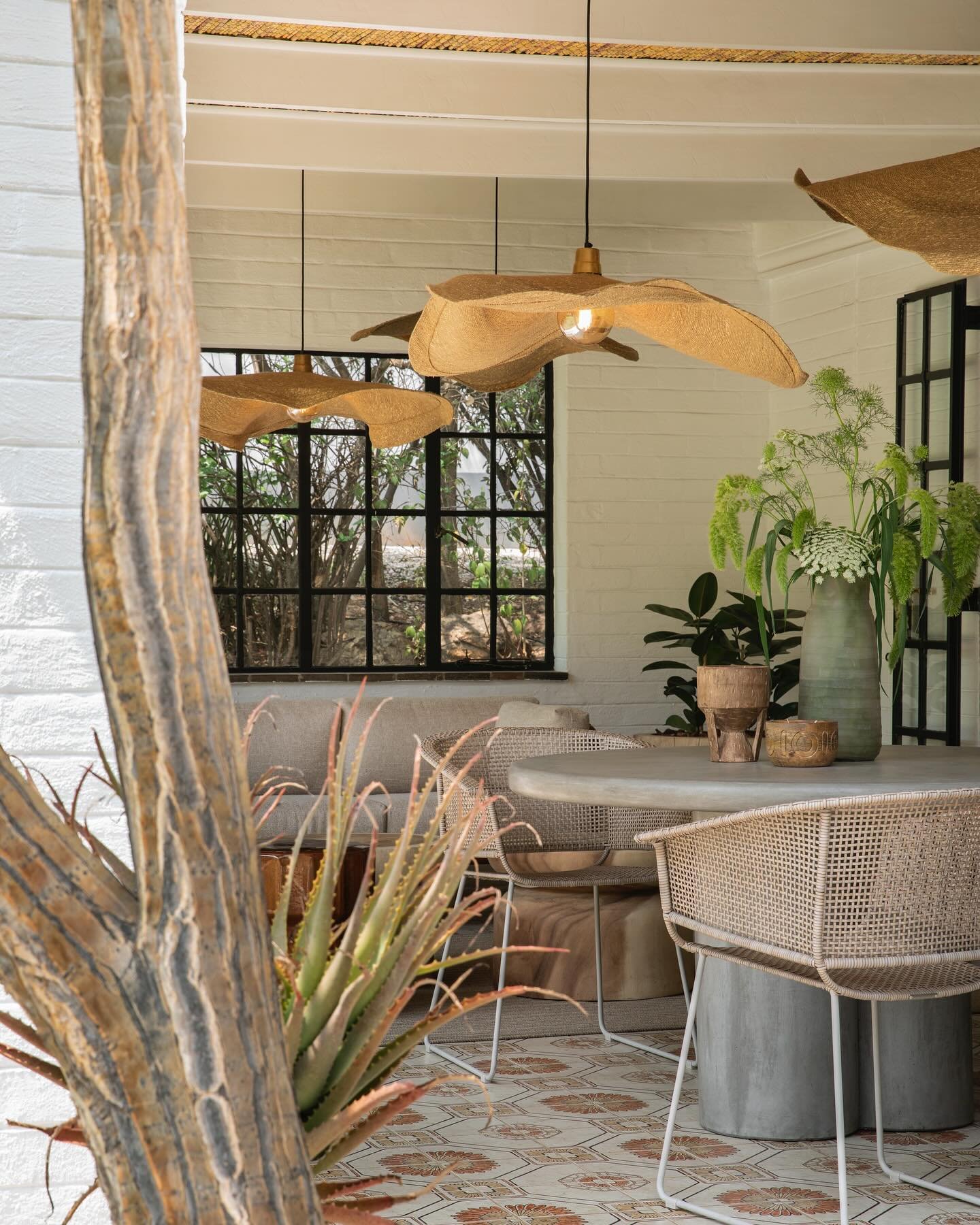
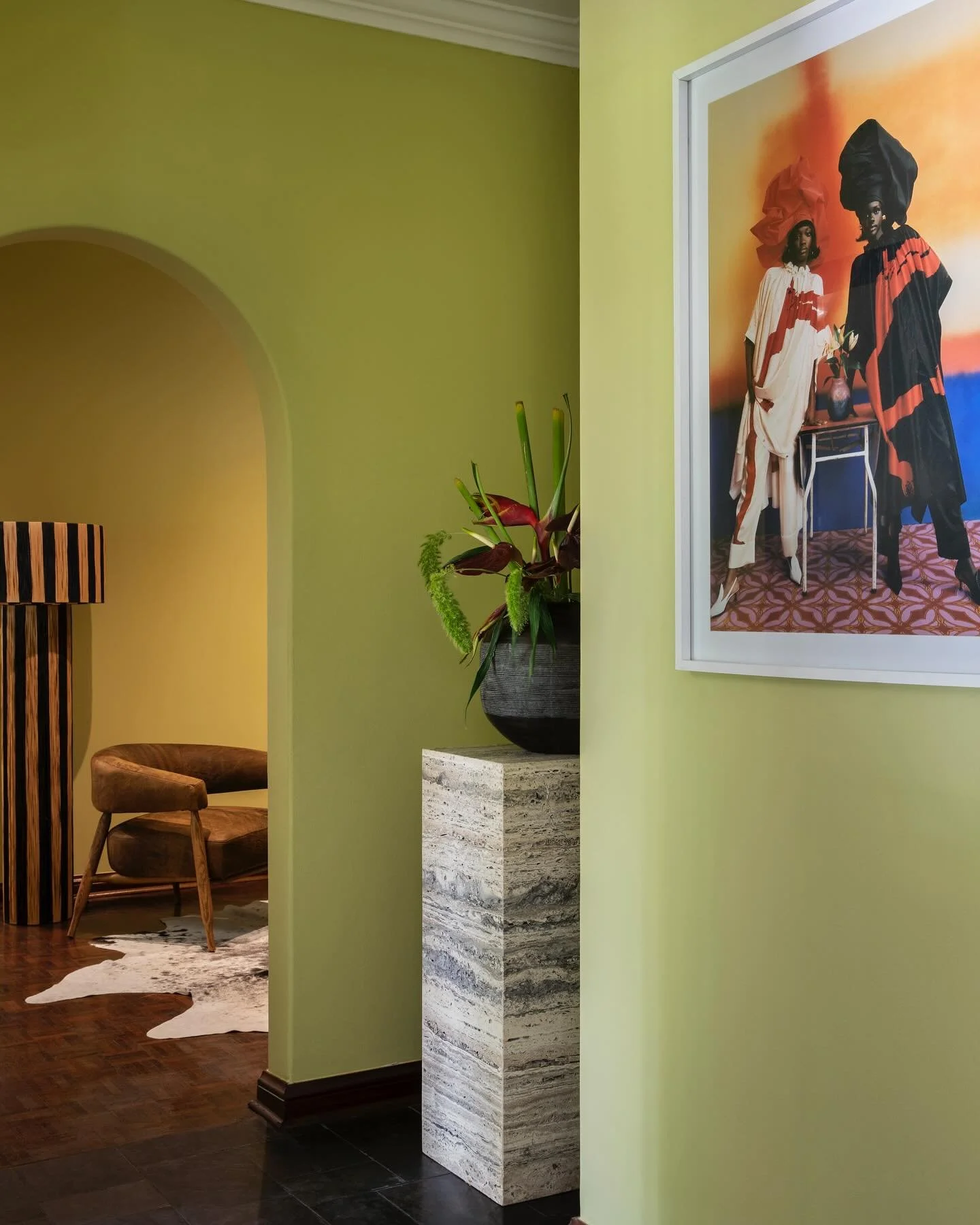
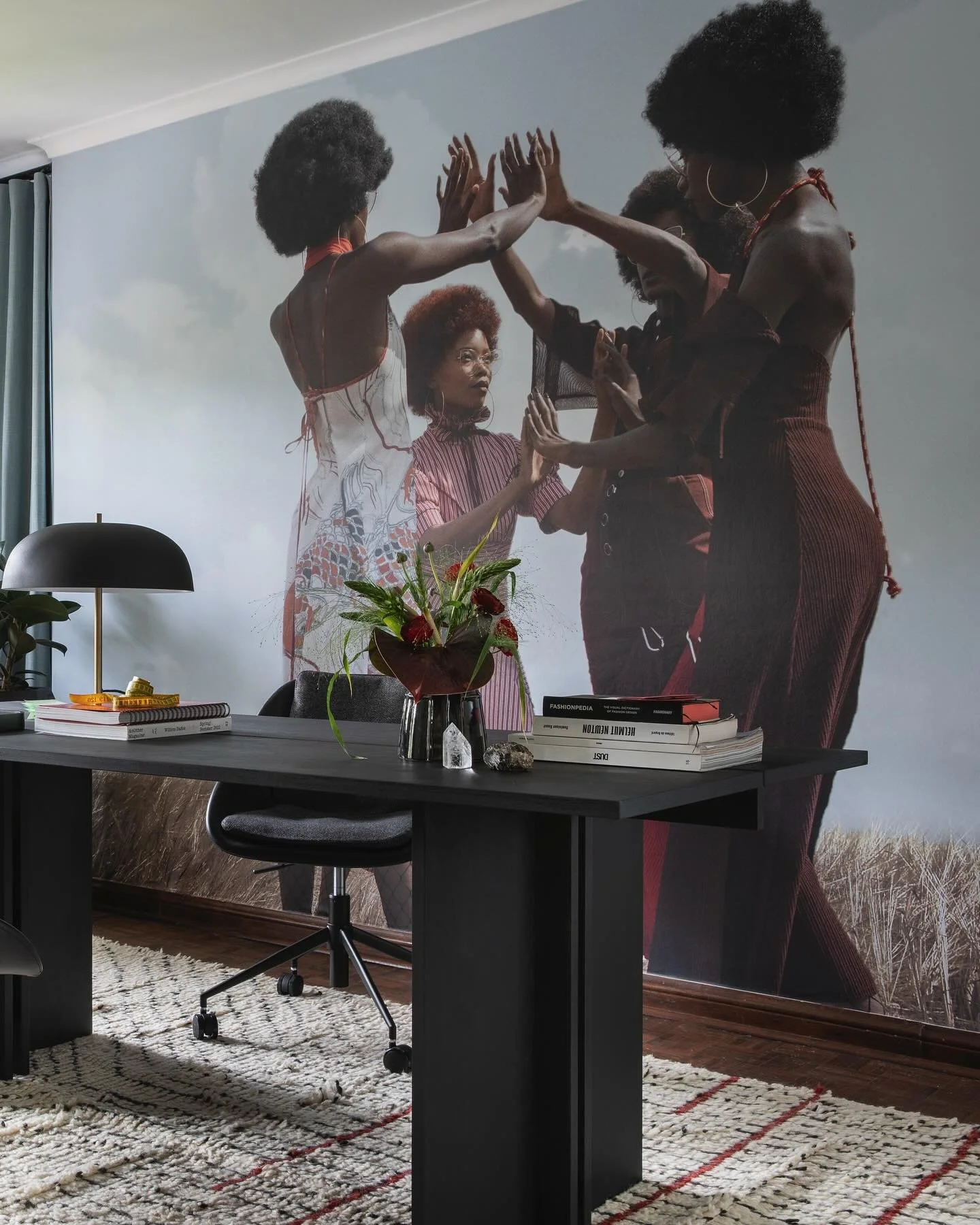
This commitment to storytelling is embedded within the physical spaces he creates. Magugu House, his Johannesburg headquarters, functions as a studio, exhibition space, and hub where visitors engage directly with the ideas underpinning the brand. He expanded this approach through his partnership with Belmond, which resulted in the THEBE MAGUGU SUITE at Cape Town’s Mount Nelson Hotel. The suite translates his visual language into an interior environment. Featuring works by African creatives, custom furnishings, and objects rooted in local histories, it extends his narrative beyond clothing and into space. In doing so, Magugu extended his practice from fashion into hospitality while maintaining the same commitment to cultural preservation.
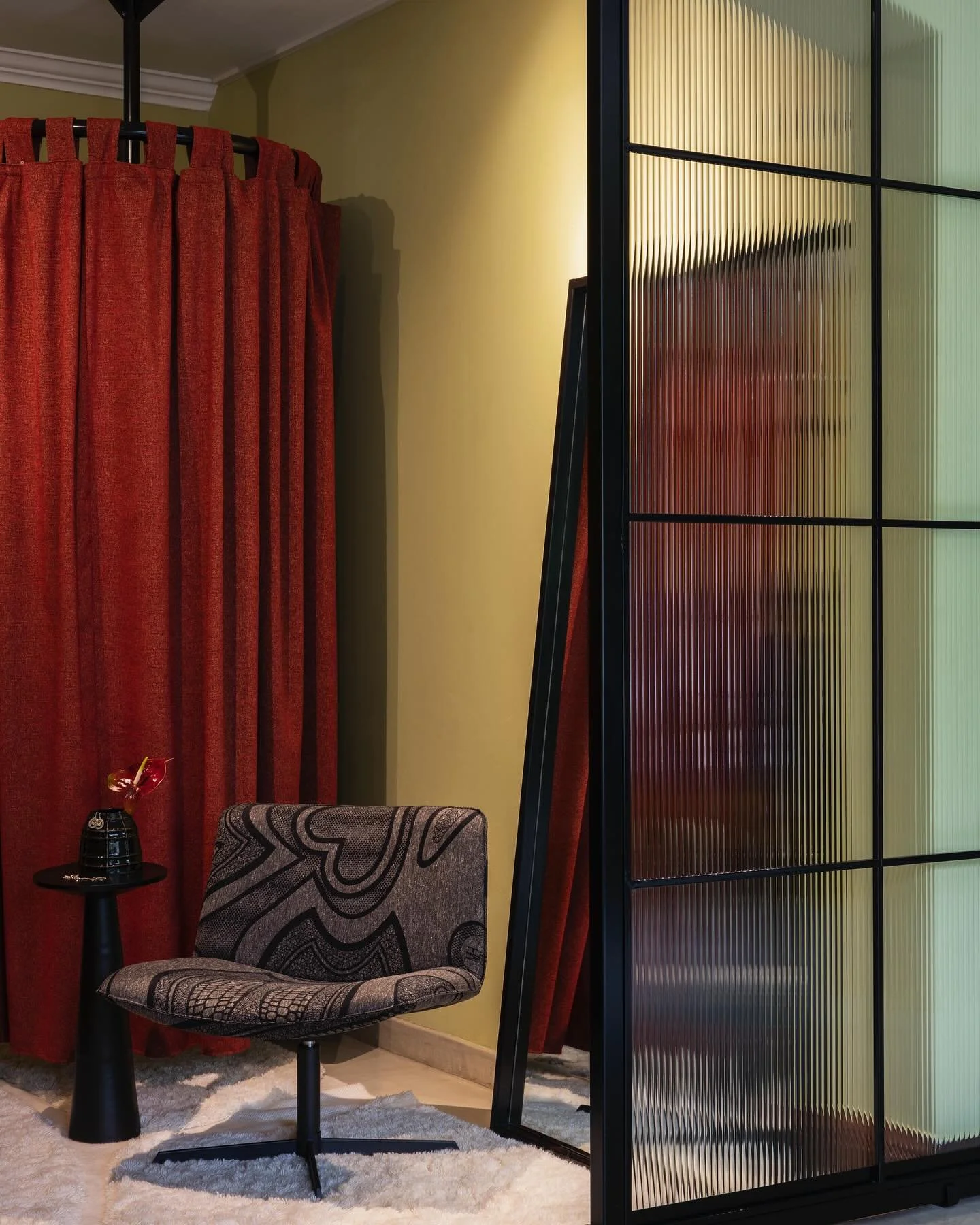
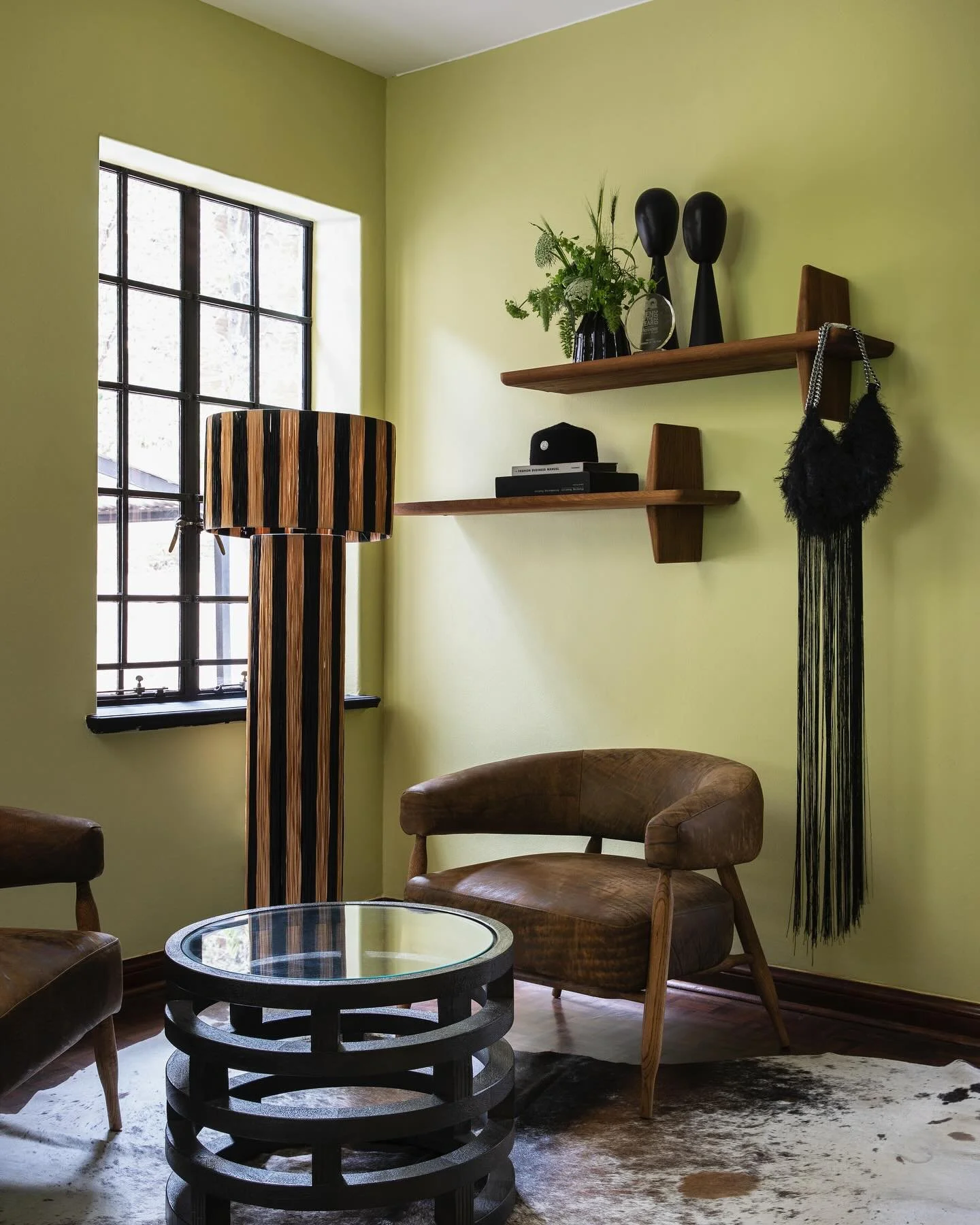
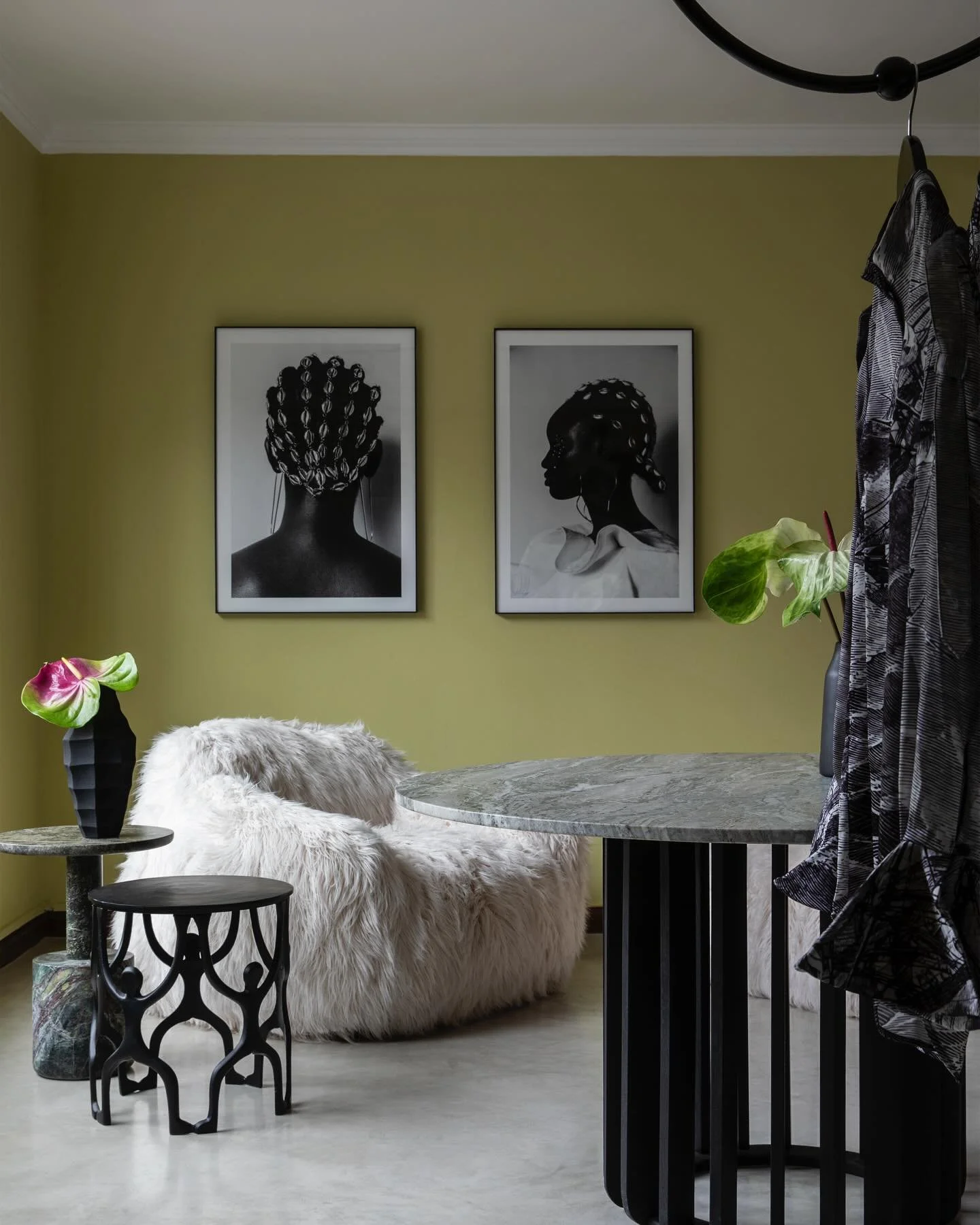
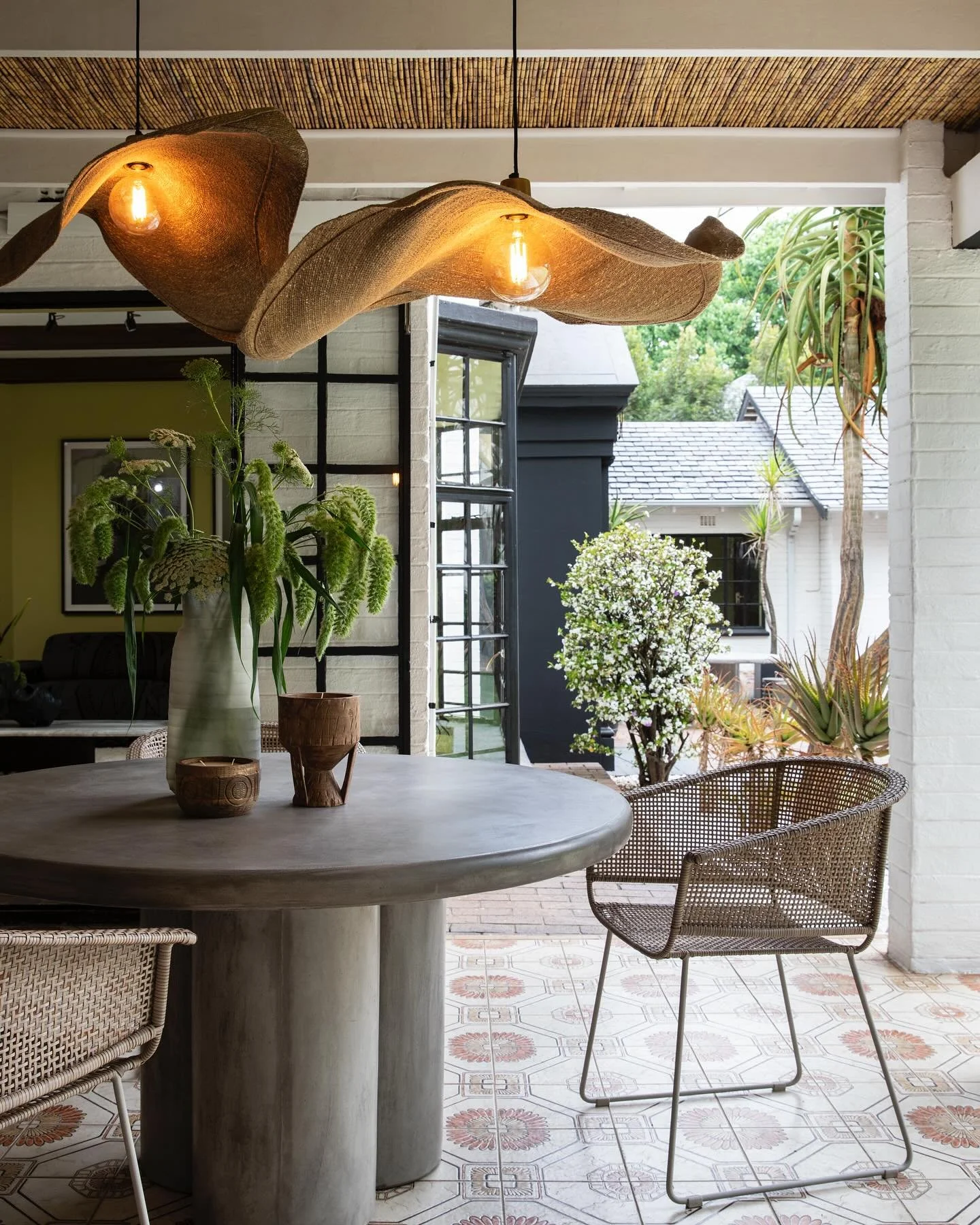
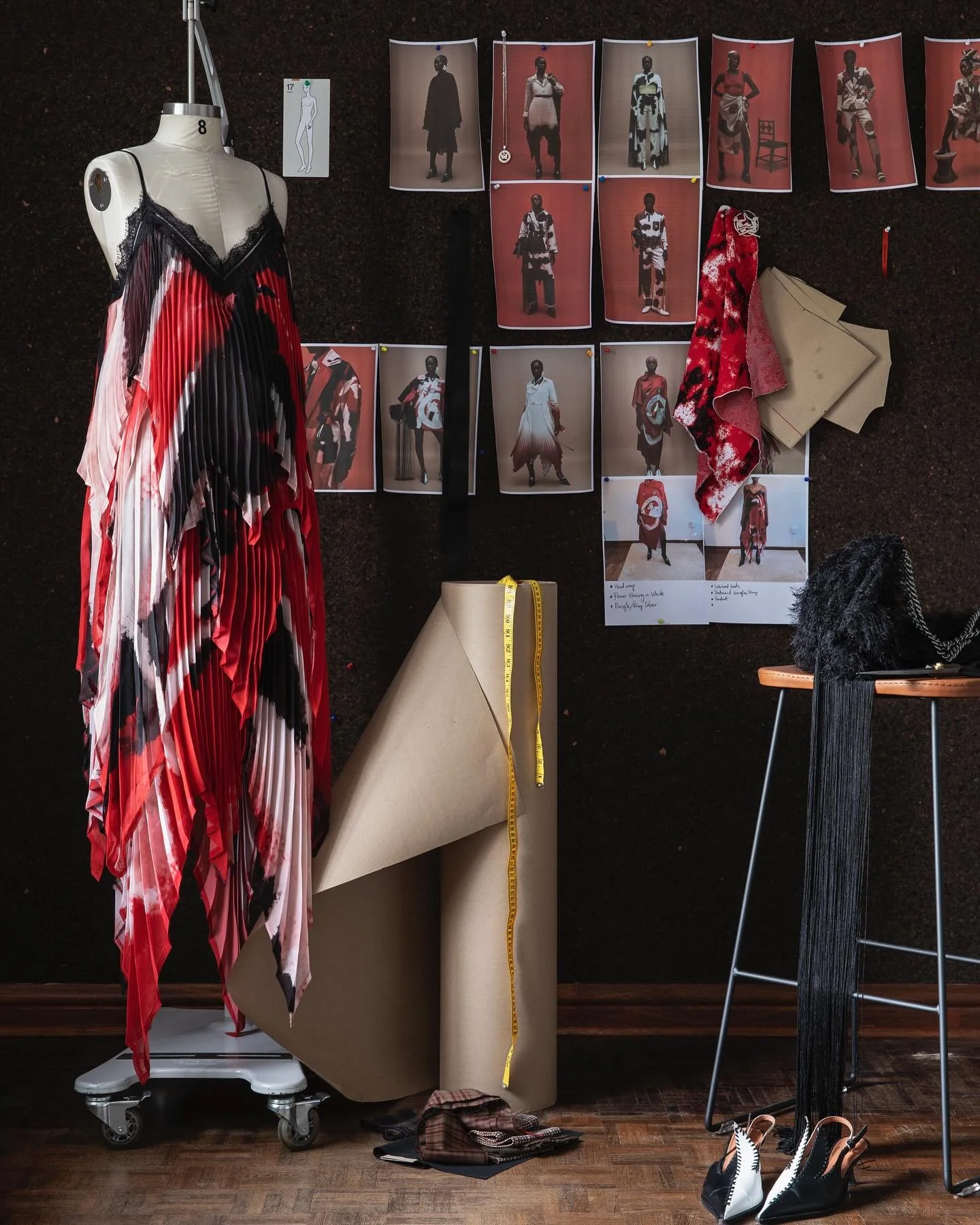
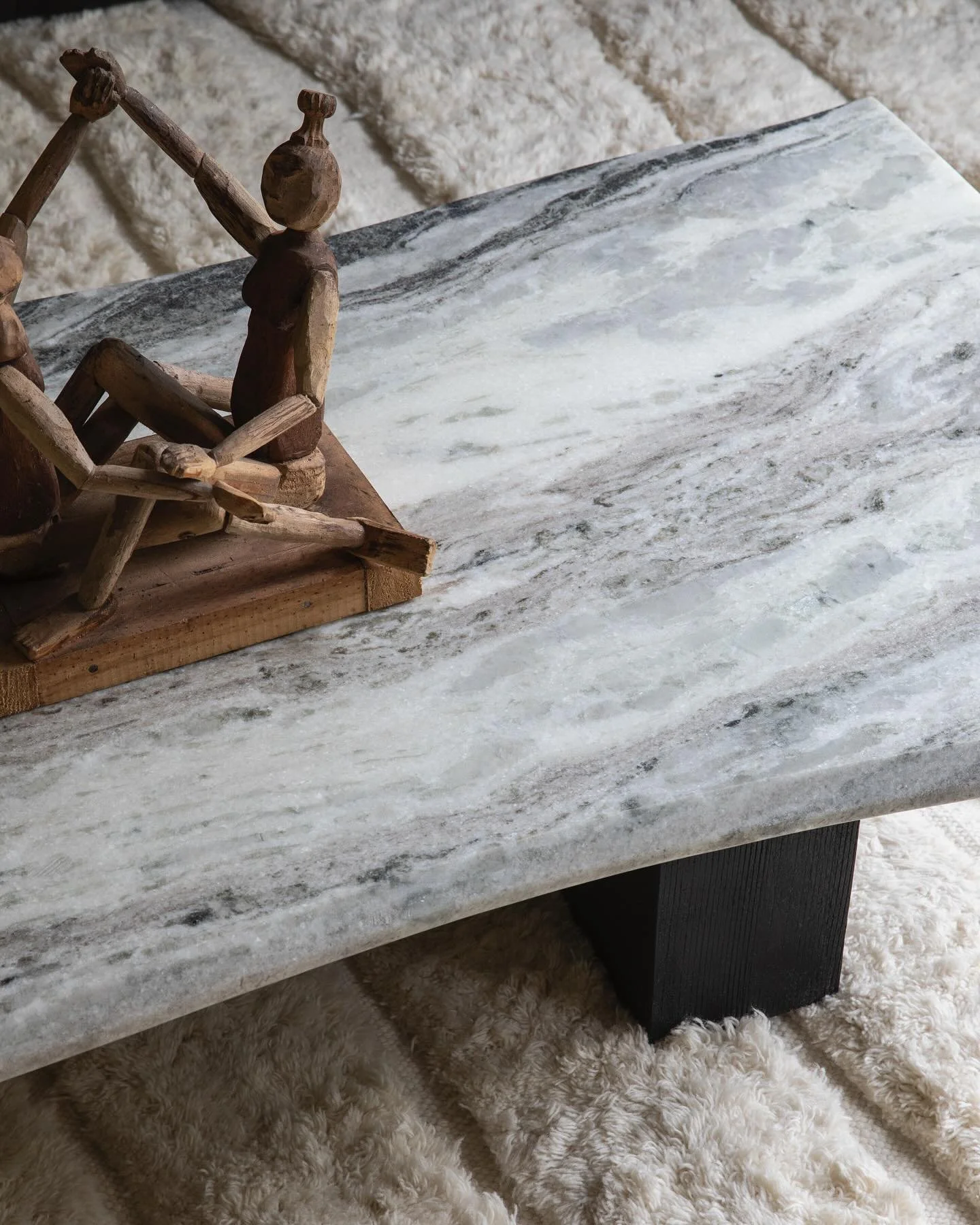
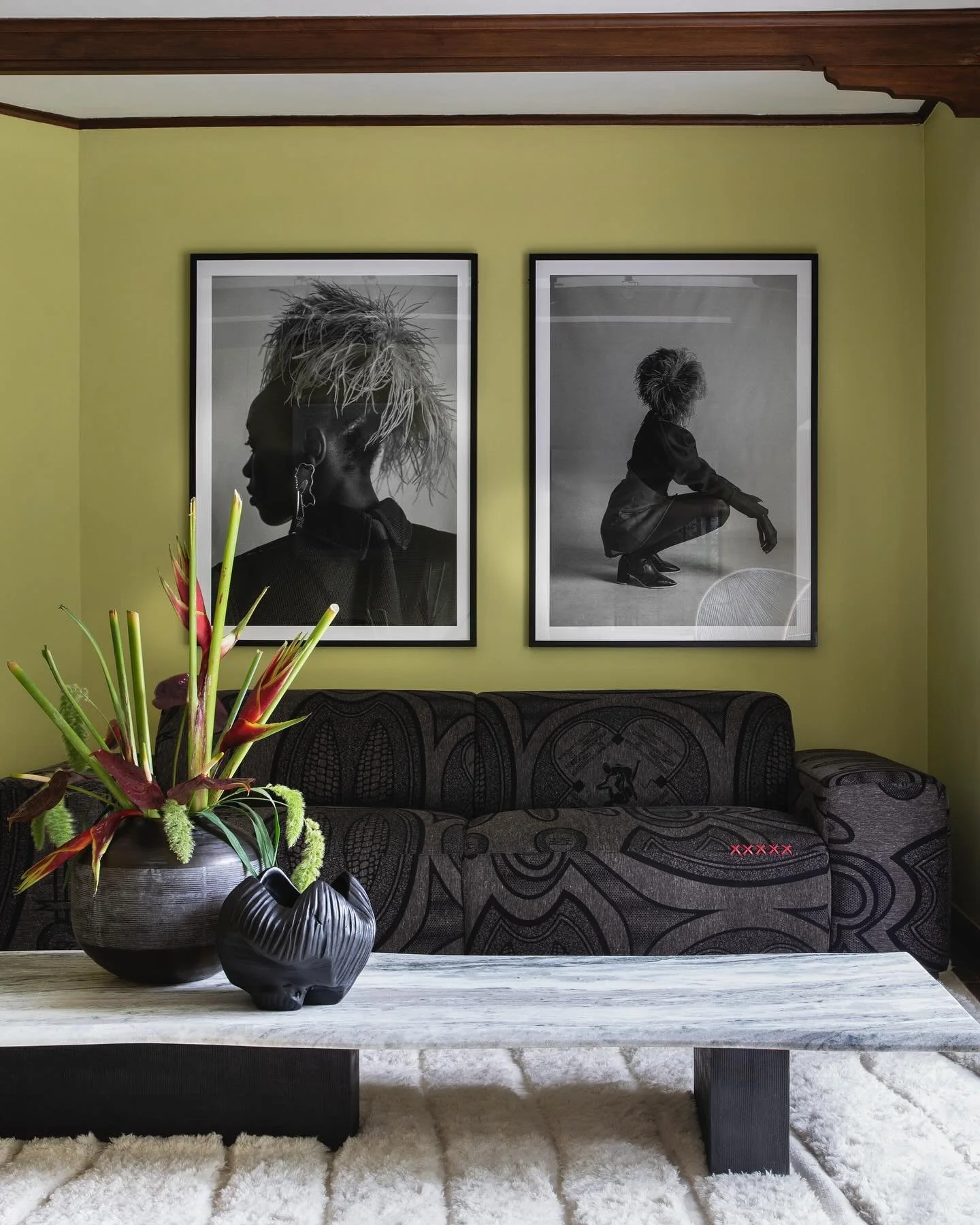
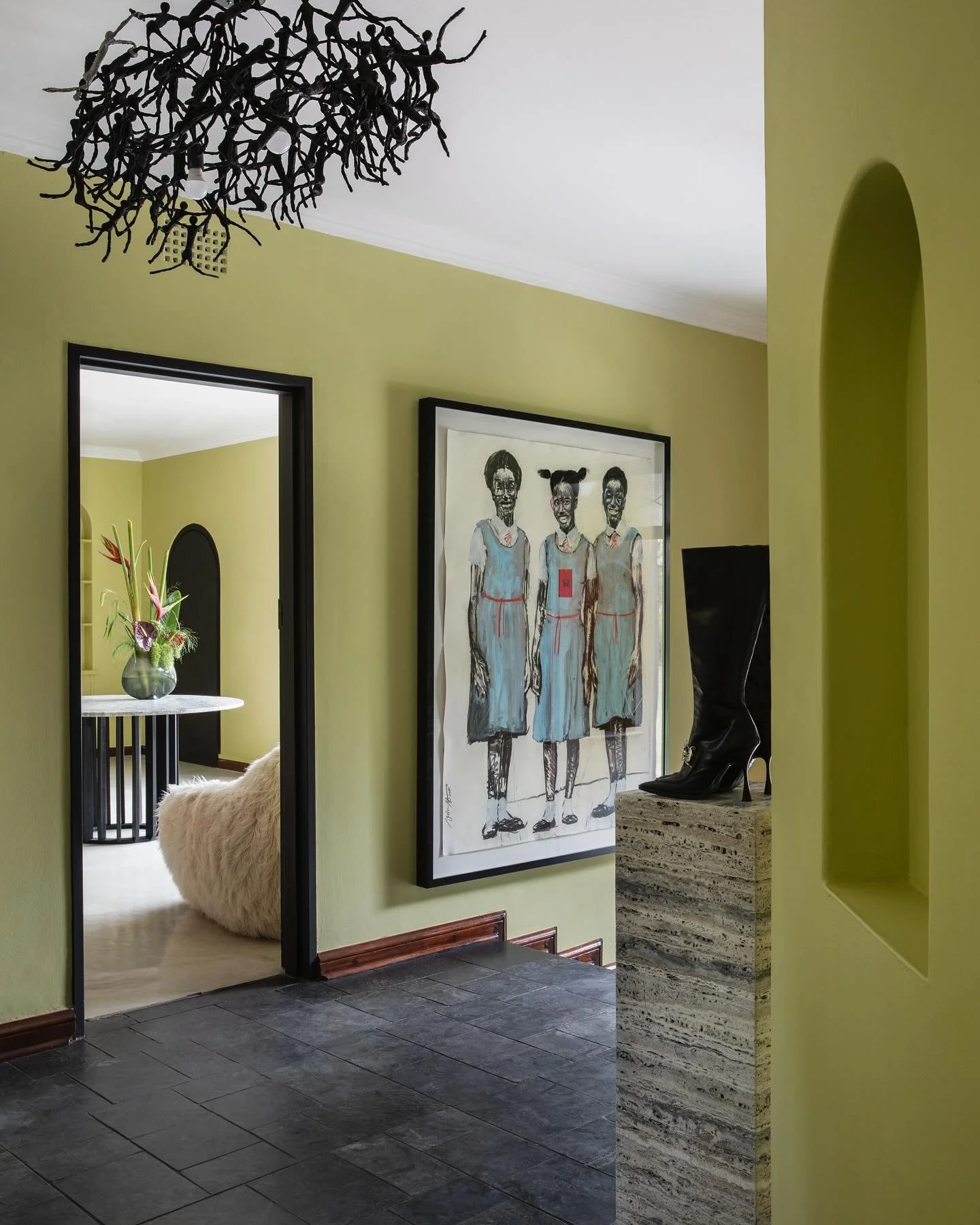
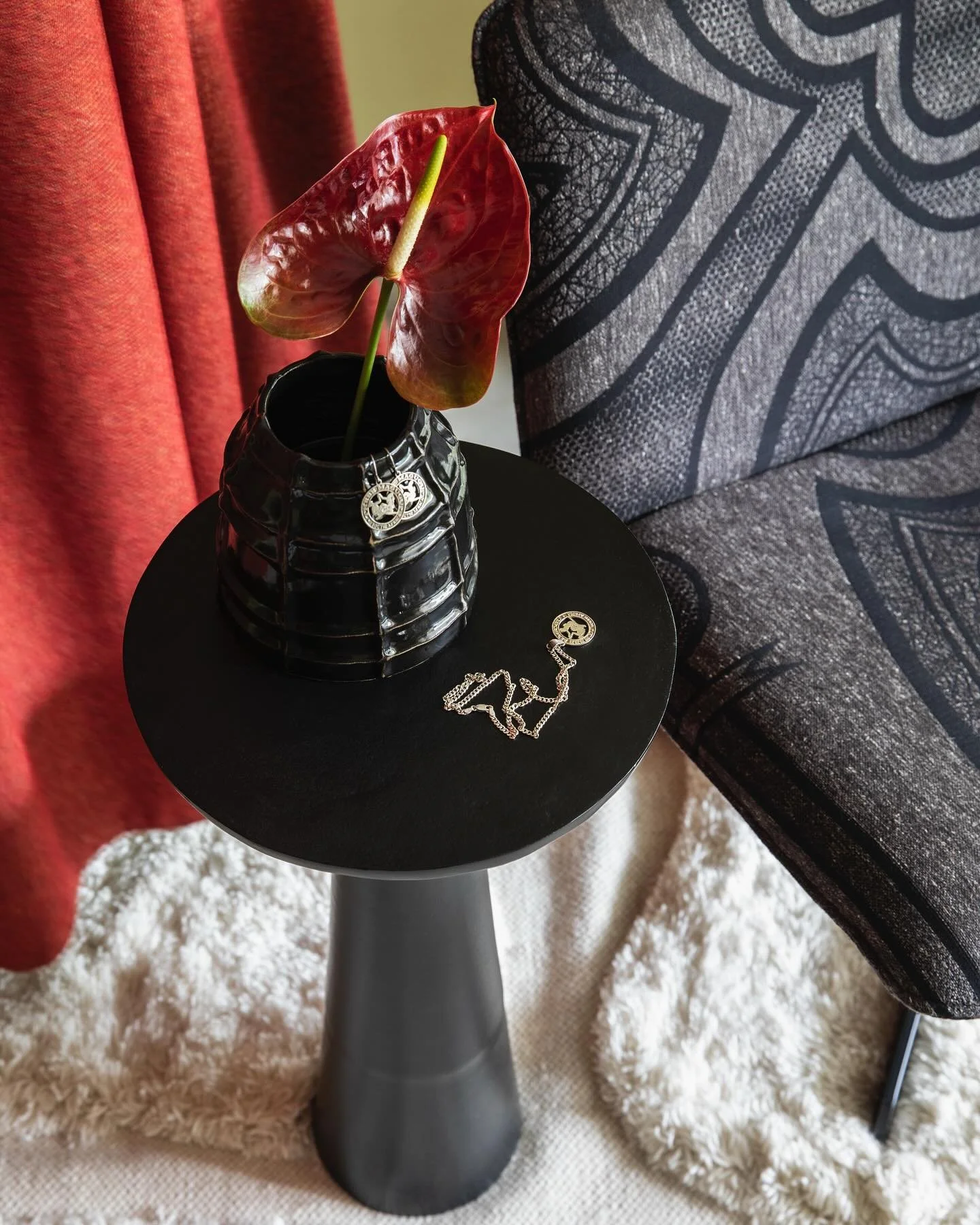
Alongside these independent platforms, Magugu has secured recognition from some of the world’s most influential luxury institutions. Collaborations with houses such as Dior and Valentino have expanded his global visibility, while museum acquisitions have ensured his work enters the historical record.
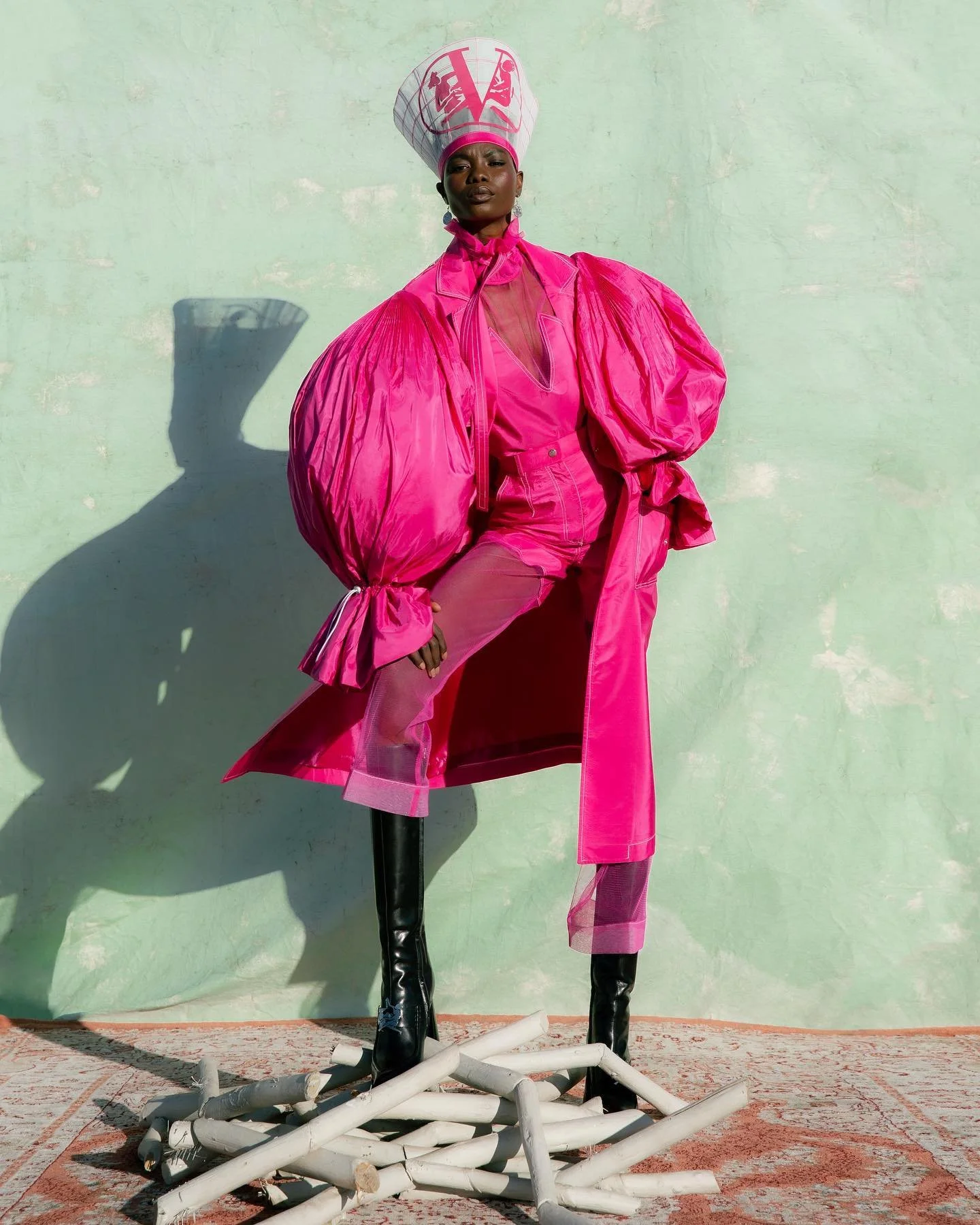
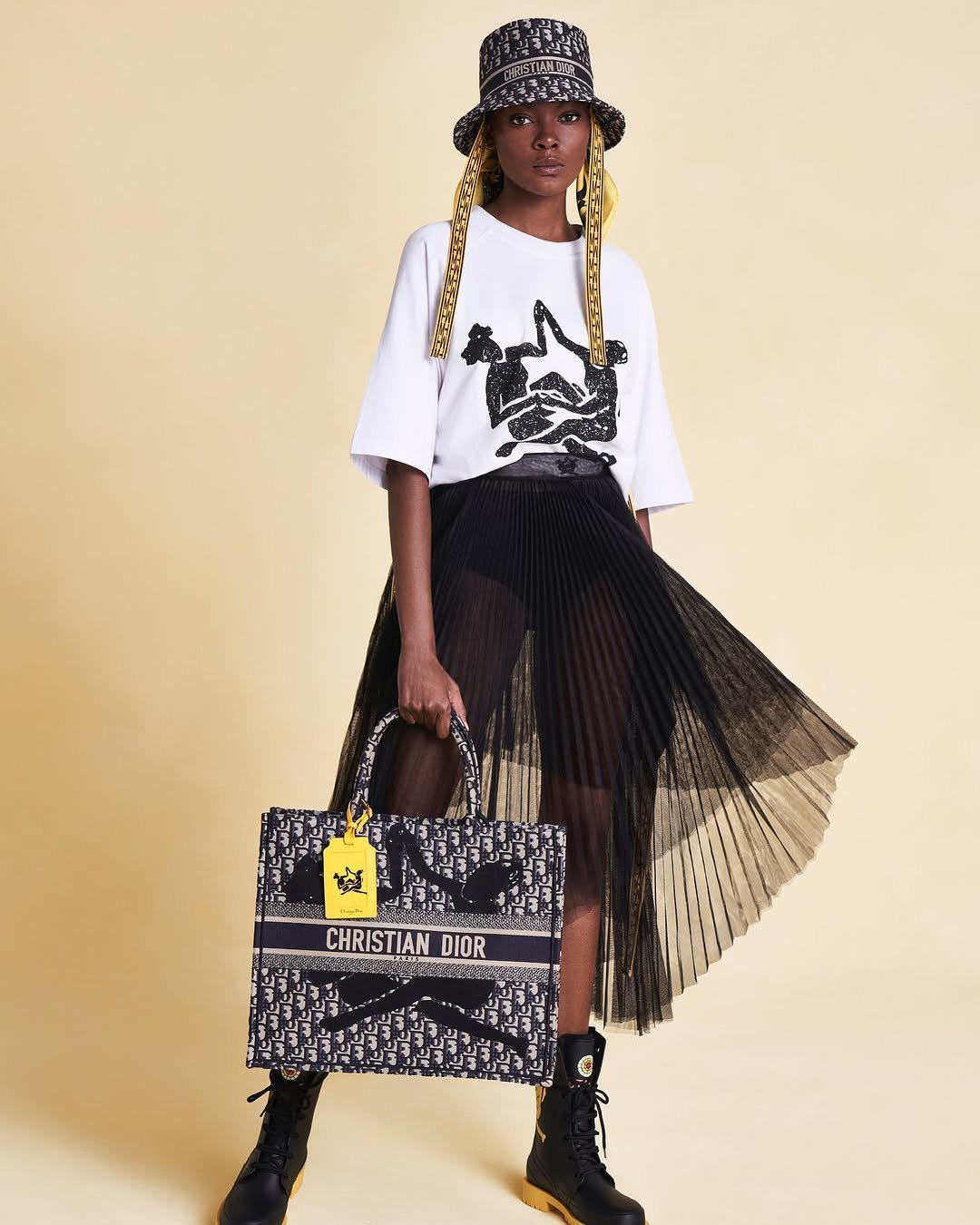
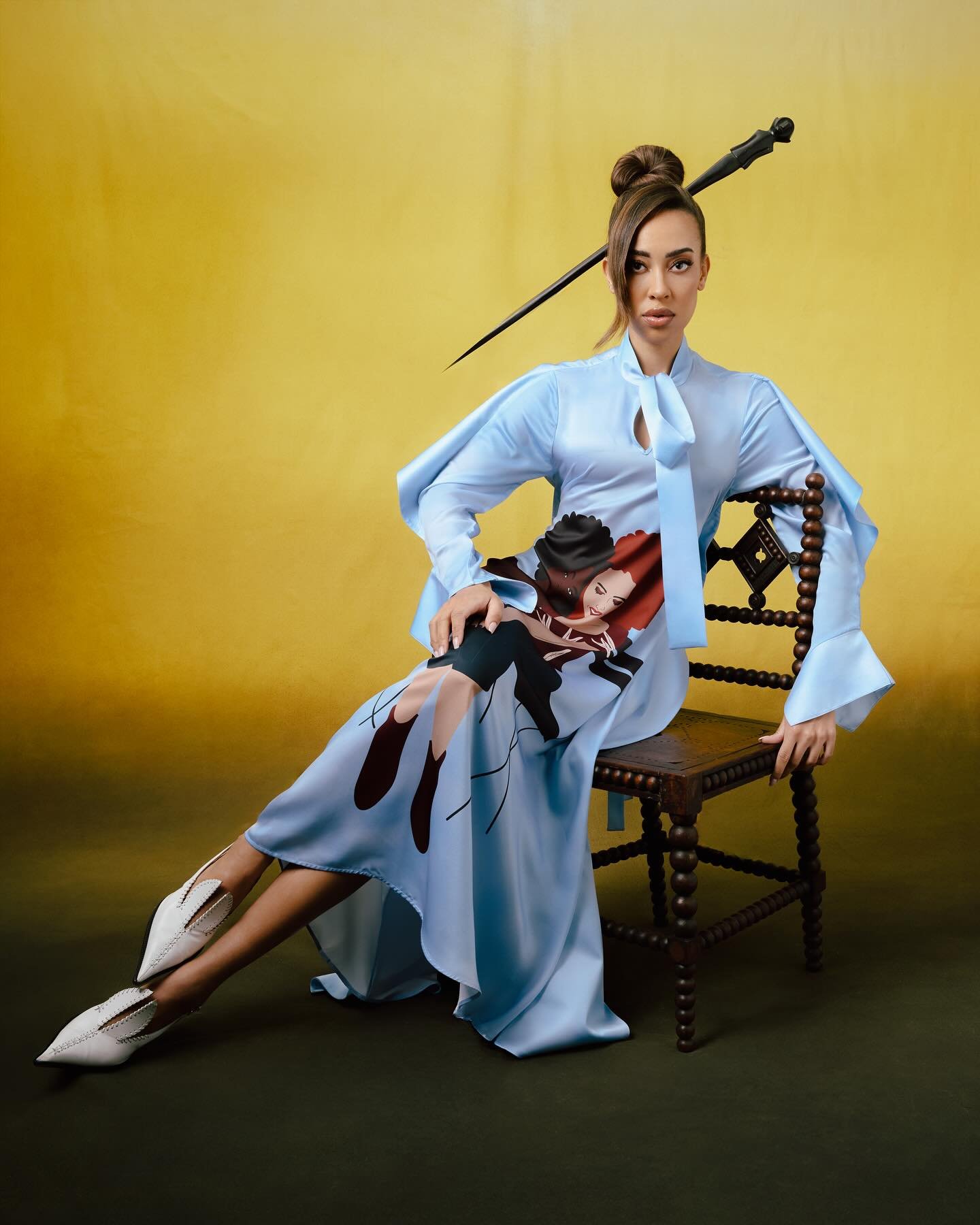
Garments including the Girl Seeks Girl dress now reside in the permanent collection of The Metropolitan Museum of Art, transforming what began as seasonal fashion into material culture preserved for future generations. Through publications, films, hospitality, and museum collections, Magugu demonstrates how a fashion practice can evolve into a lasting cultural institution.
Rich Mnisi
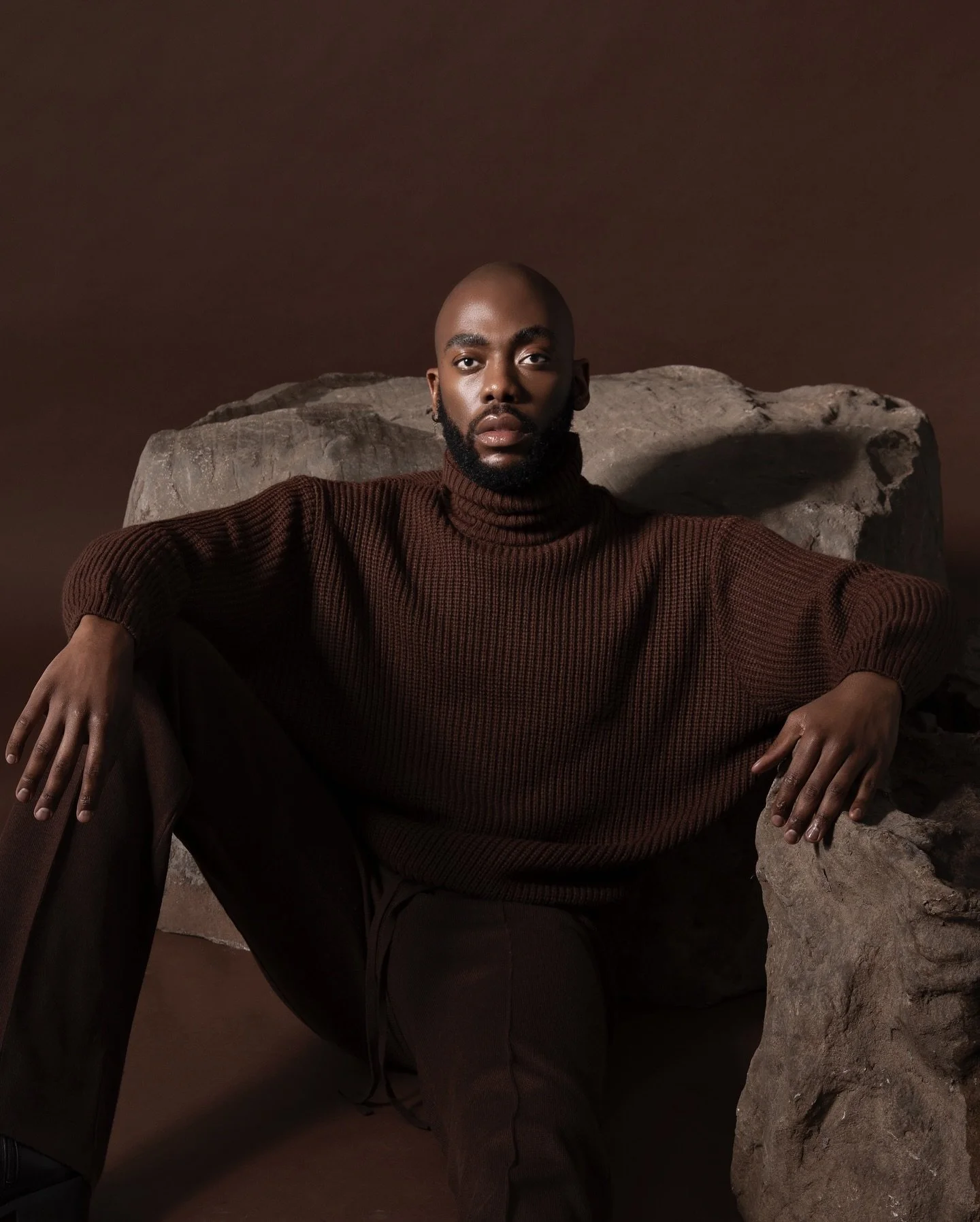
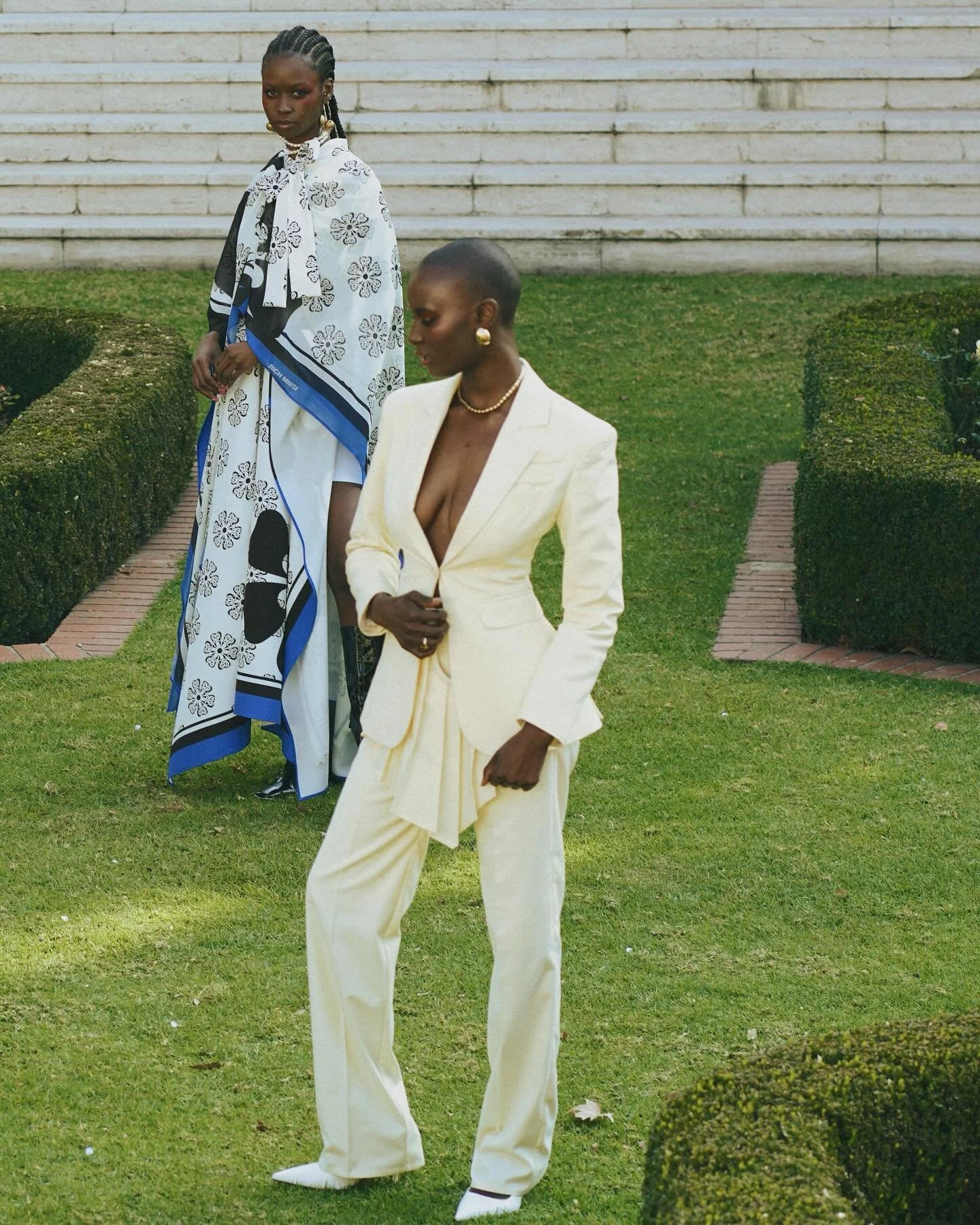
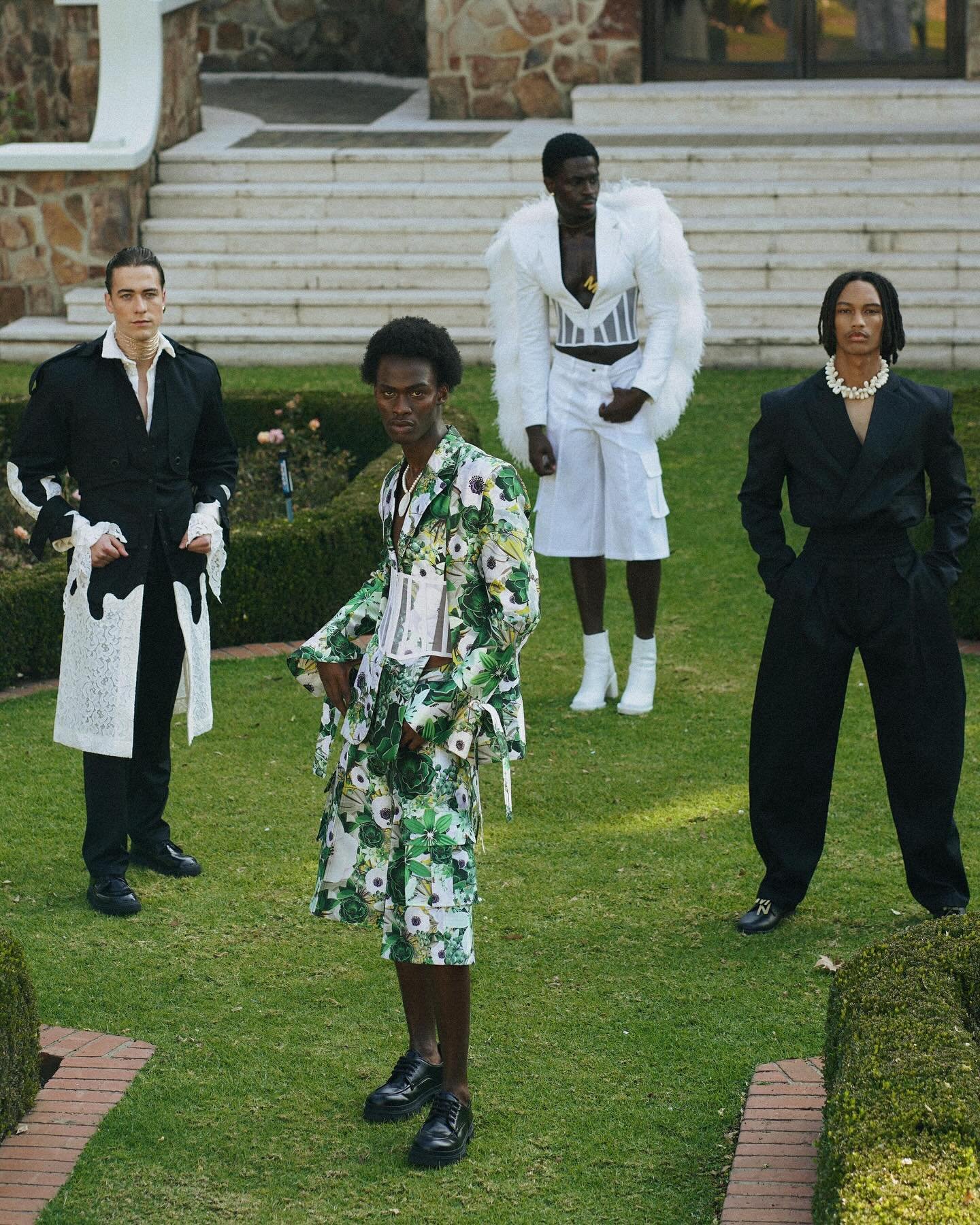
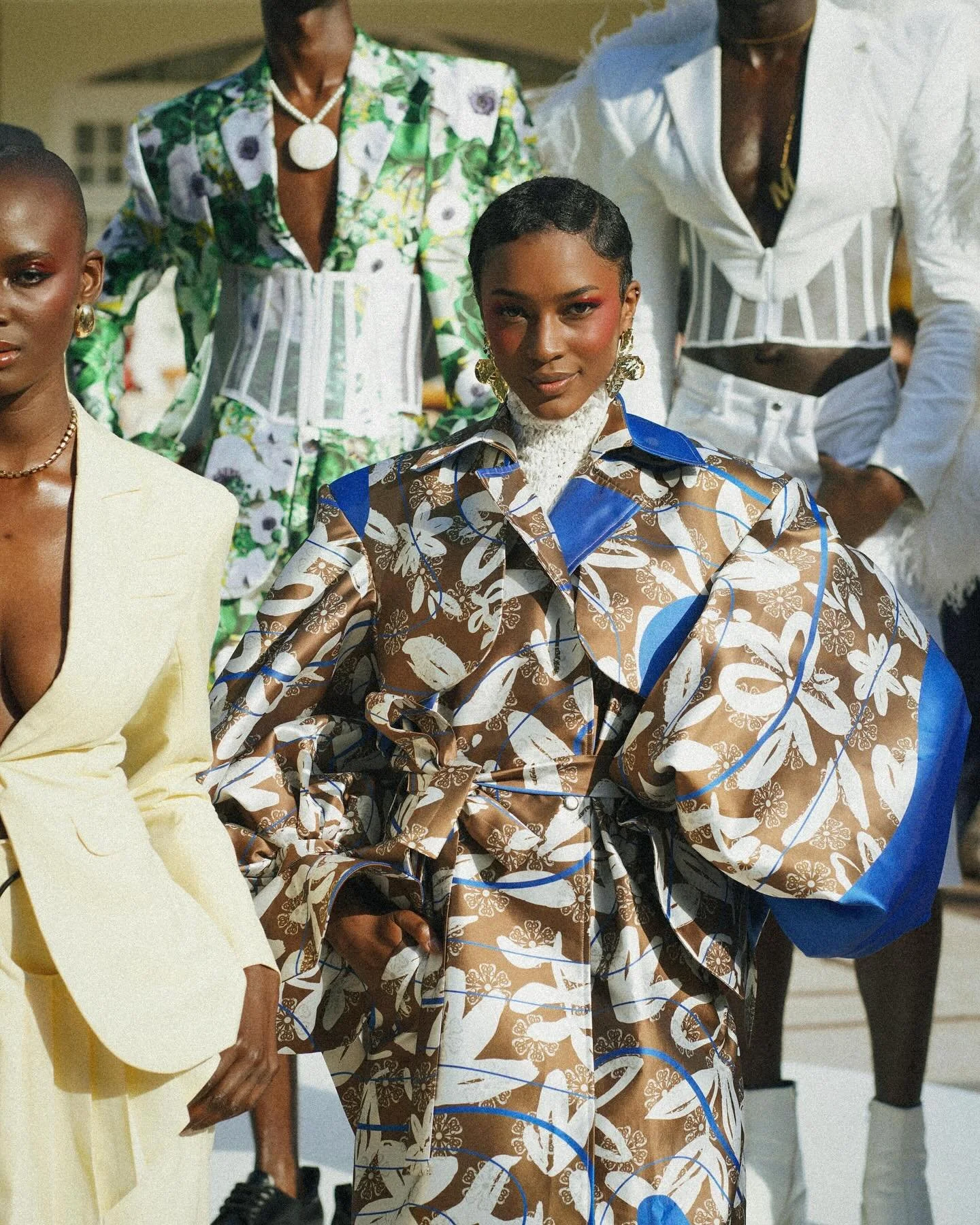
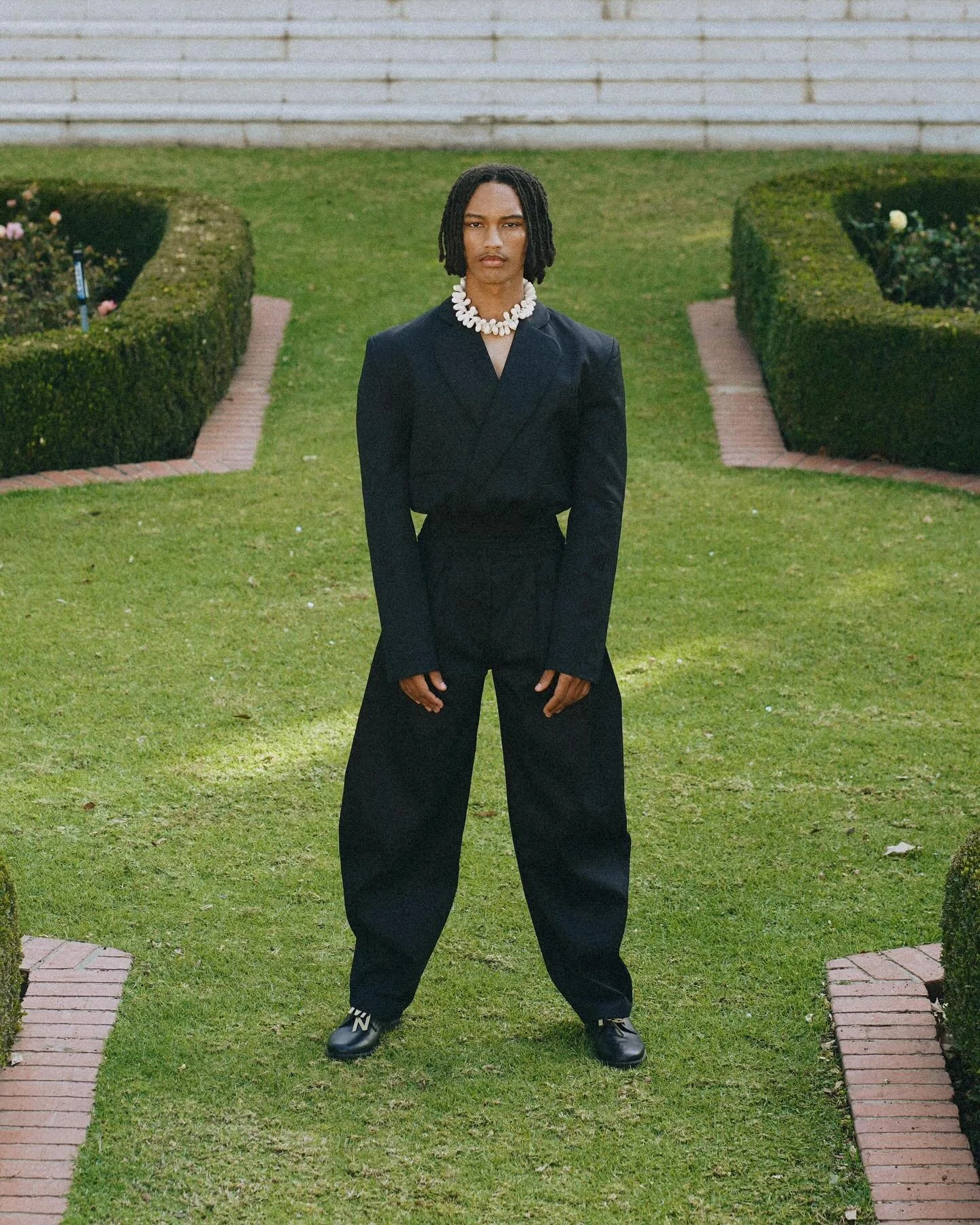
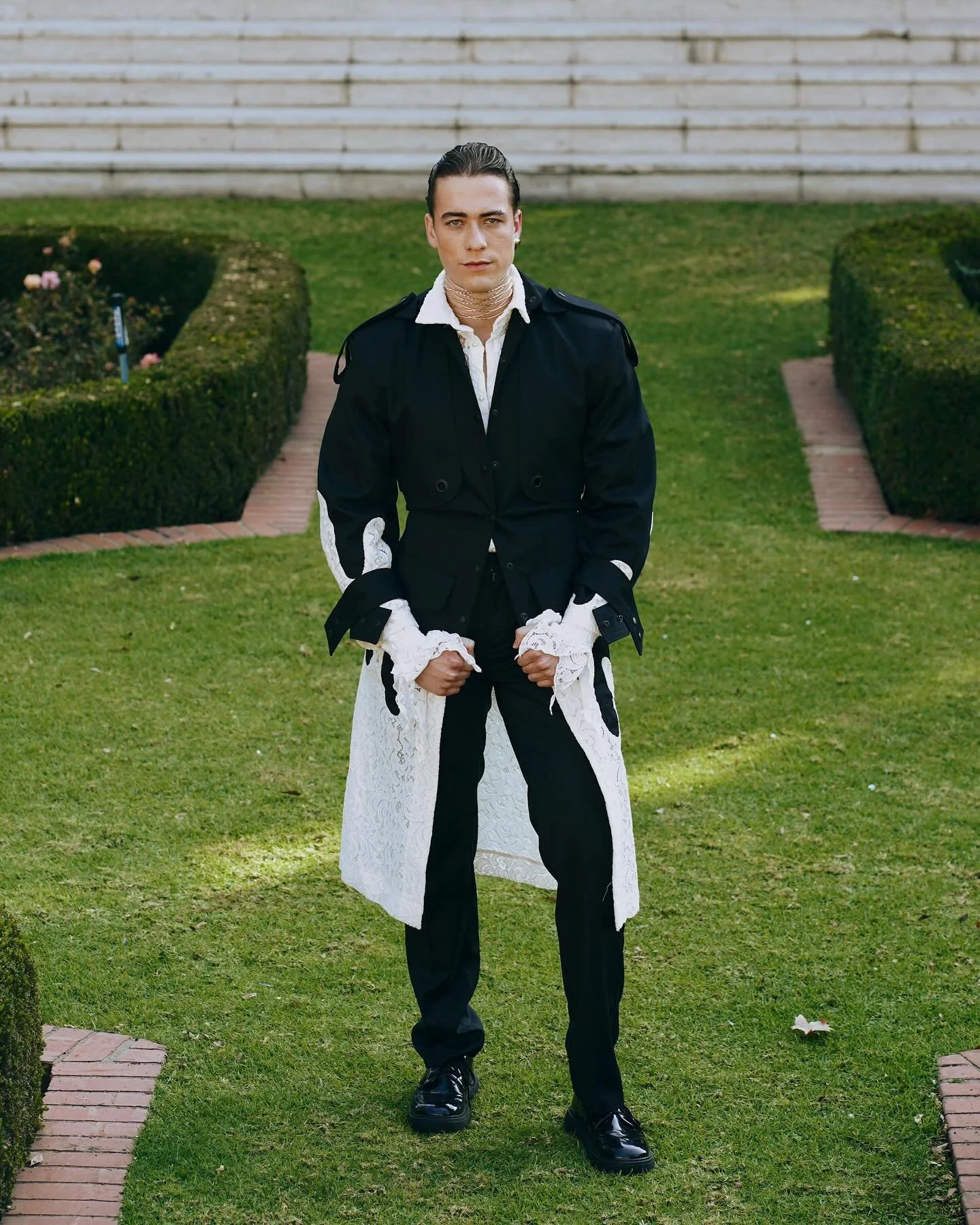
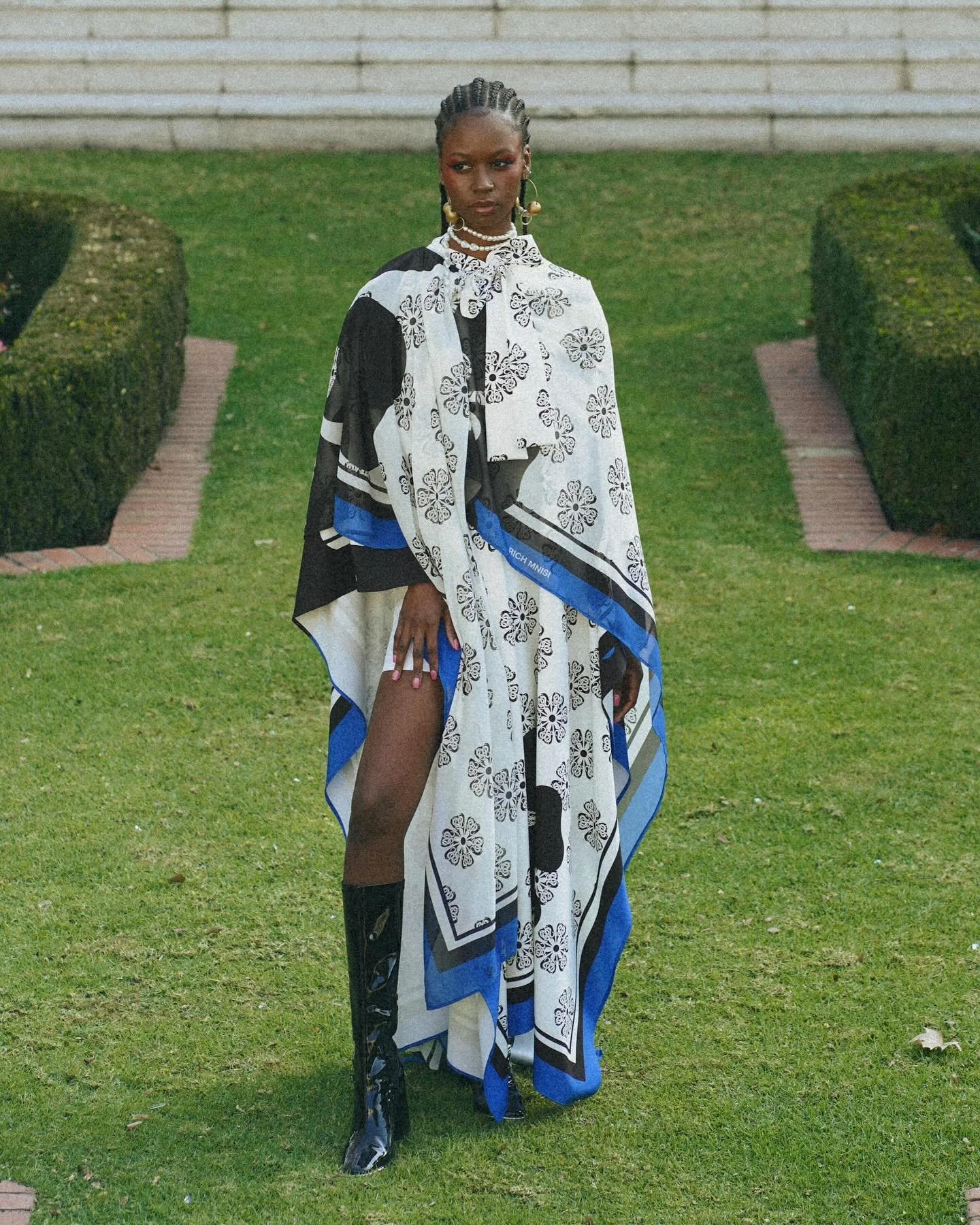
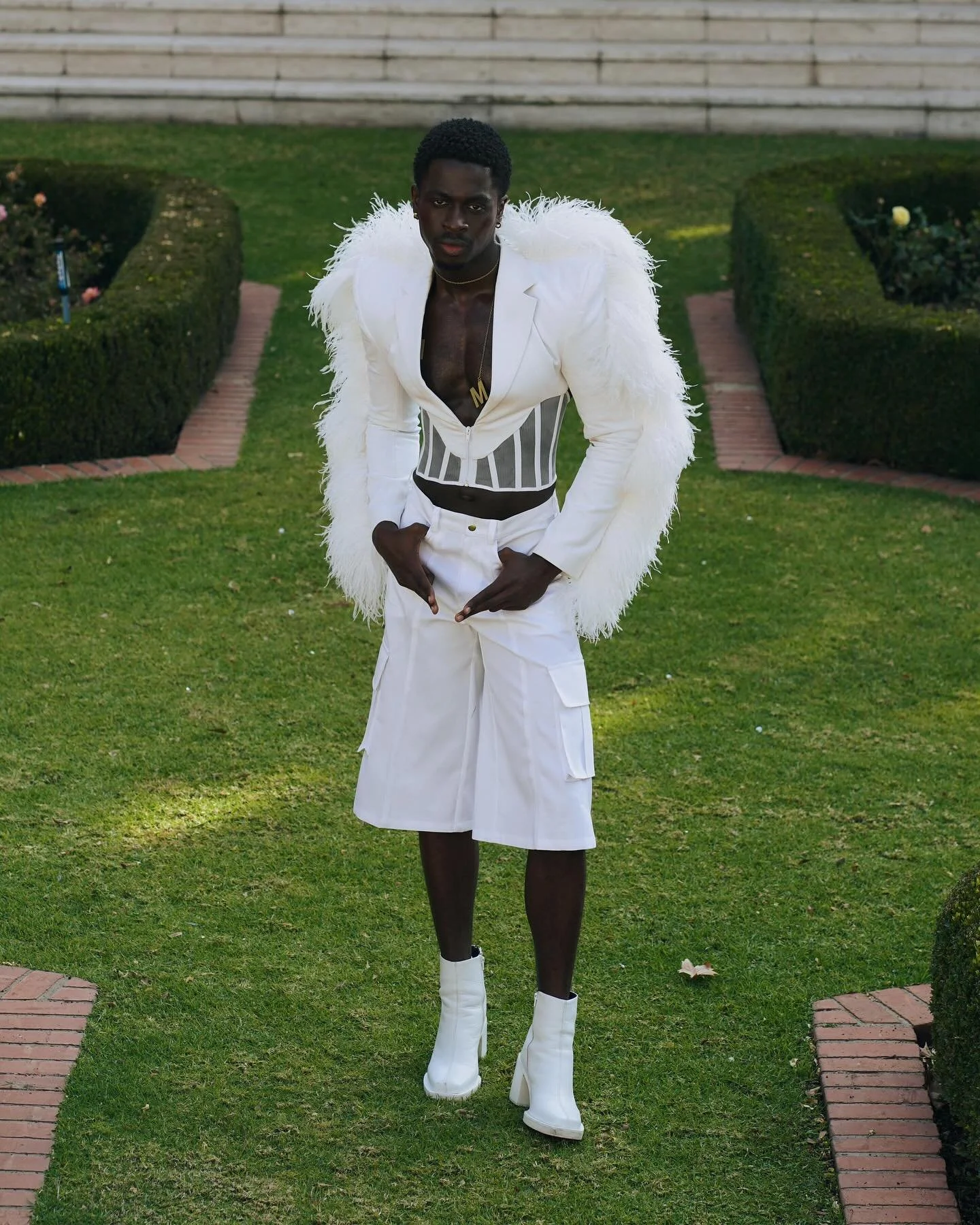
Rich Mnisi has built a creative universe by transforming VaTsonga heritage, family history, and queer identity into narratives that move fluidly across fashion and furniture. Rich Mnisi approaches every collection, object, and collaboration as part of a wider storytelling practice, allowing the same ideas to evolve across different mediums while remaining conceptually intact.
Drawing heavily from VaTsonga mythology and the women who shaped his life, Rich Mnisi transforms intimate histories into public monuments. His work consistently returns to figures such as his great-grandmother, Nwa-Mulamula, whose presence has become a recurring symbol within his creative practice. Equally significant is his insistence on placing queer African identities within spaces from which they are often absent.
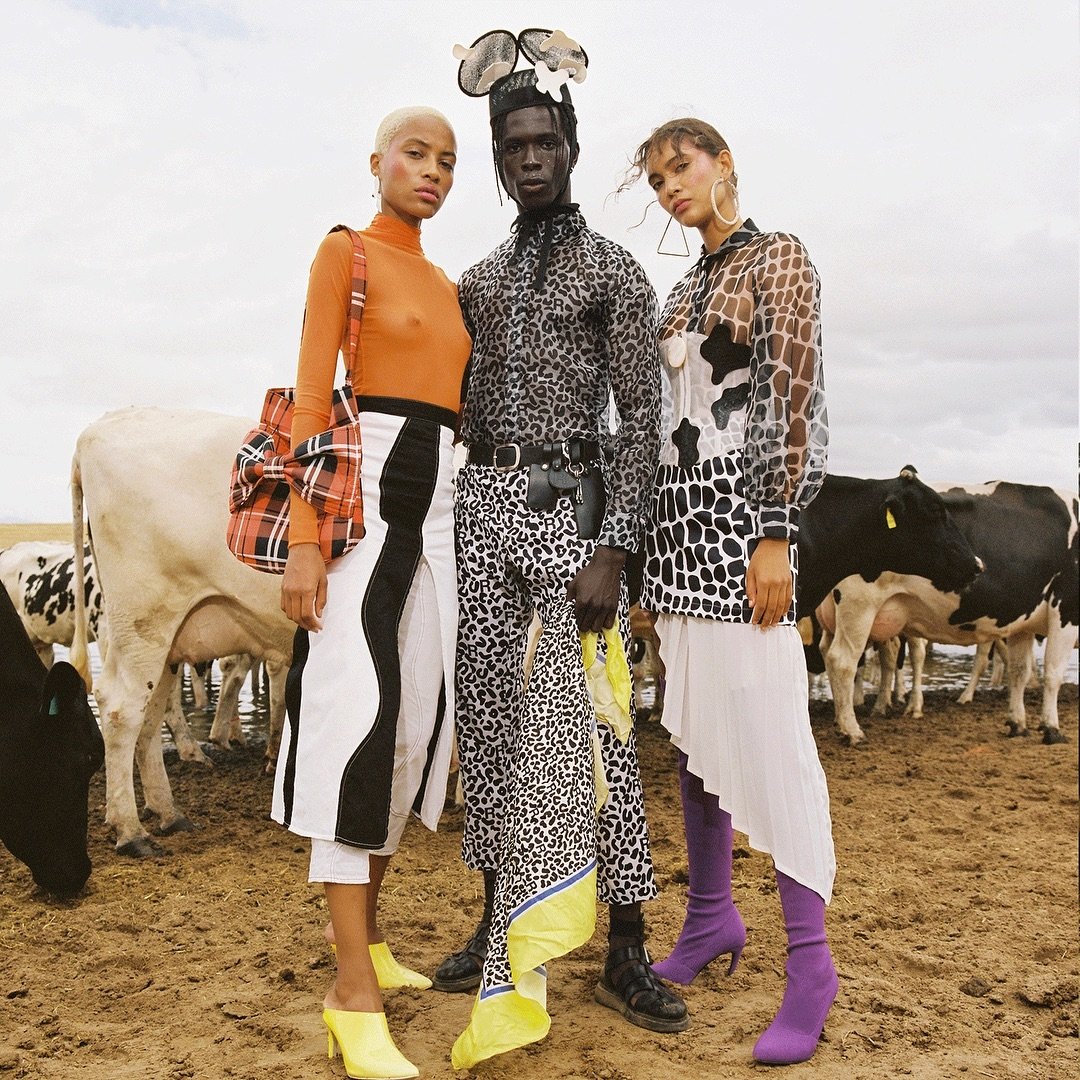
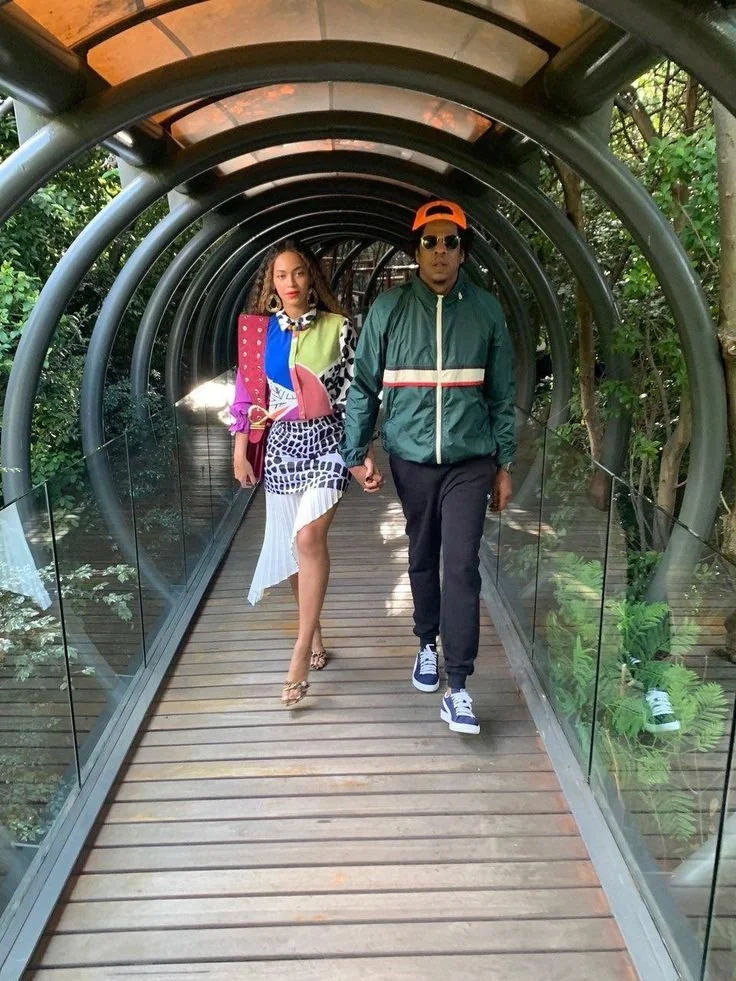
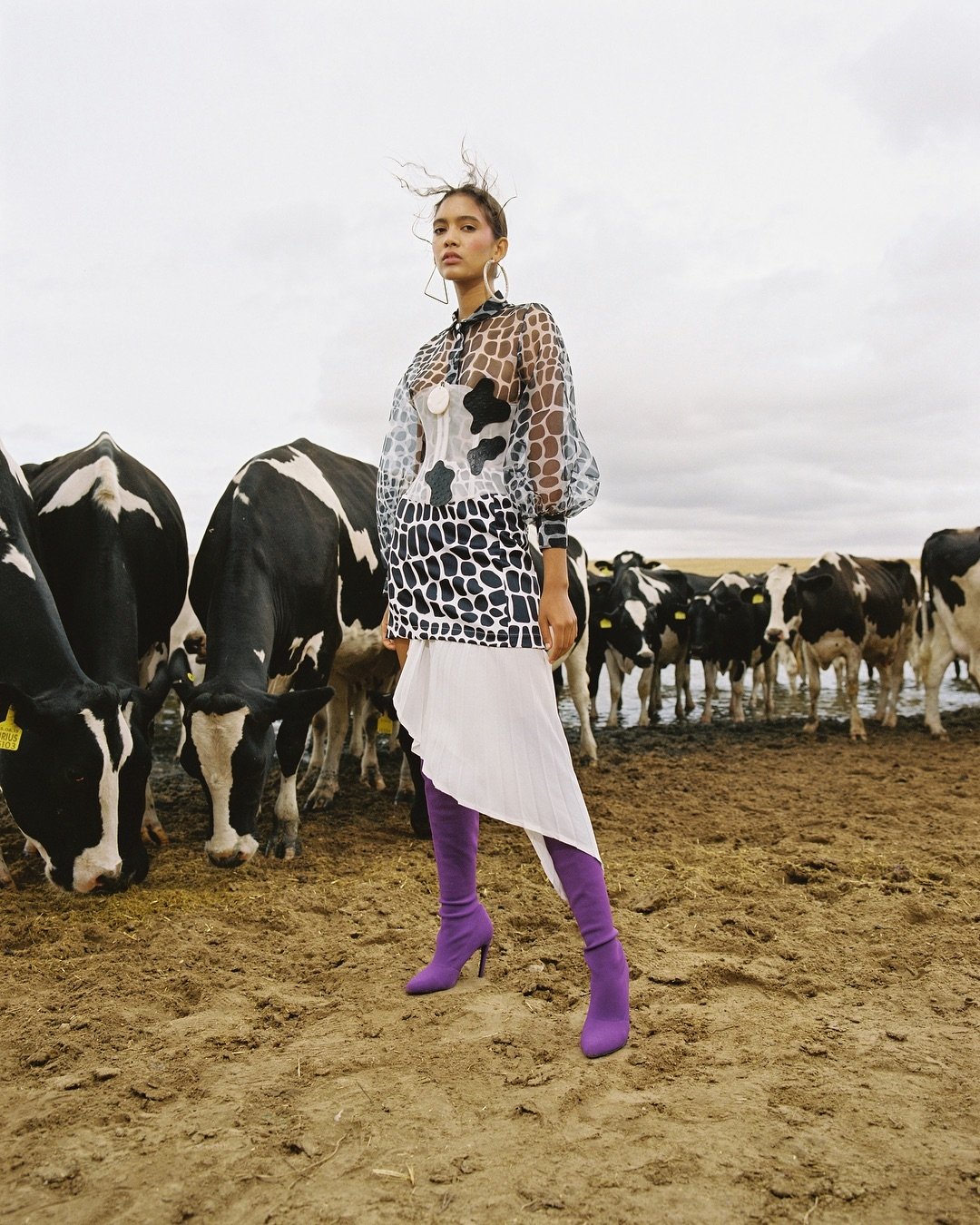
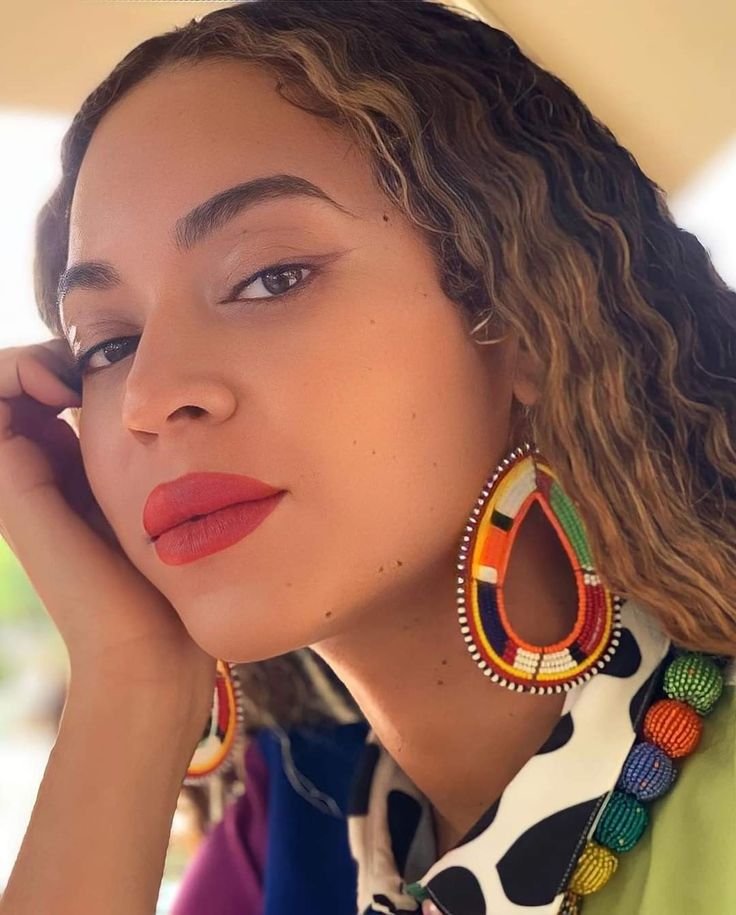
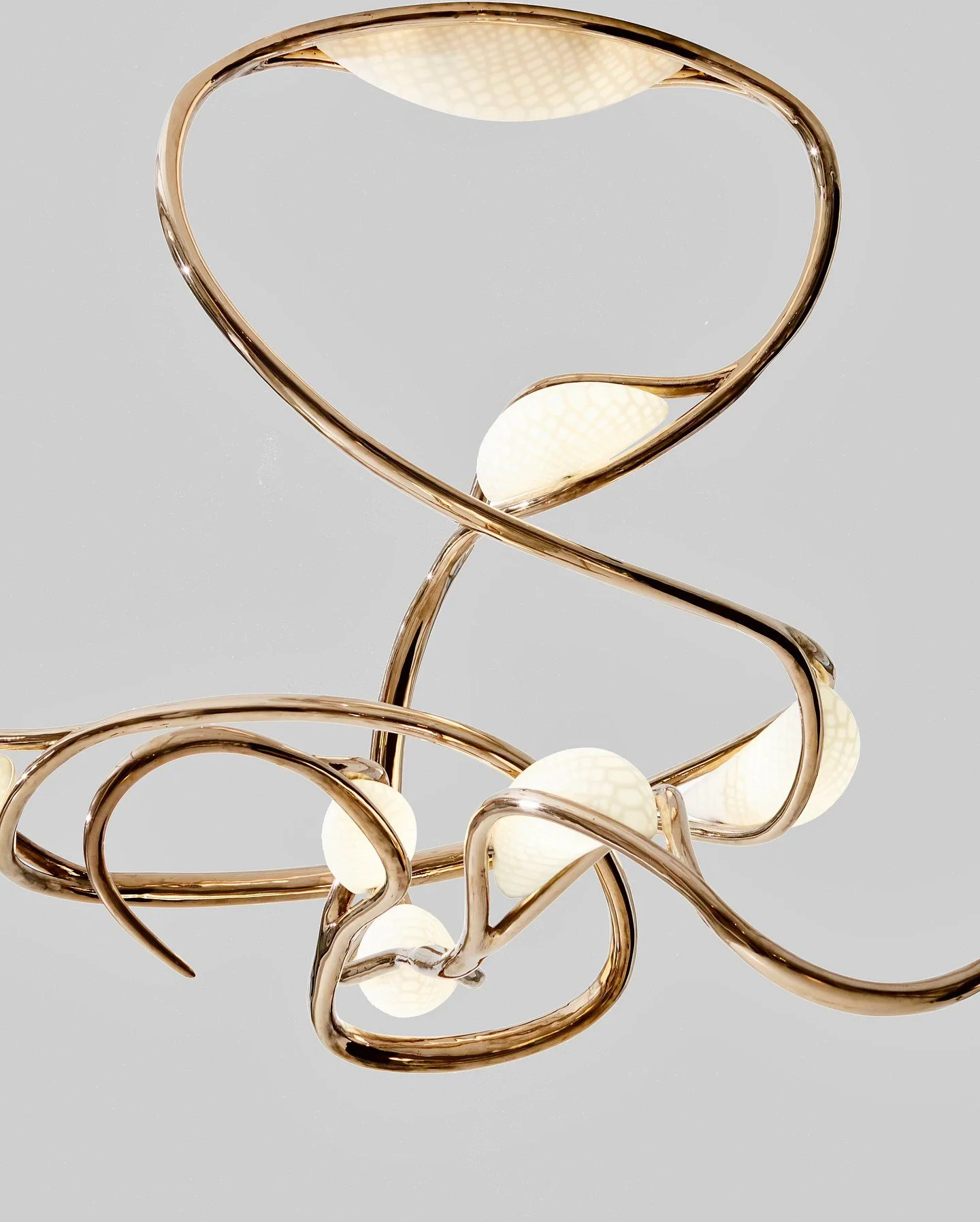
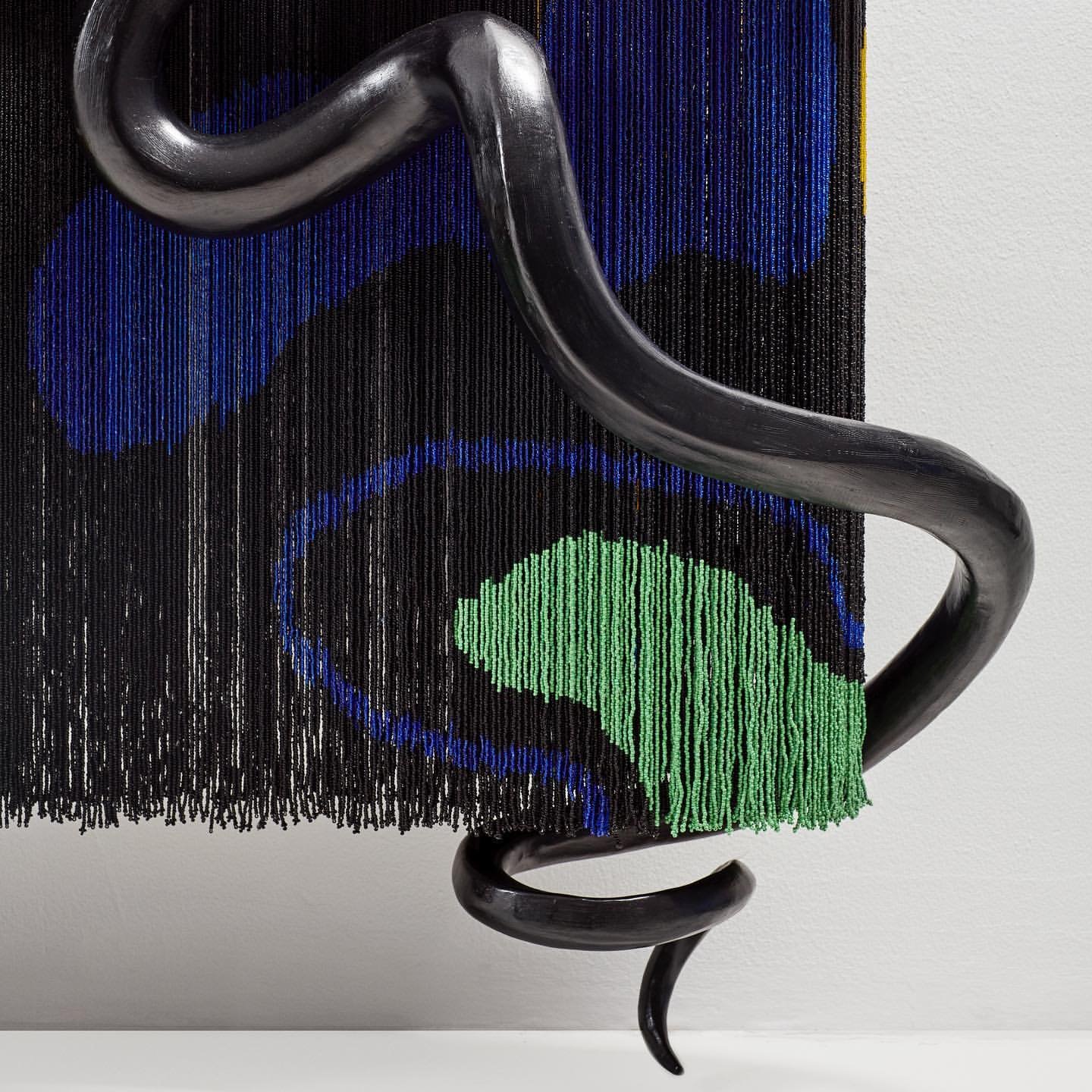
This narrative-driven approach has allowed Mnisi to extend his practice beyond the runway into the world of collectible furniture. Through collaborations with Southern Guild and presentations at international platforms such as Design Miami, he has translated the same themes found in his garments into sculptural furniture and functional artworks. His debut furniture collection, Nwa-Mulamula, transformed the memory of his great-grandmother into a series of monumental objects crafted from bronze, leather, stone, mohair, and hand-beaded elements. In doing so, Mnisi shifted history from the temporary rhythm of seasonal fashion into the permanence of institutional collections.
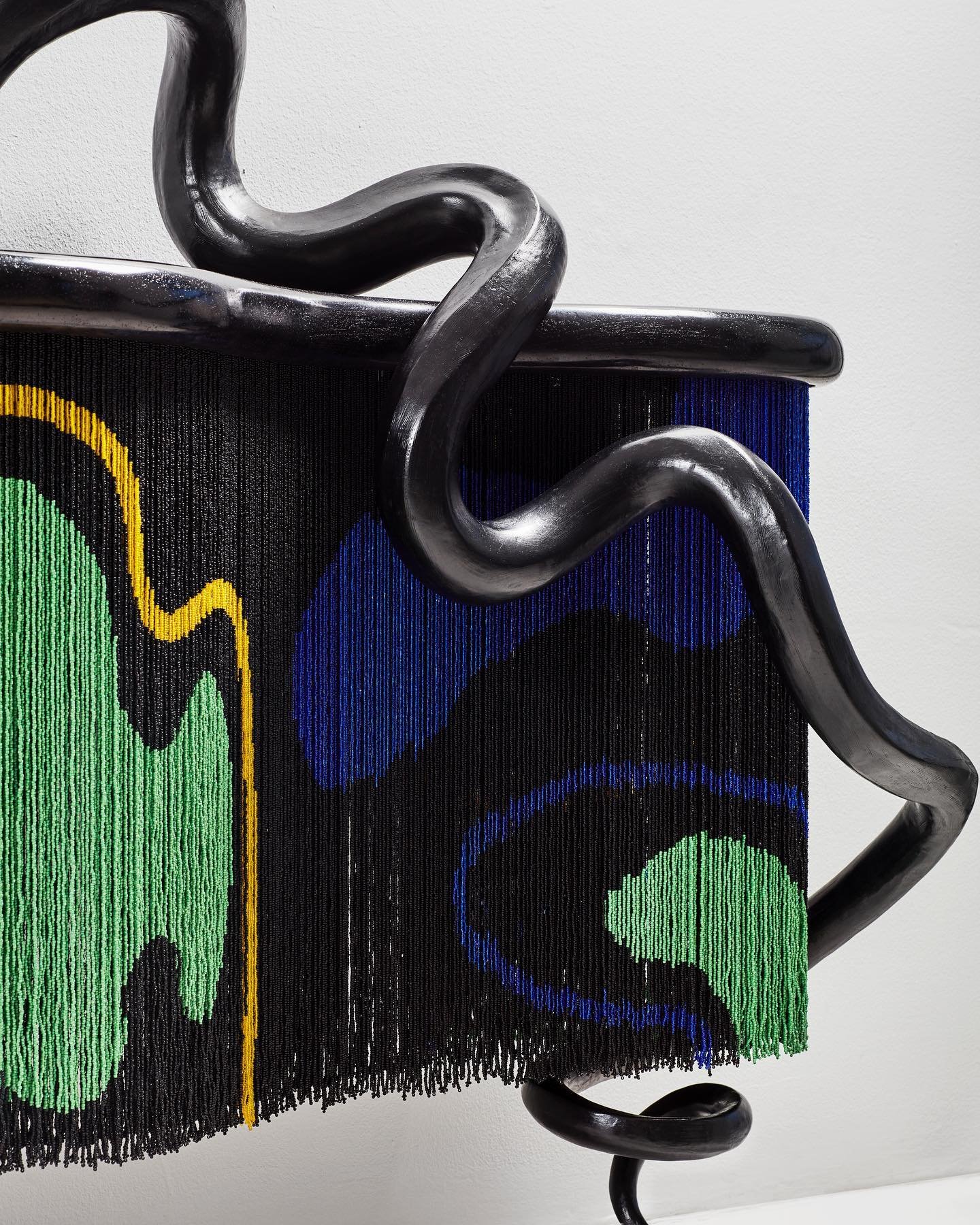
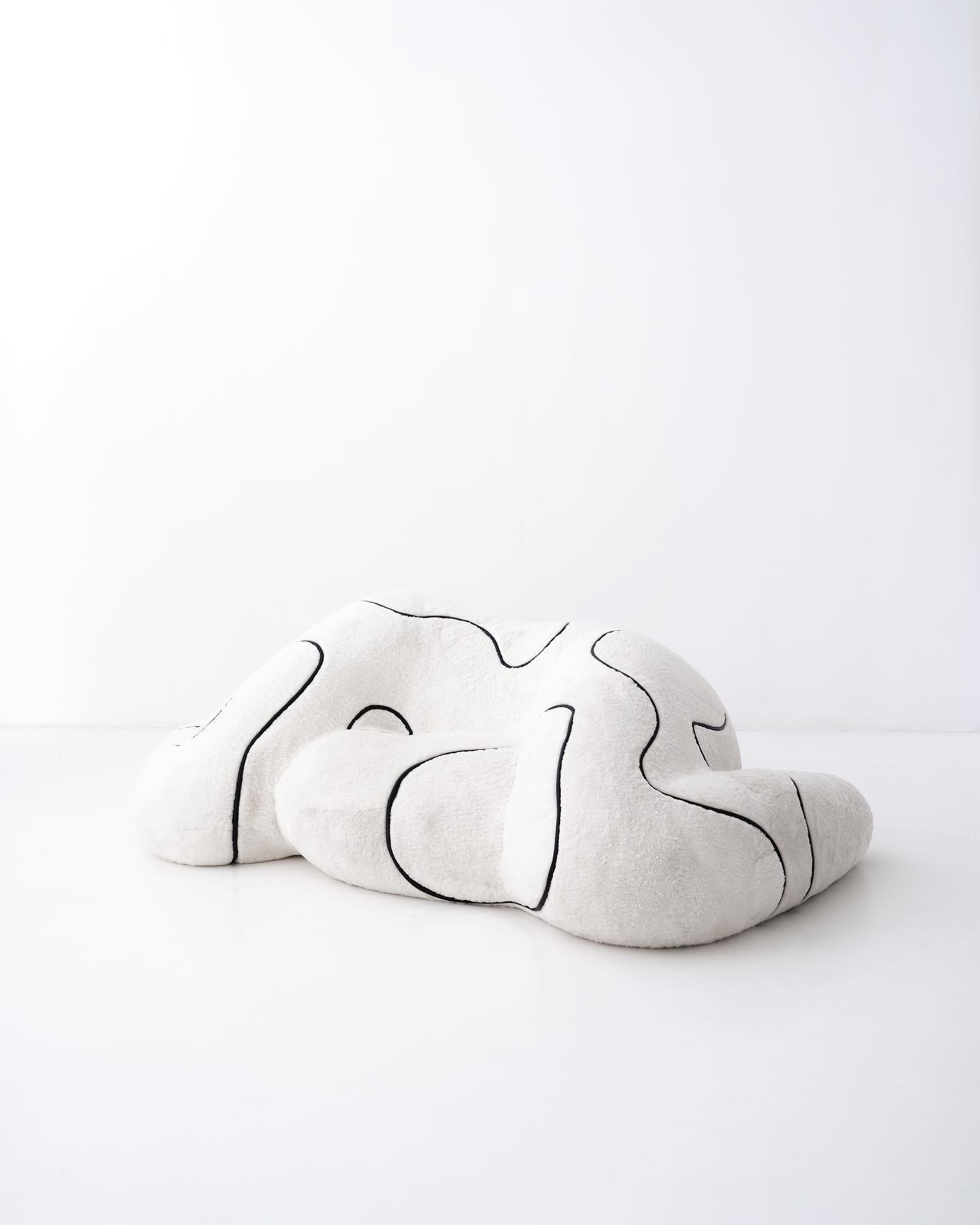
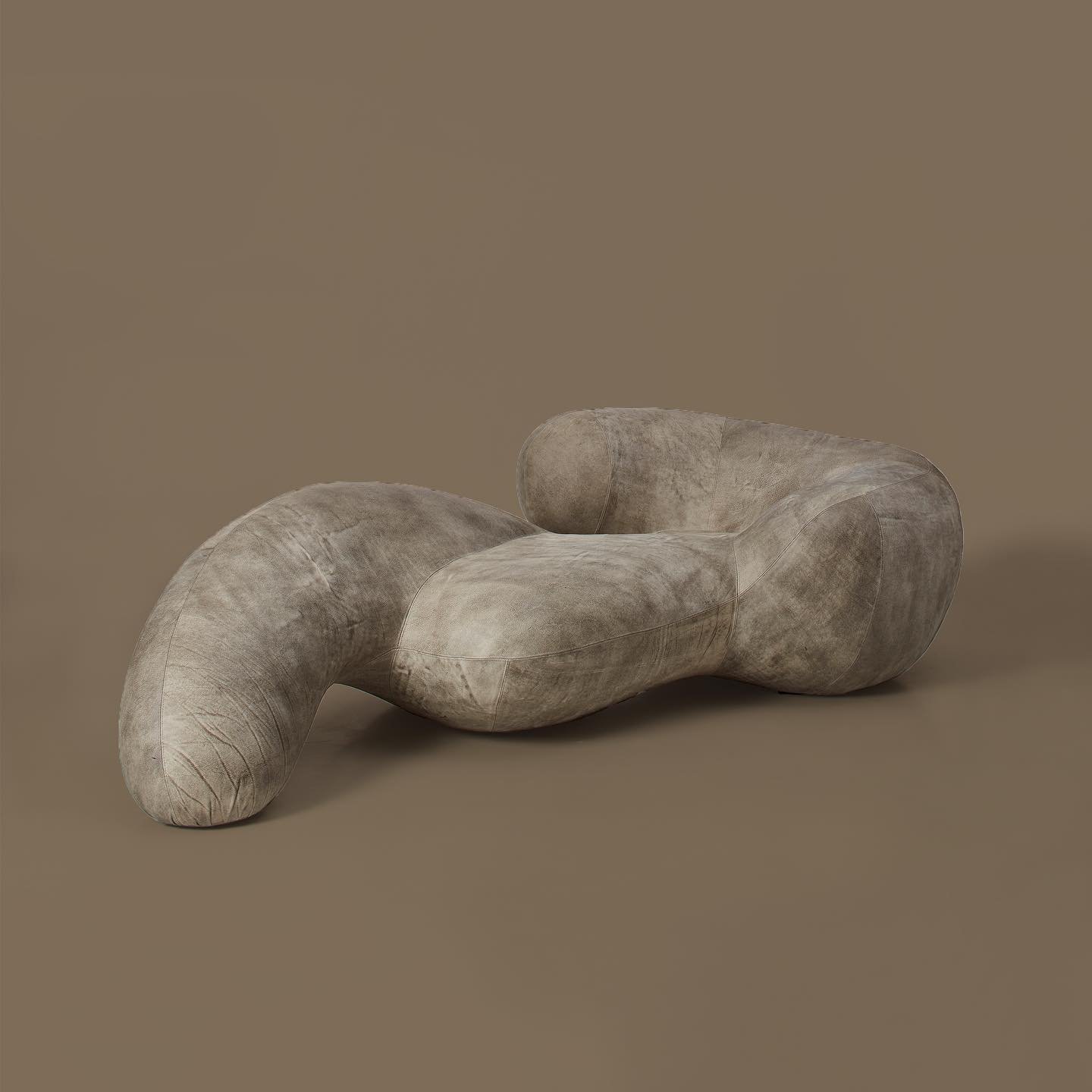


Mnisi’s partnerships with Adidas, Coca-Cola, BMW, Johnnie Walker, and other international brands introduced his visual language to audiences beyond the fashion industry. Yet these collaborations function as more than commercial exercises. Whether incorporating Tsonga-inspired motifs into an Adidas collection or using corporate platforms to share messages of self-expression and inclusivity, Mnisi remained the author of the project.
Alongside this global visibility, Mnisi remains invested in the survival of traditional craftsmanship. Through collaborations with artisans and collectives such as Monkeybiz, Coral & Hive, and Bronze Age Studio, he integrates beadwork, weaving, casting, and other specialist techniques into luxury production. By connecting fashion and furniture, Rich Mnisi has built a practice that demonstrates how personal narratives can evolve into enduring cultural value.
MAXHOSA AFRICA
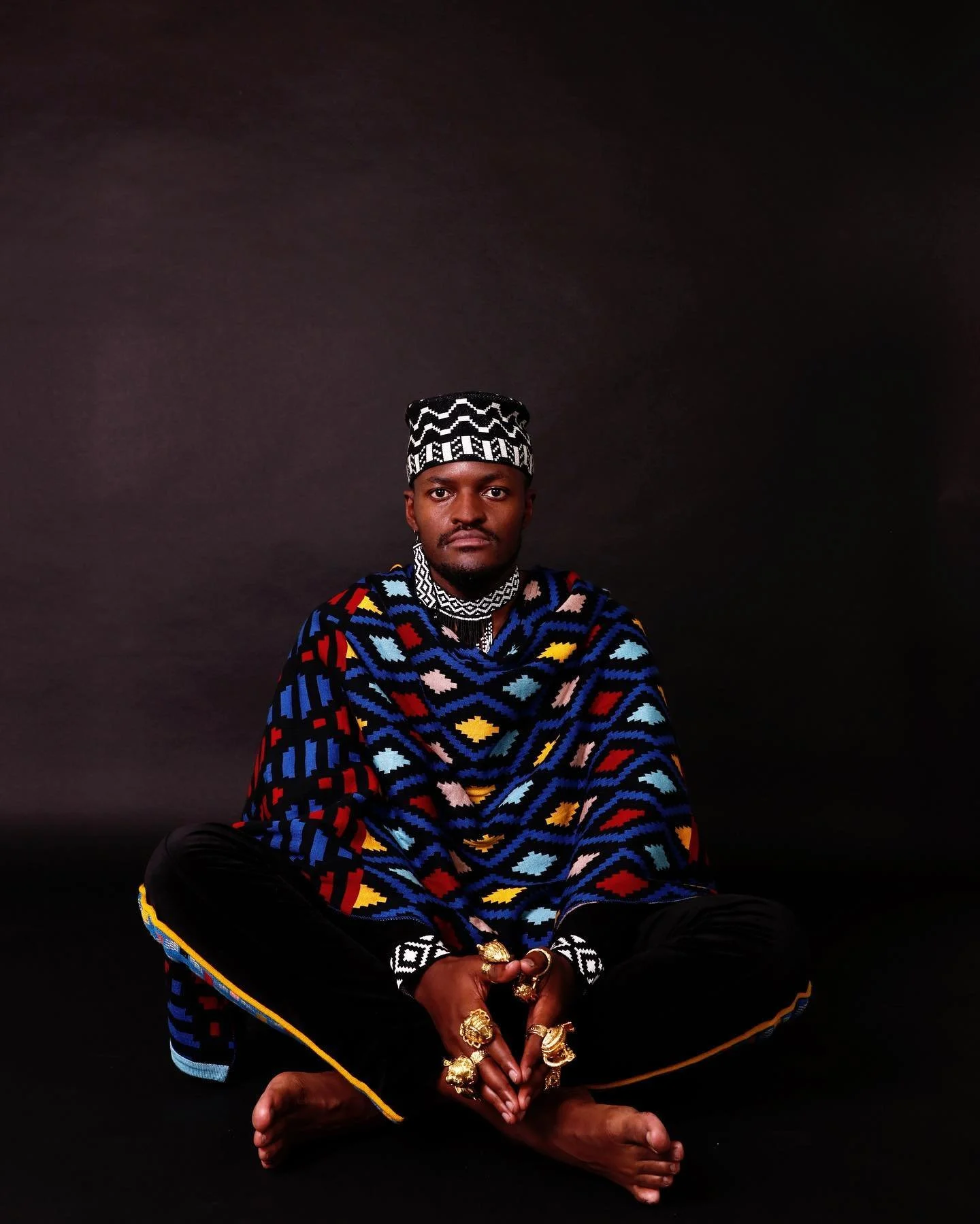
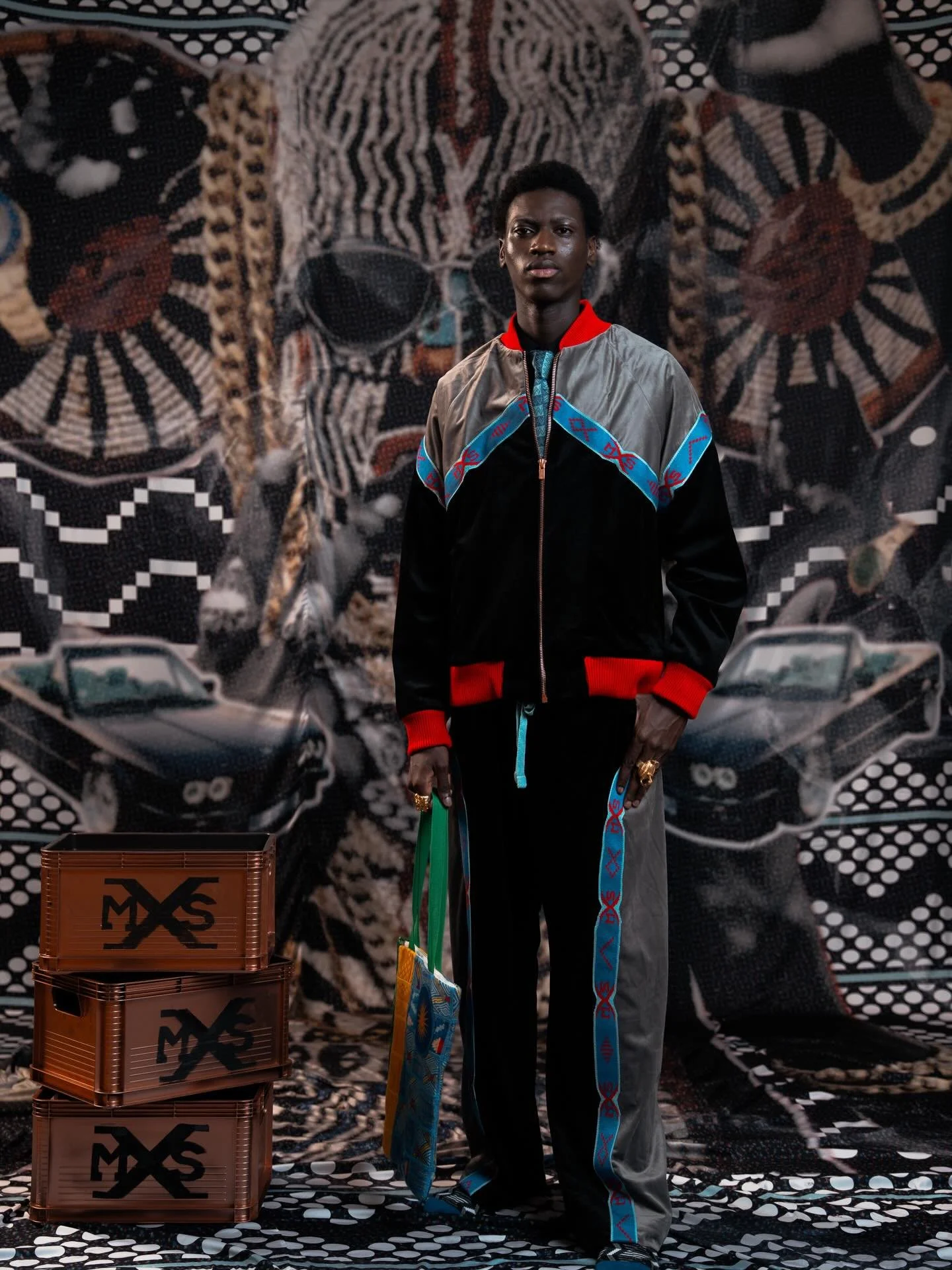
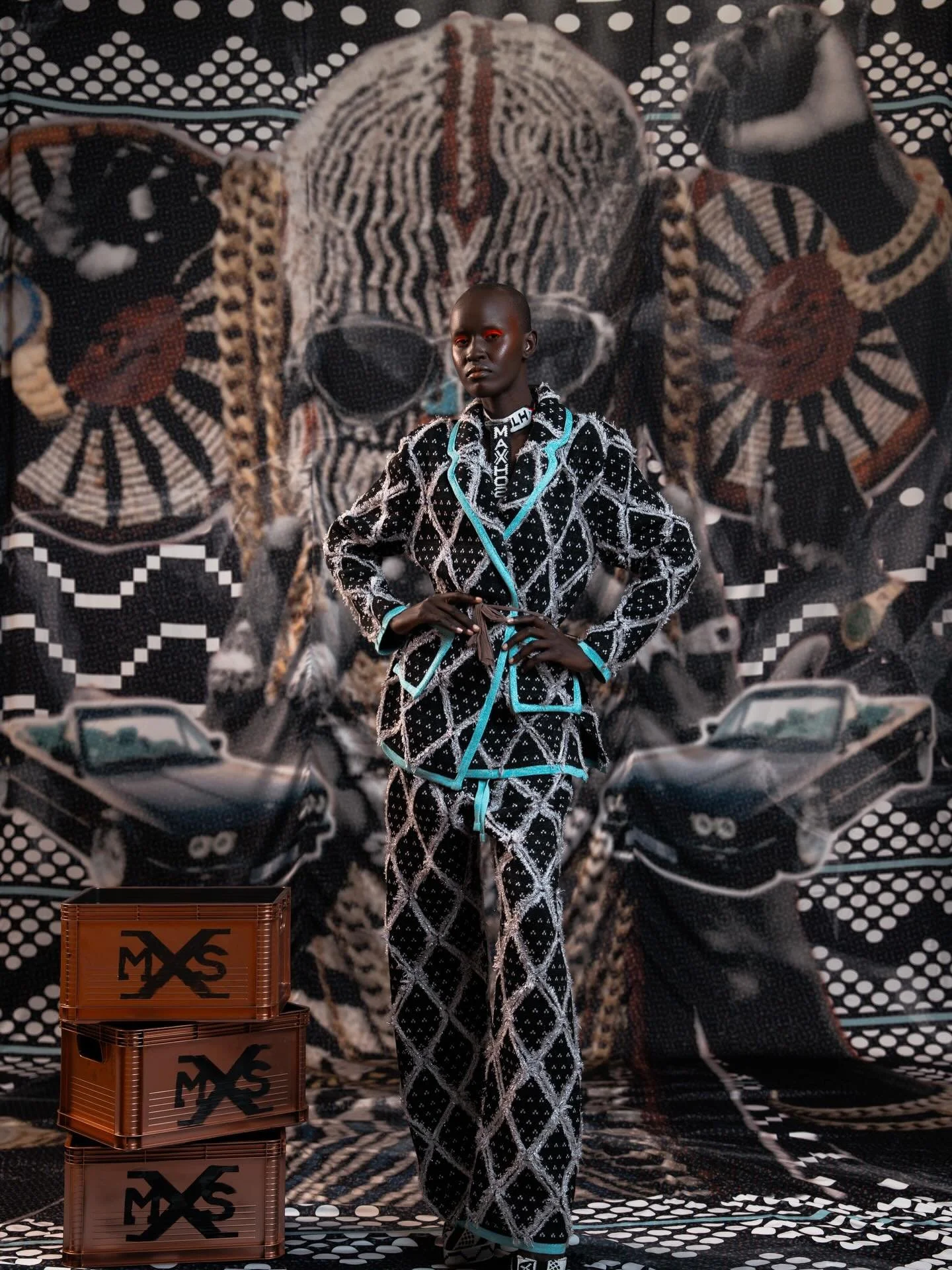
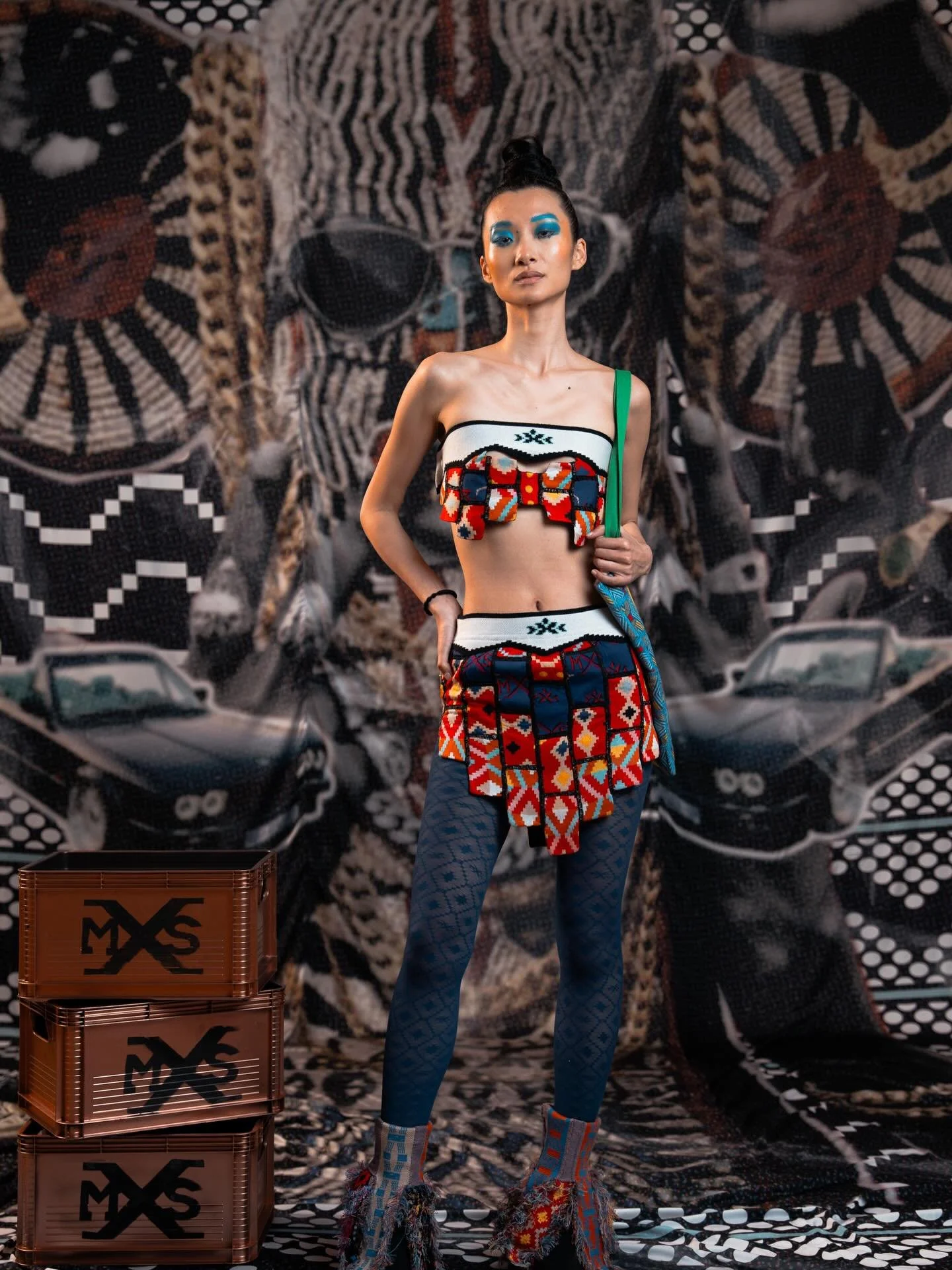
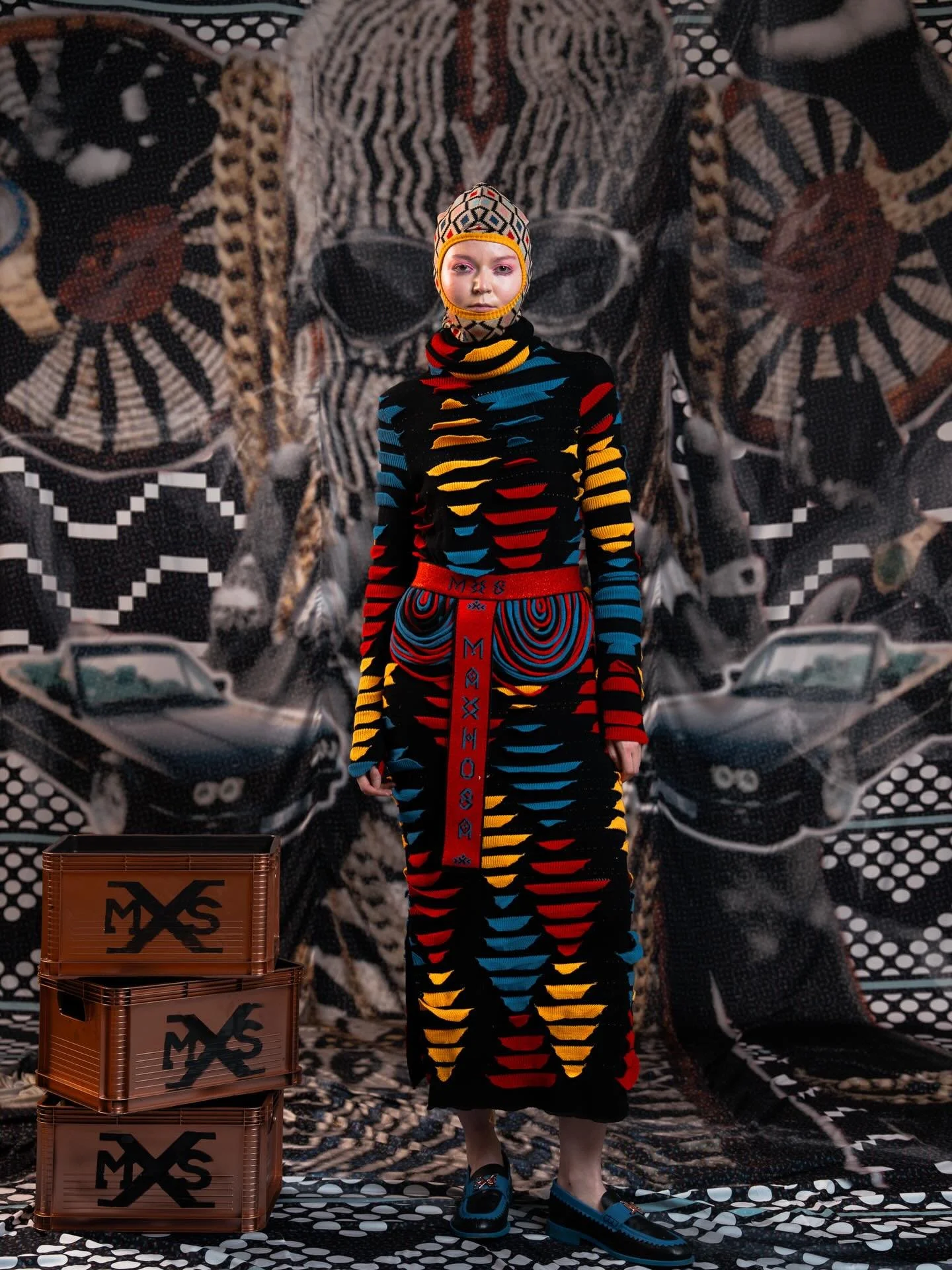
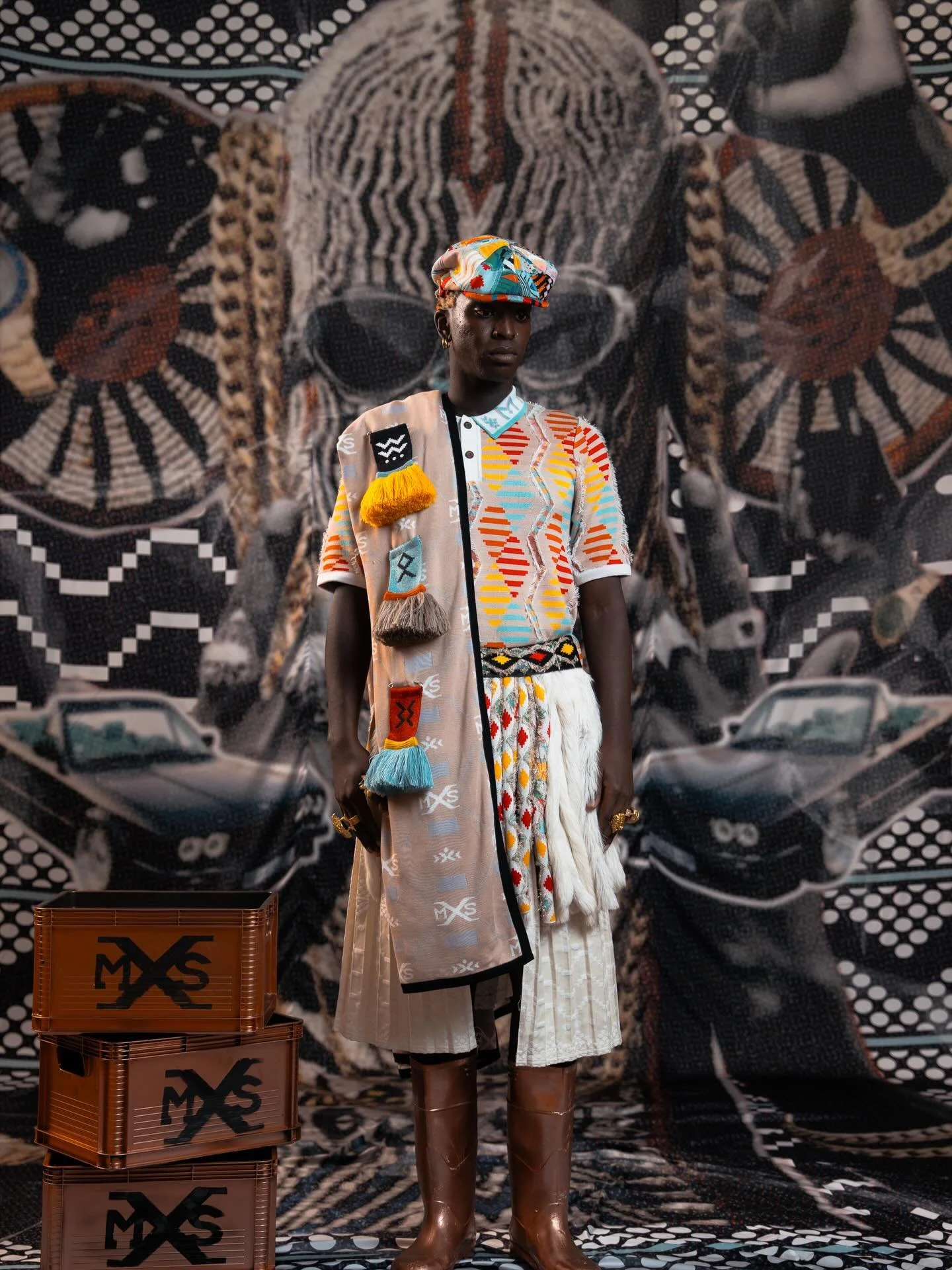
MAXHOSA AFRICA was founded on the belief that African heritage could stand at the centre of global luxury rather than exist on its margins. Founded by Laduma Ngxokolo in 2010, the brand began as a textile design project exploring how traditional Xhosa beadwork aesthetics could be translated into contemporary knitwear. What started as an academic inquiry into Xhosa heritage has since evolved into one of Africa’s most influential fashion brands.
Rather than treating heritage as something static or ceremonial, Laduma Ngxokolo transformed it into a living design language. Through vibrant geometric knitwear rooted in Xhosa visual codes, MAXHOSA repositioned African craftsmanship from the margins of folklore to the centre of luxury. This foundation has enabled the brand to move seamlessly between fashion and design while maintaining a clear sense of authorship.
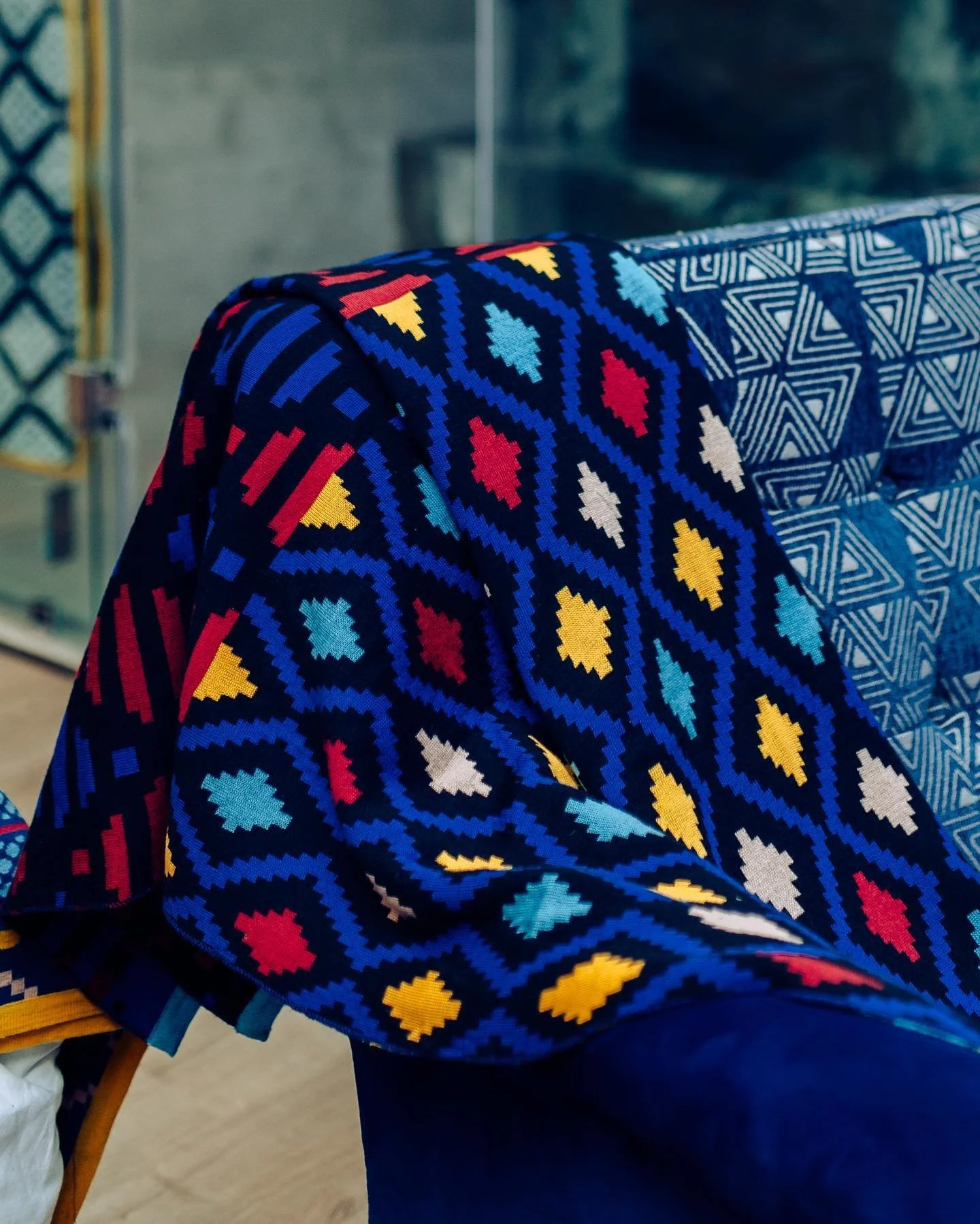

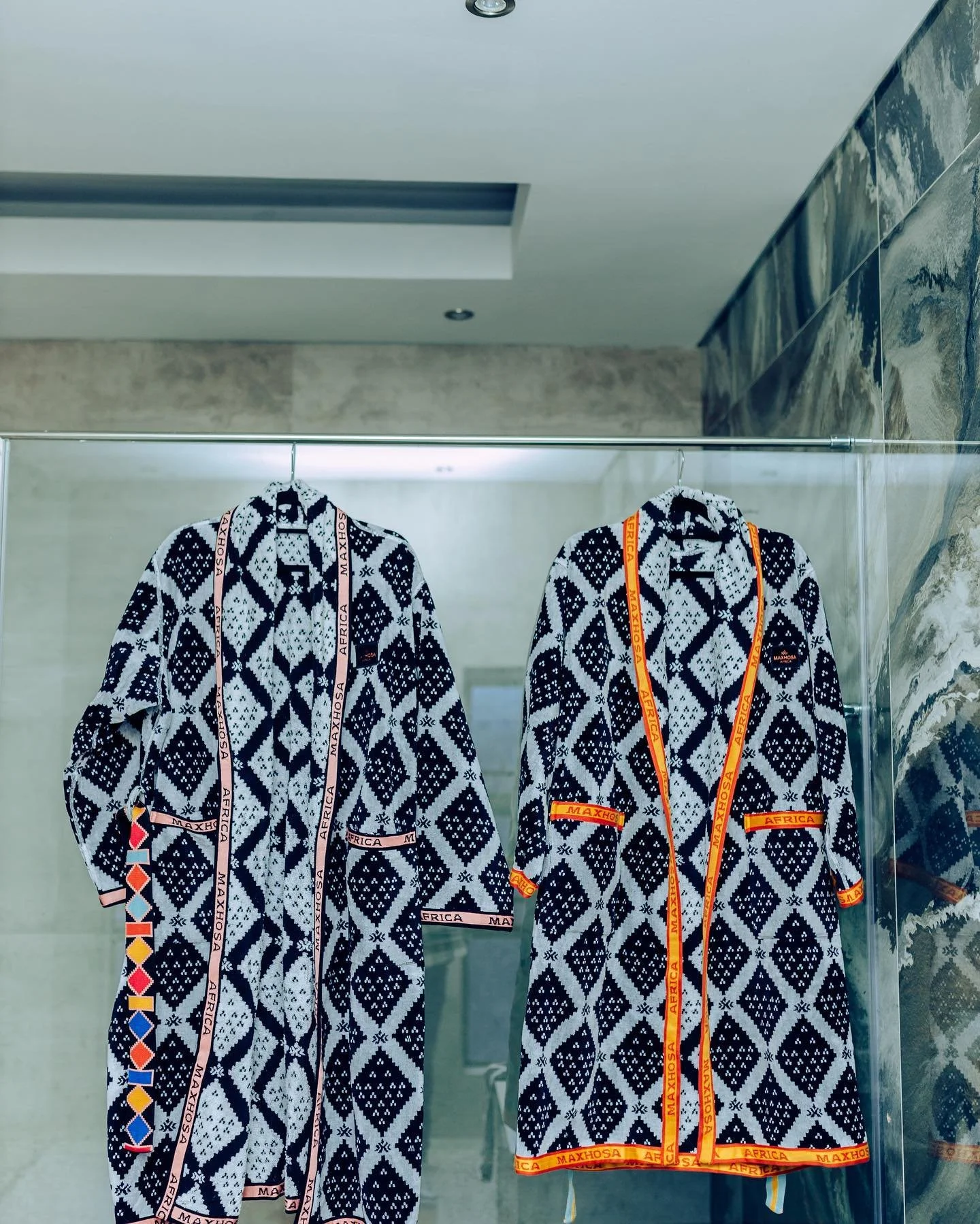
Institutional relevance has played a critical role in this expansion. MAXHOSA garments have entered the collections of institutions such as MoMA and the Smithsonian, while presentations at spaces including Zeitz MOCAA have situated the brand within broader discussions around contemporary African identity. Even the brand’s Johannesburg headquarters functions as a living archive, incorporating exhibition spaces and concept rooms that preserve and communicate its evolving narrative.
Commercial growth has followed without compromising the brand’s original vision. Through MAXHOSA Lifestyle, the design language extends beyond clothing into interiors, rugs, and homeware, while the MXS KULTURE FESTIVAL transforms the brand into an immersive experience encompassing fashion, music, food, and community. Laduma Ngxokolo has built an ecosystem in which consumers can live within the world MAXHOSA creates.
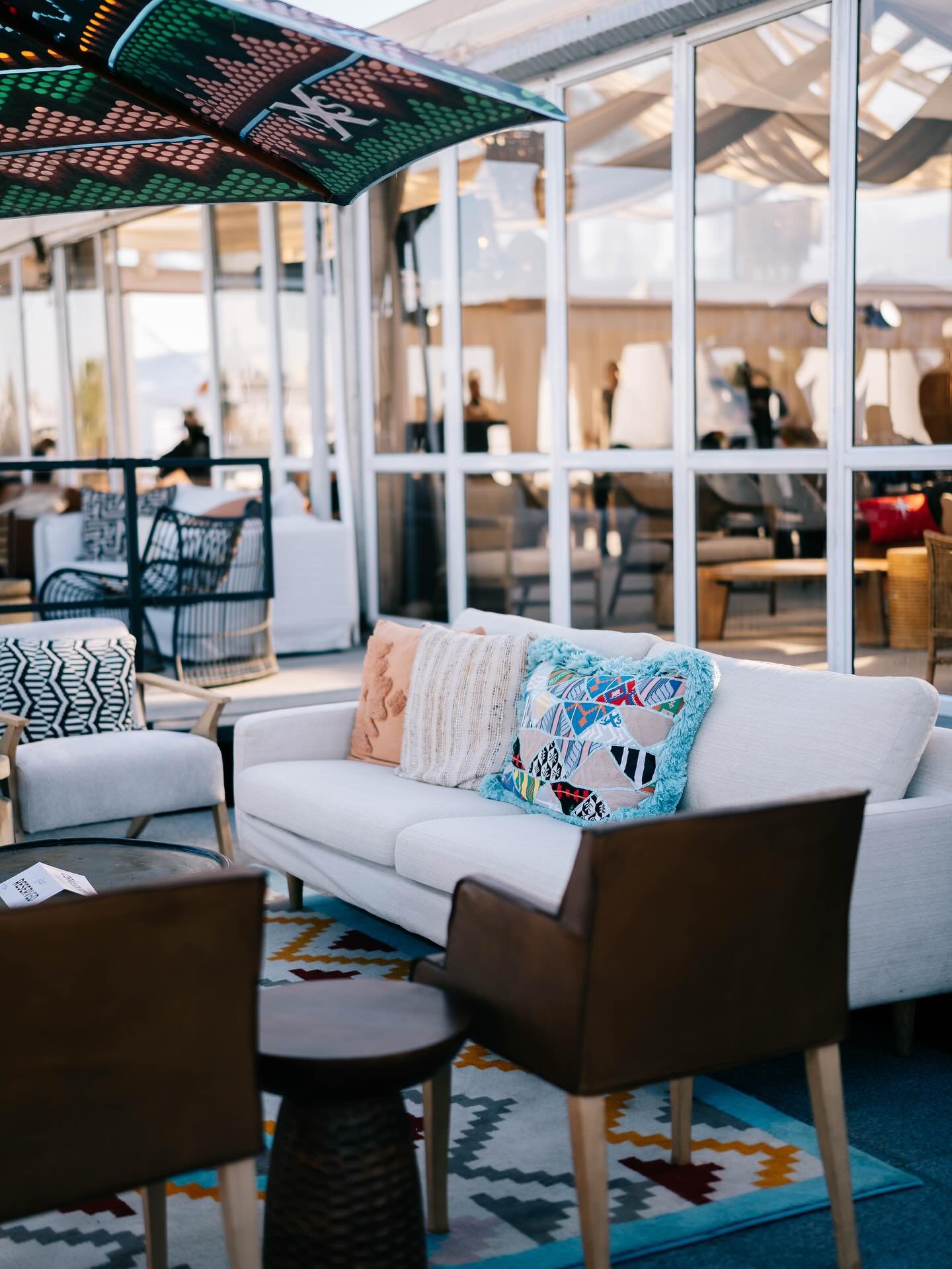
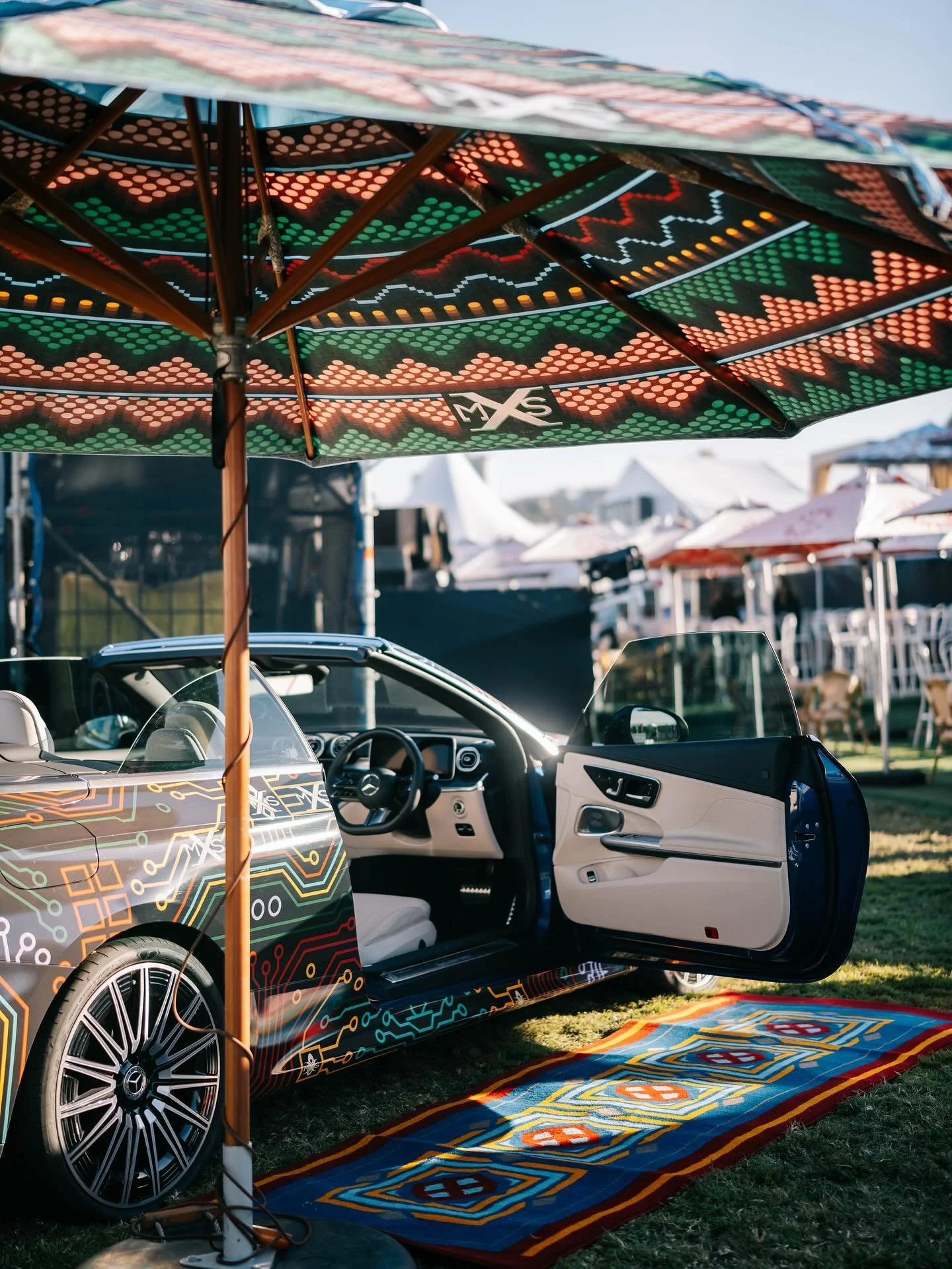
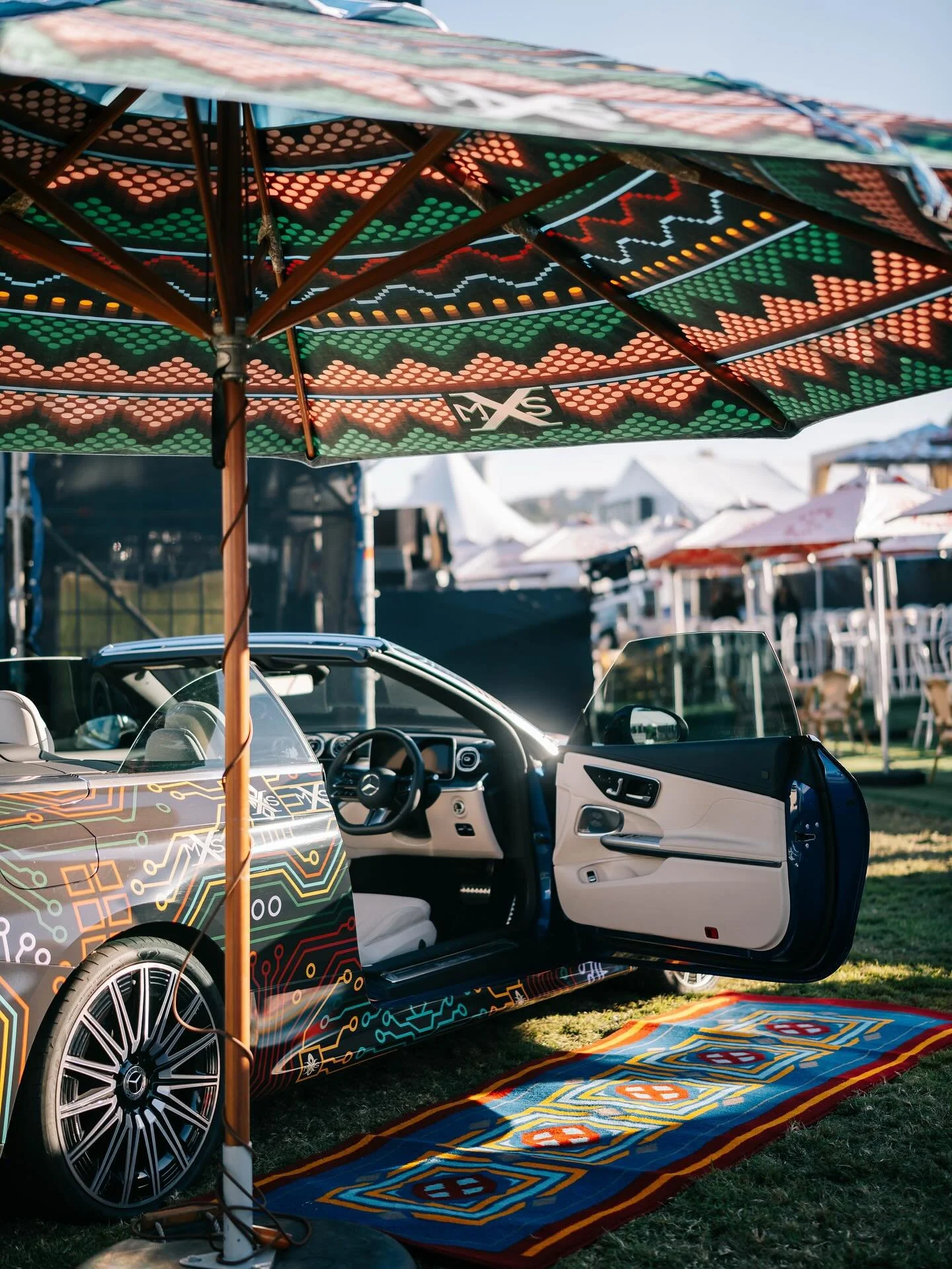
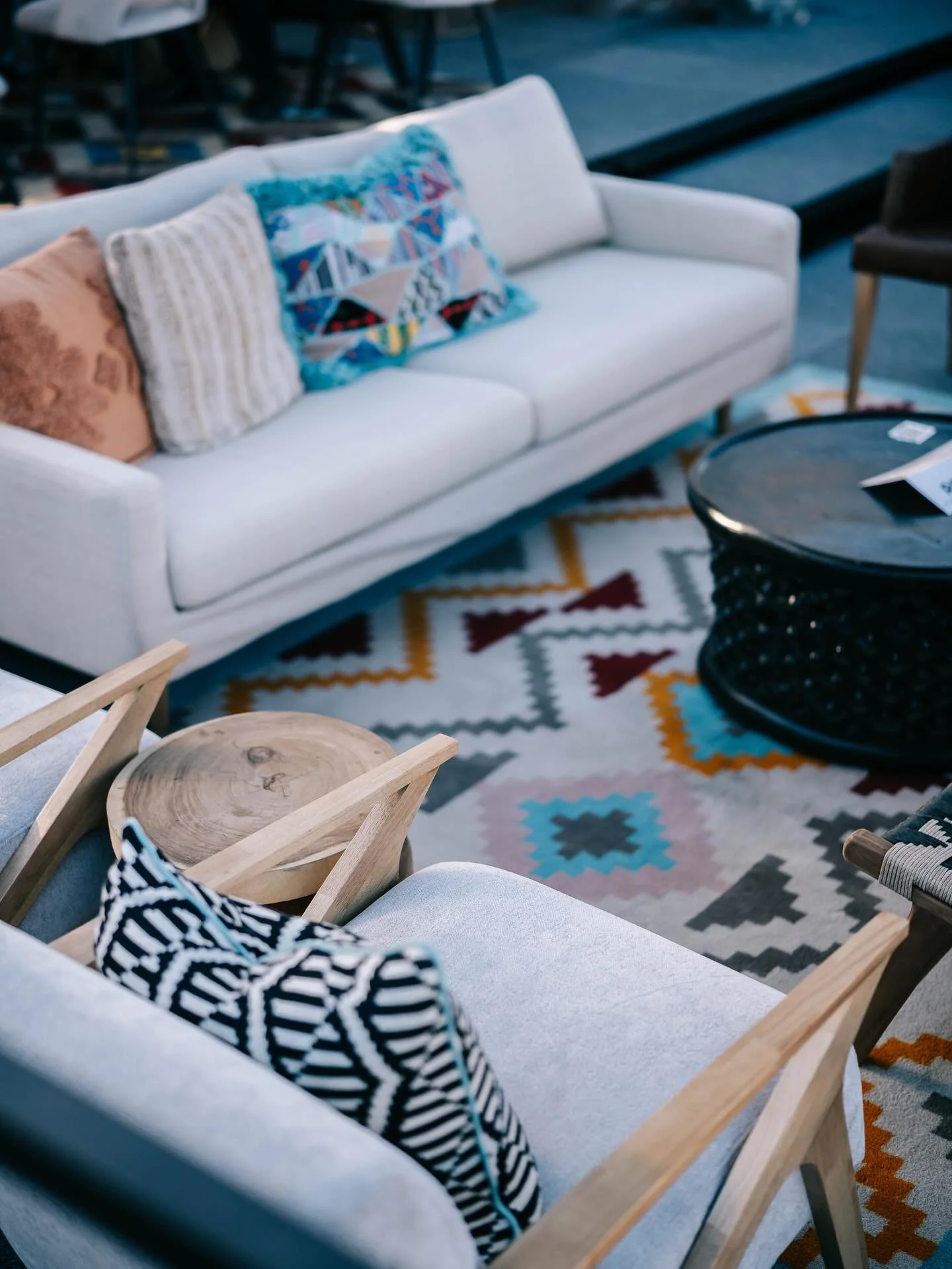
Underlying this expansion is a commitment to local production and material sovereignty. By championing South African wool and mohair, maintaining local manufacturing, and investing in educational initiatives through the Lindelwa Foundation, MAXHOSA ensures that commercial success strengthens the communities and traditions that inspired it. In doing so, the brand demonstrates how heritage can evolve into a sustainable institution, one that preserves tradition while continually adapting to contemporary life.
Lukhanyo Mdingi
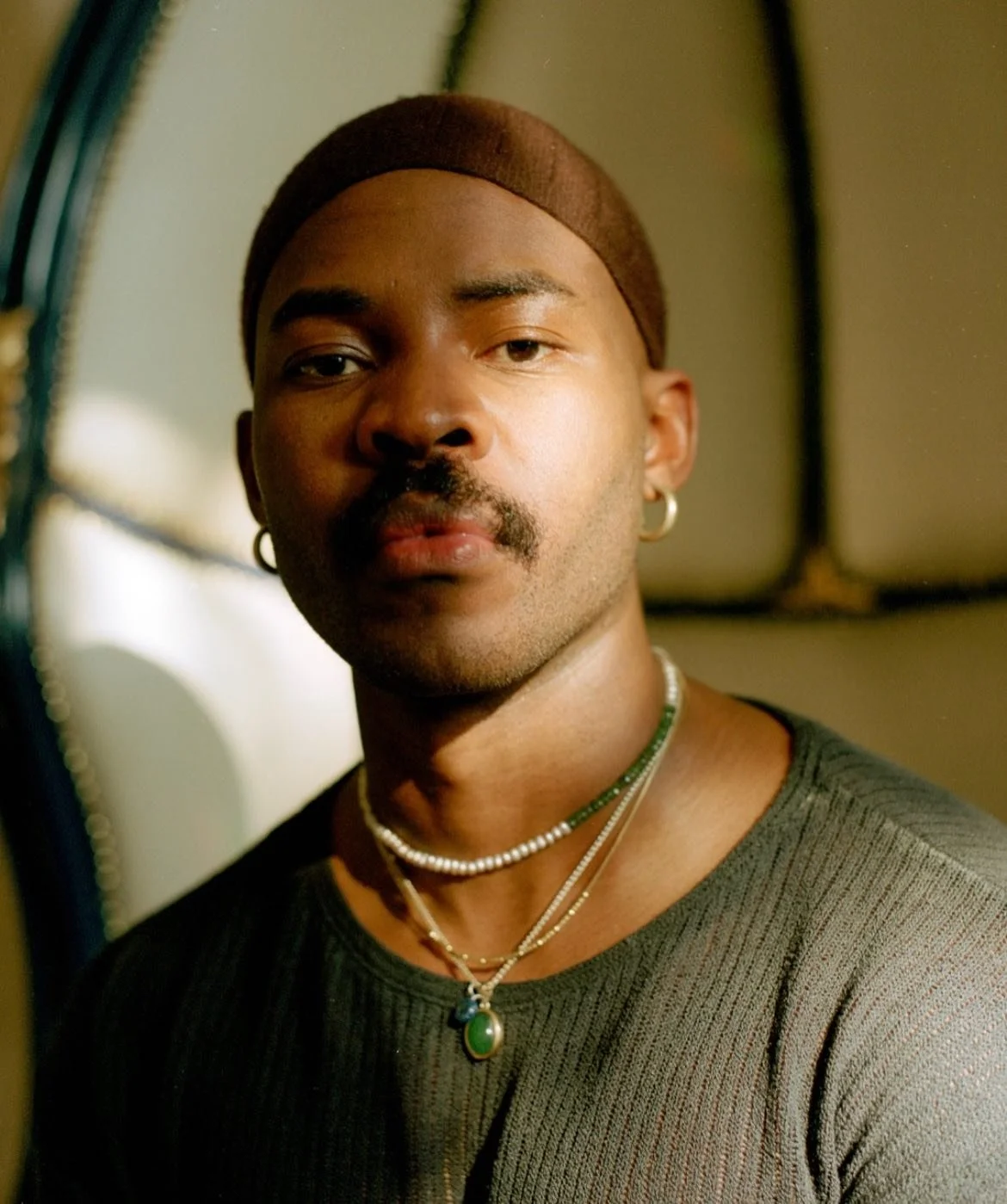
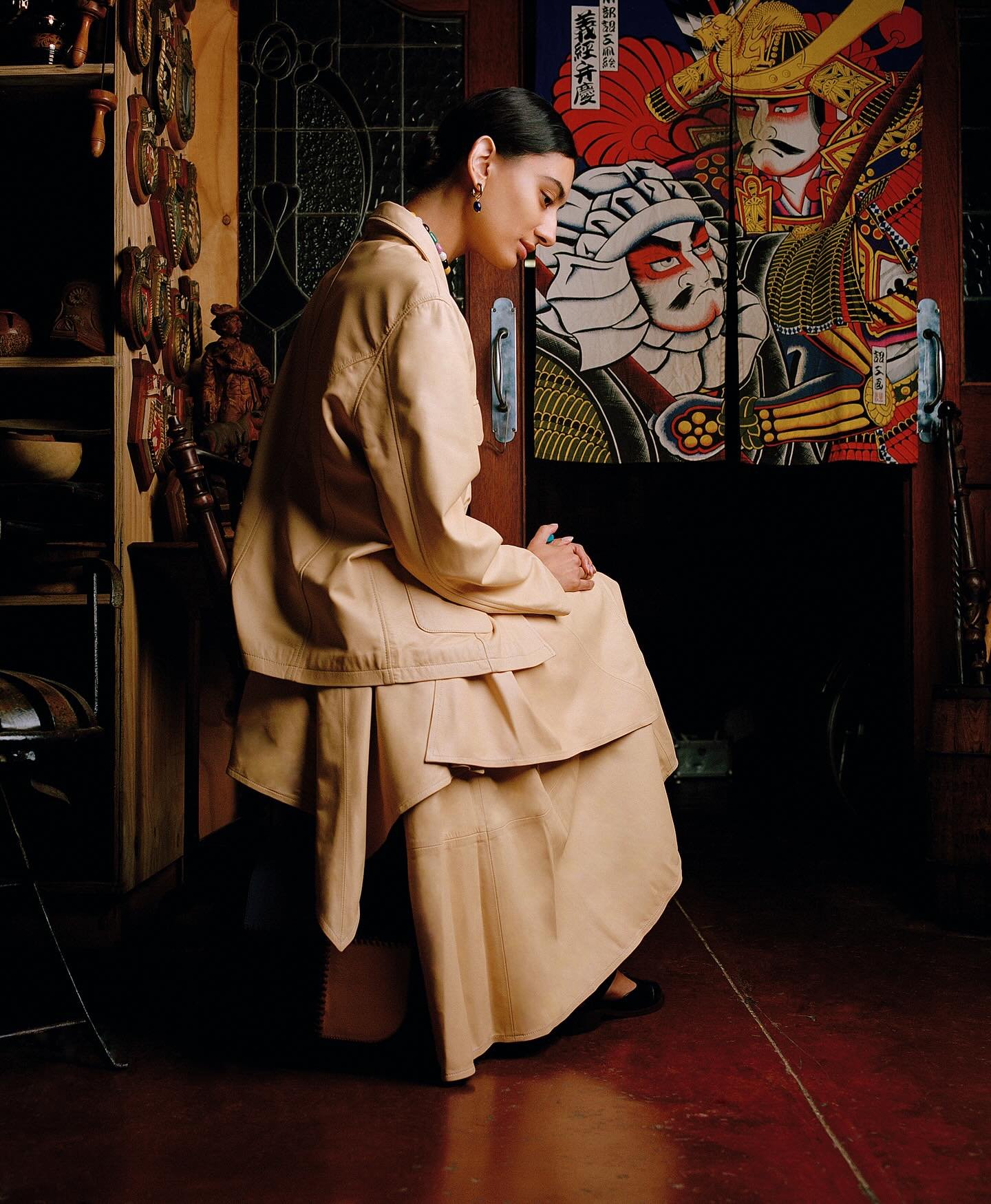
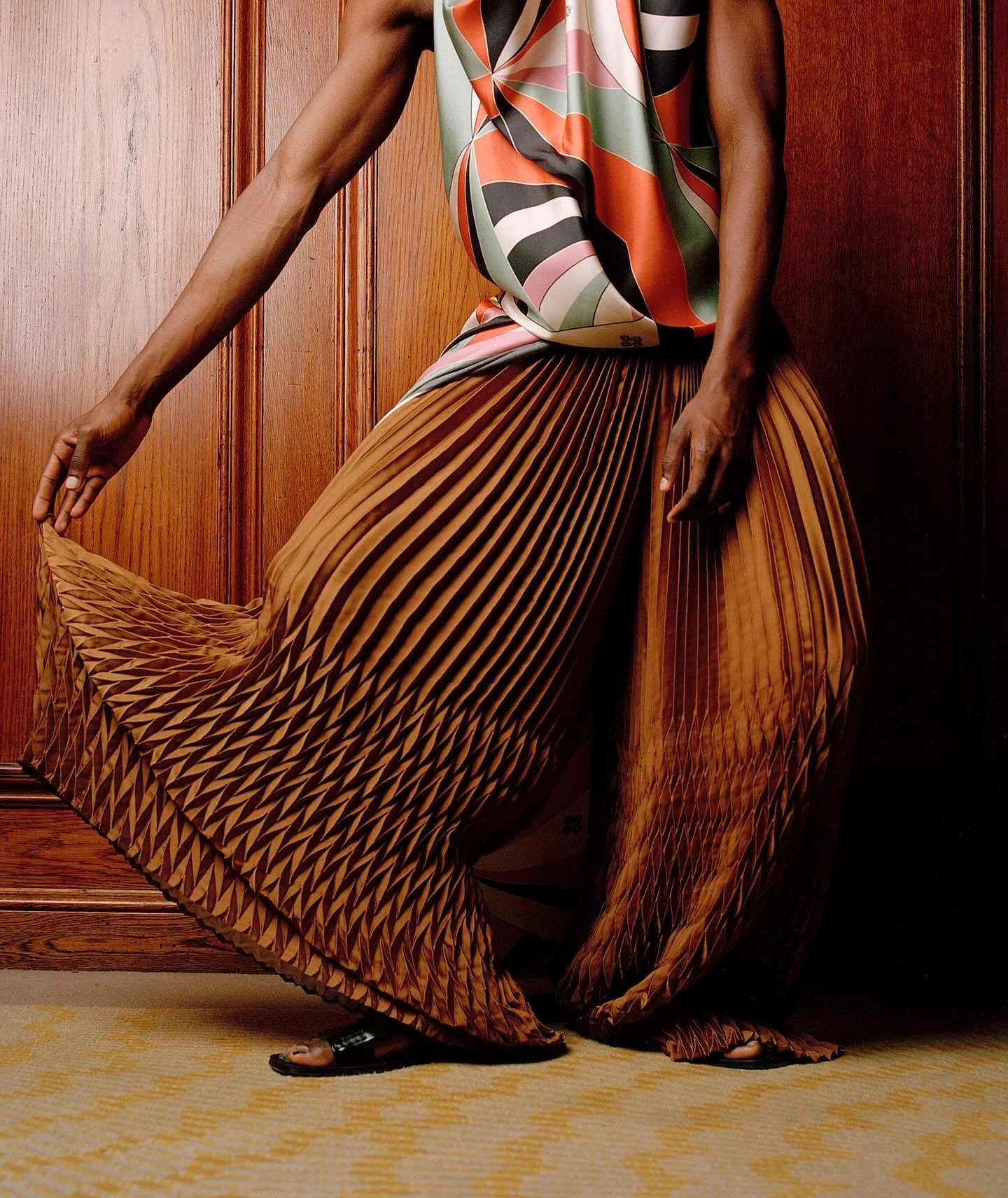
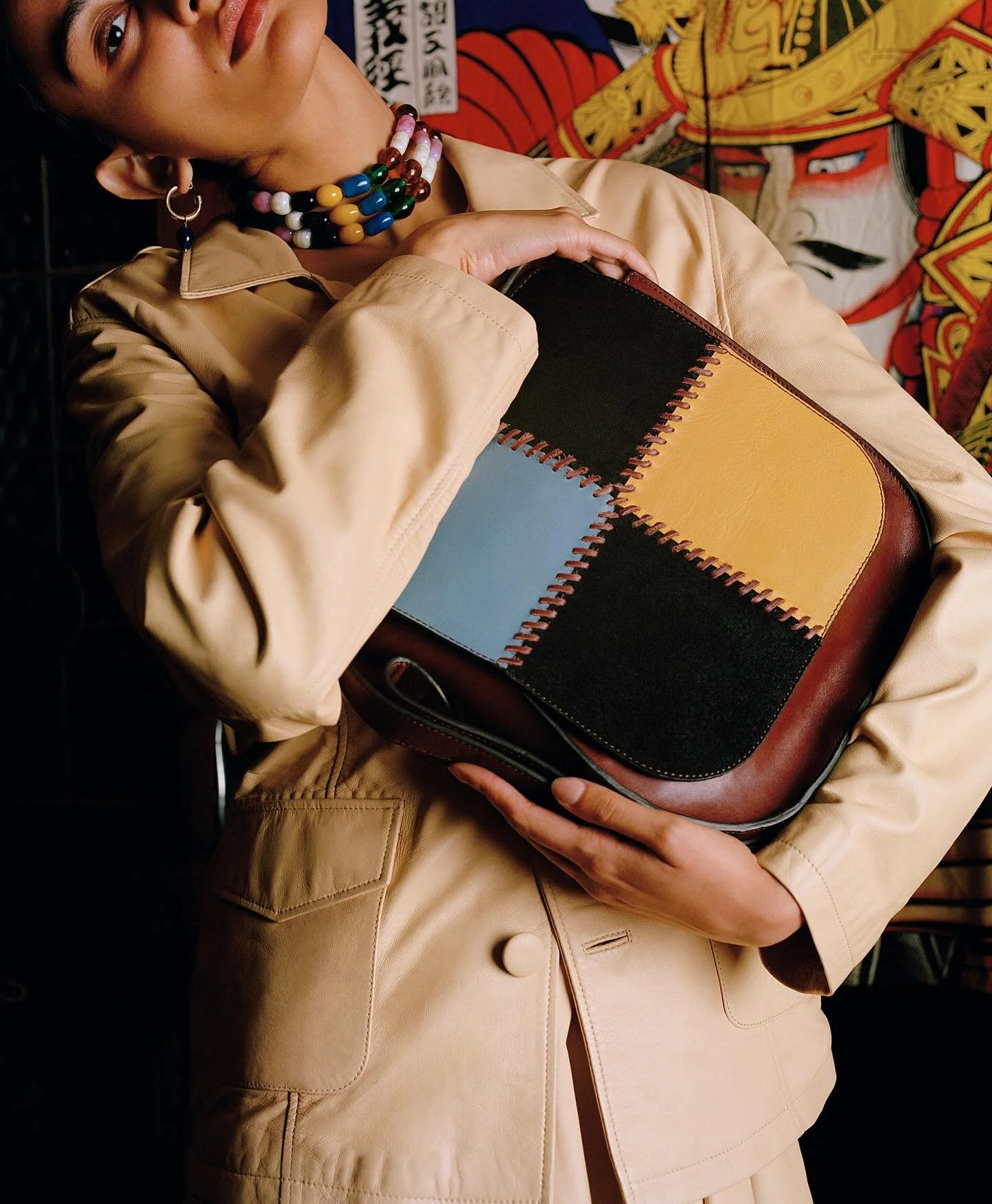
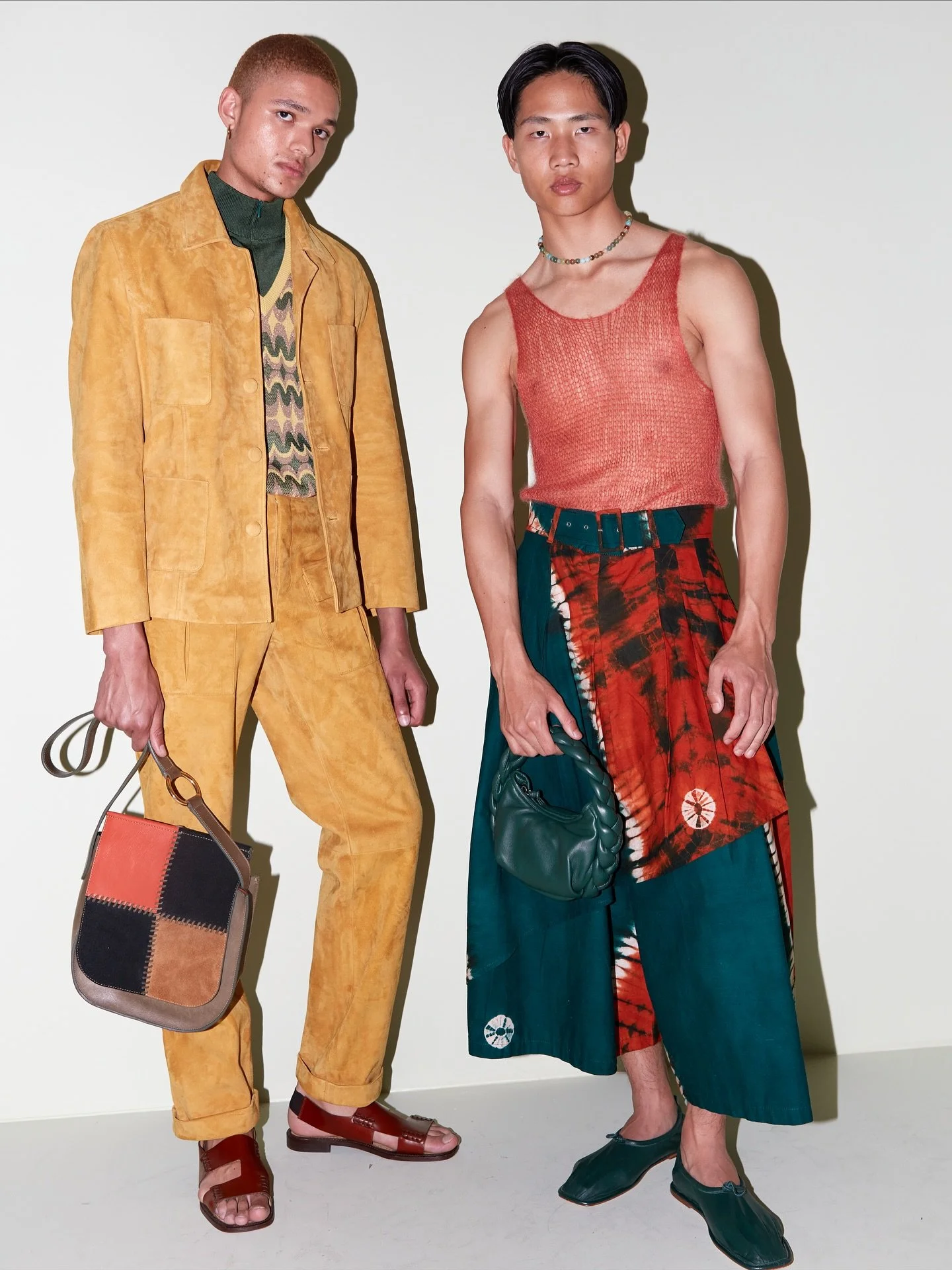

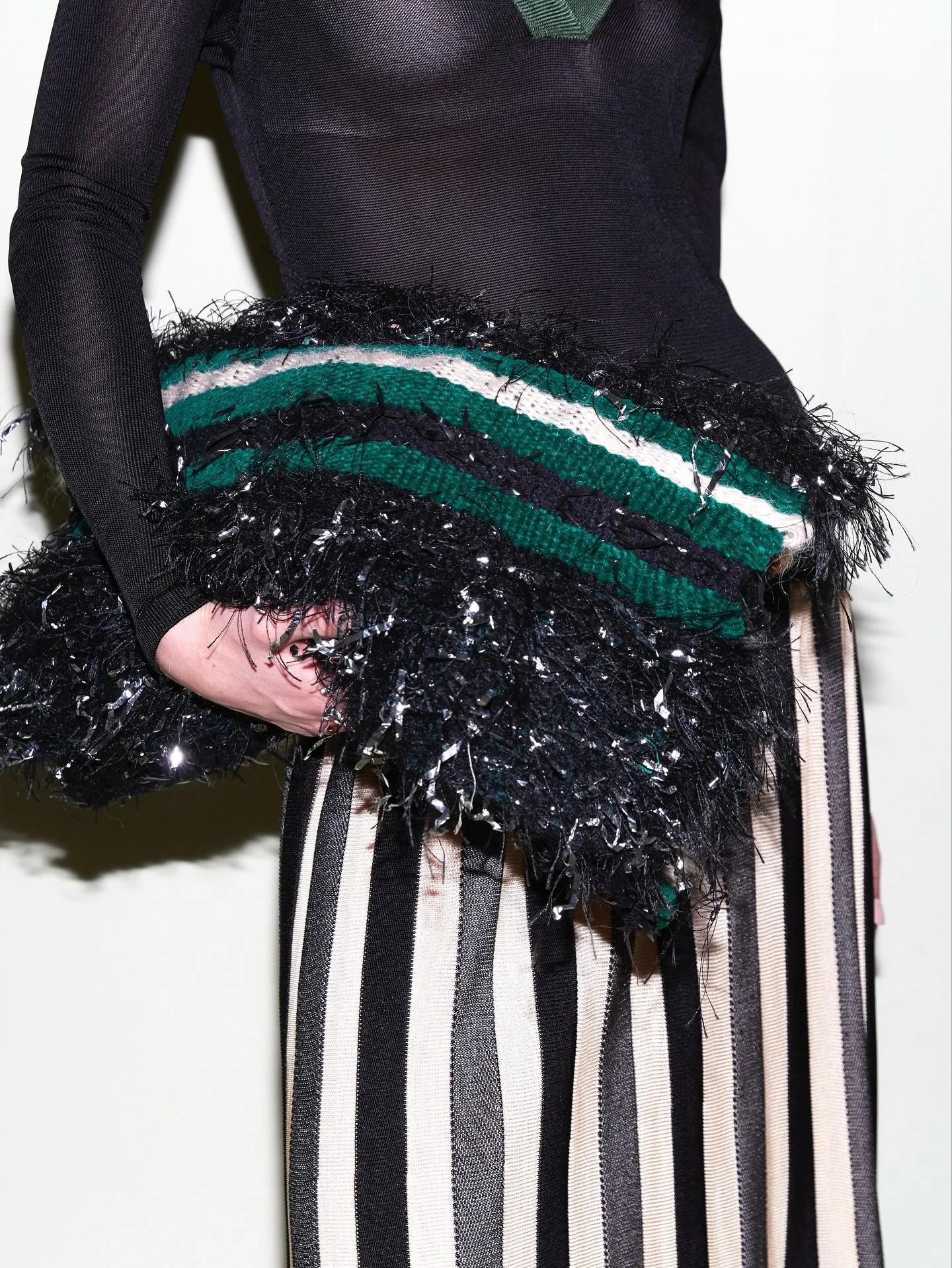
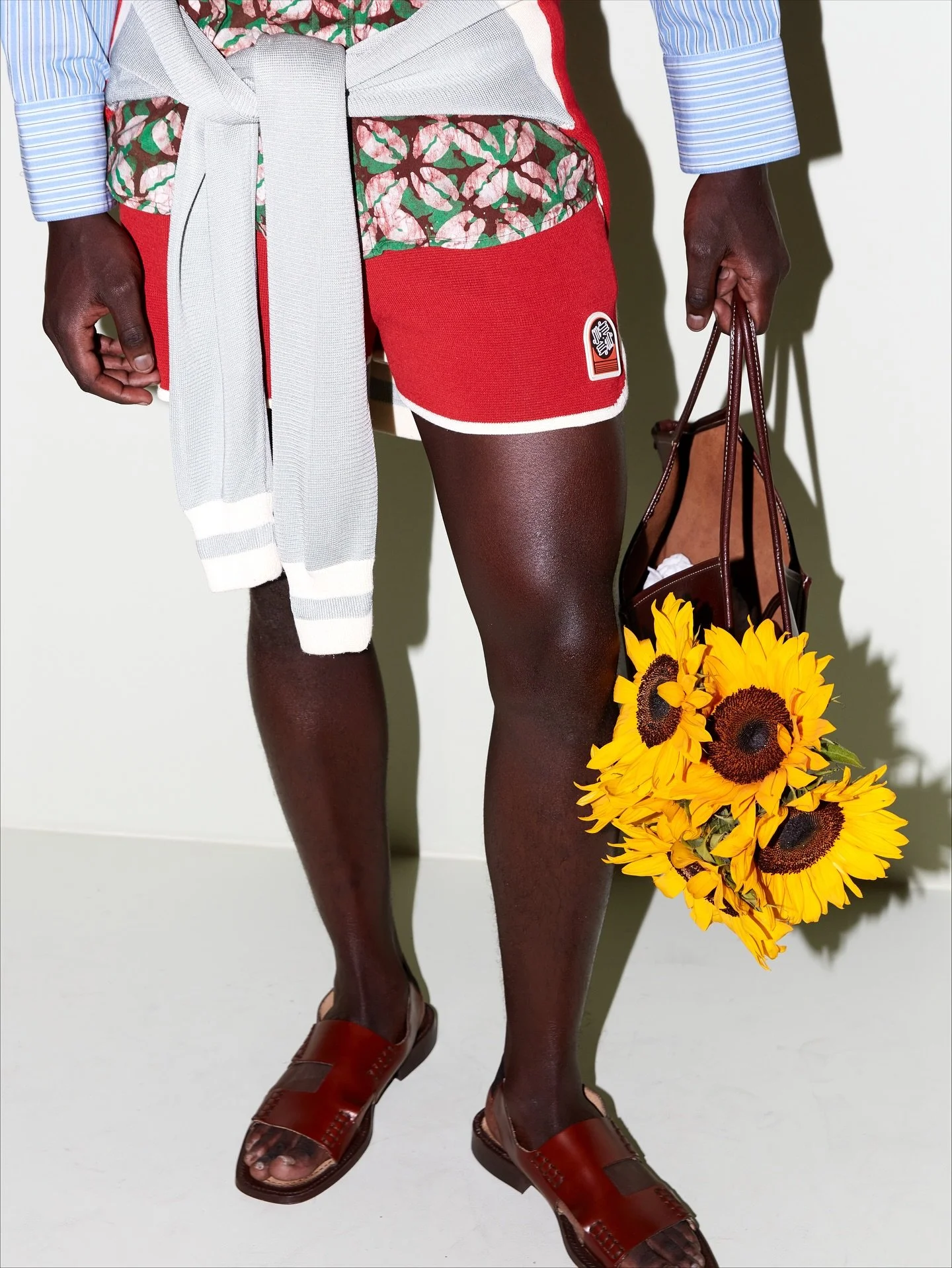
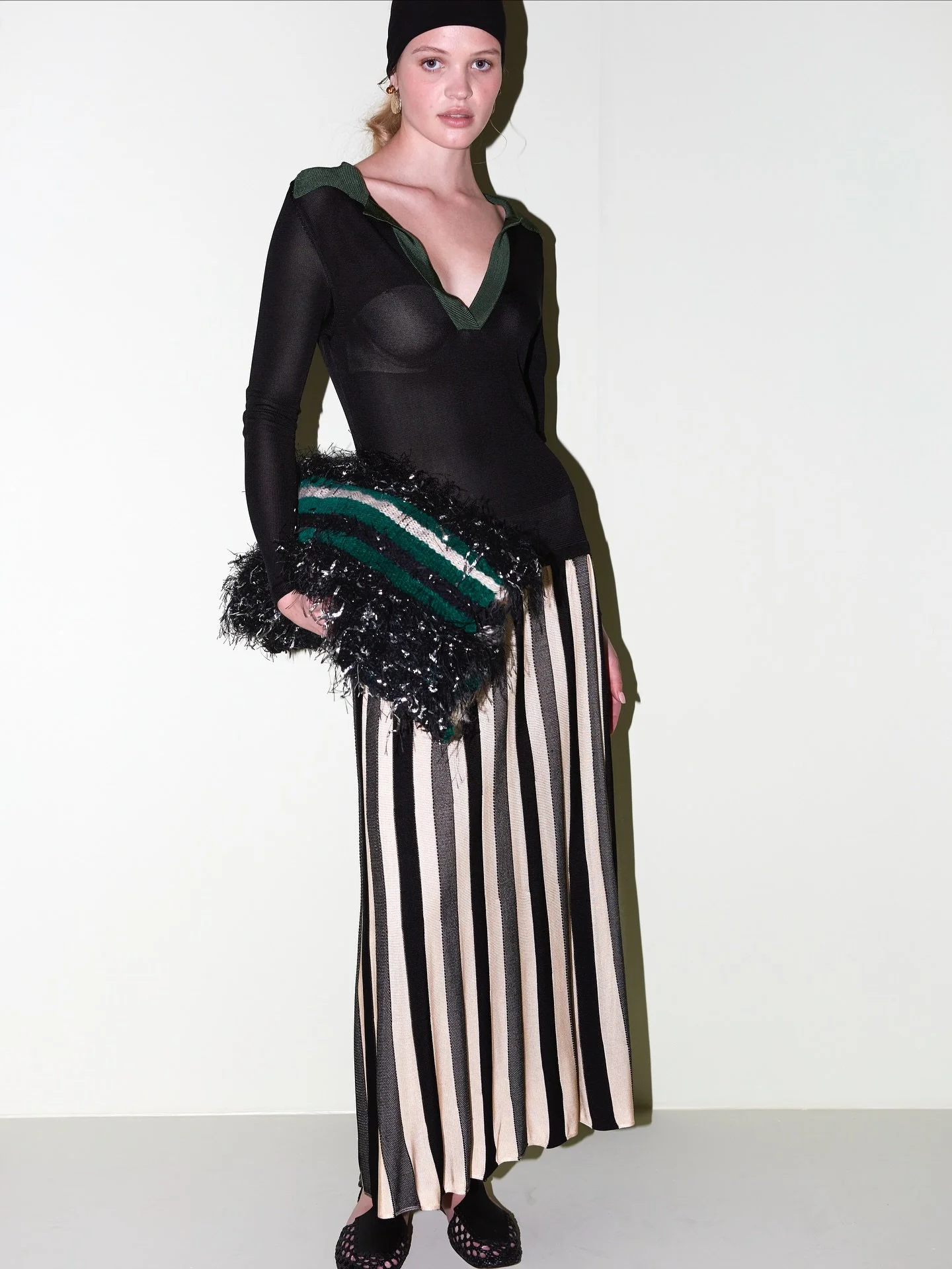
Lukhanyo Mdingi has built one of the most intellectually rigorous practices in African fashion. Since launching his label in Cape Town in 2015, Mdingi has approached fashion as a collaborative institution where garments become vessels for indigenous knowledge and human connection.
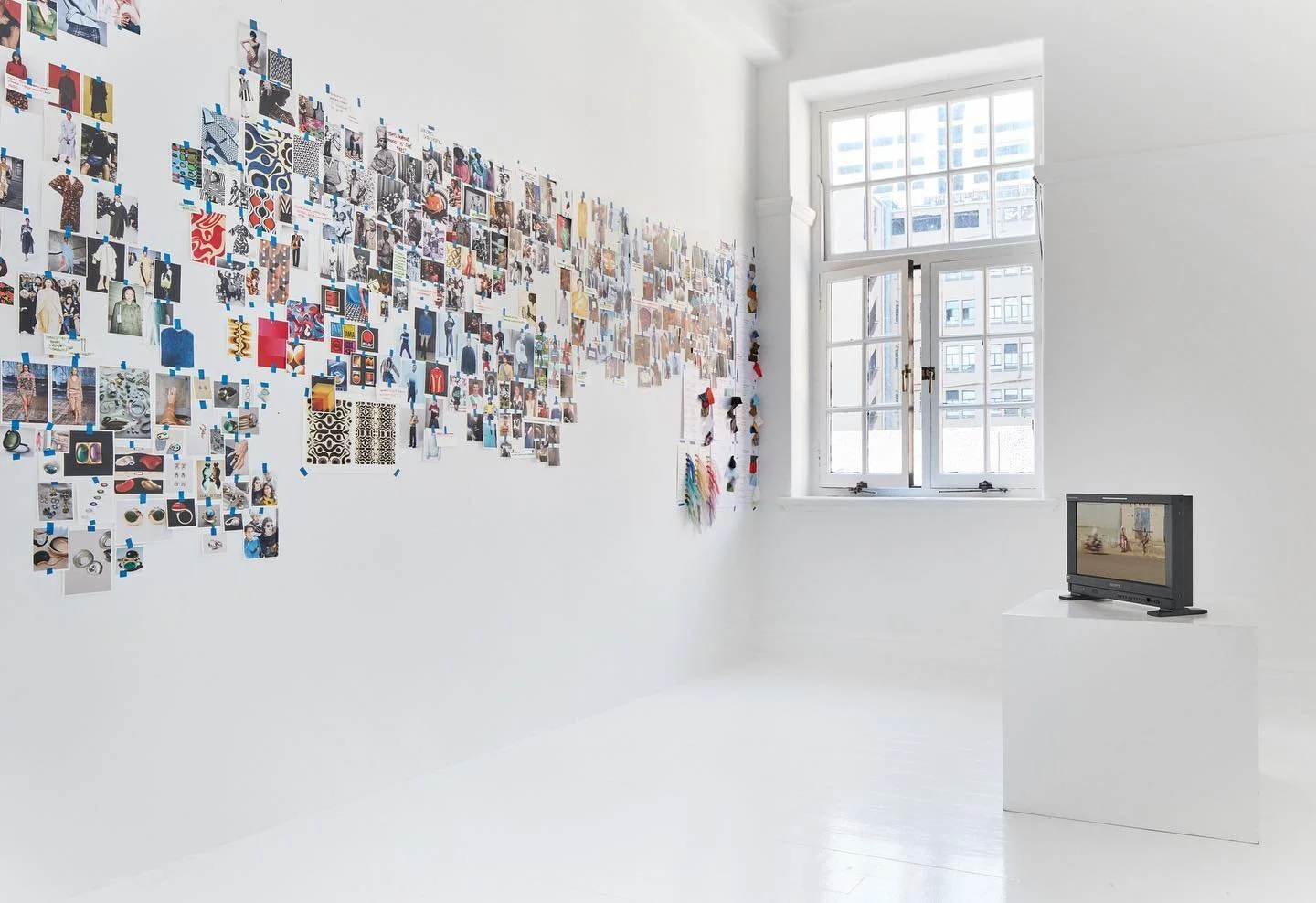
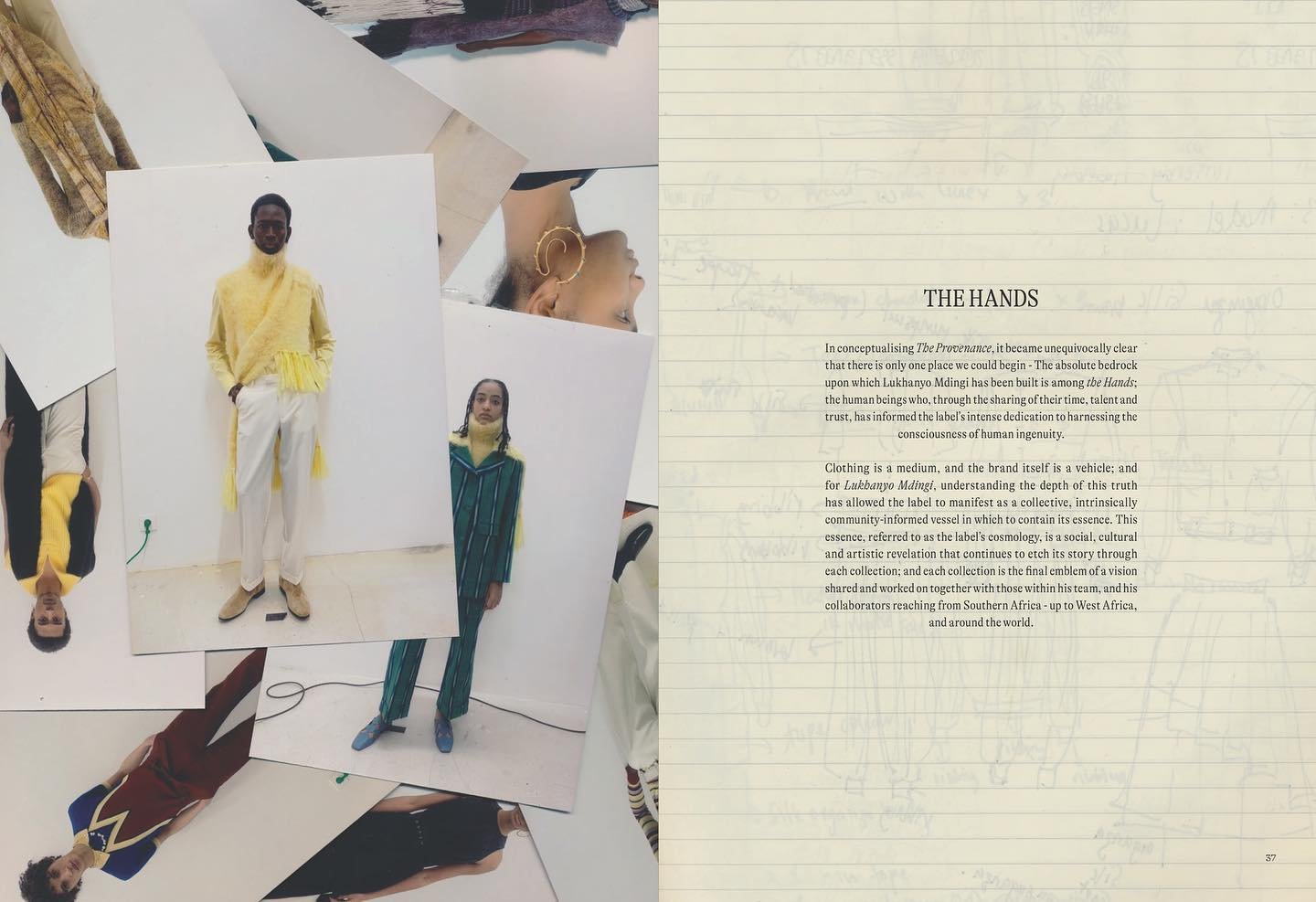
At the heart of his practice is what he describes as the LM Institution. This decentralized ecosystem spans artisans, researchers, photographers, writers, and communities across the African continent.
Rather than treating clothing as an end product, Mdingi uses it as a starting point for deeper investigations into Bantu indigeneity, migration and cultural exchange. These ideas extend beyond the runway through multidisciplinary projects such as The Provenance exhibition series, where literature, music, and installation design transform fashion into an act of storytelling. Each collection is further accompanied by publications, documentary films, and collectibles that preserve the histories carried by the garments.
This commitment to research has enabled Mdingi’s work to move seamlessly into institutional spaces. His textiles and garments have been exhibited by institutions including the Victoria & Albert Museum in London and the Brooklyn Museum in New York, where they are positioned as contemporary records of African material culture. Mdingi builds permanence through documentation, education, and archival practice.
Commercially, he has resisted the pressures of trend-driven fashion by grounding his work in material integrity and human relationships. Collections crafted from South African mohair, merino wool, and handwoven Faso Danfani cotton are stocked by global retailers such as NET-A-PORTER and Saks Fifth Avenue, while international recognition through the LVMH Karl Lagerfeld Prize, the AMIRI Prize, and the ANDAM Prize has provided the resources to scale while honouring his values.
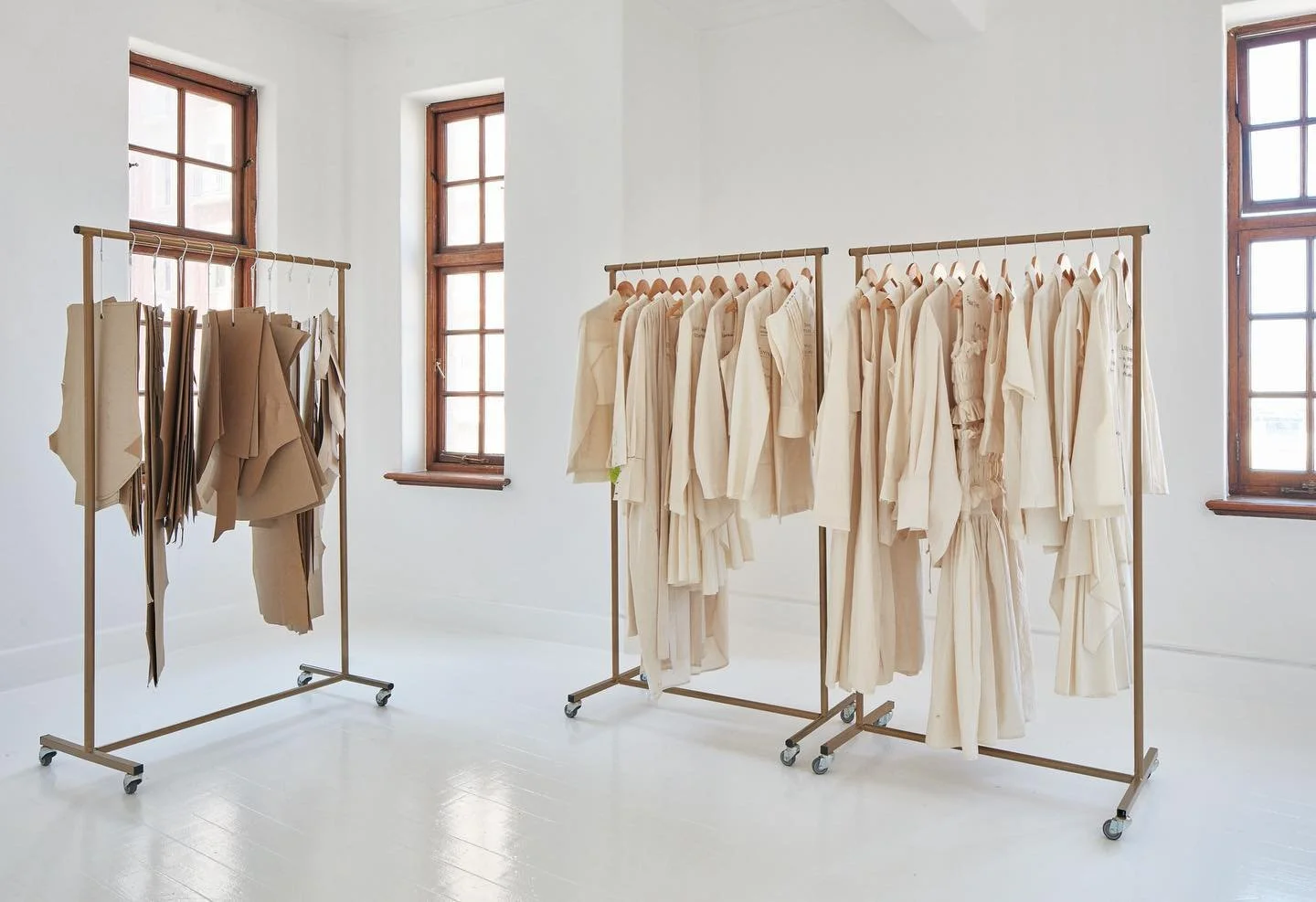
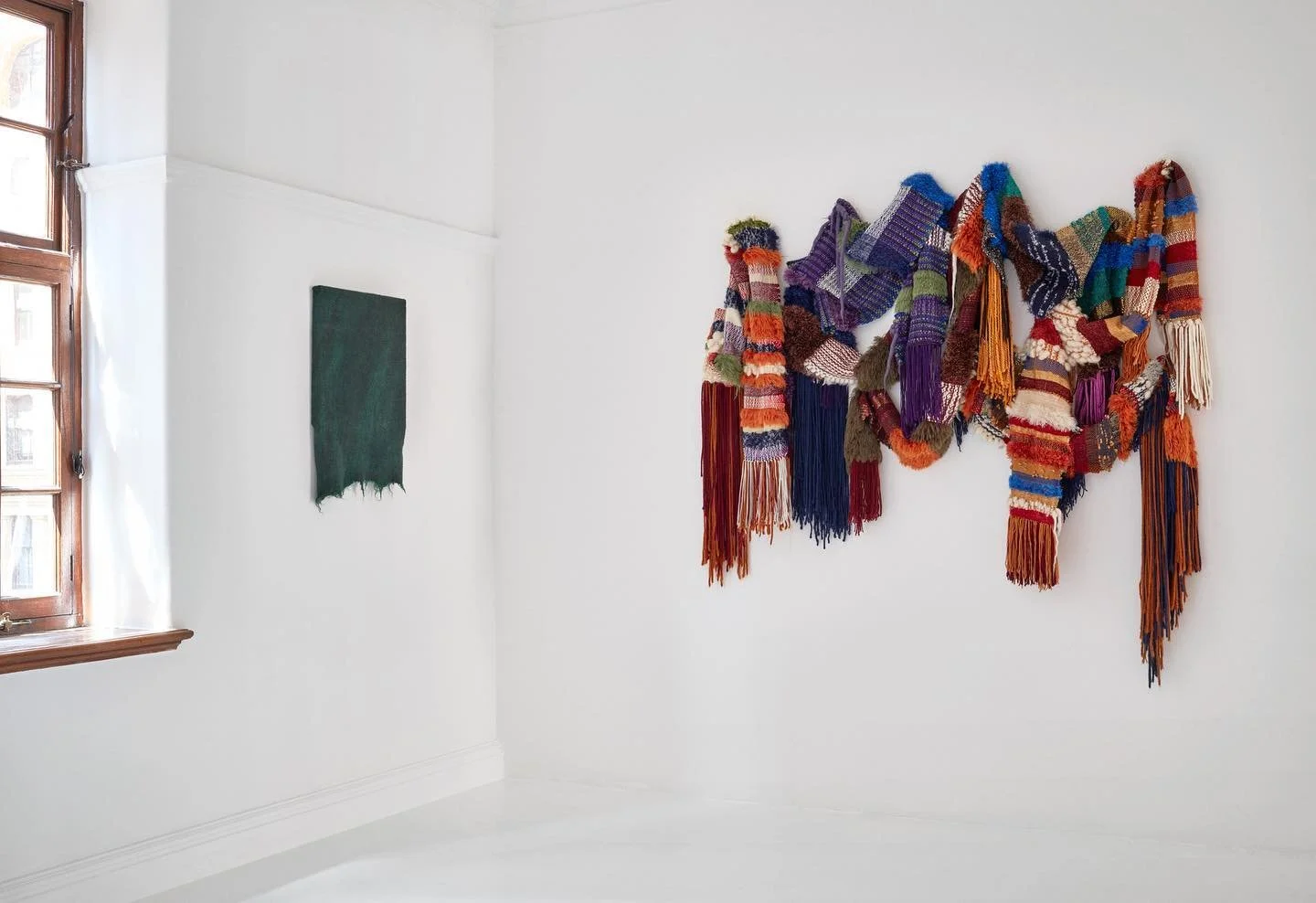
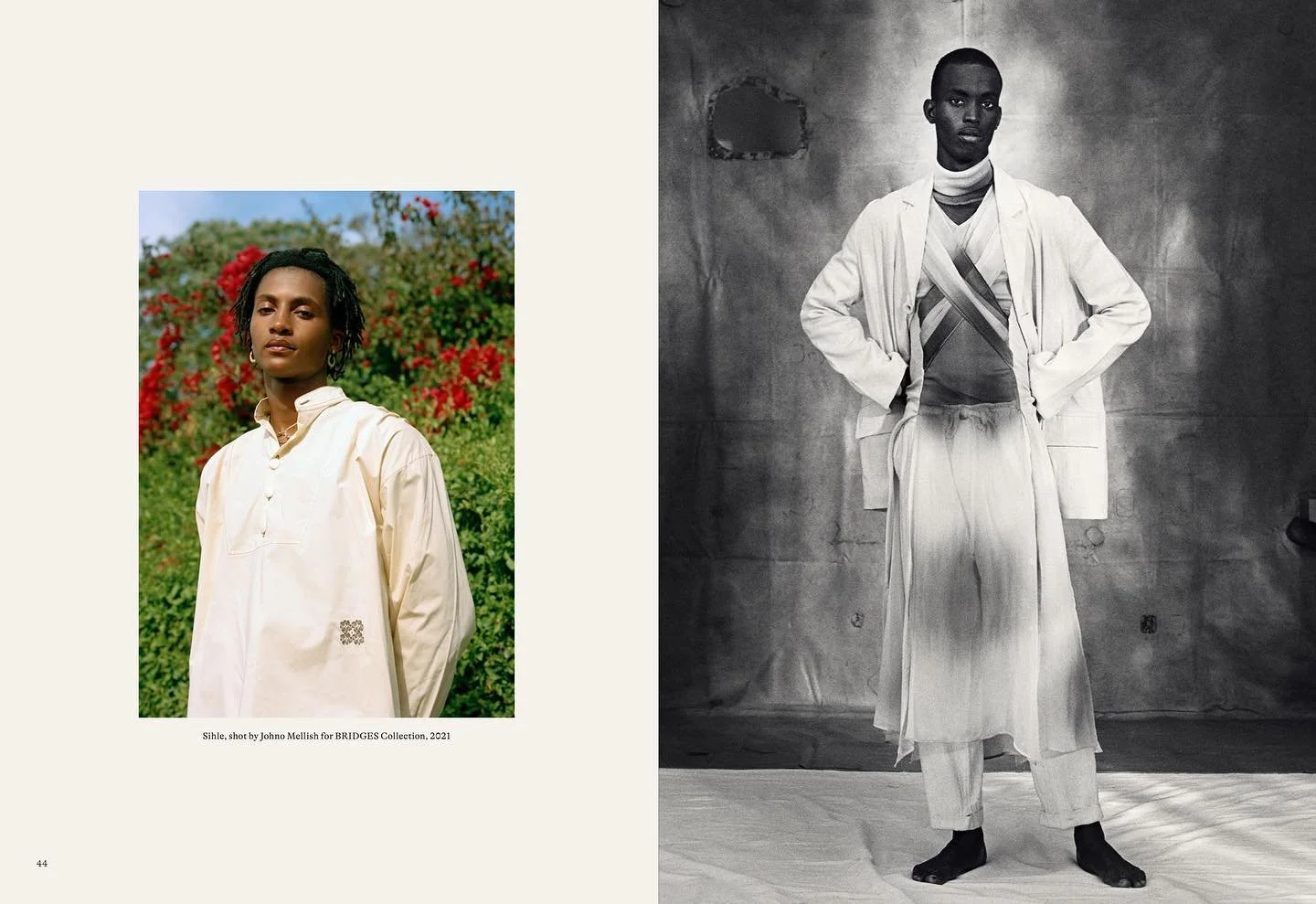
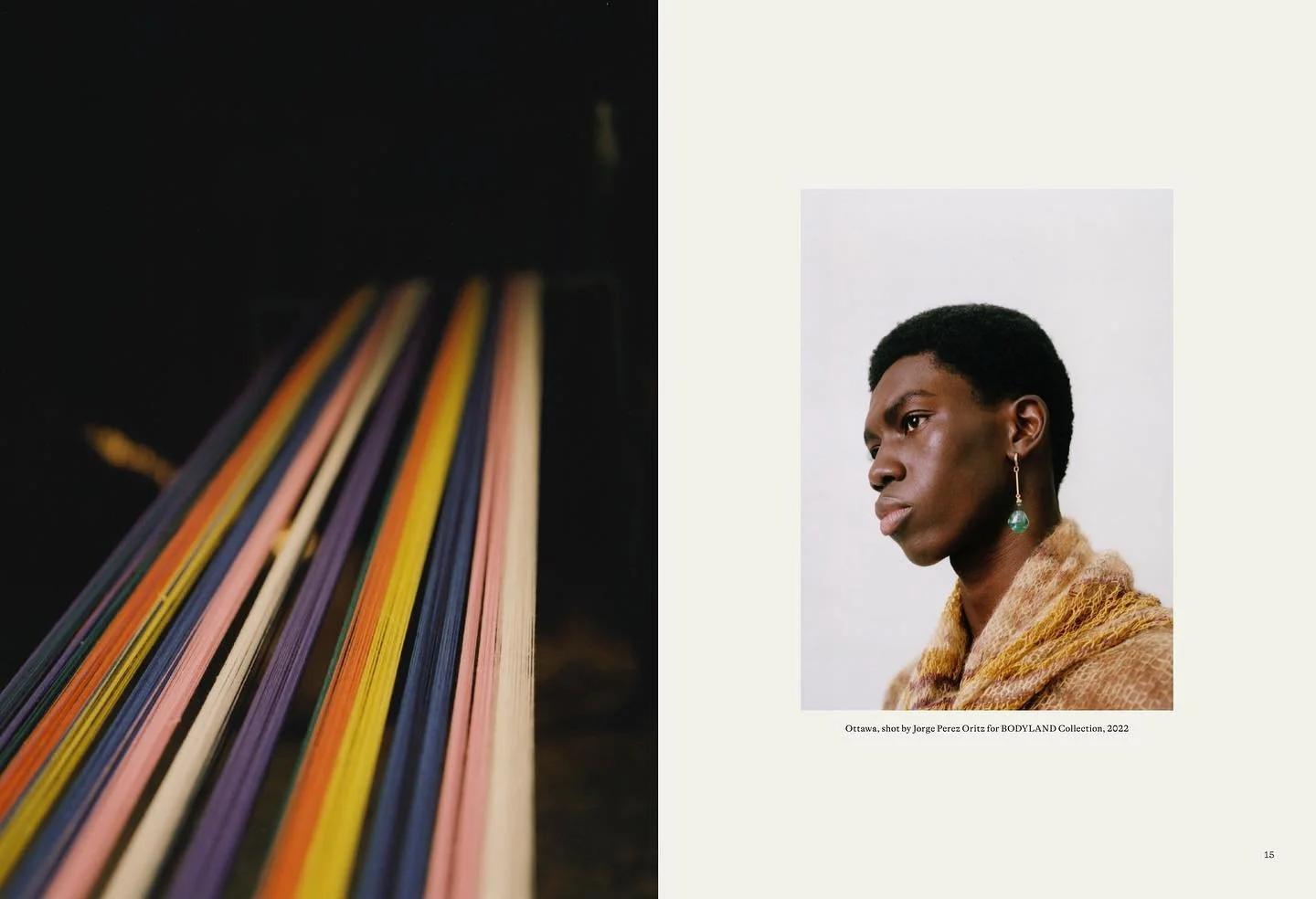
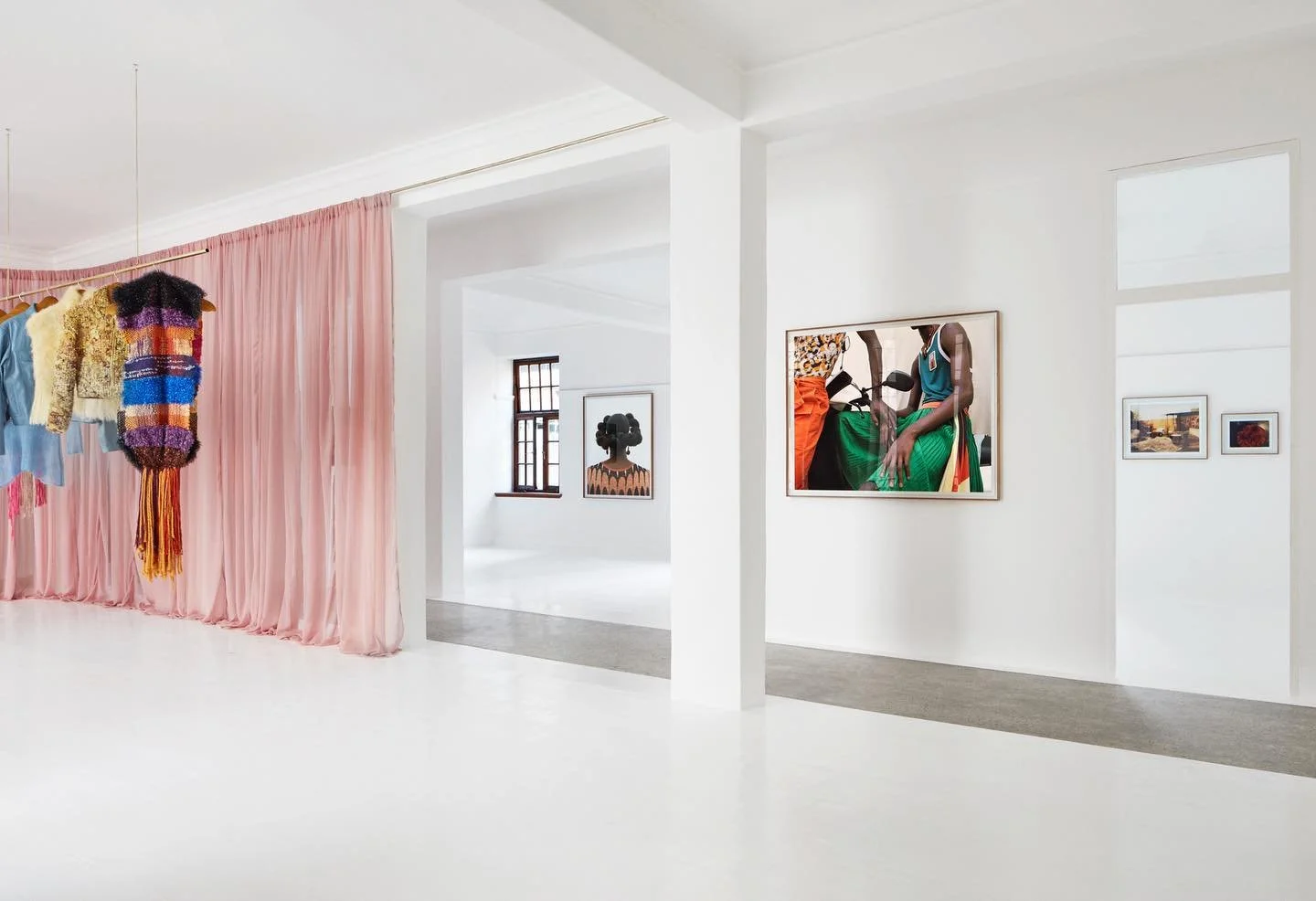
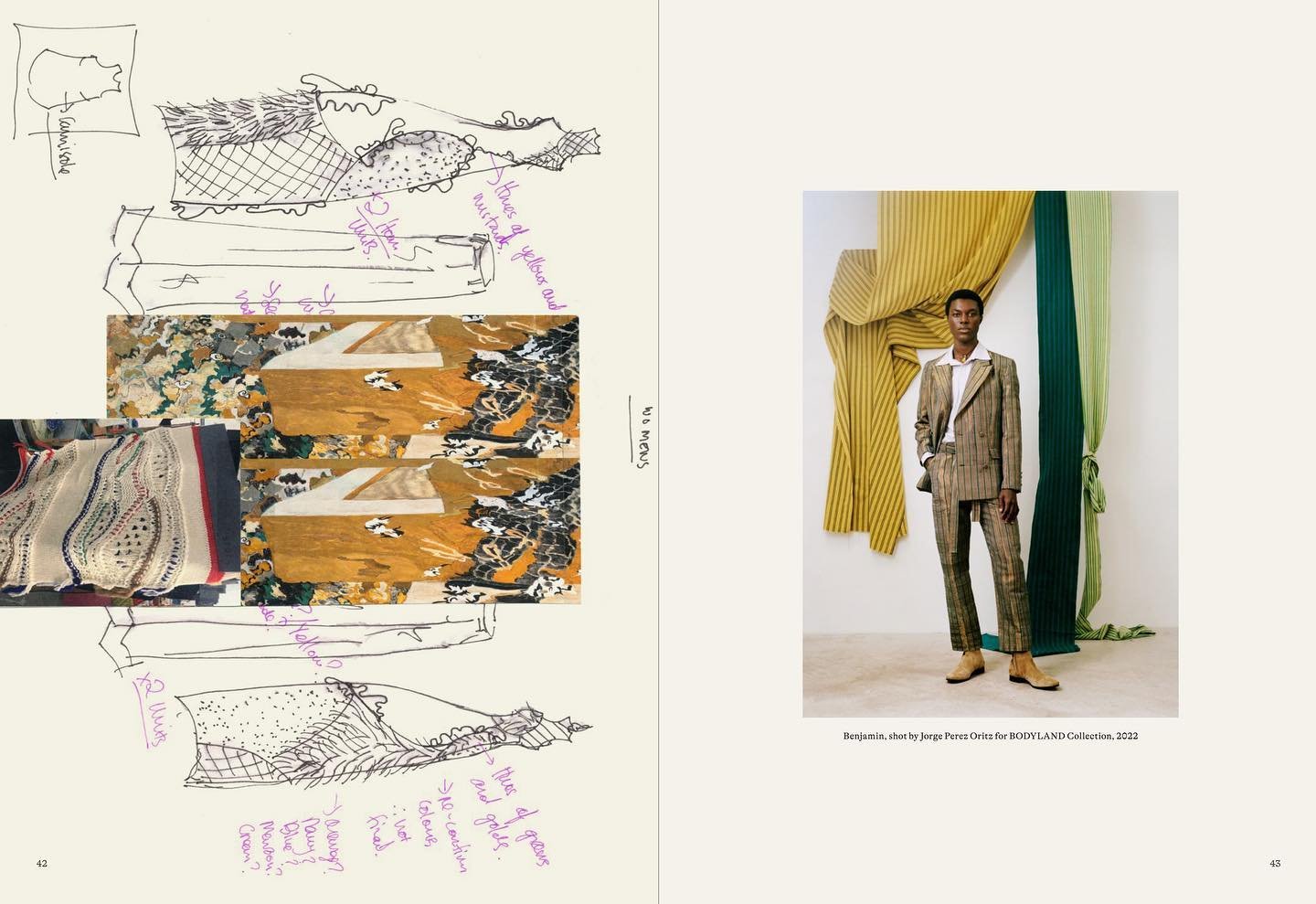
Perhaps most significantly, Lukhanyo Mdingi treats artisans as visible collaborators rather than anonymous labour. Through partnerships with the Ethical Fashion Initiative, CABES-GIE in Burkina Faso, and the Philani weavers in Khayelitsha, he actively foregrounds the identities and expertise of the makers behind his collections. In doing so, he transforms fashion from an individual practice into a shared cultural enterprise, demonstrating that long-term relevance is built through the communities and relationships that sustain them.
Sindiso Khumalo
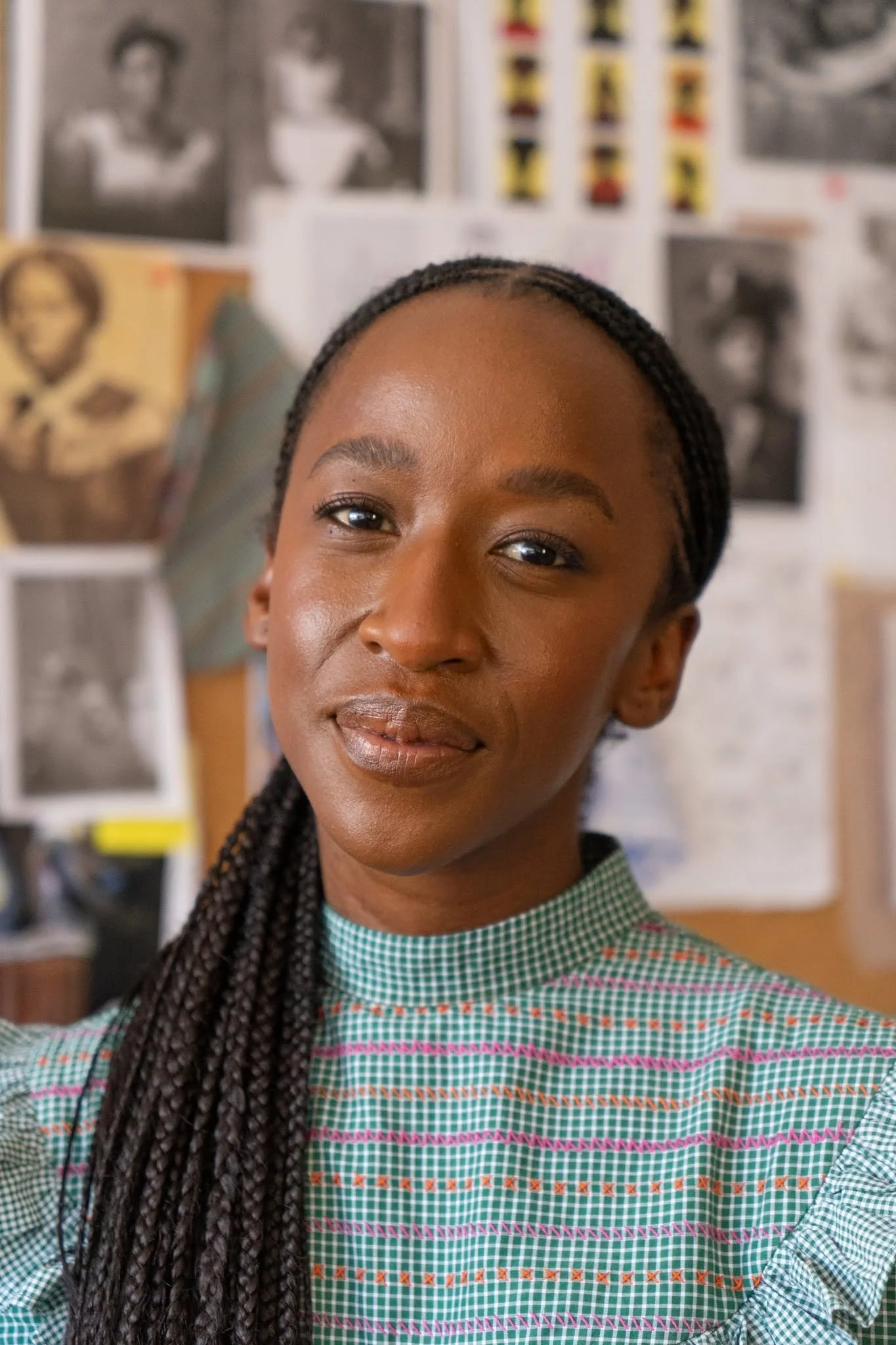
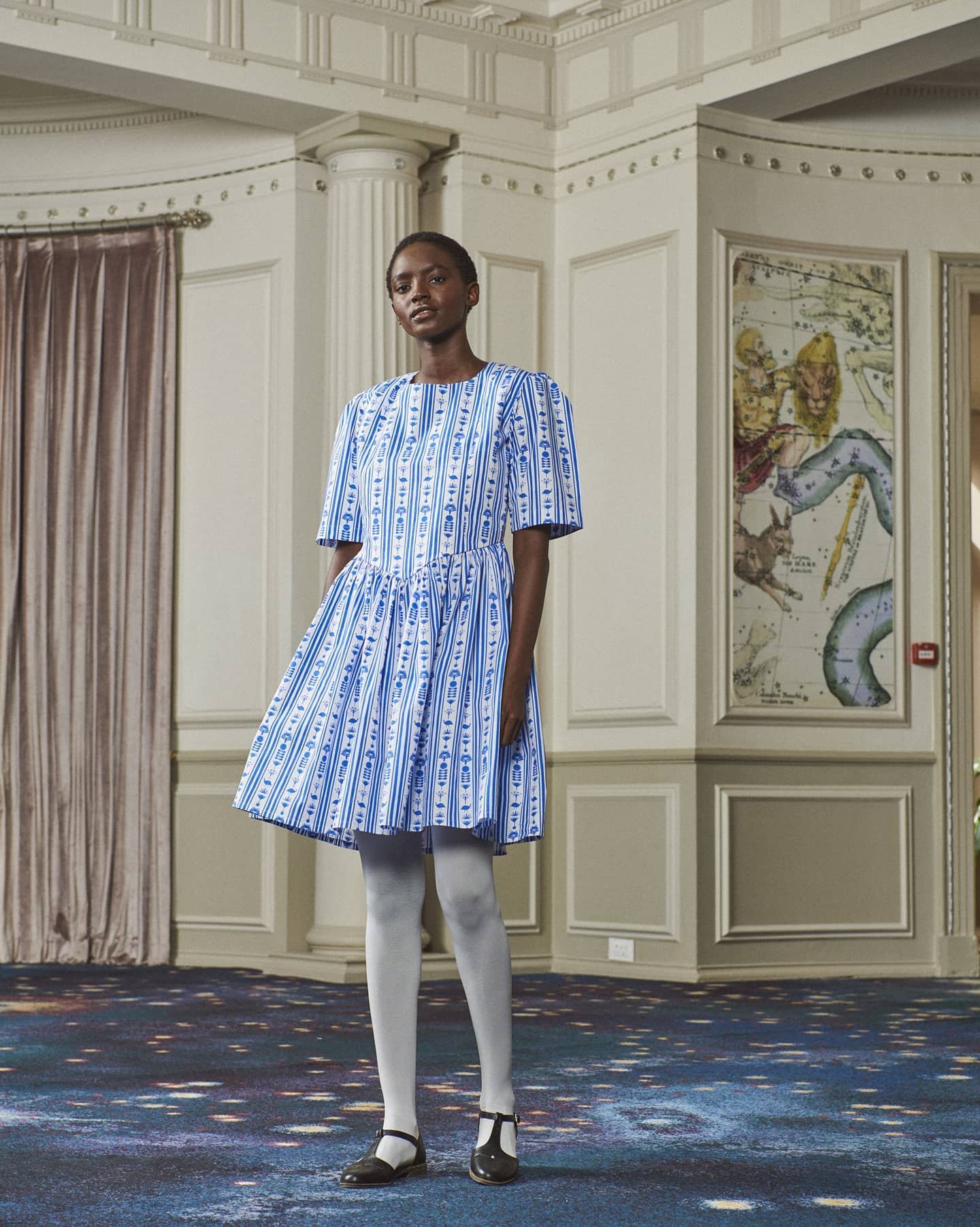
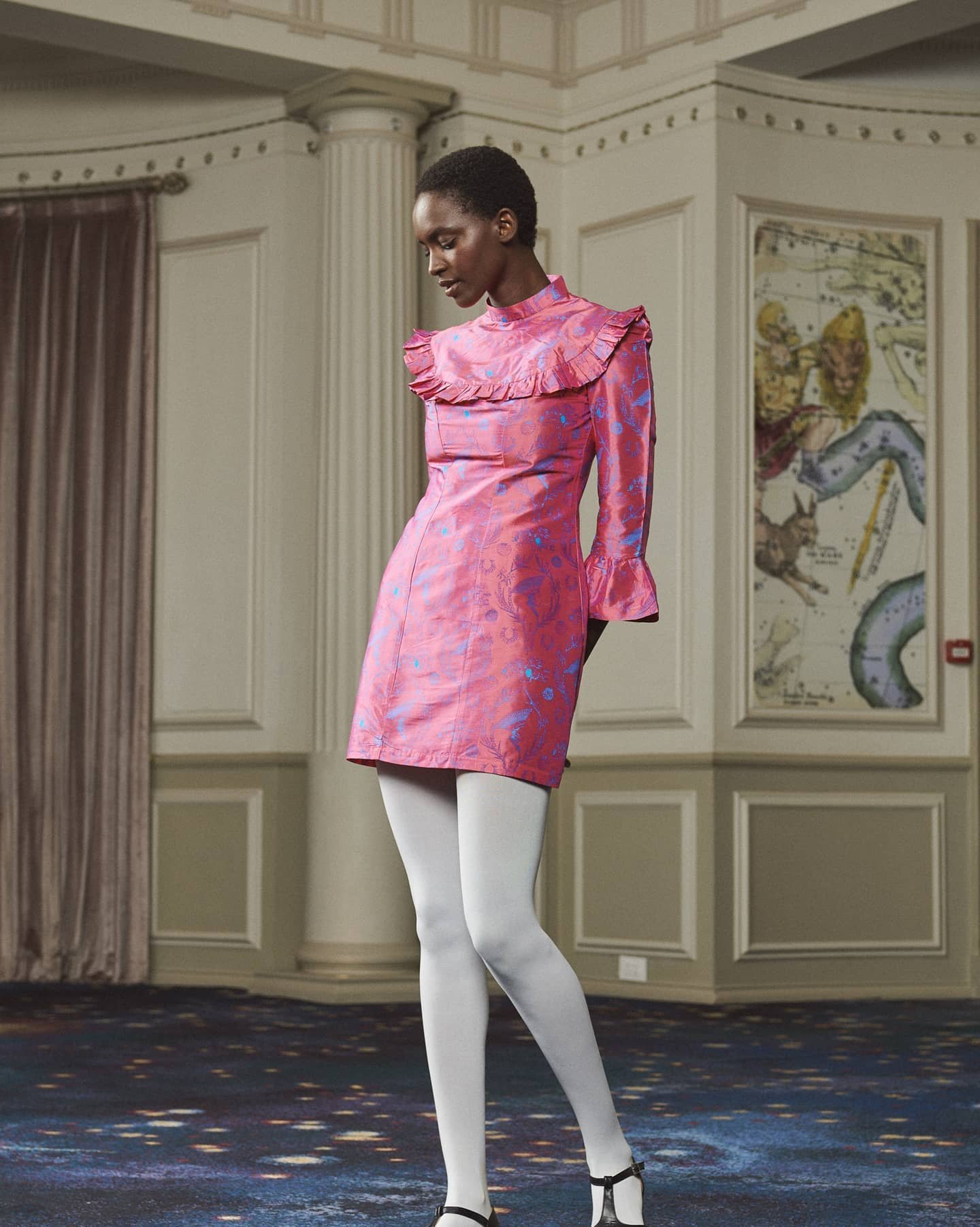
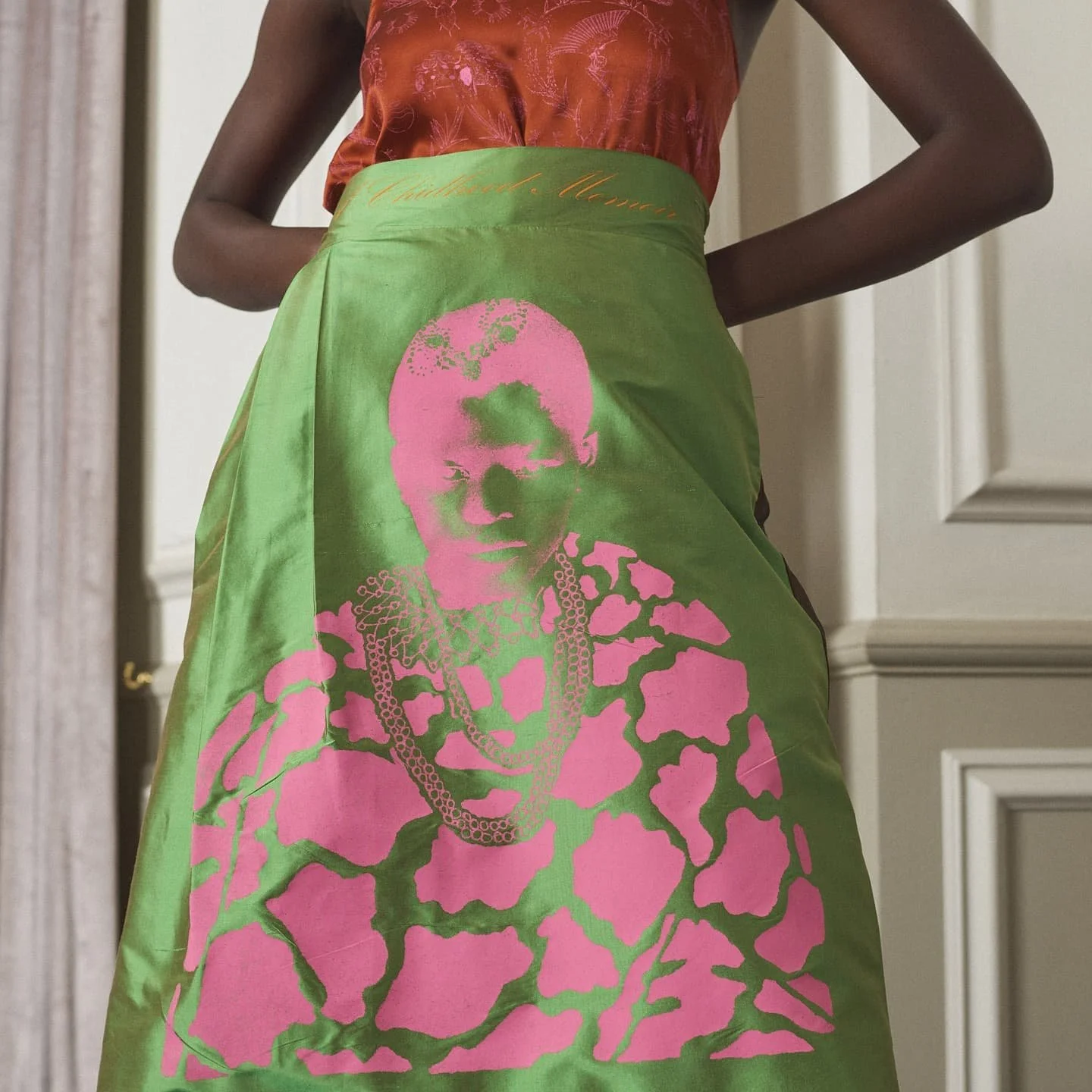
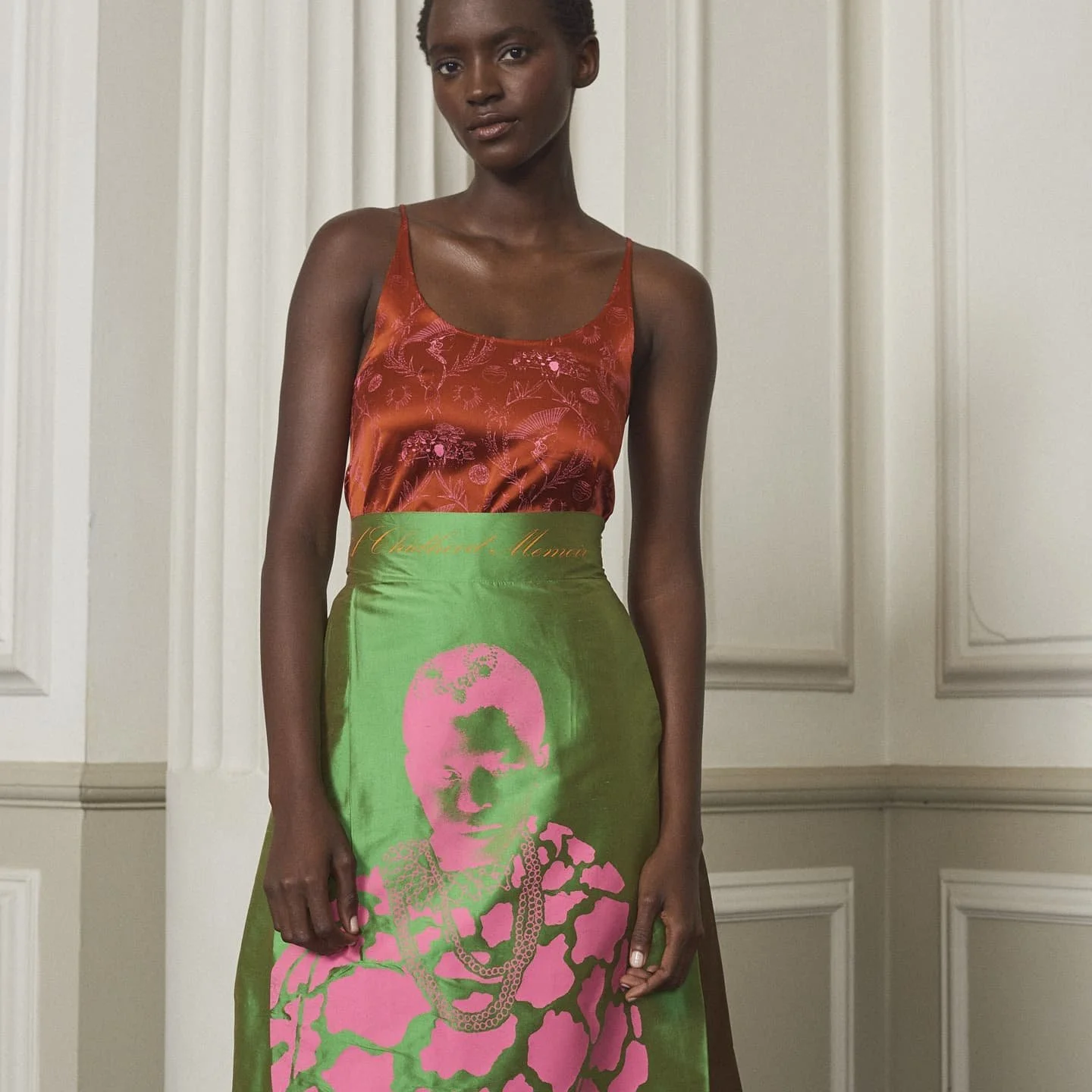
Sindiso Khumalo approaches fashion as a form of historical recovery. Drawing on her background in architecture and textile futures, she uses garments to uncover stories that have been overlooked or erased, transforming clothing into a living archive of Black identity and resilience.
Rather than designing around seasonal trends, Khumalo builds collections through historical research. Her work frequently draws on 19th and 20th century portraiture, literature, and the lives of extraordinary women whose contributions have been omitted from mainstream narratives. Collections inspired by figures such as Harriet Tubman, Sarah Forbes Bonetta, Charlotte Maxeke, and other historical pioneers reposition fashion as a vehicle for education and remembrance. Every print begins as a hand-painted watercolour or collage, translating research into richly layered textiles that function as wearable narratives.
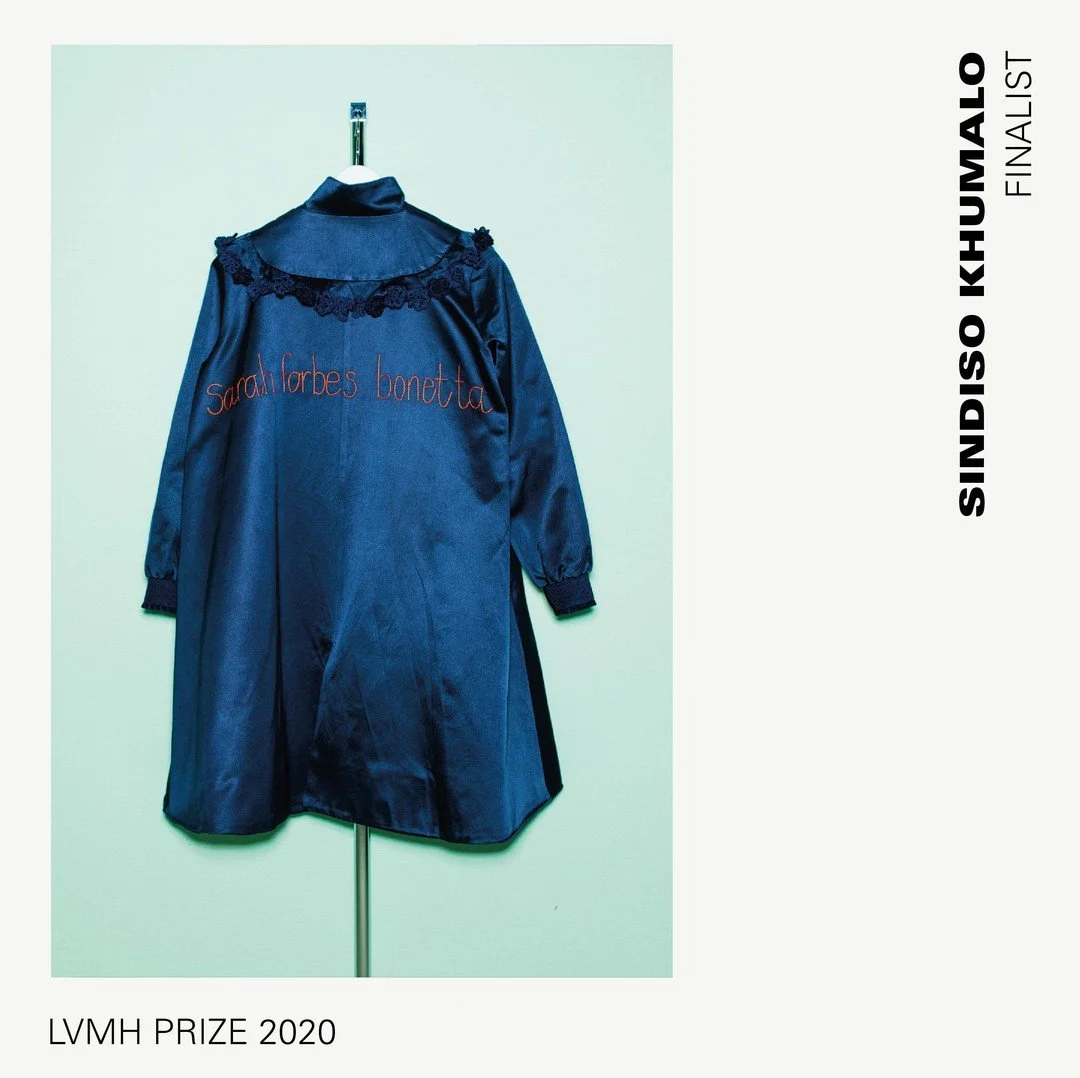
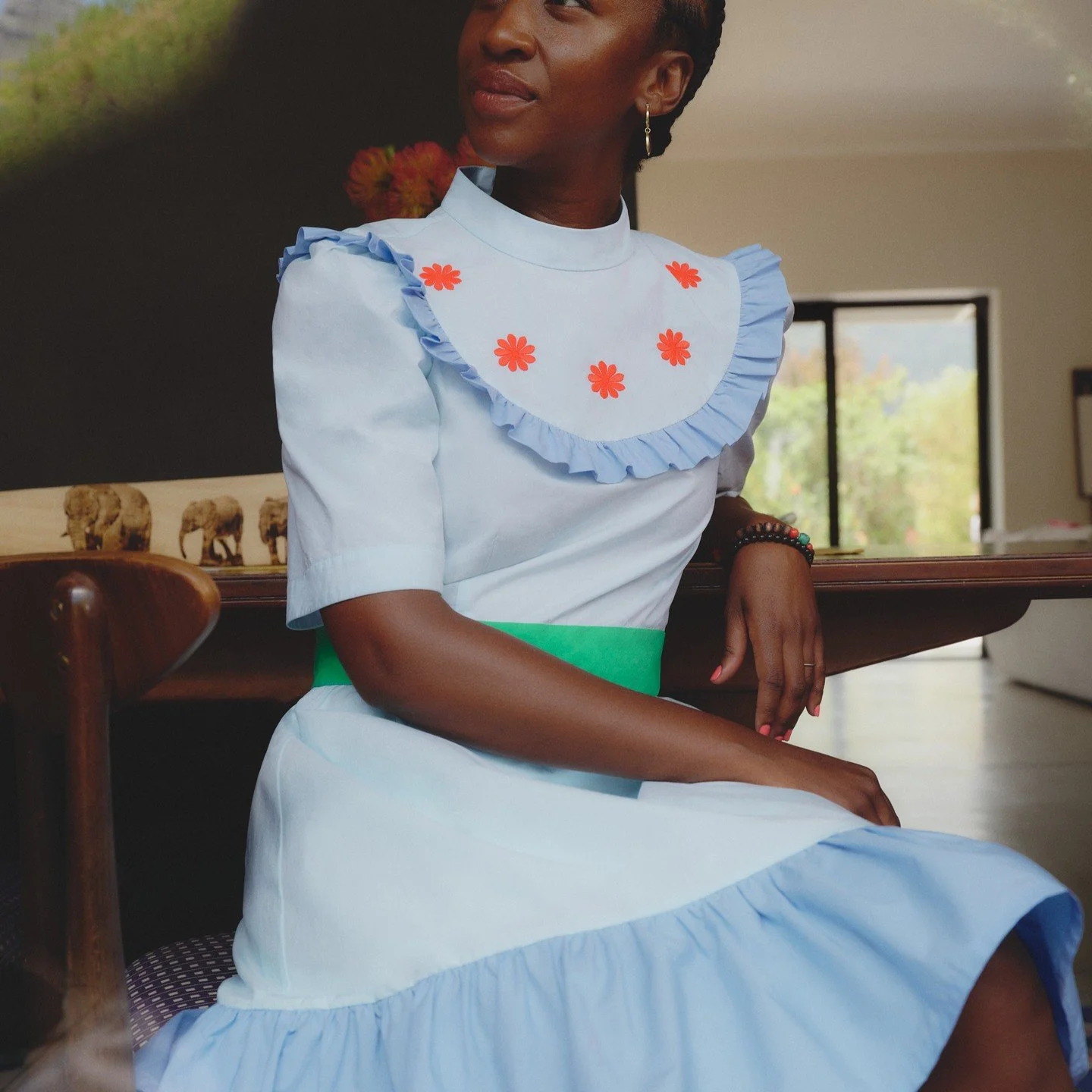
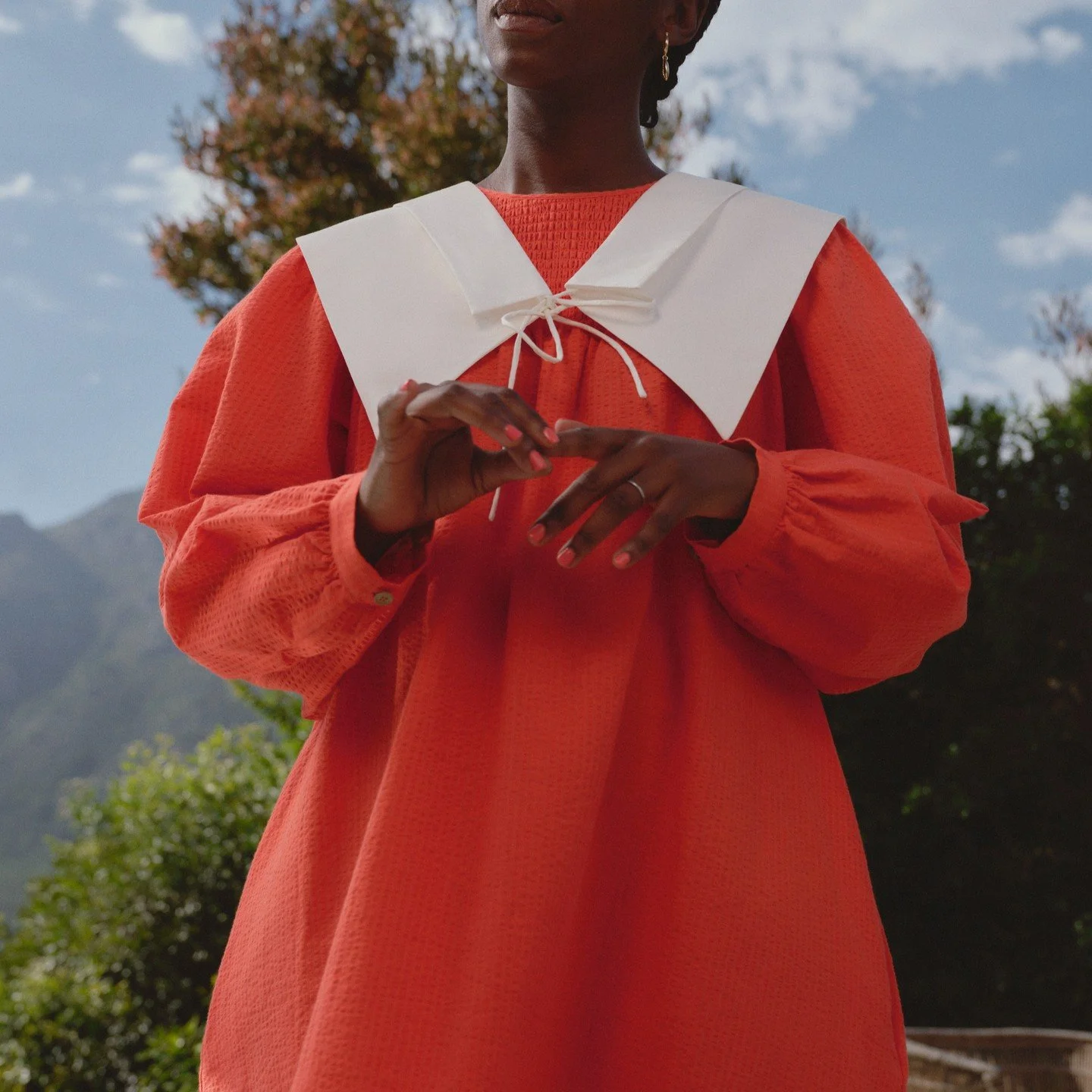
This commitment to storytelling has enabled Khumalo’s work to move beyond fashion and into institutional spaces. Her garments have been exhibited at the Victoria and Albert Museum, the Smithsonian National Museum of African Art, Zeitz MOCAA, the Louisiana Museum of Modern Art, and Museum Africa, where they are presented as material culture. Through these exhibitions, her designs become part of broader conversations surrounding representation.
Collaborations with global brands including IKEA, Vans, and & Other Stories have extended her narratives to wider audiences while remaining rooted in sustainable production and authentic storytelling. Khumalo has consistently required collaborators to engage with her values, from the use of organic and recycled materials to the inclusion of the references that underpin her work.
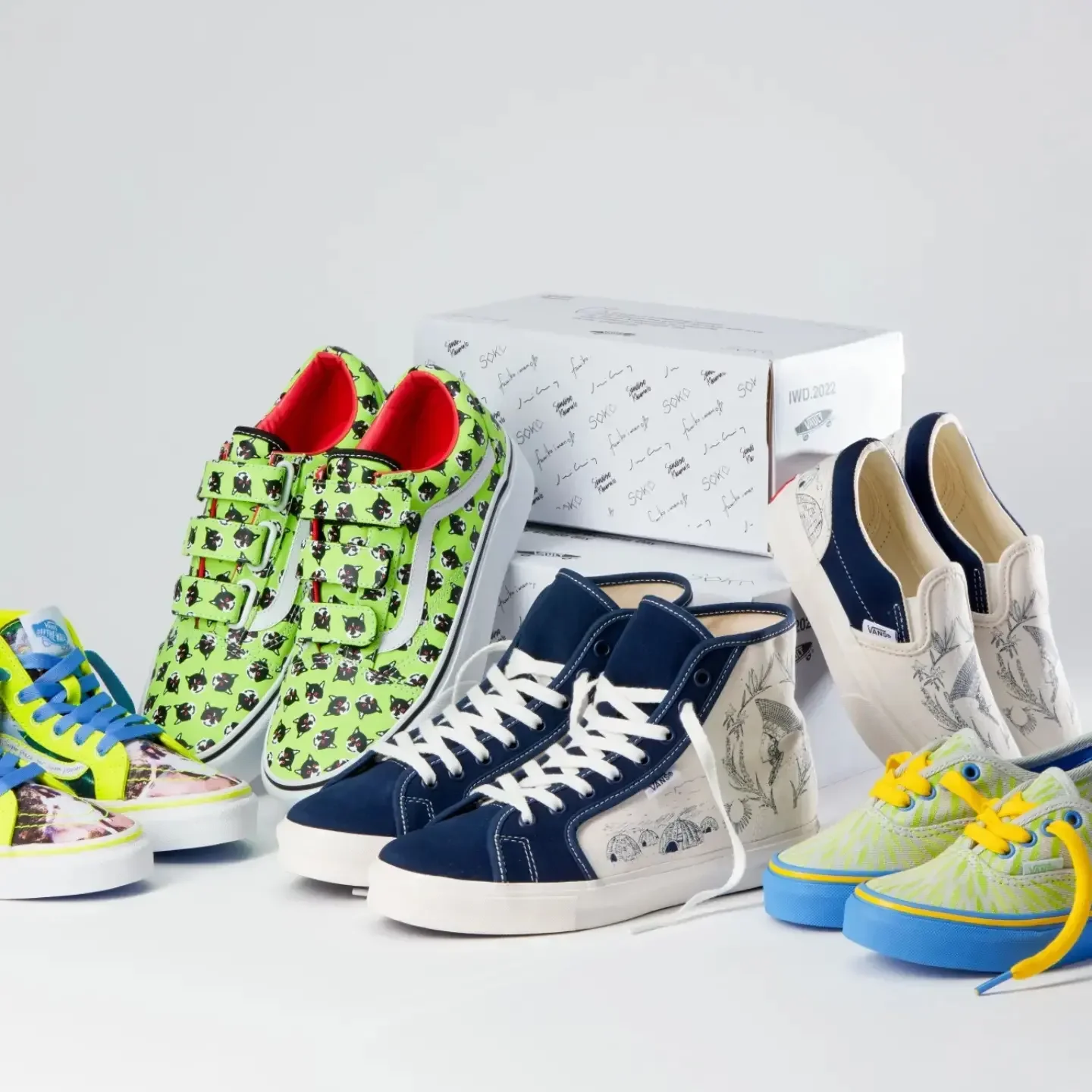
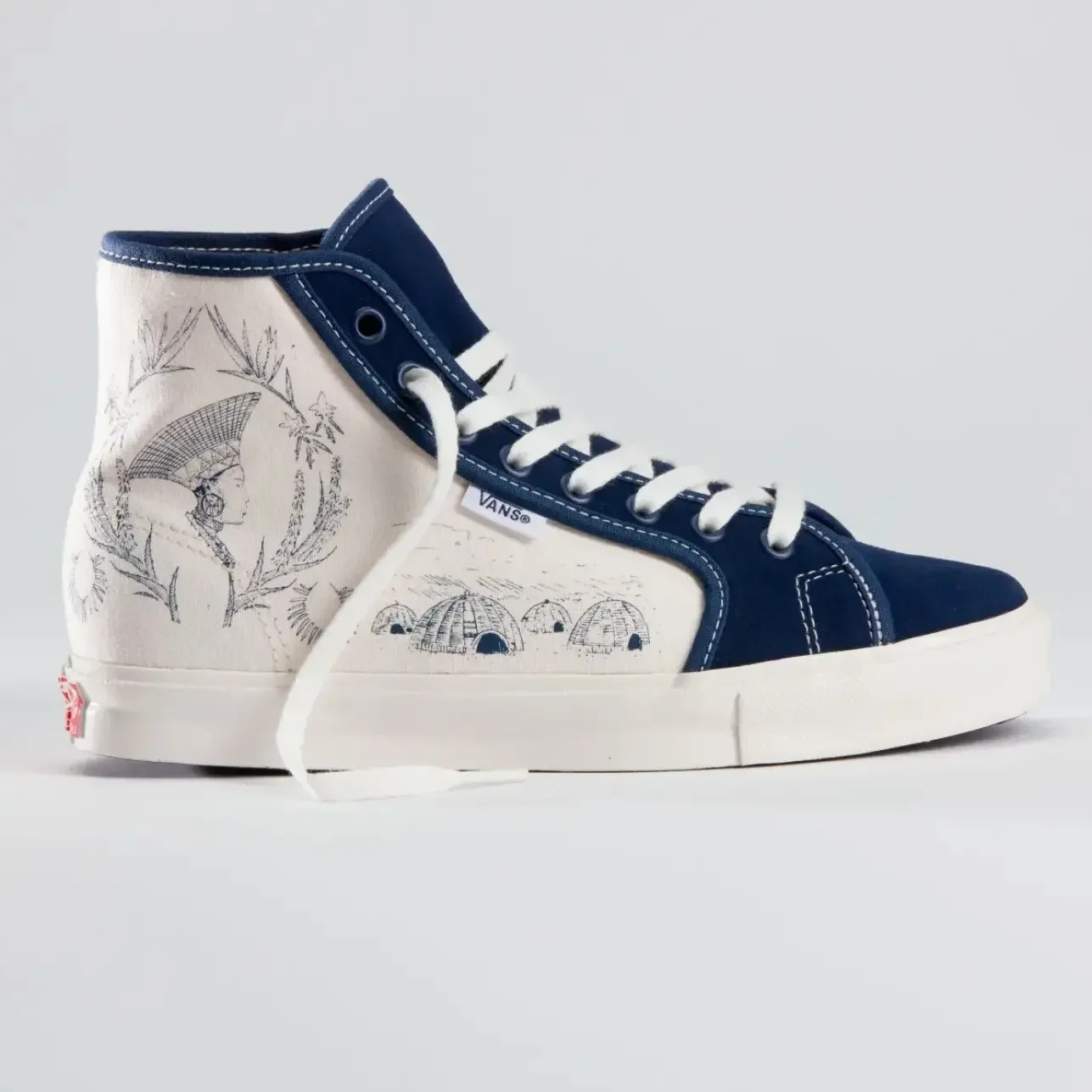
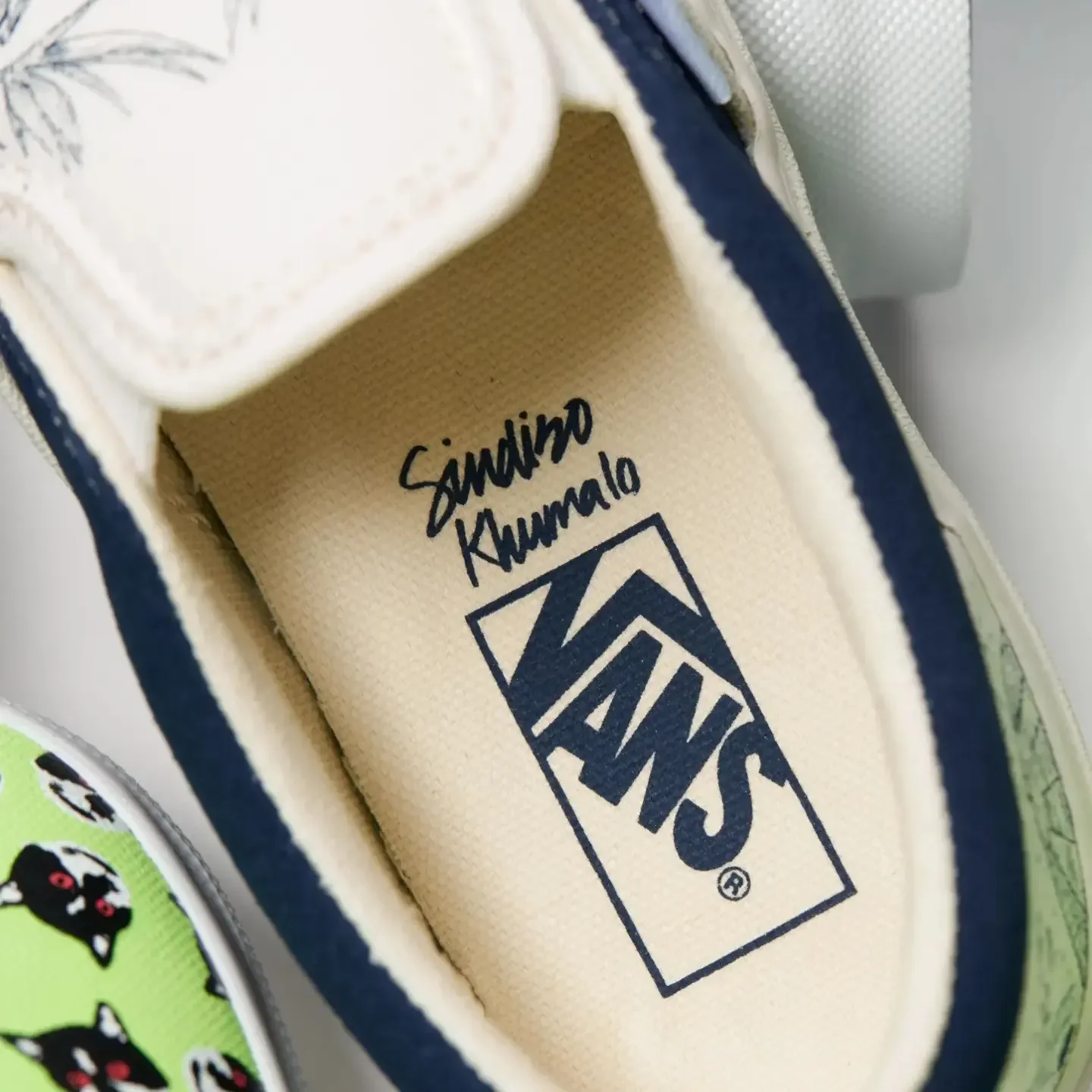
Beyond the garment itself, Khumalo has built a network of social and economic relationships that sustain the communities connected to her practice. Through partnerships with the United Nations Ethical Fashion Initiative, artisans in Burkina Faso, and organisations such as Embrace Dignity in Cape Town, she links cultural preservation to economic opportunity. Guided by an heirloom philosophy inspired by garments passed down through generations of women in her own family, Khumalo creates pieces designed to endure physically and emotionally. In doing so, she demonstrates how fashion can operate simultaneously as advocacy and practical support, ensuring that her ideas continues to circulate long after the garments leave the studio.
Trevor Stuurman
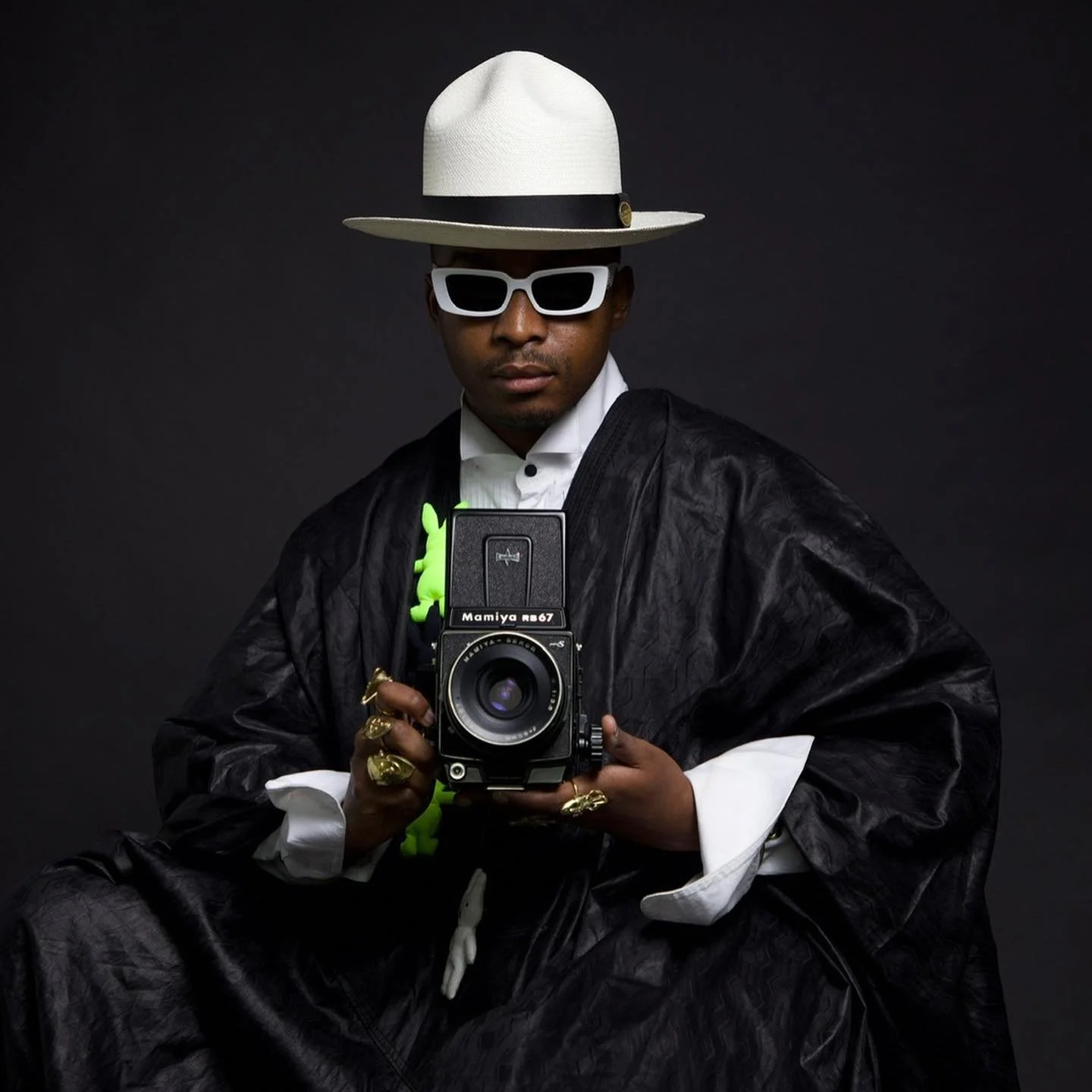
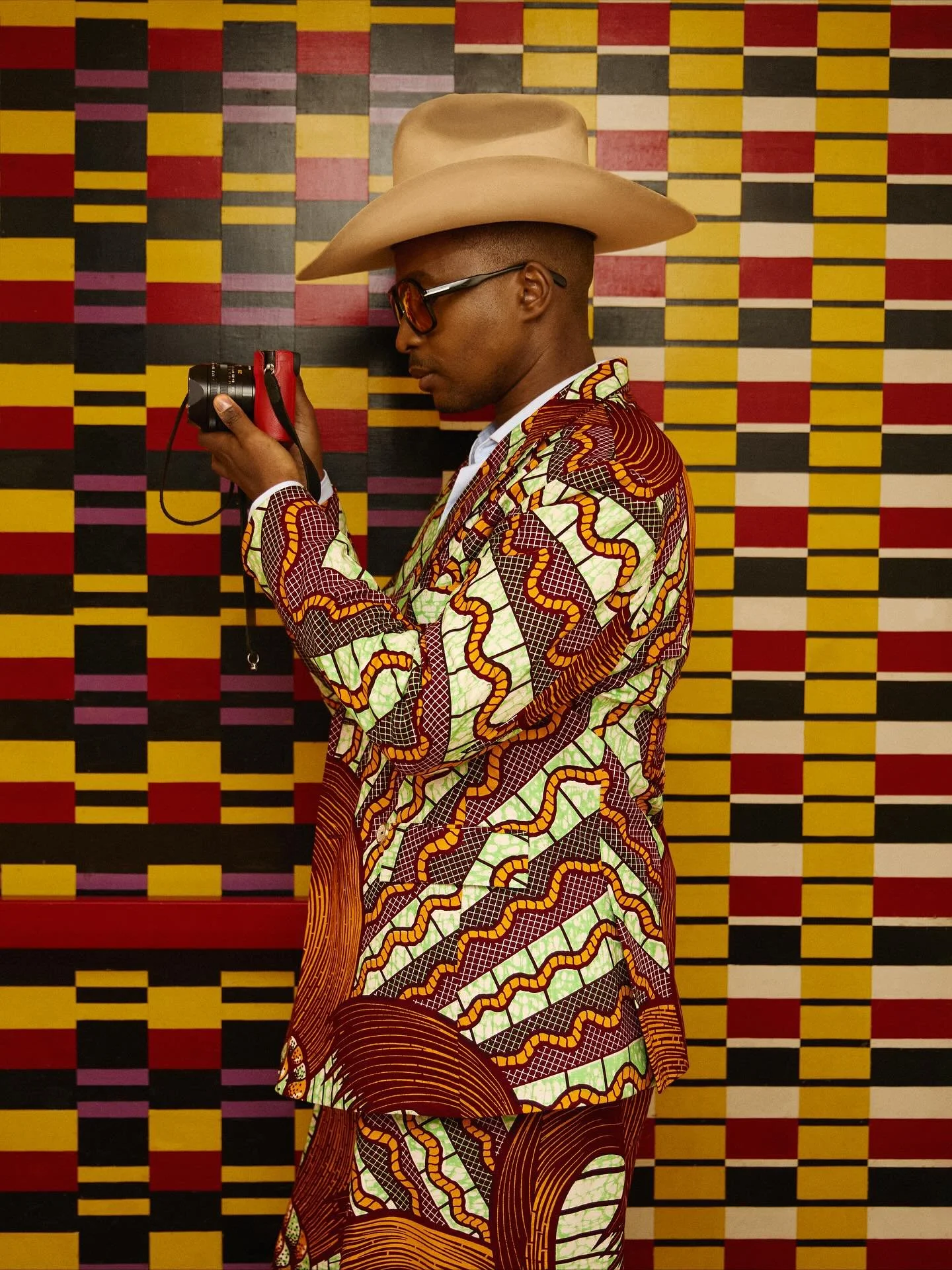
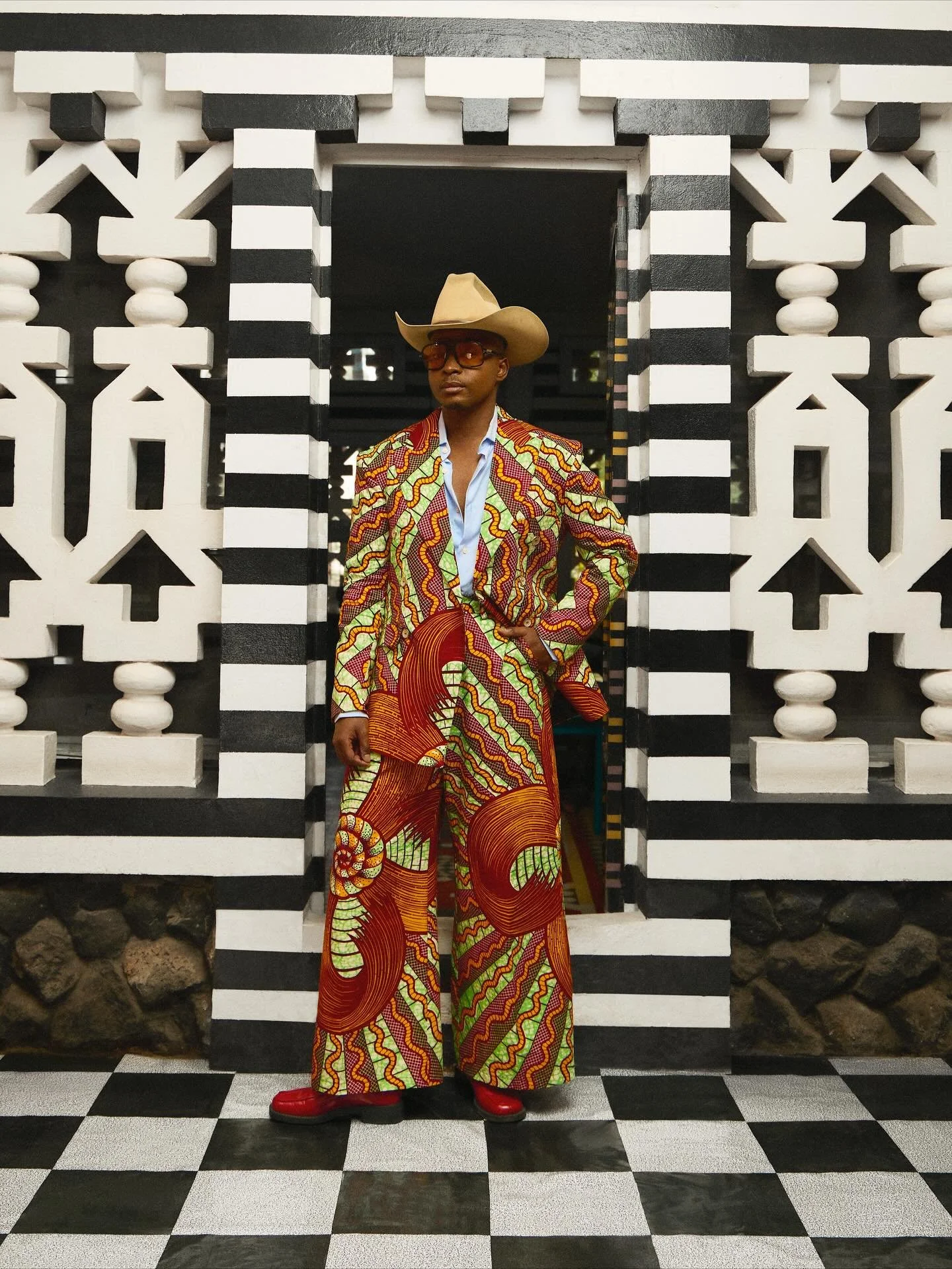
Trevor Stuurman has spent the last decade building an archive of African life through images. Working across photography, publishing, and cultural entrepreneurship, he has used visual storytelling to document contemporary identities and expand how African culture is seen both locally and globally.
Trevor Stuurman approaches image-making as a form of historical authorship. His portraits of figures ranging from the Obamas, Beyoncé, Naomi Campbell and other global cultural leaders function as records of Black identity and achievement. This commitment to representation extends beyond the camera. In 2023, Trevor Stuurman founded The Manor, a multidisciplinary storytelling platform created to document African style, creativity, and cultural expression. Operating as a living digital archive, The Manor preserves changing narratives in real time while creating space for emerging voices. His project A Place Called Home expanded this approach into the physical world, transforming a house in Johannesburg into an immersive public installation.
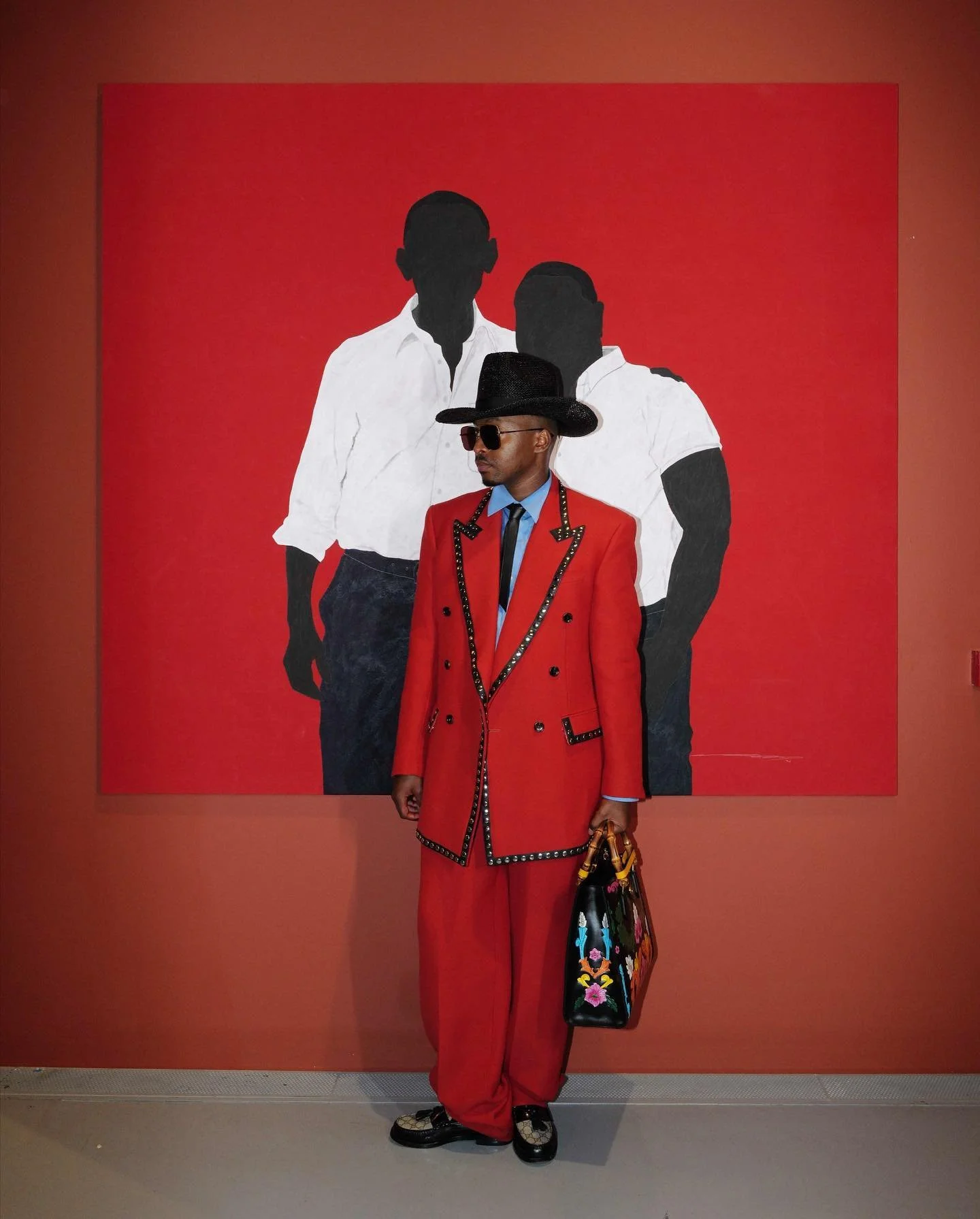
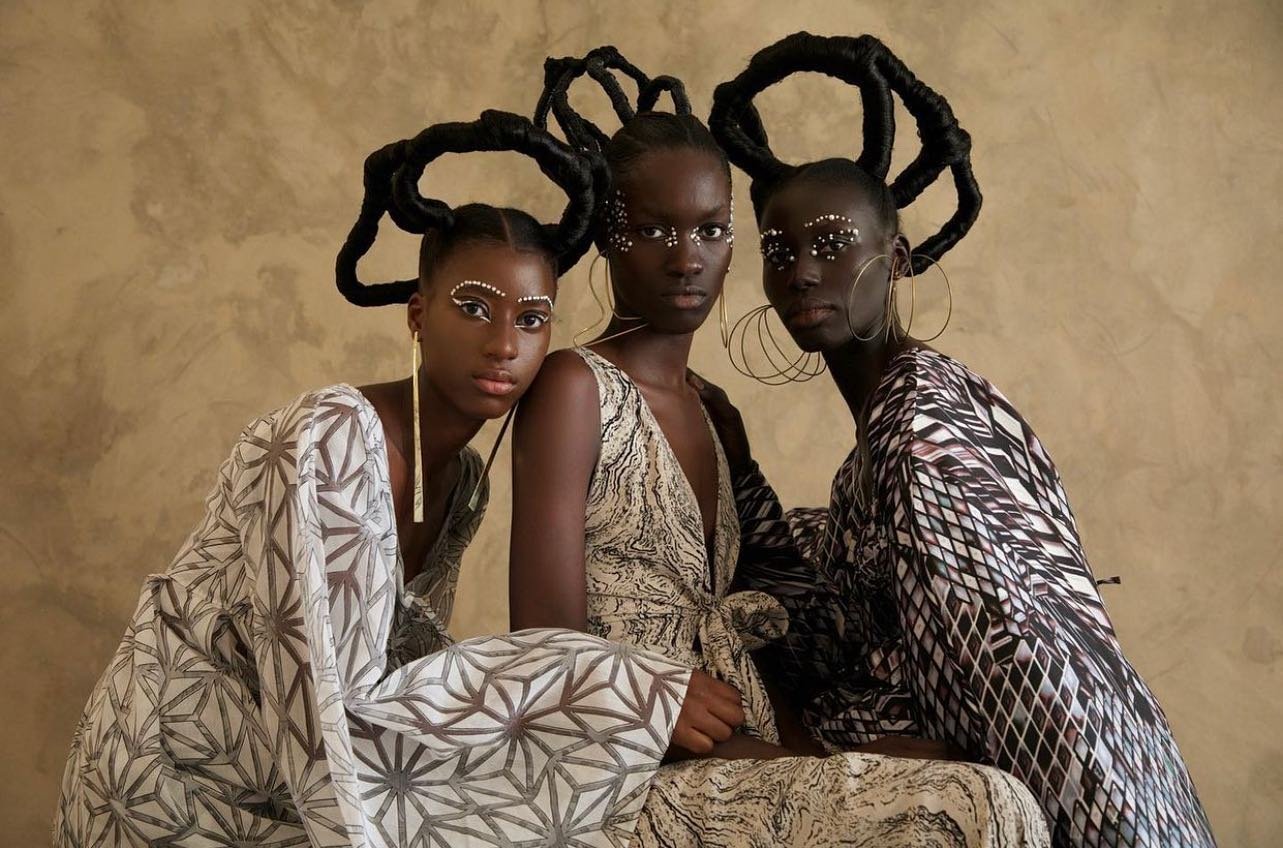
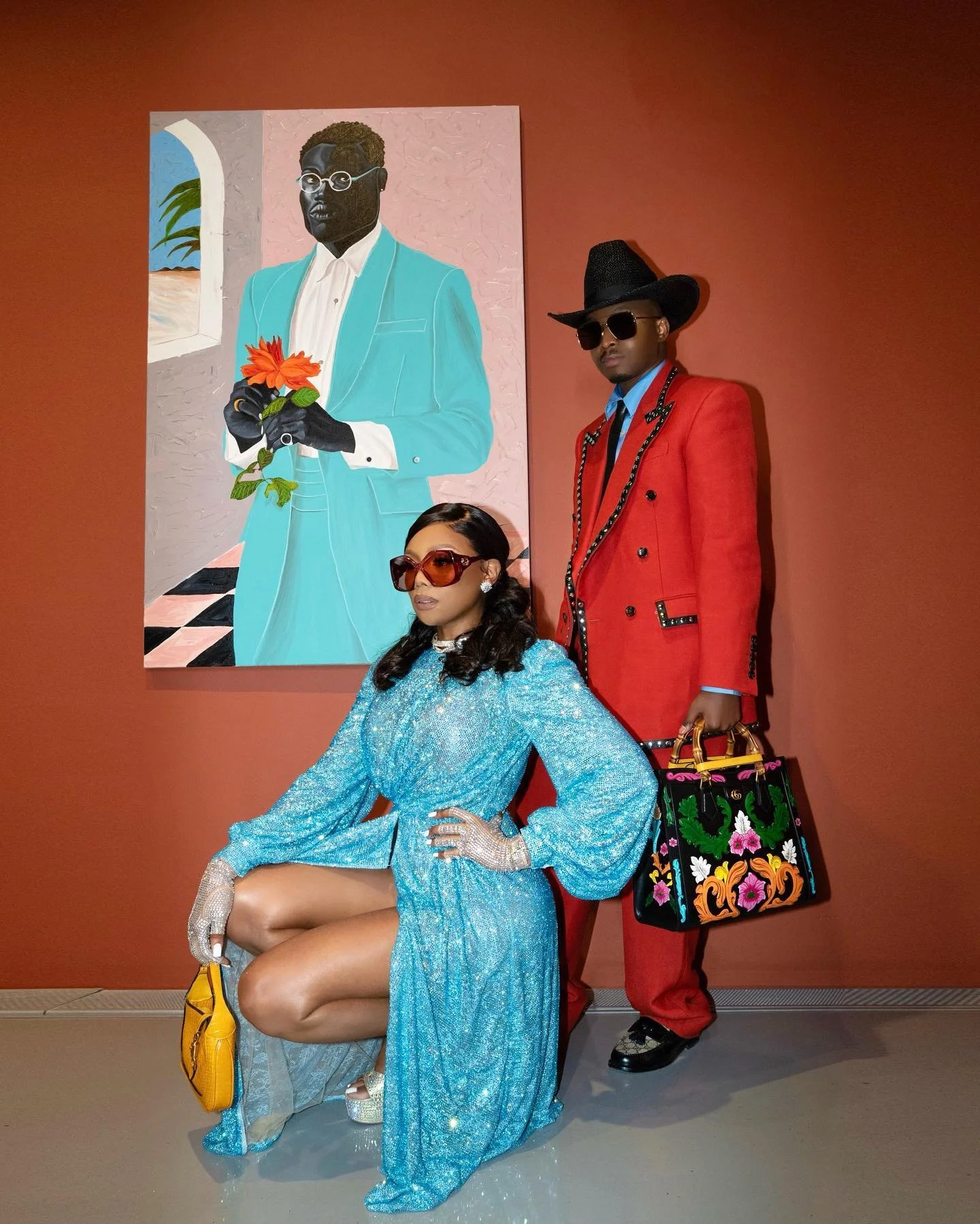
Institutional recognition has reinforced the permanence of this work. Trevor Stuurman’s imagery has featured in exhibitions such as Africa Fashion at the Brooklyn Museum and presentations at the Museum of the African Diaspora, while lectures at institutions including Oxford University have positioned his practice within wider discussions around visual culture.
Commercially, Trevor Stuurman has maintained an unusual degree of creative autonomy. He enters partnerships with brands such as Gucci, Montblanc, Disney, and MINI as a creative collaborator through casting, styling, and visual direction. This approach allows him to use global campaigns as platforms for local designers and cultural narratives, ensuring that commercial visibility strengthens the communities at the heart of his work.
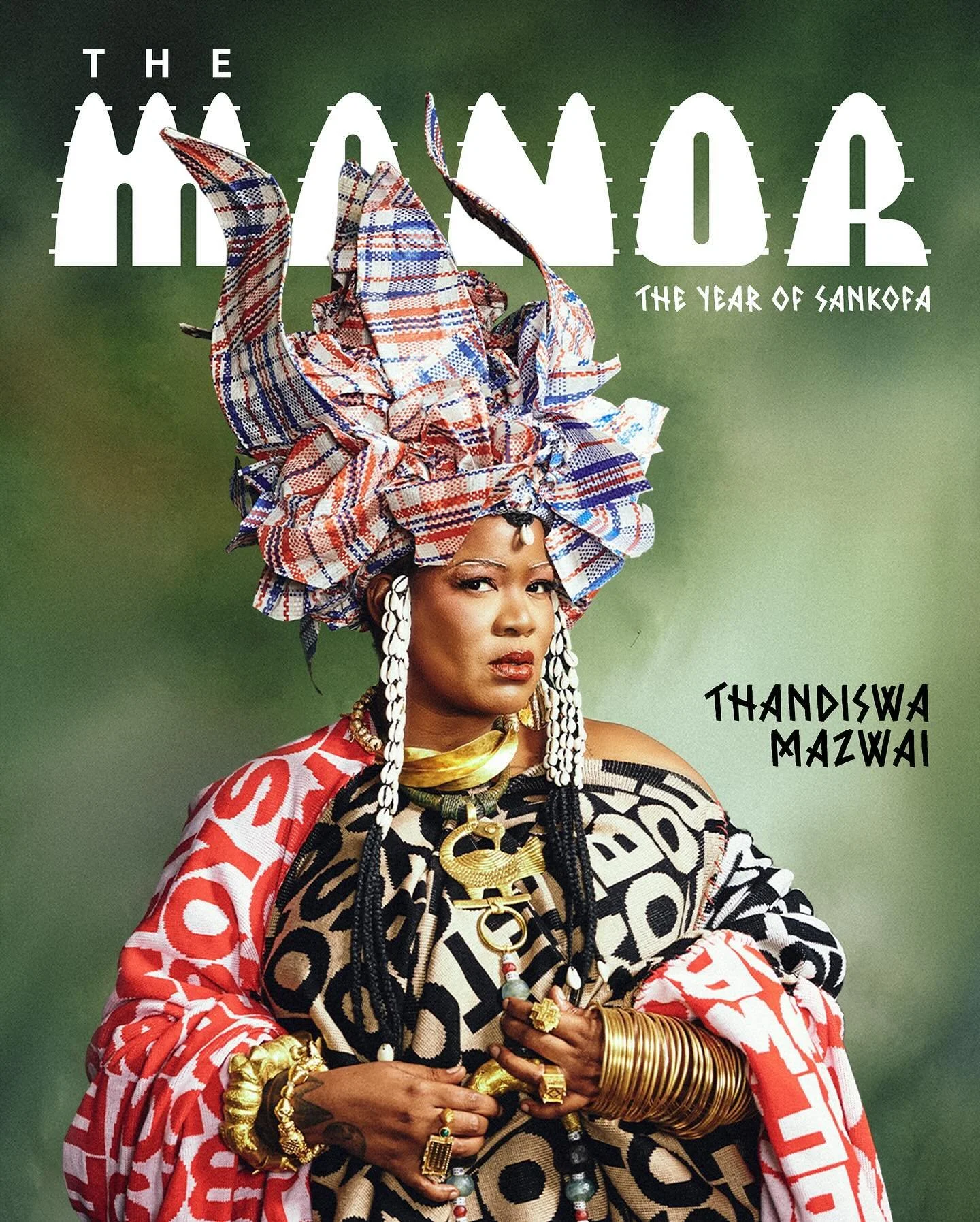
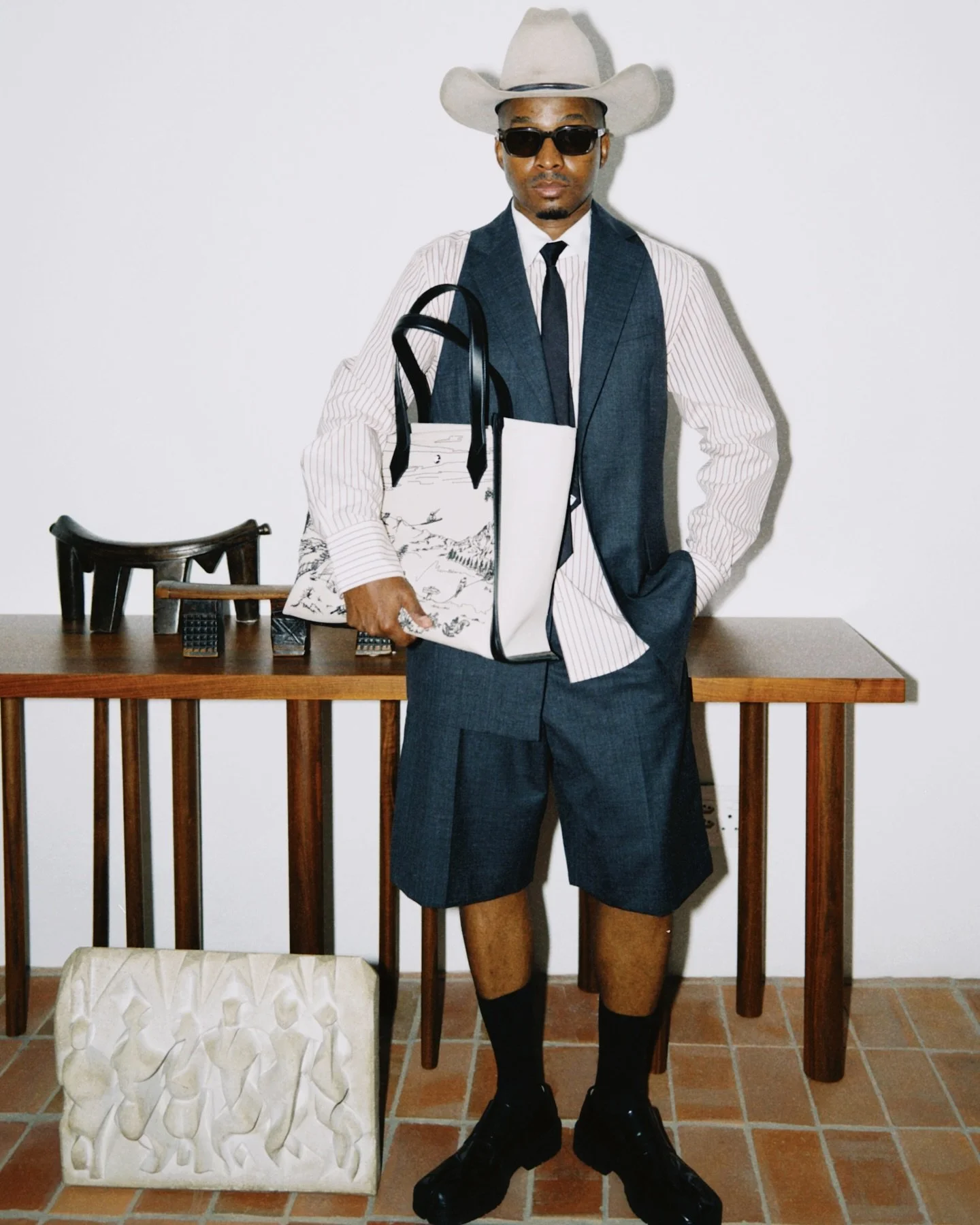
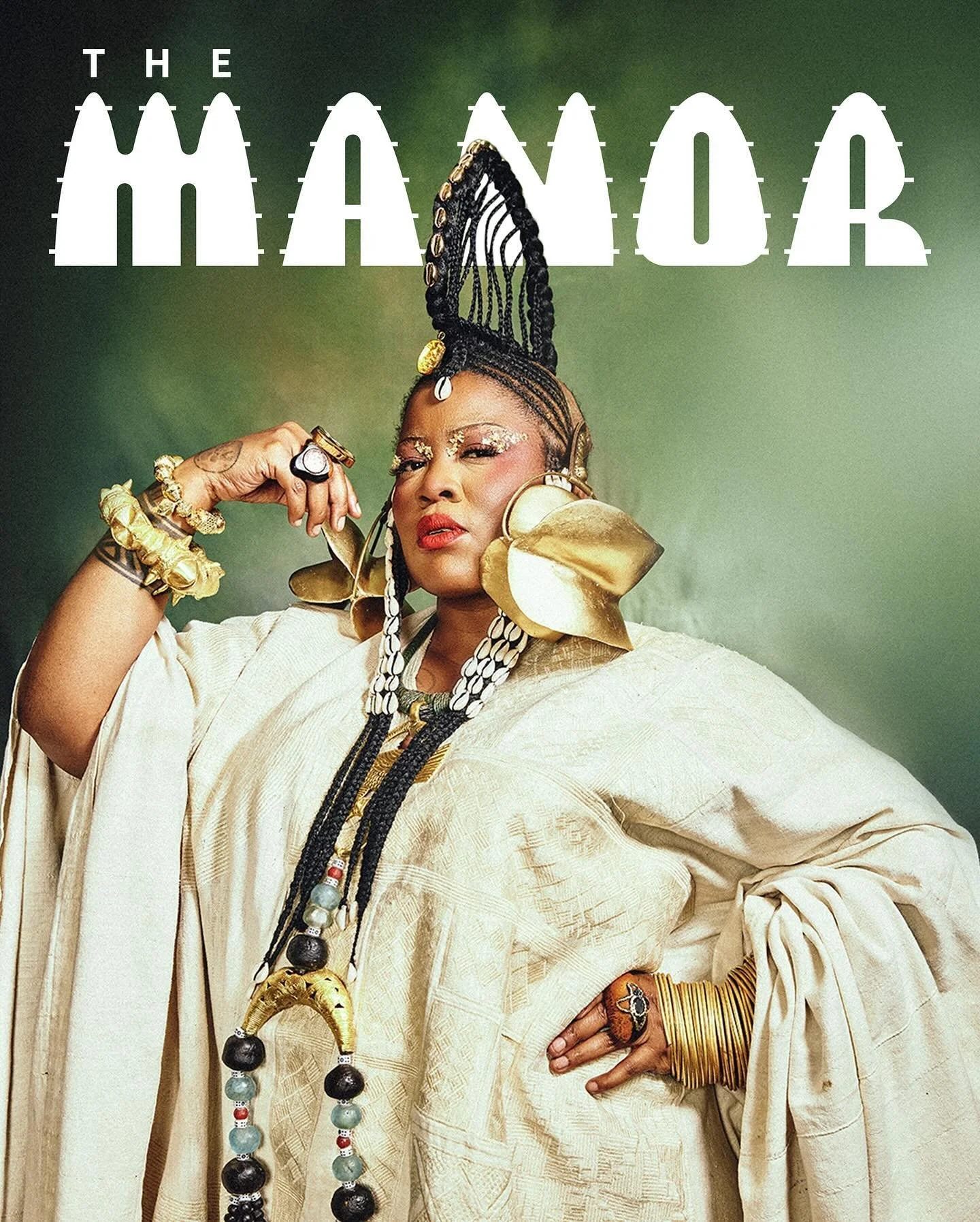
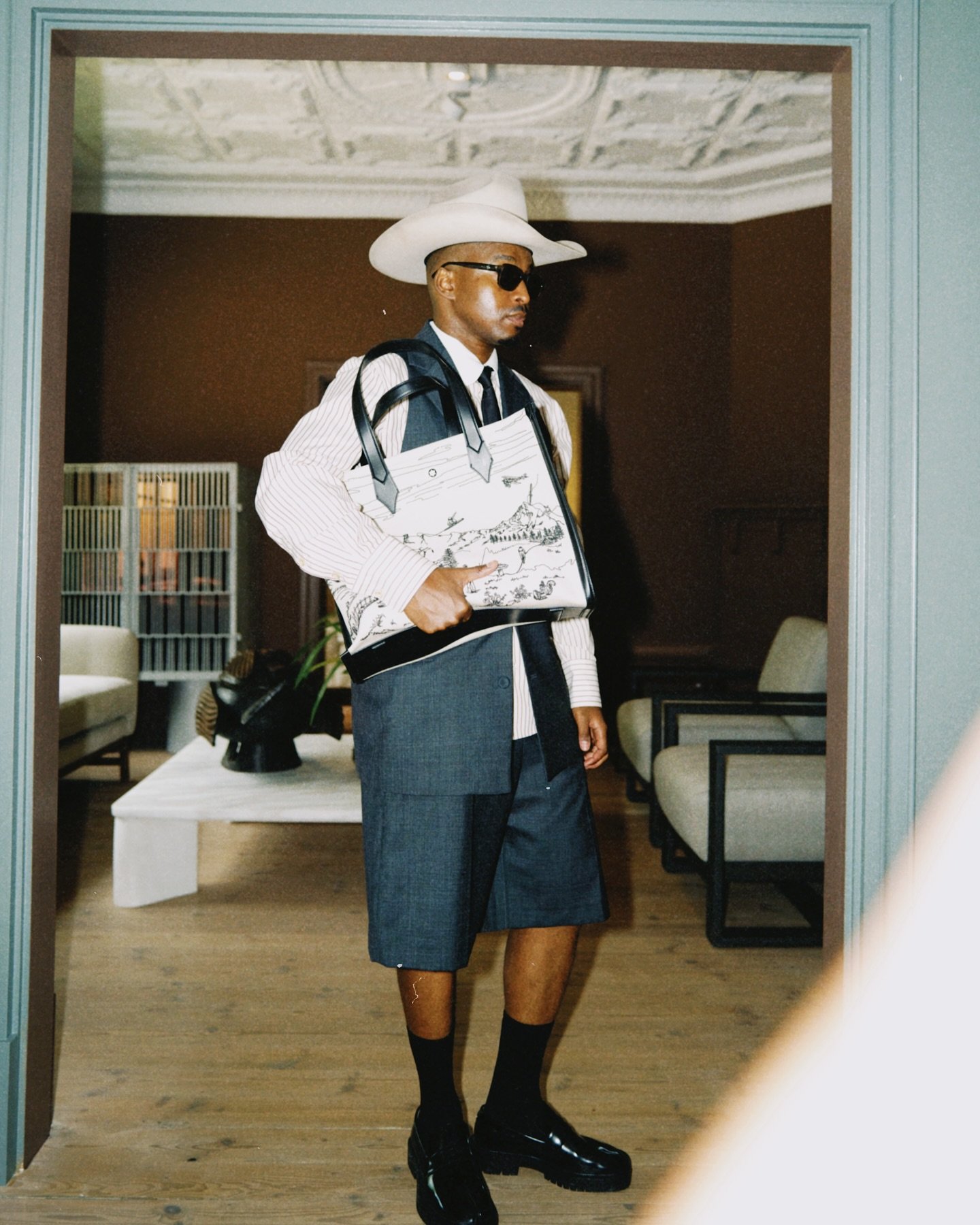
By building archives, platforms, and images that centre African authorship, Trevor Stuurman demonstrates how photography can move beyond documentation to become a lasting infrastructure.
Dr. Esther Mahlangu
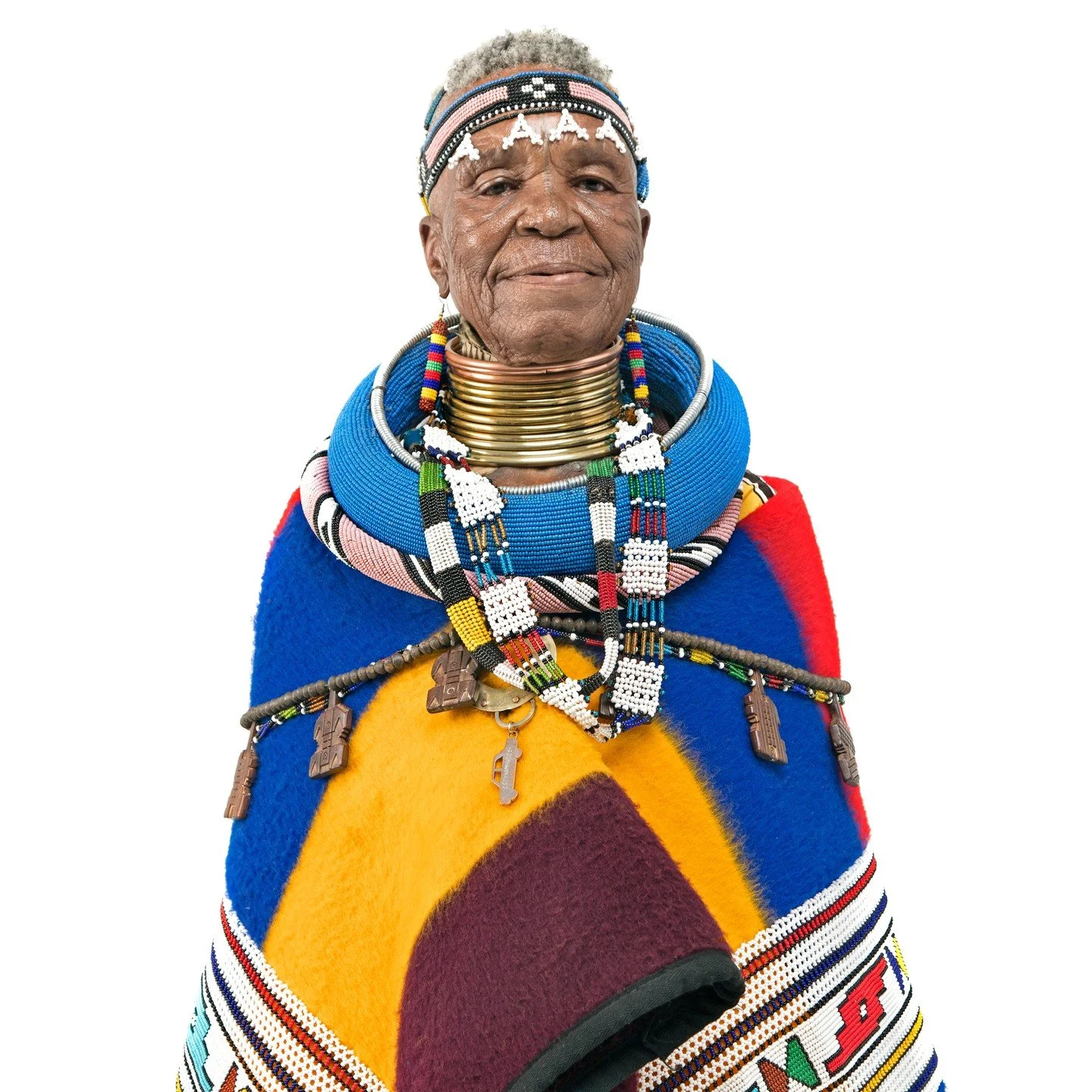
Dr Esther Mahlangu transformed a painting tradition once confined to the walls of Ndebele homes into one of the most recognisable visual languages in contemporary art. For more than seven decades, she has demonstrated that cultural preservation does not require isolation from the global stage. She has shown how an ancestral practice can travel across museums, luxury houses and international institutions while remaining rooted in its original methodology.
Traditionally, Ndebele mural painting existed as a living architectural practice, repeatedly renewed on the exterior walls of family homes. Dr Esther Mahlangu revolutionised this tradition by transferring its geometric forms onto canvas, allowing the work to move beyond geographical boundaries and enter global artistic discourse. What remained unchanged was her process. Whether painting a house, a canvas, a motor vehicle, or a glass installation, she continues to work freehand using the same techniques she learned as a child, preserving the integrity of the tradition while expanding its reach.
Dr Esther Mahlangu’s international breakthrough came with the landmark Magiciens de la Terre exhibition in Paris in 1989, which introduced her work to a global audience and challenged long-standing distinctions between contemporary art and indigenous knowledge systems. Since then, her paintings have entered major museums and collections, while four honorary doctorates have cemented her position within academic discourse.
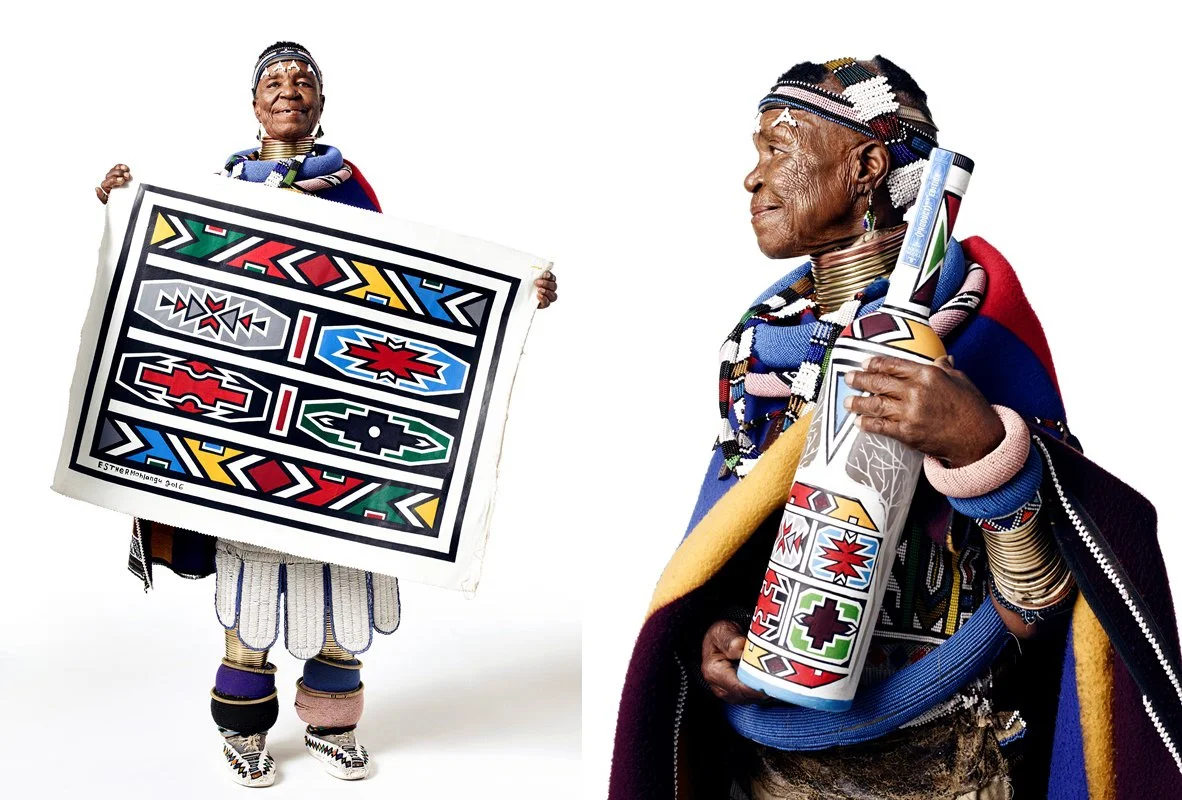
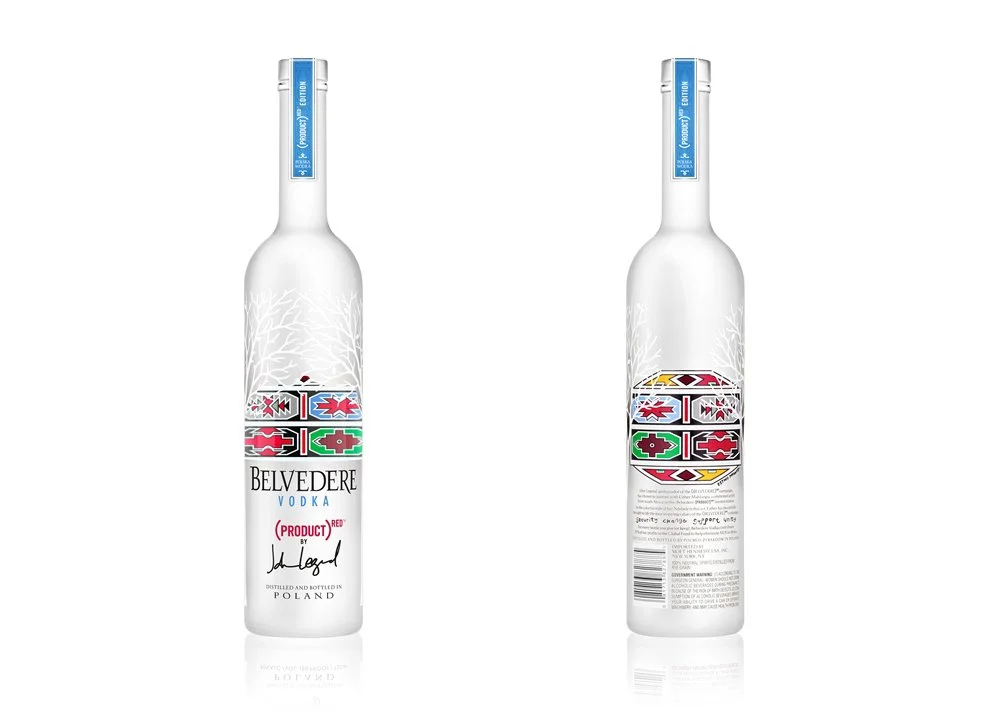
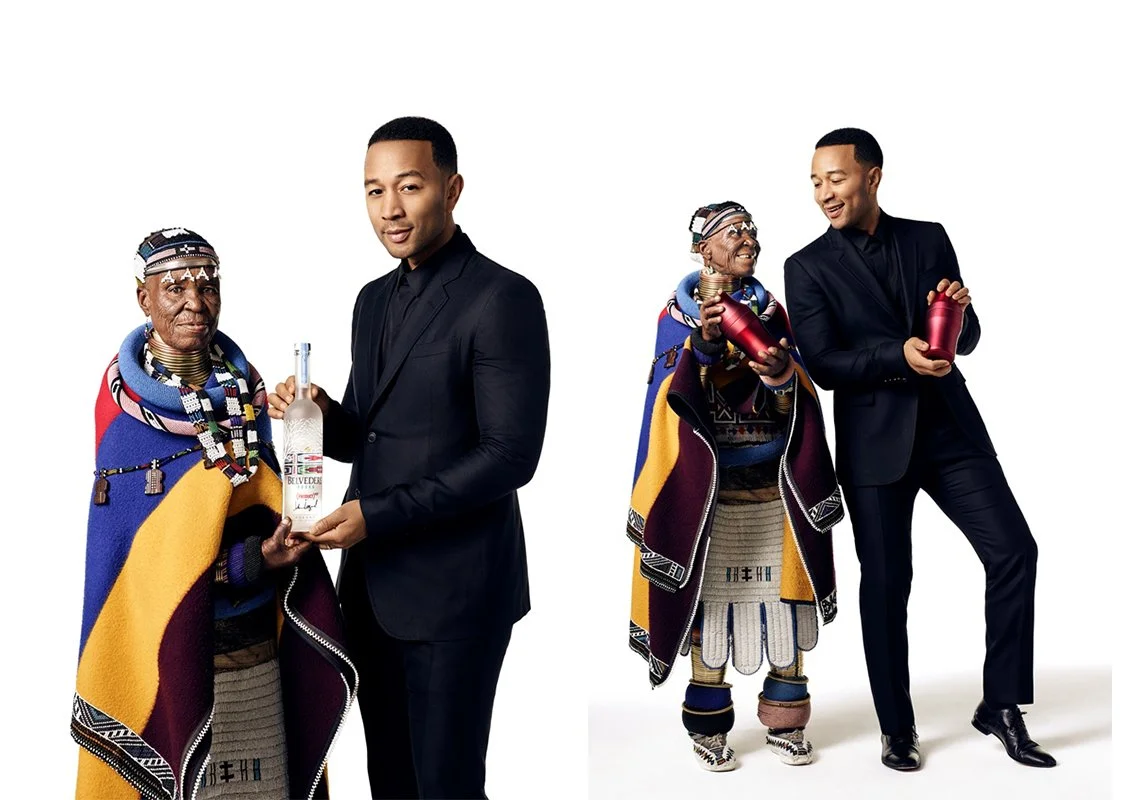
Commercial partnerships became another extension of her canvas. From her historic BMW Art Car and British Airways aircraft campaign to Belvedere Vodka and, most recently, The Mahlangu Phantom, a bespoke Rolls-Royce Phantom. The vehicle featured a hand-painted gallery and illuminated artwork integrated into its interior. Dr Esther Mahlangu has consistently treated commissions as opportunities to expand the visibility of Ndebele visual culture. Each collaboration remains bound by the principles of her practice: the patterns are painted by hand, the compositions retain their structural precision, and the language remains unmistakably hers.
Perhaps her most enduring contribution lies in how she secured the future of the tradition itself. In Mabhoko, Mpumalanga, Mahlangu established an art school where revenue generated through global exhibitions, commissions, and artwork sales is reinvested into teaching future generations. By opening this knowledge to both girls and boys, she expanded a historically matrilineal practice into a wider educational movement, ensuring that the tradition remains a living, evolving form rather than a static historical artefact.
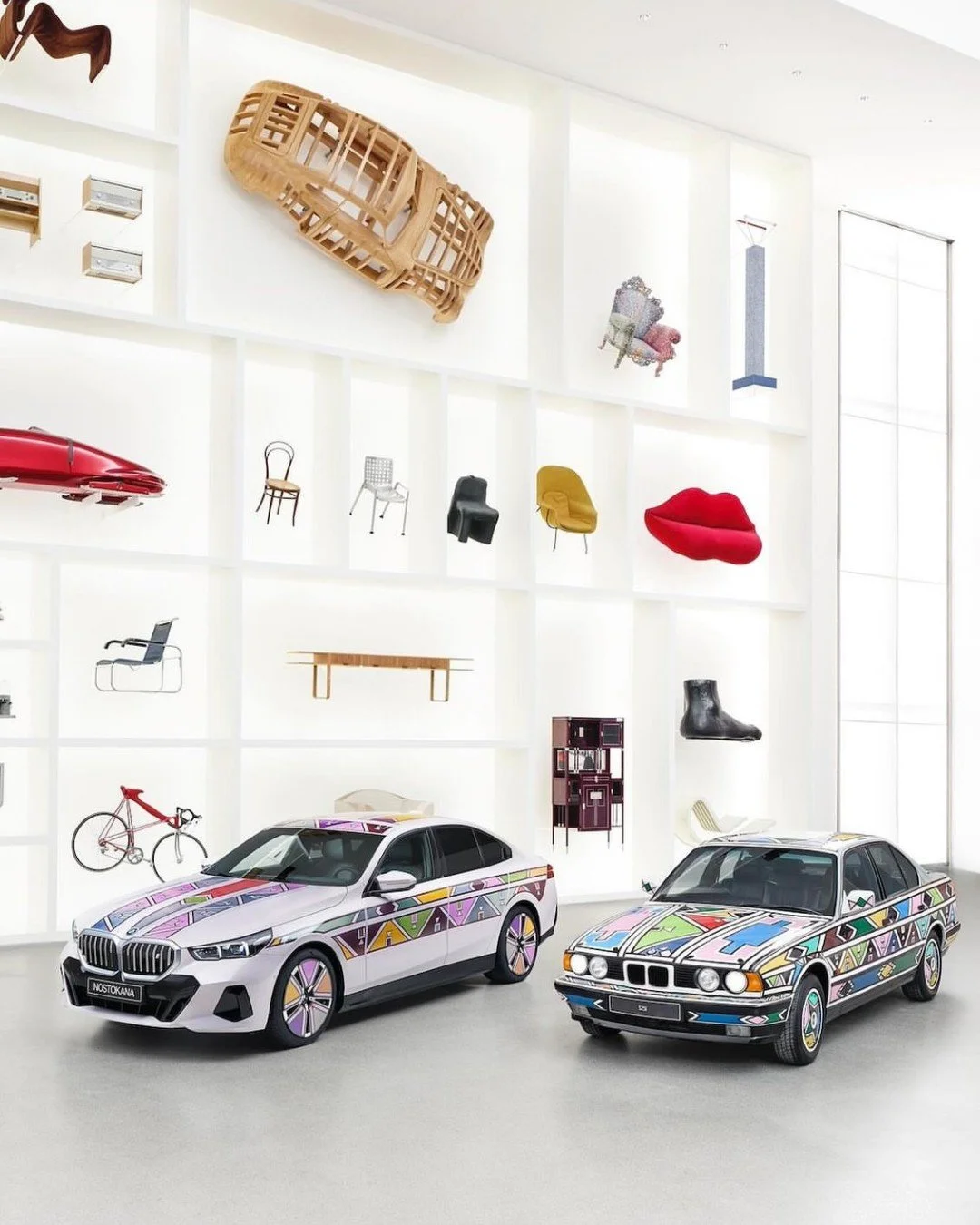
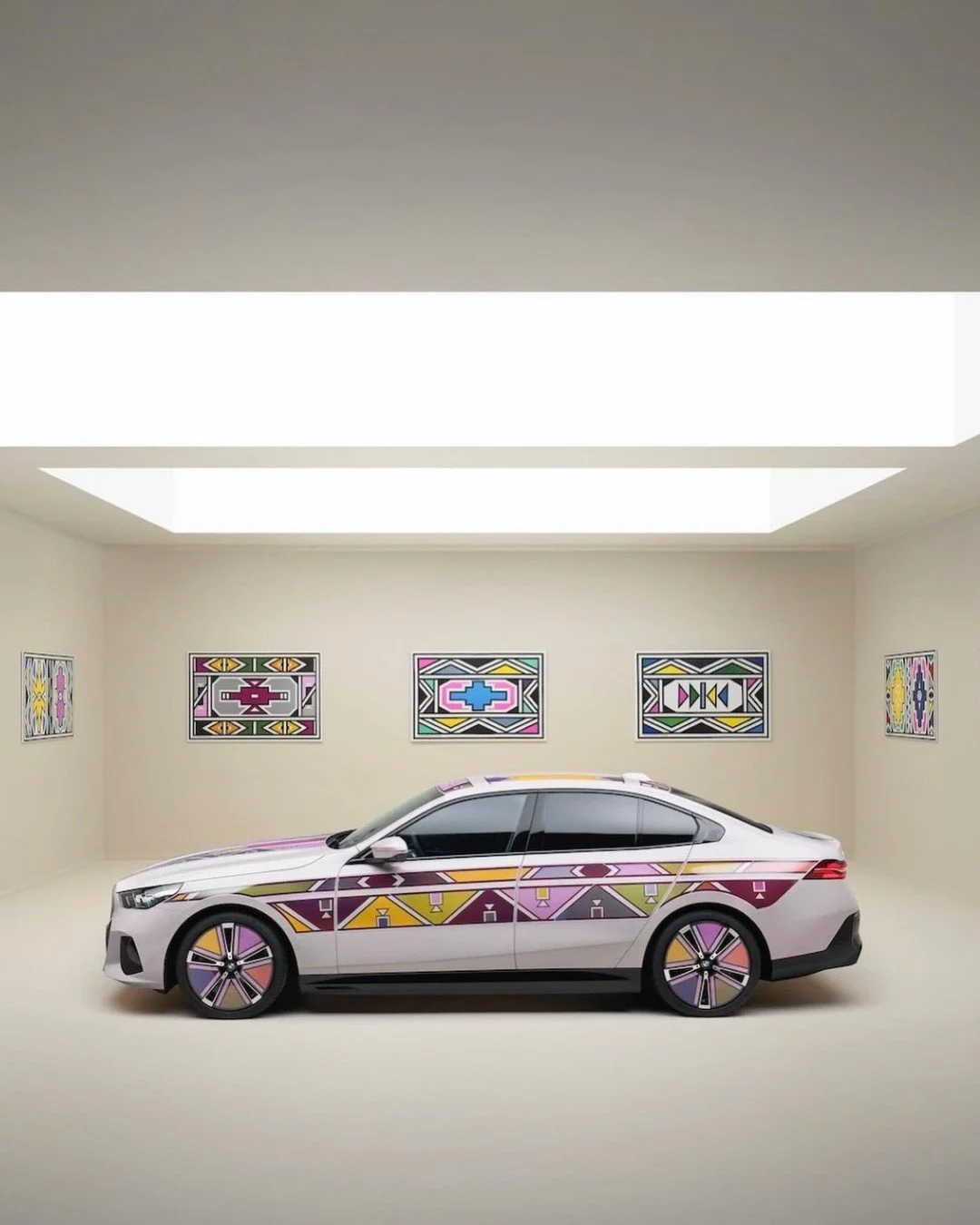
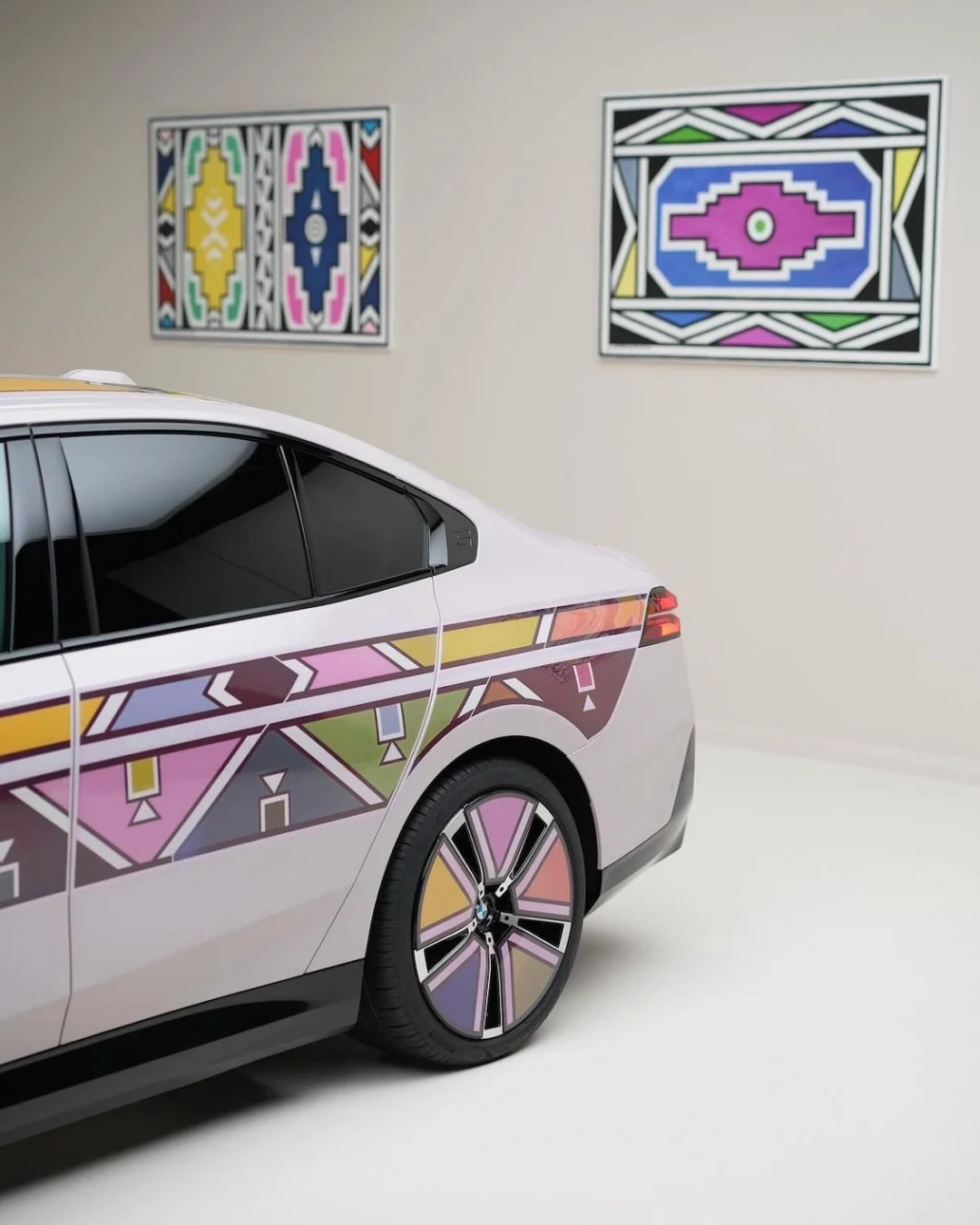
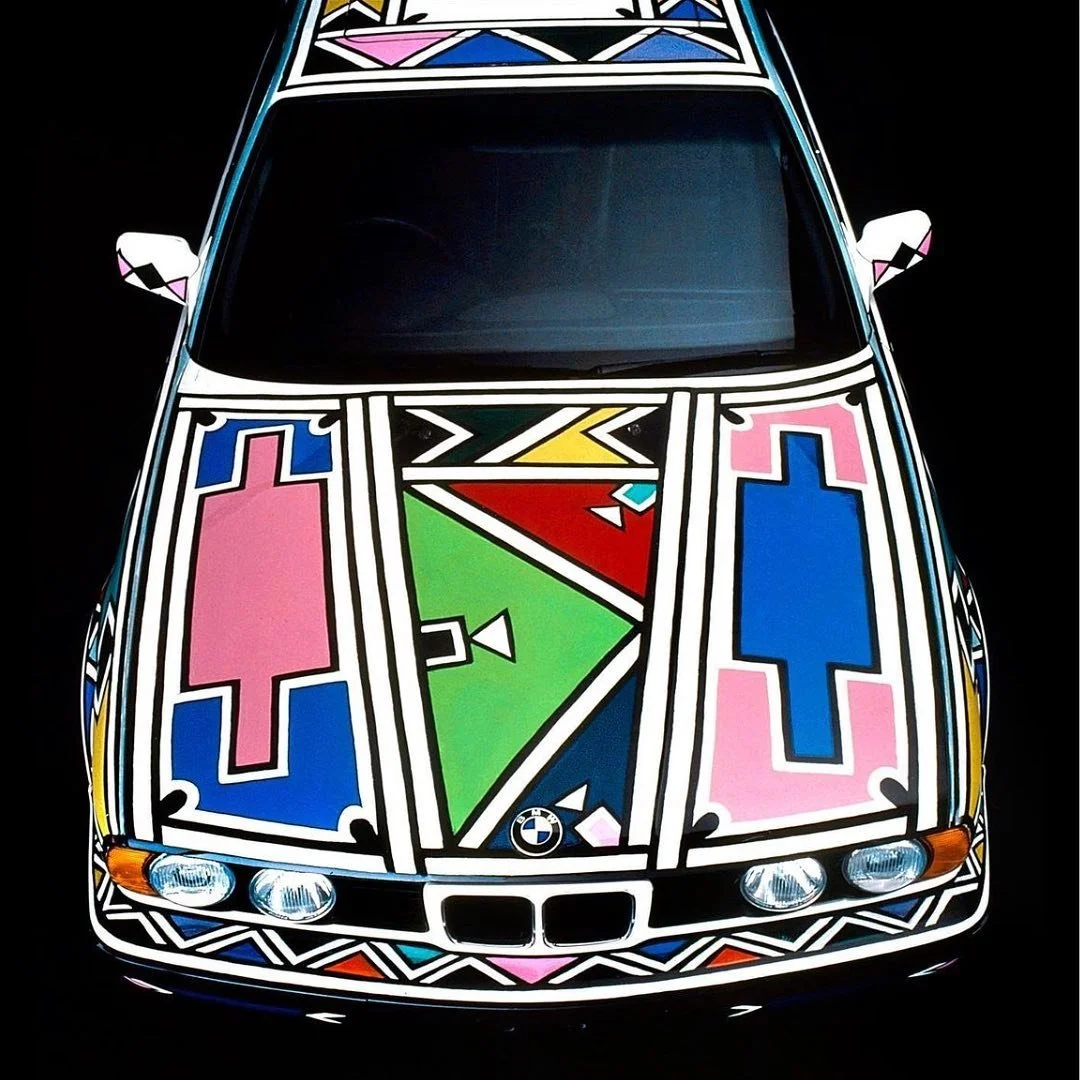
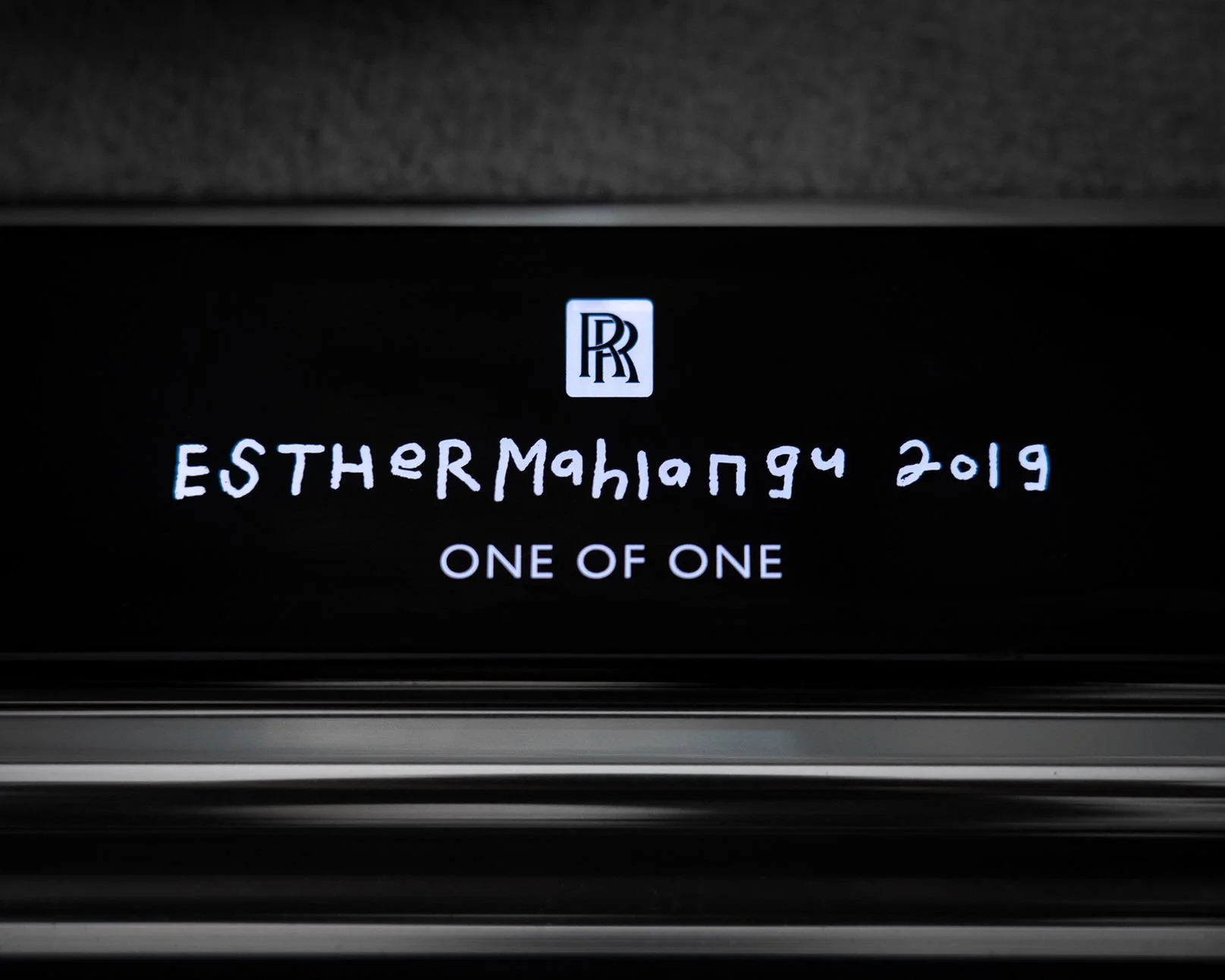
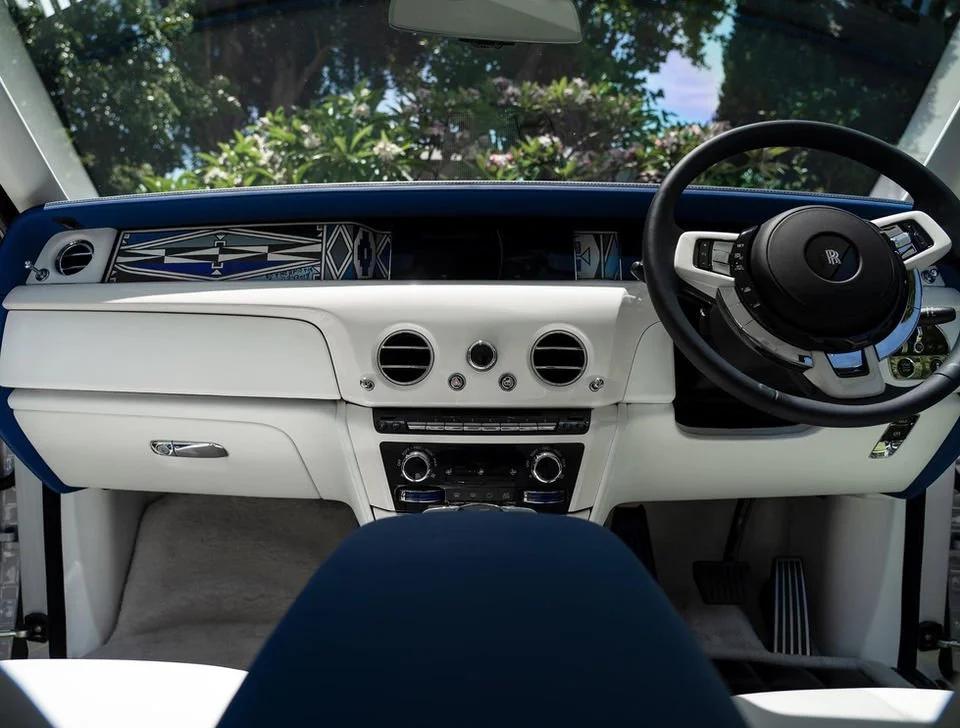


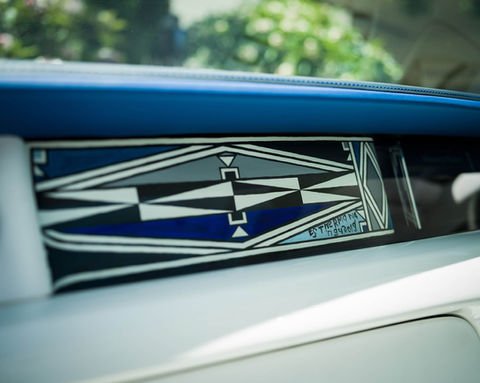


Dr Esther Mahlangu’s significance therefore extends far beyond her paintings. She created a model for how an indigenous visual language can achieve global visibility, institutional recognition, and commercial success. Her career demonstrates that heritage can move across continents and industries while remaining faithful to its origins.
Mary Sibande
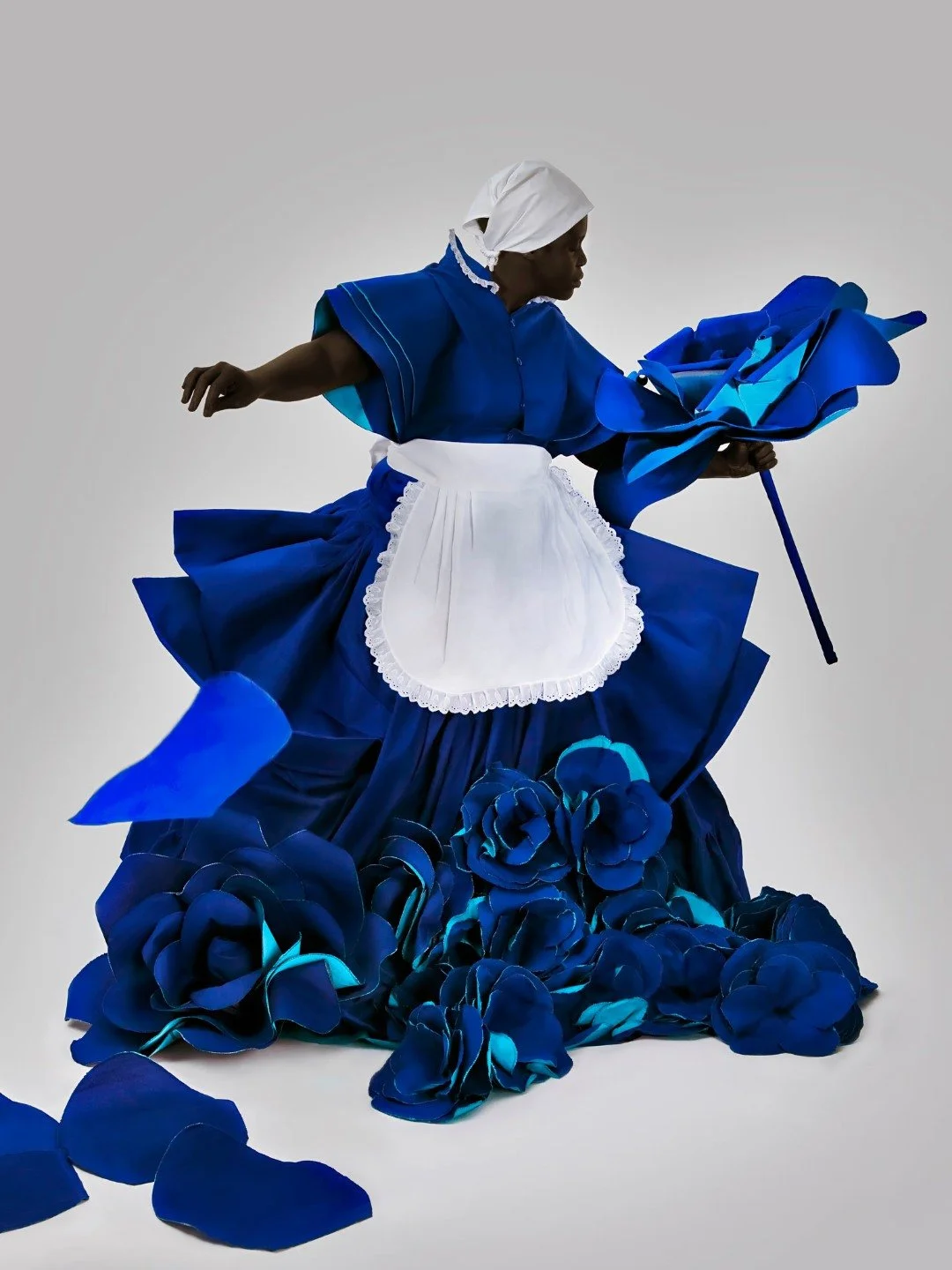
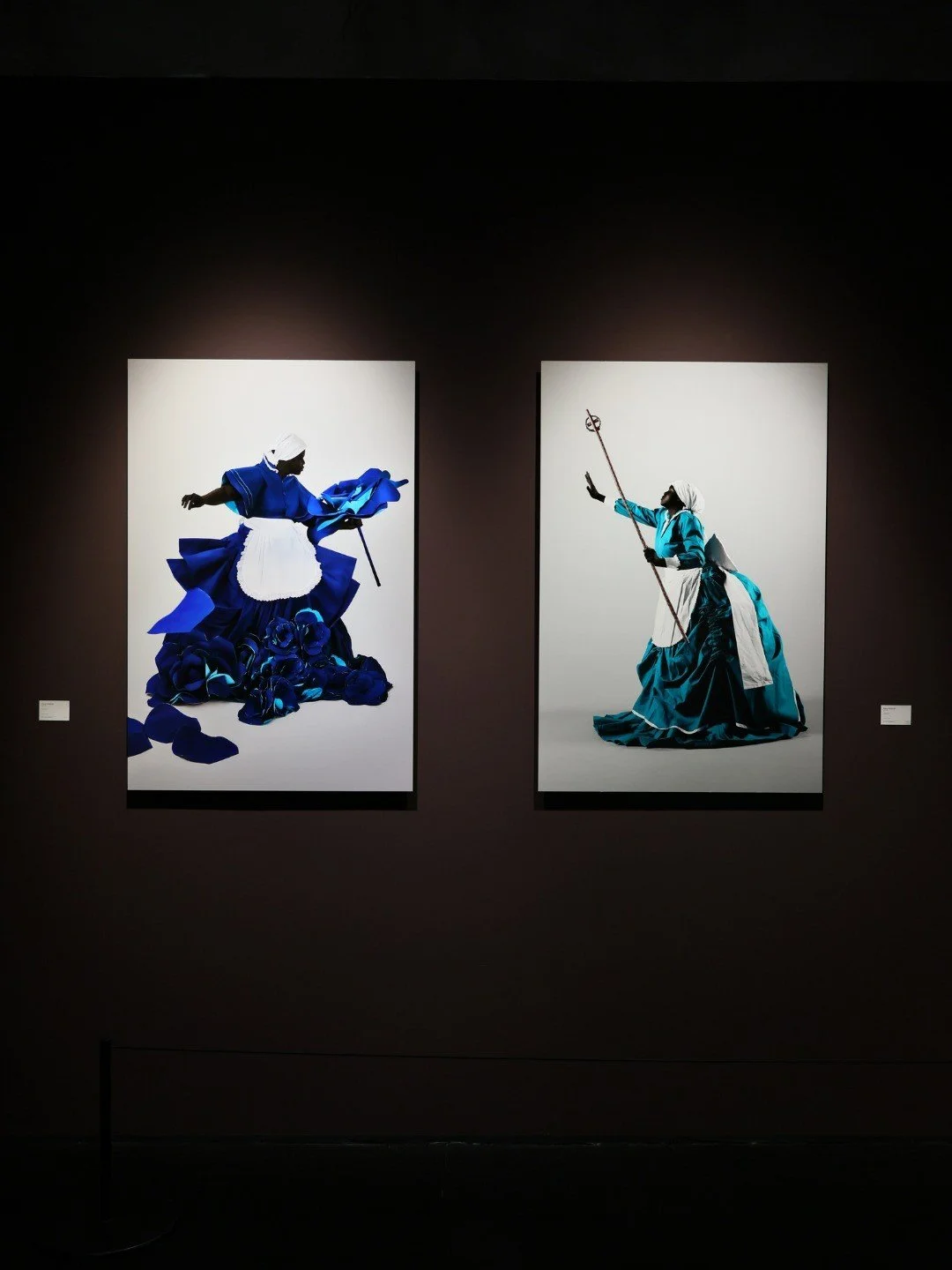
Mary Sibande transformed a personal family history into one of the most powerful visual narratives in contemporary African art. Drawing inspiration from four generations of women in her family who worked as domestic workers, Sibande created Sophie, a life-sized alter ego modelled on her own body. Over time, Sophie evolved from a single sculptural figure into a living archive through which Sibande explores aspiration, labour, and transformation.
What began as an intimate reflection on inherited histories has since grown into a monumental body of work recognised across museums, galleries, and institutions worldwide. Through elaborate sculptural installations and performance, Sibande uses Sophie to imagine lives beyond the expectations traditionally associated with domestic labour. The character moves through distinct chapters marked by colour and symbolism, tracing a journey from service and duty to ambition and transformation. This evolving narrative ensures that each new work contributes to a larger story rather than existing as an isolated artwork.
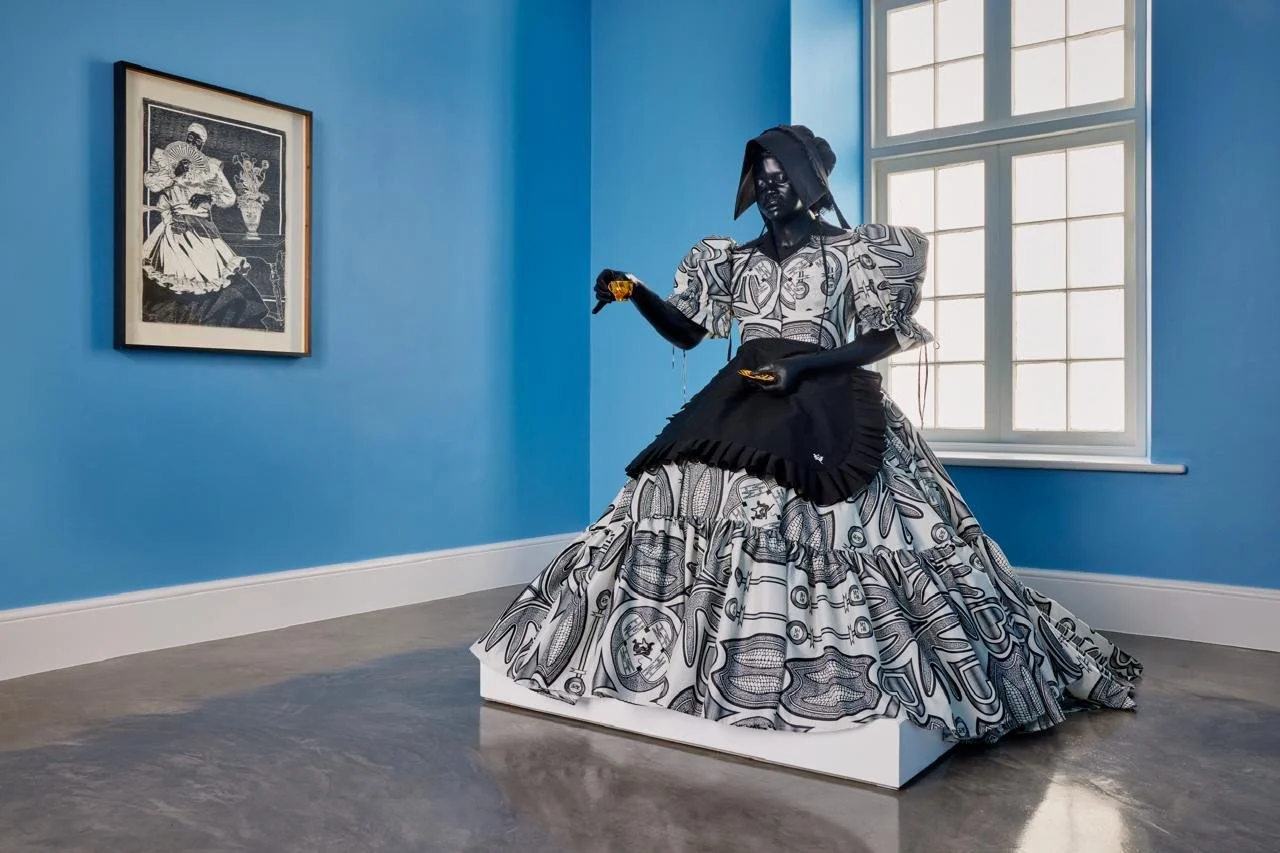
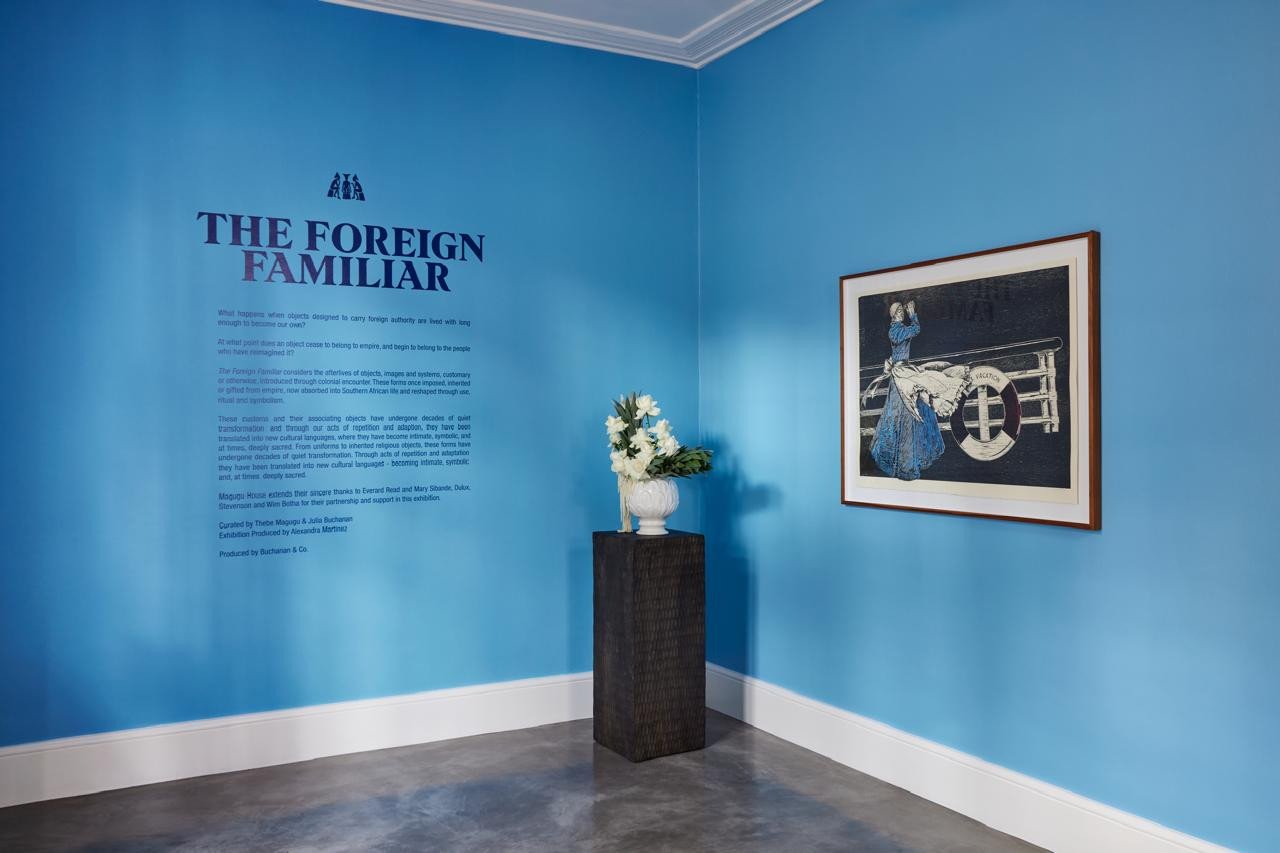
Mary Sibande treats commercial collaborations as extensions of Sophie’s world. Her projects with Palesa Mokubung of Mantsho transformed fashion into sculptural narrative through works such as Sophie’s Closet and Sophie at the Opera. Her collaboration with Thebe Magugu for the Belmond Mount Nelson Hotel merged Basotho textile traditions, Victorian dress, and sculpture to explore questions of lineage. These partnerships expanded the spaces through which her practice could be experienced.
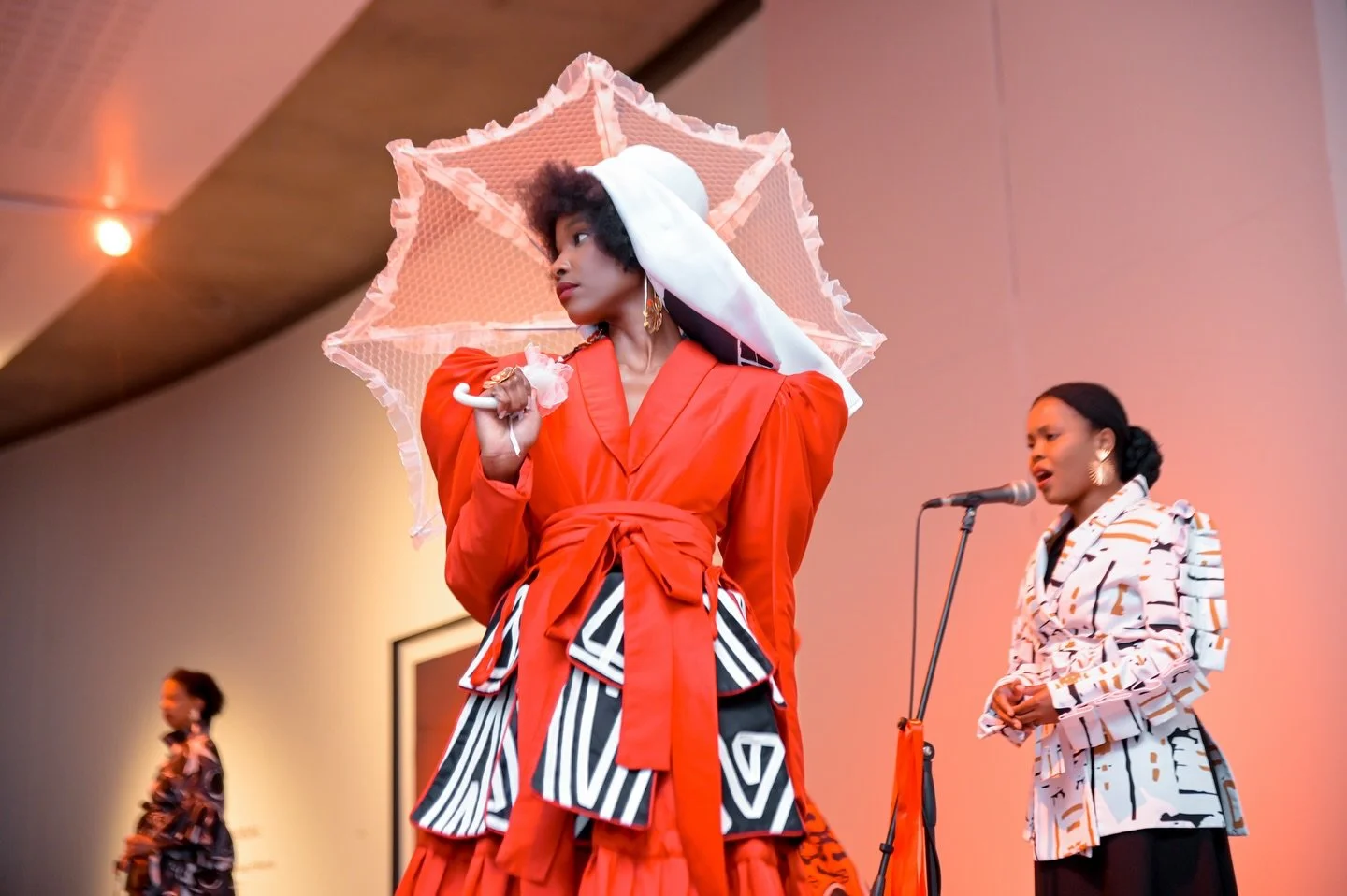
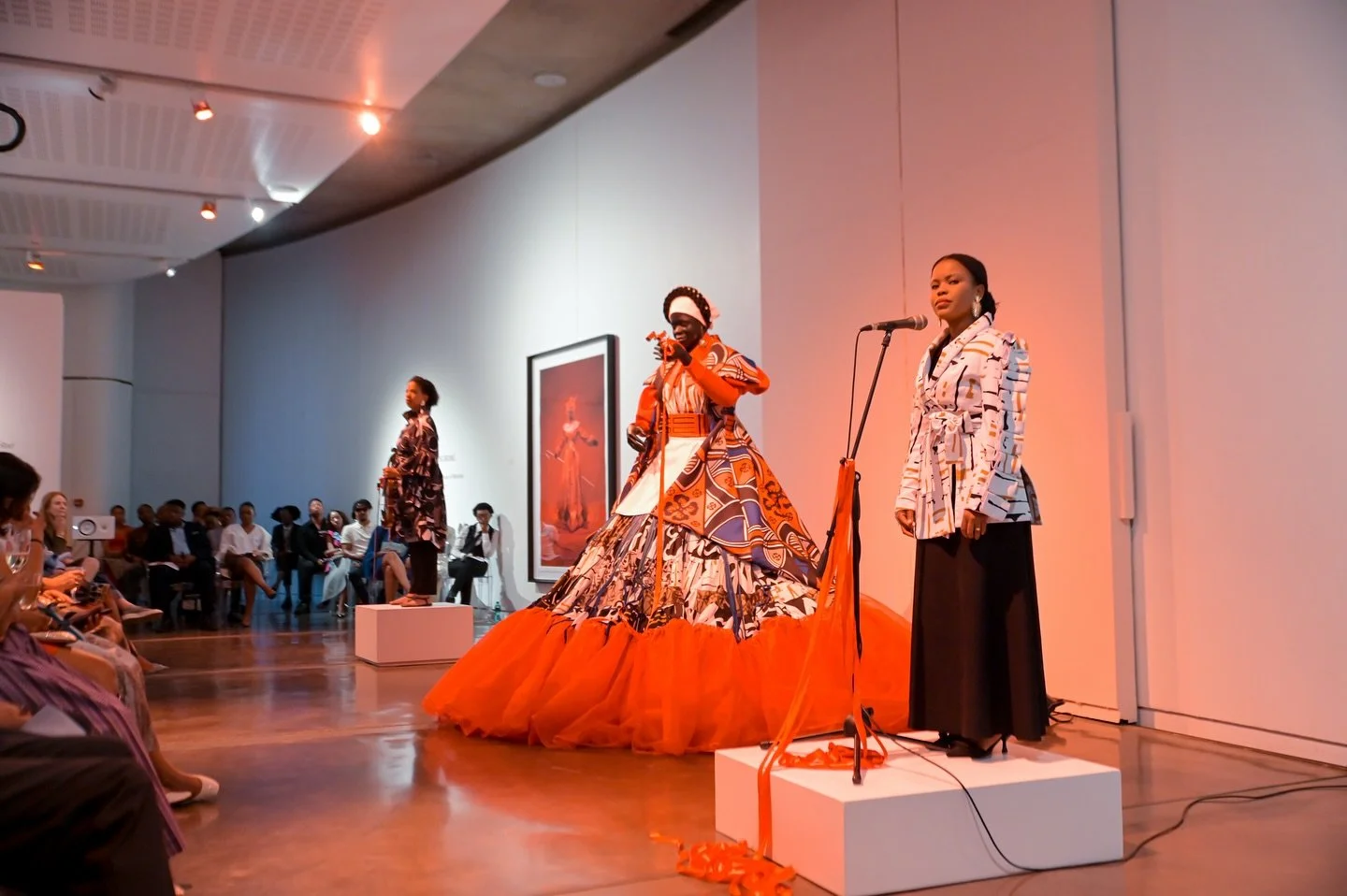
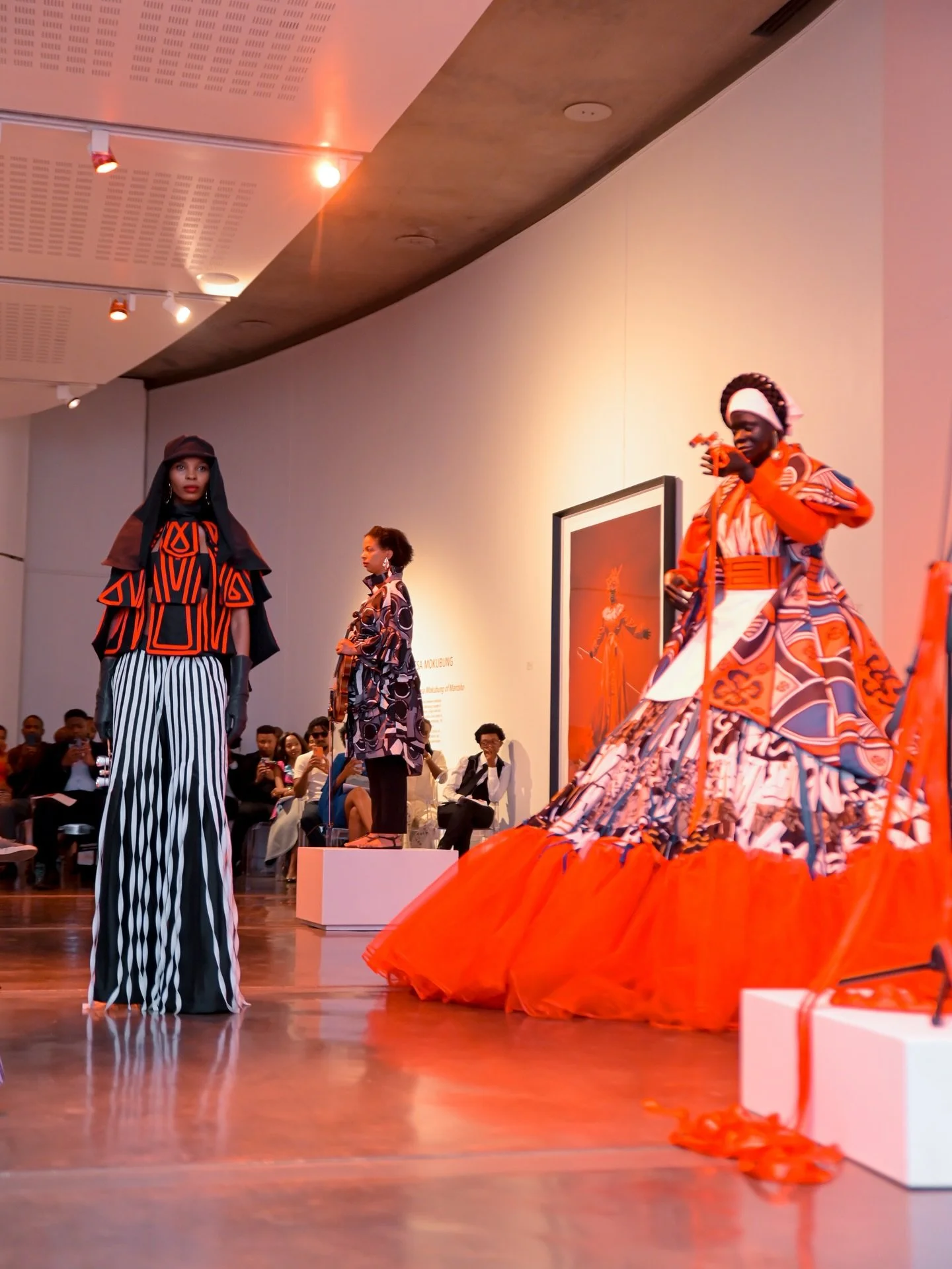
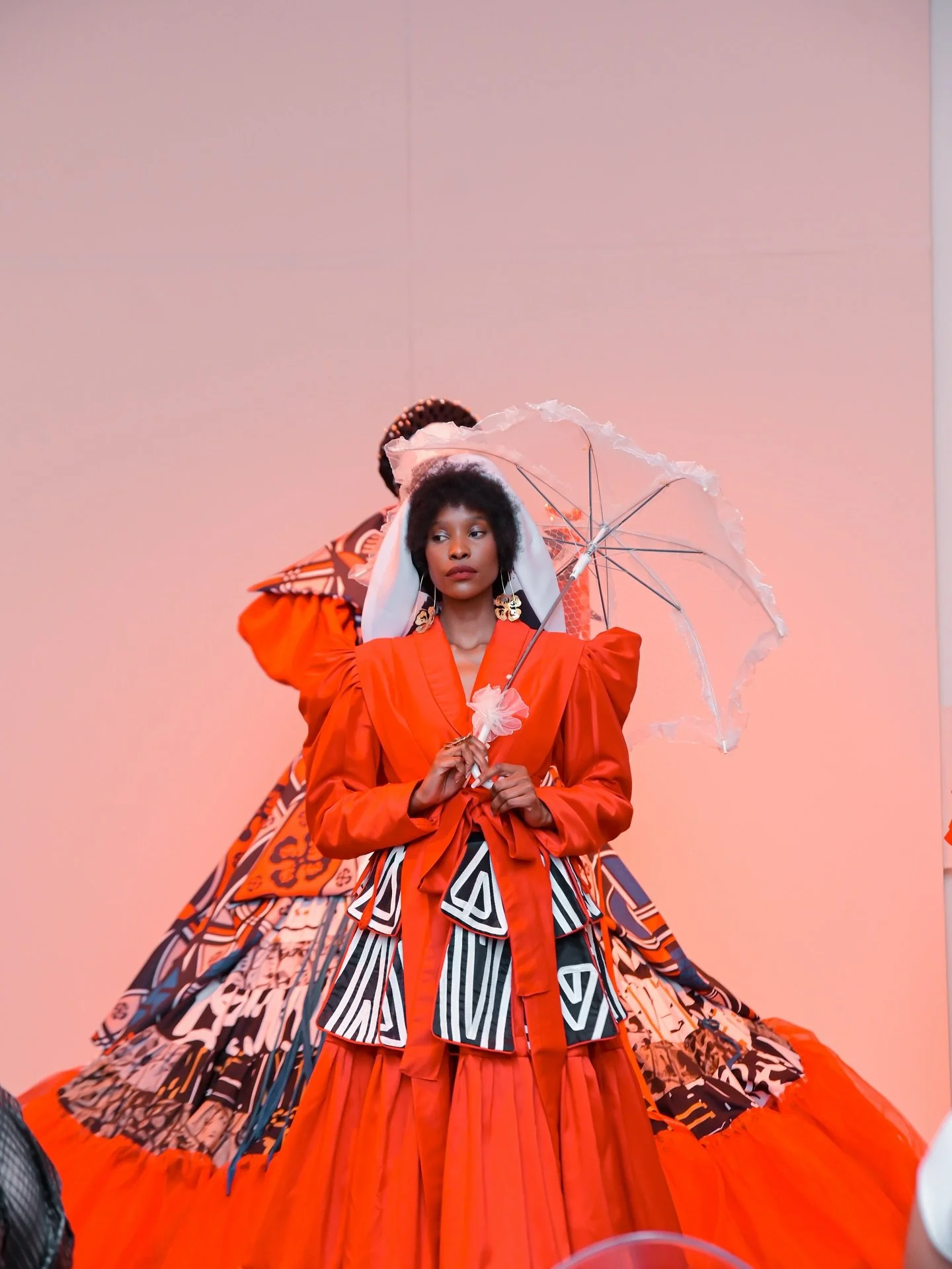
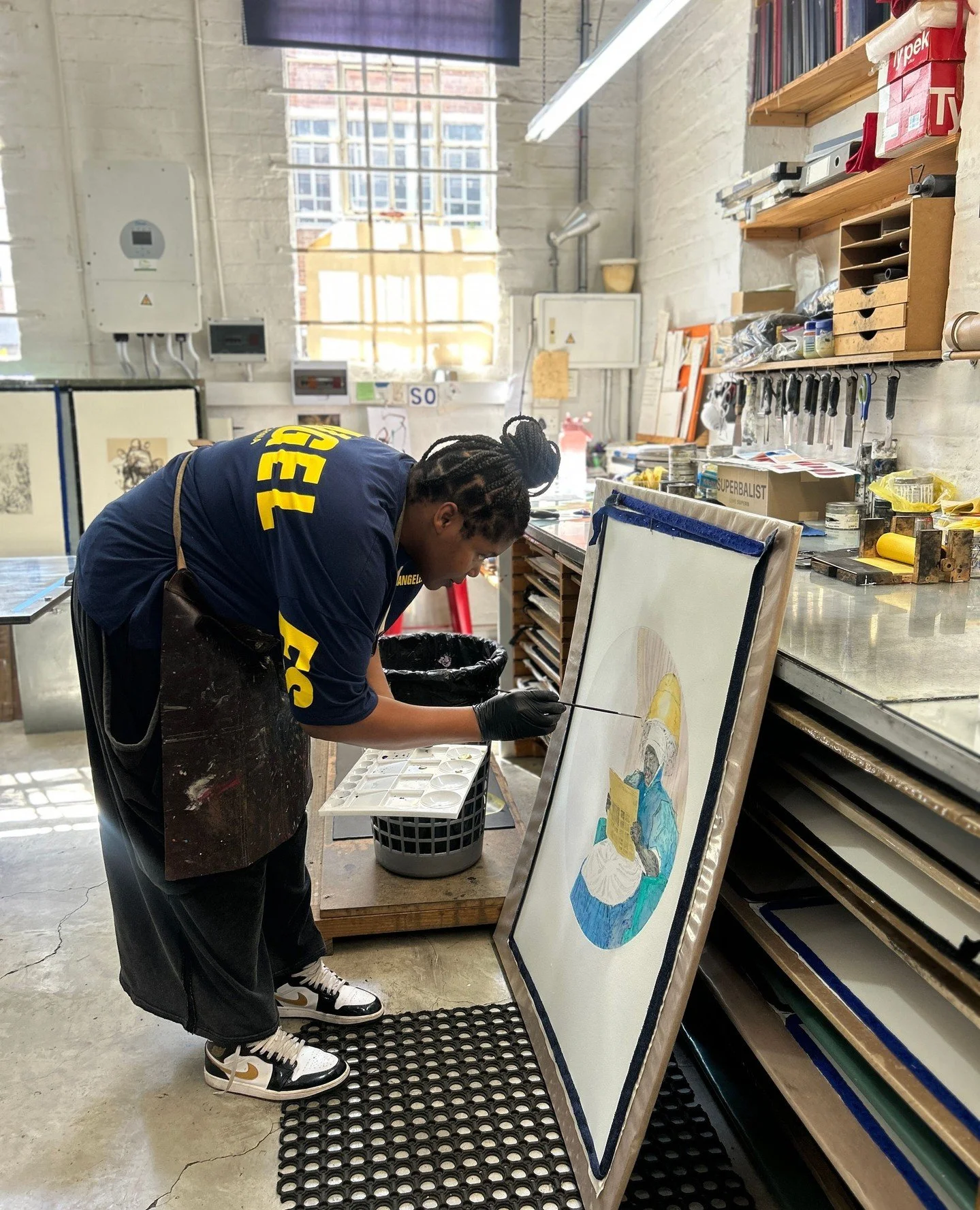
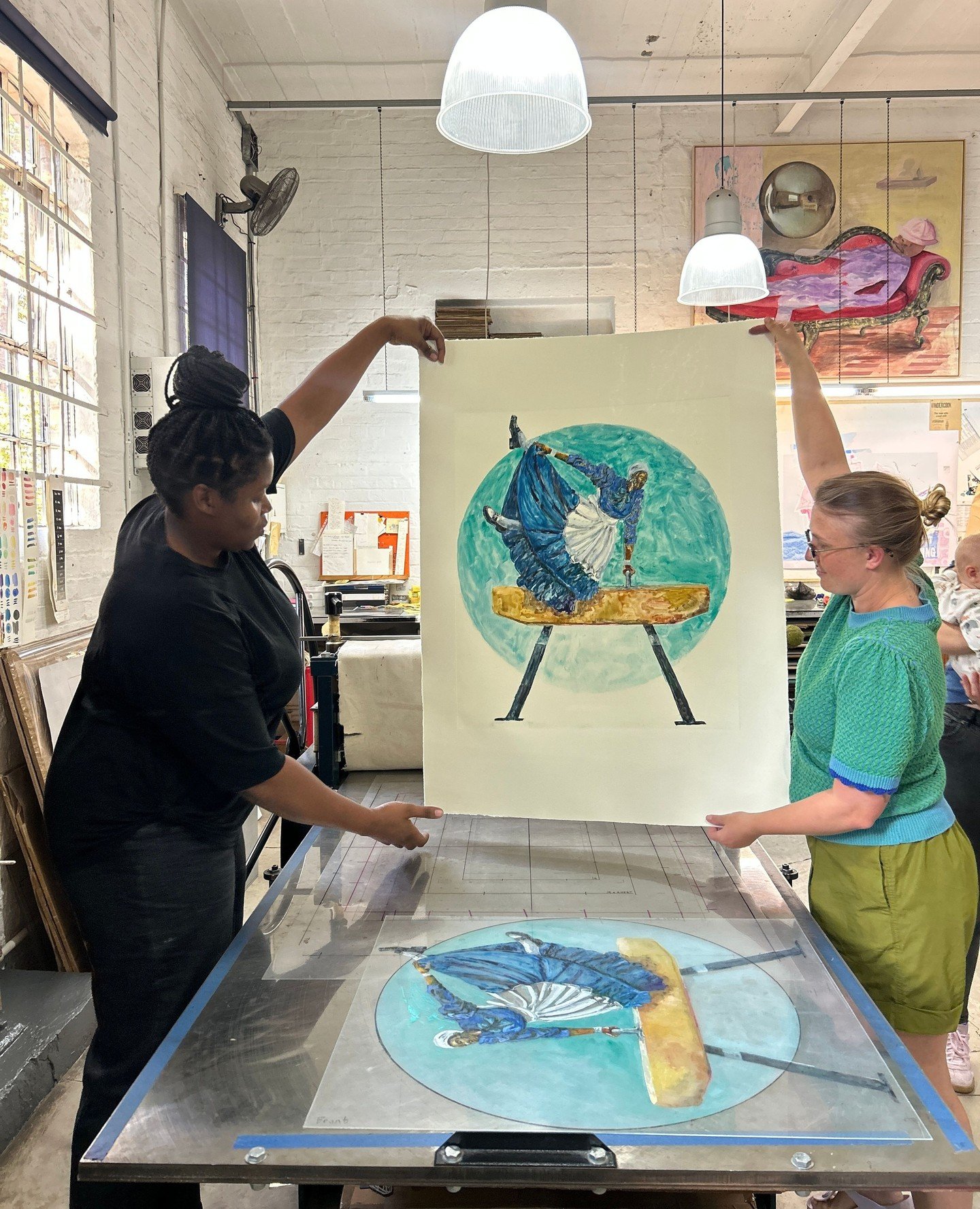
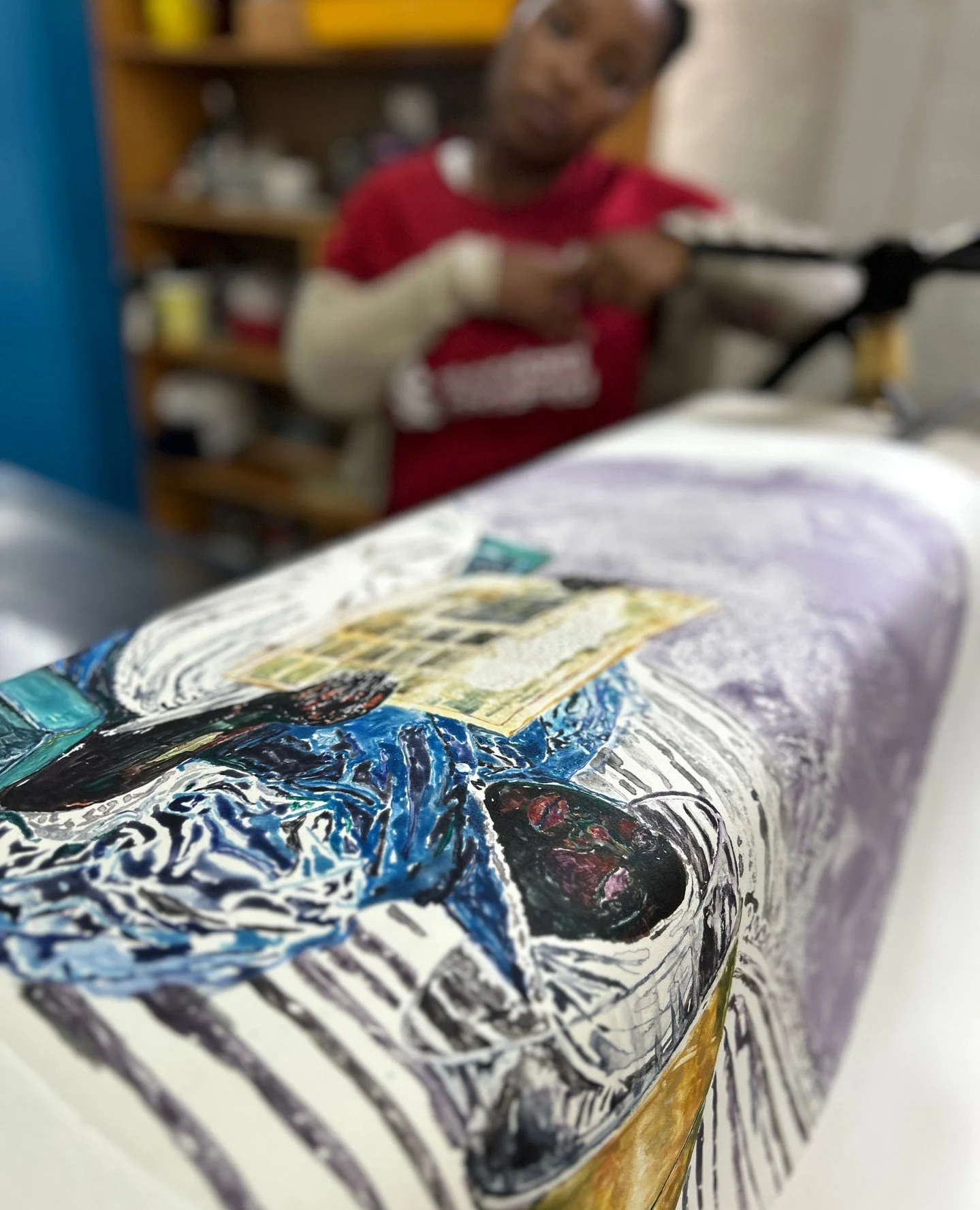
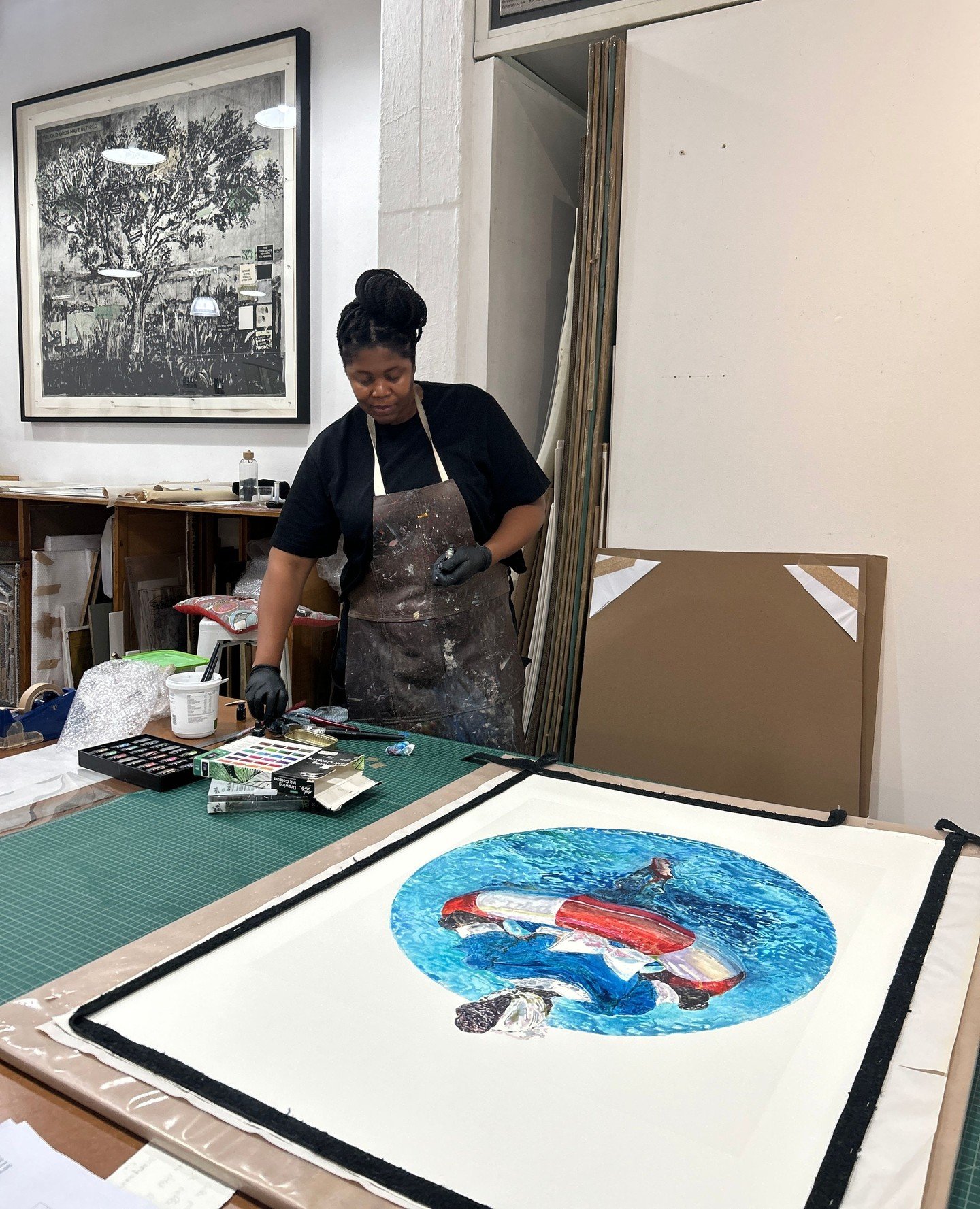
Institutional recognition has further secured the longevity of her practice. Mary Sibande represented South Africa at the 54th Venice Biennale, and her work now resides in major collections including the Smithsonian National Museum of African Art and Zeitz MOCAA. Yet her commitment extends beyond the museum. Through initiatives such as Occupying the Gallery and her collaborations with the David Krut Workshop, she has expanded access to her work while supporting emerging artists and creating new pathways into the cultural sector. Mary Sibande’s significance lies in her ability to transform personal experience into collective history. Through Sophie, she has built a language that moves between sculpture, fashion and education, demonstrating how a single narrative can grow into an enduring legacy.
Nelson Makamo

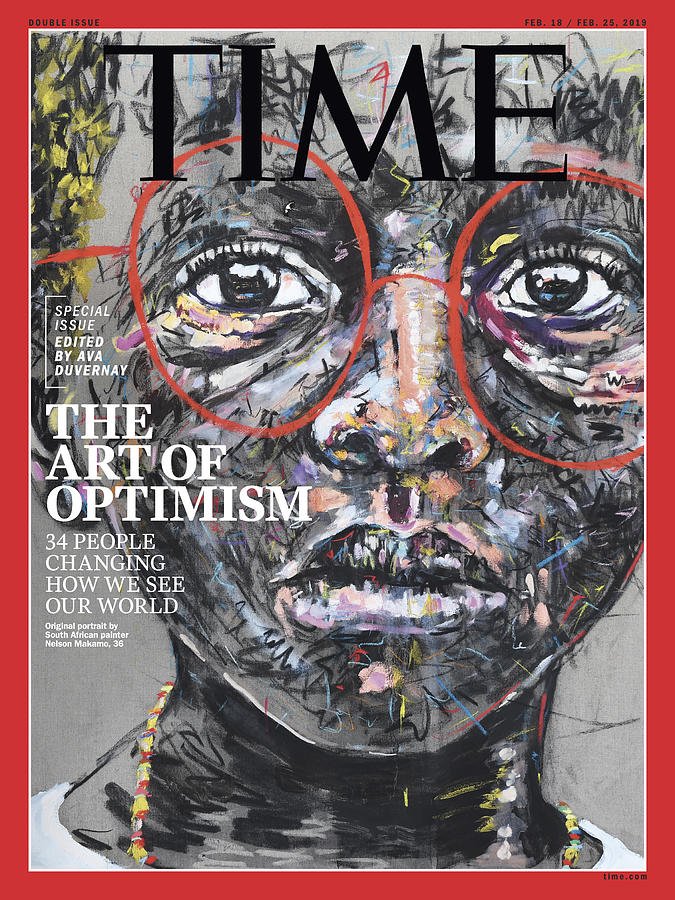
Nelson Makamo built an international following by changing the way African childhood is seen. At a time when images of African children were often framed through narratives of hardship and scarcity, Makamo began creating monumental portraits that celebrated curiosity, optimism, and imagination. Through oversized faces, expressive brushwork, and his now-signature spectacles, he transformed everyday children into powerful symbols of possibility.
Nelson Makamo built an ecosystem centred around his own studio and community infrastructure. From his base at August House in Johannesburg, he developed a studio-direct model that allowed collectors, curators, and cultural figures to engage with the work directly. He later expanded this approach through Botho Project Space, creating a platform that supports emerging artists while contributing to broader conversations about contemporary African art.
Nelson Makamo’s visibility extends far beyond traditional exhibition spaces. His work forms part of South Africa’s Constitutional Court Art Collection, embedding his visual language within one of the country’s most significant democratic institutions. His global profile expanded dramatically when his painting Visions of a Limitless Future appeared on the cover of TIME Magazine’s The Optimists issue, introducing his central message of hope and possibility to audiences around the world.


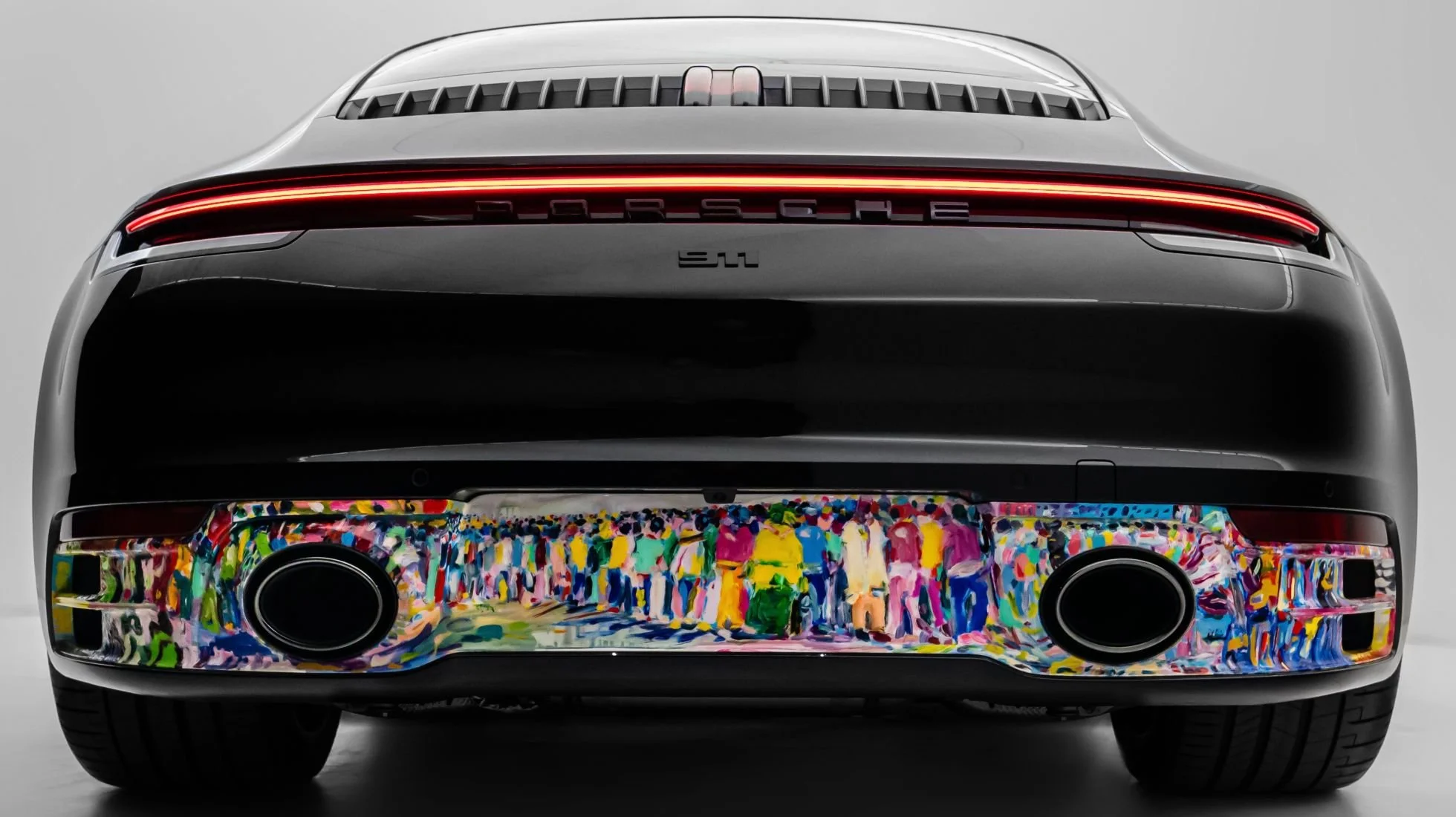
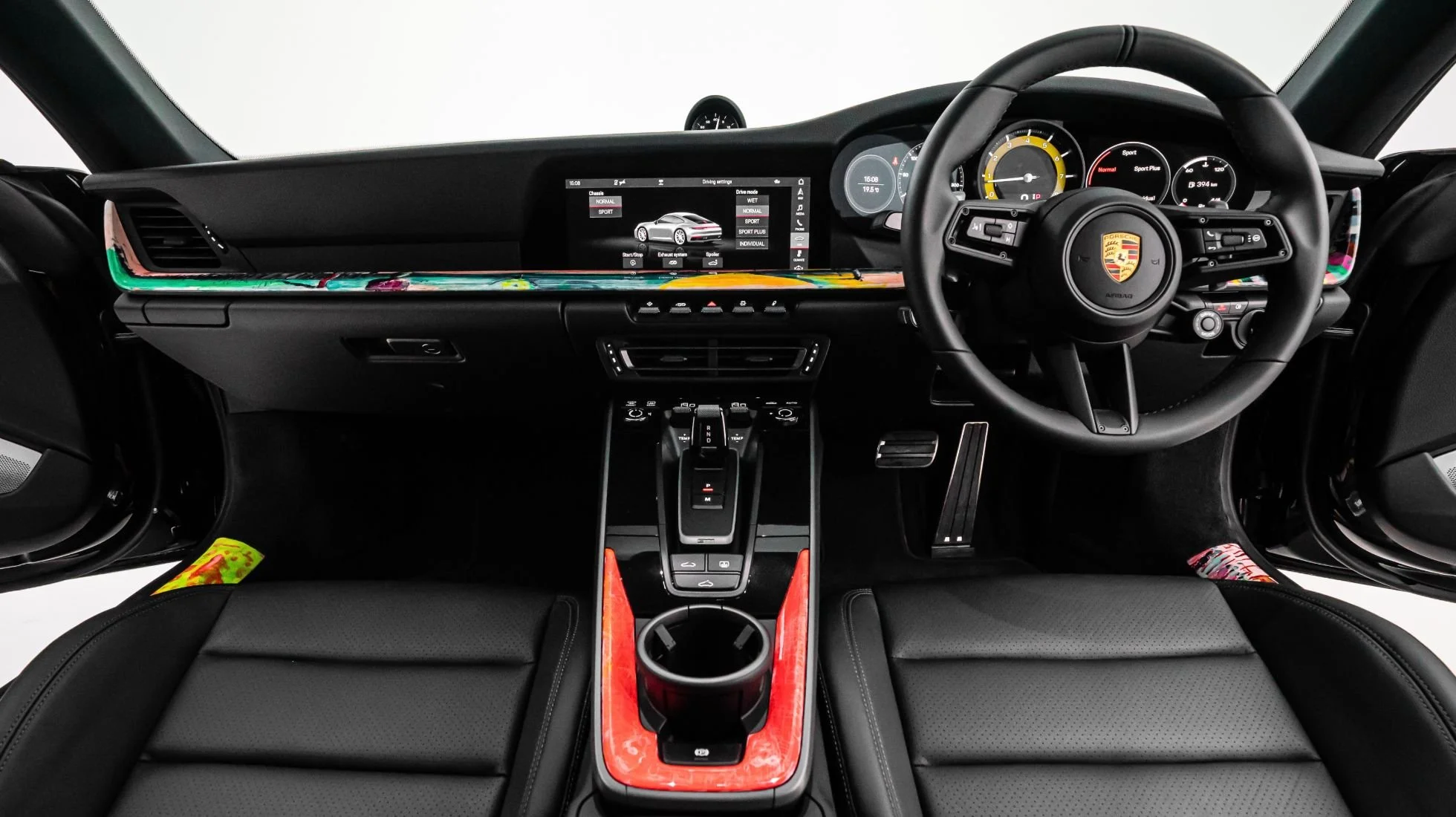
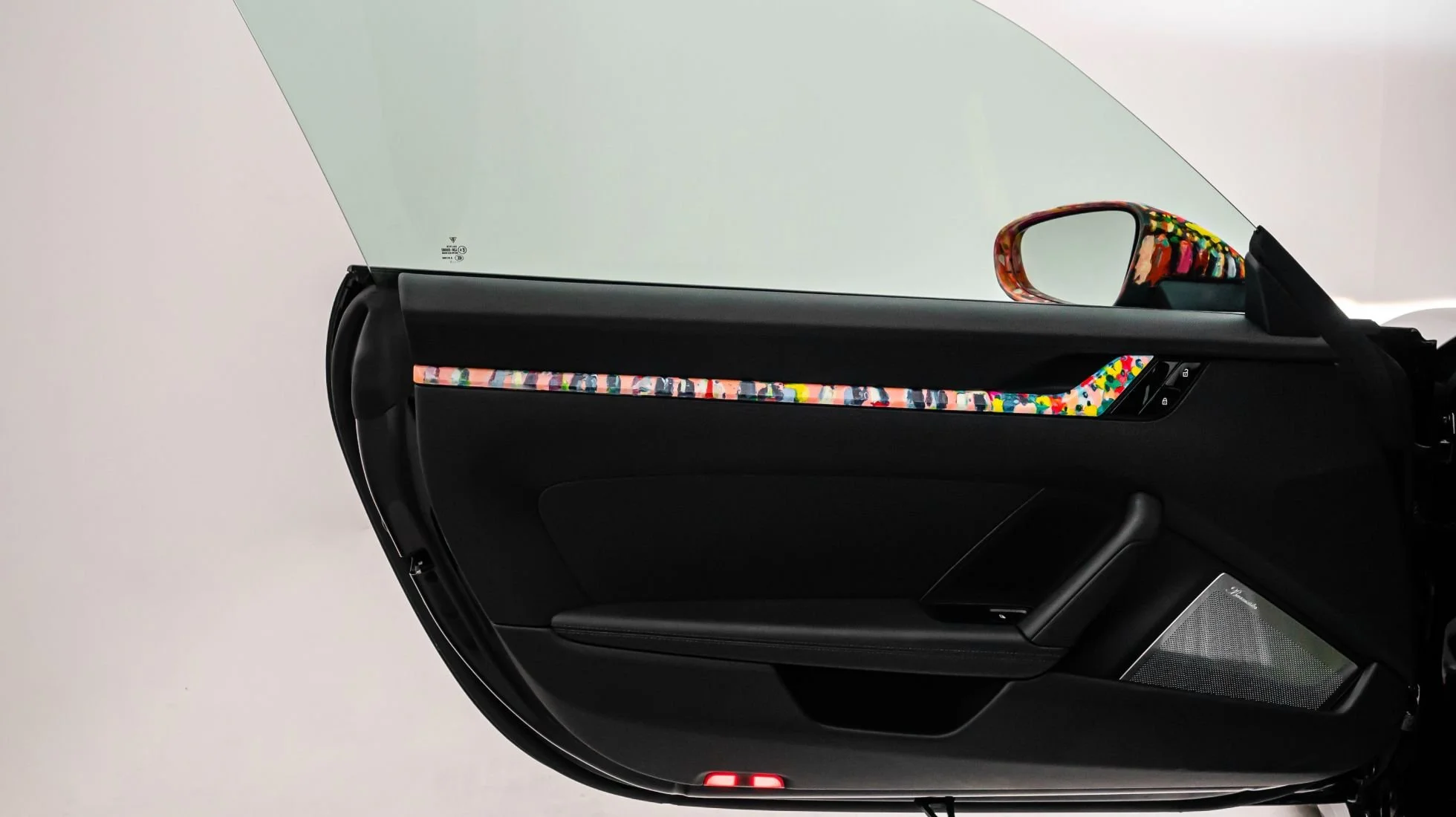
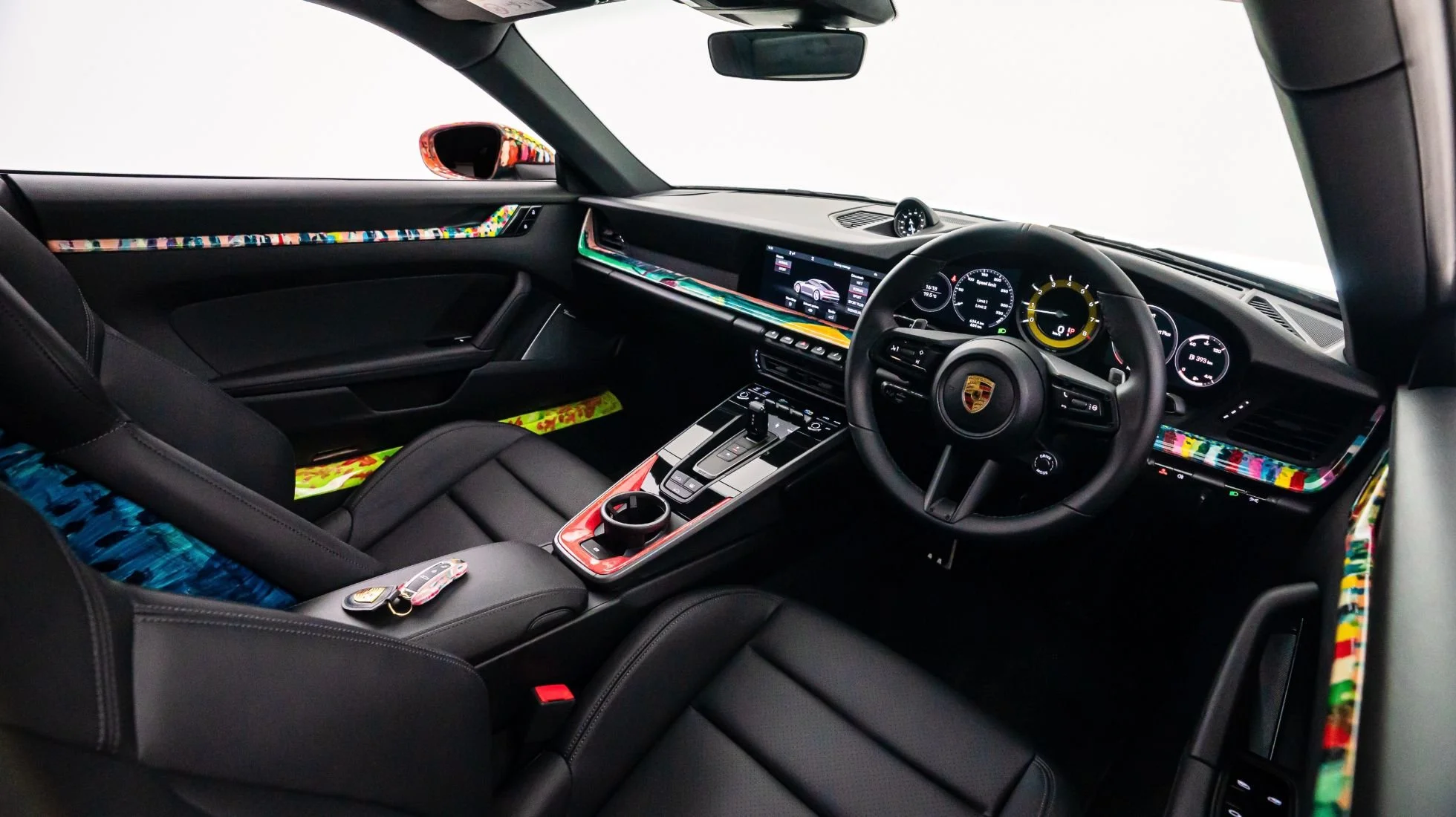
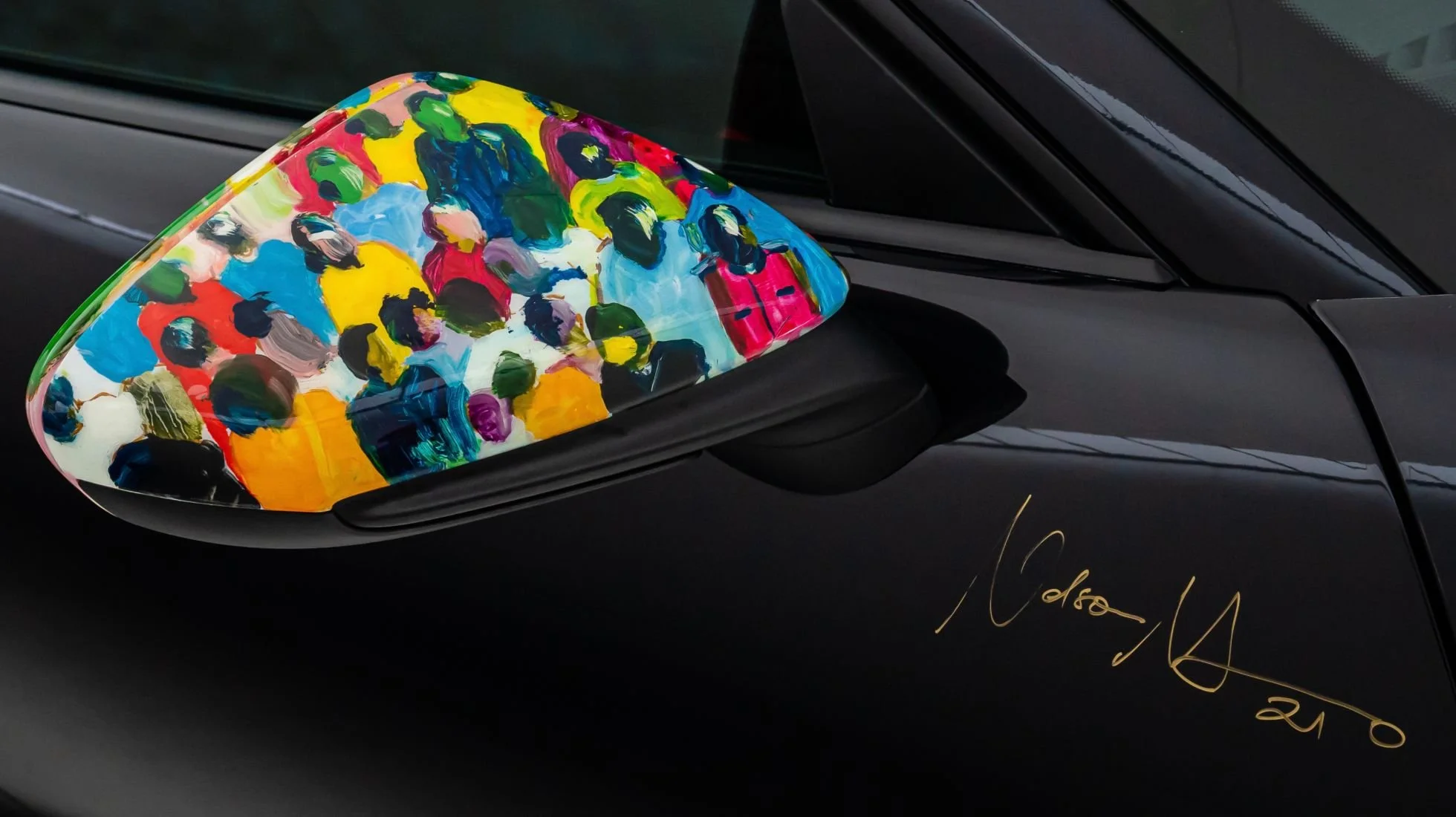
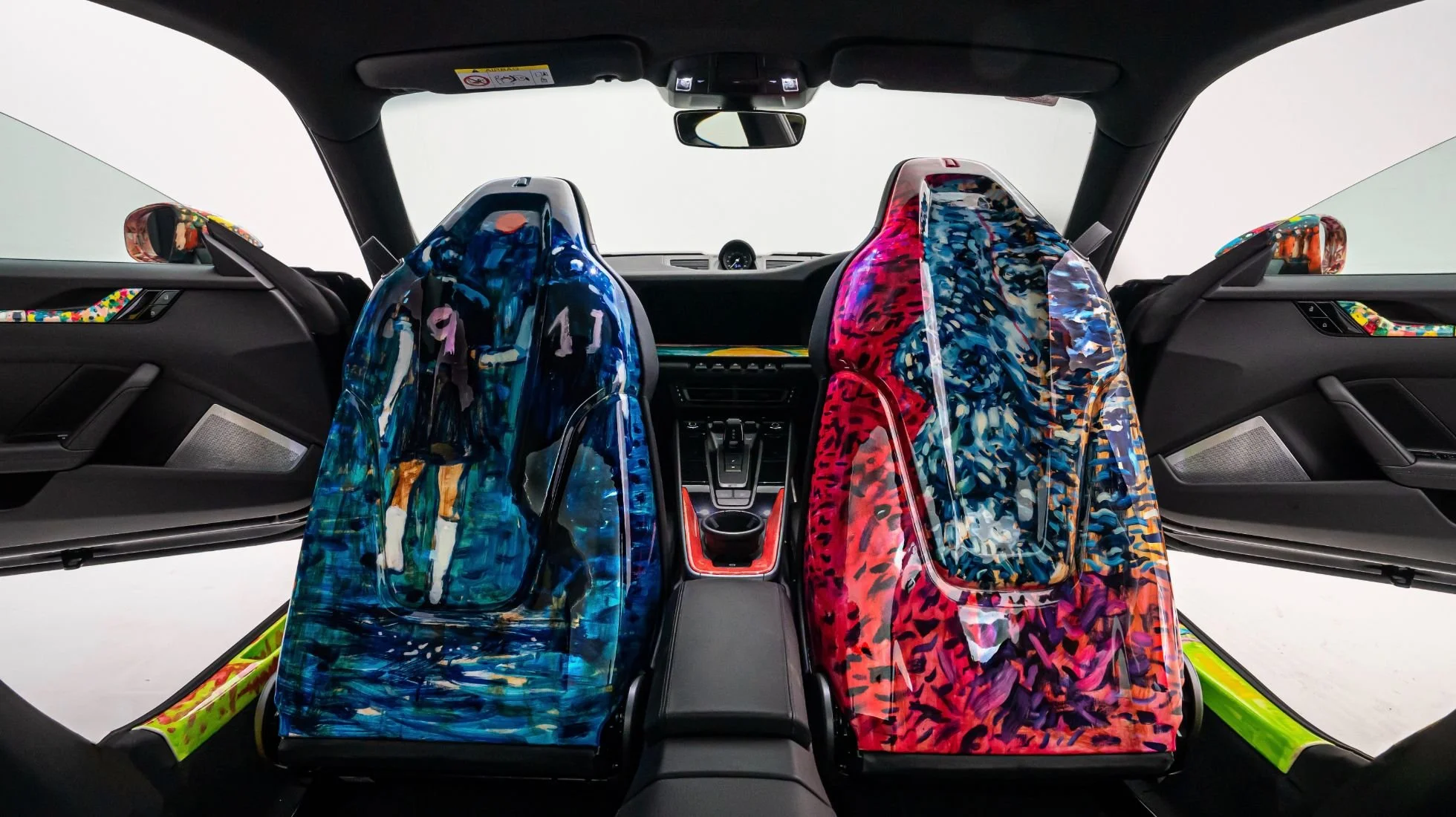
Commercial collaborations function as natural extensions of this narrative rather than departures from it. His landmark project My Life in Motion with Porsche South Africa transformed a Porsche 911 Carrera into a moving canvas. Working from his Johannesburg studio, Nelson Makamo hand-painted individual components of the vehicle and inscribed the Sepedi word Mma (Mother) onto the car, turning a global luxury object into a personal tribute to family and community.
Nelson Makamo’s significance lies in his ability to move fluidly between global media, private collections, and commercial partnerships while remaining anchored to a singular idea: that African children deserve to be seen as embodiments of possibility. Through that unwavering vision, he has built a body of work that continues to resonate far beyond the walls of the studio.
WonderBuhle
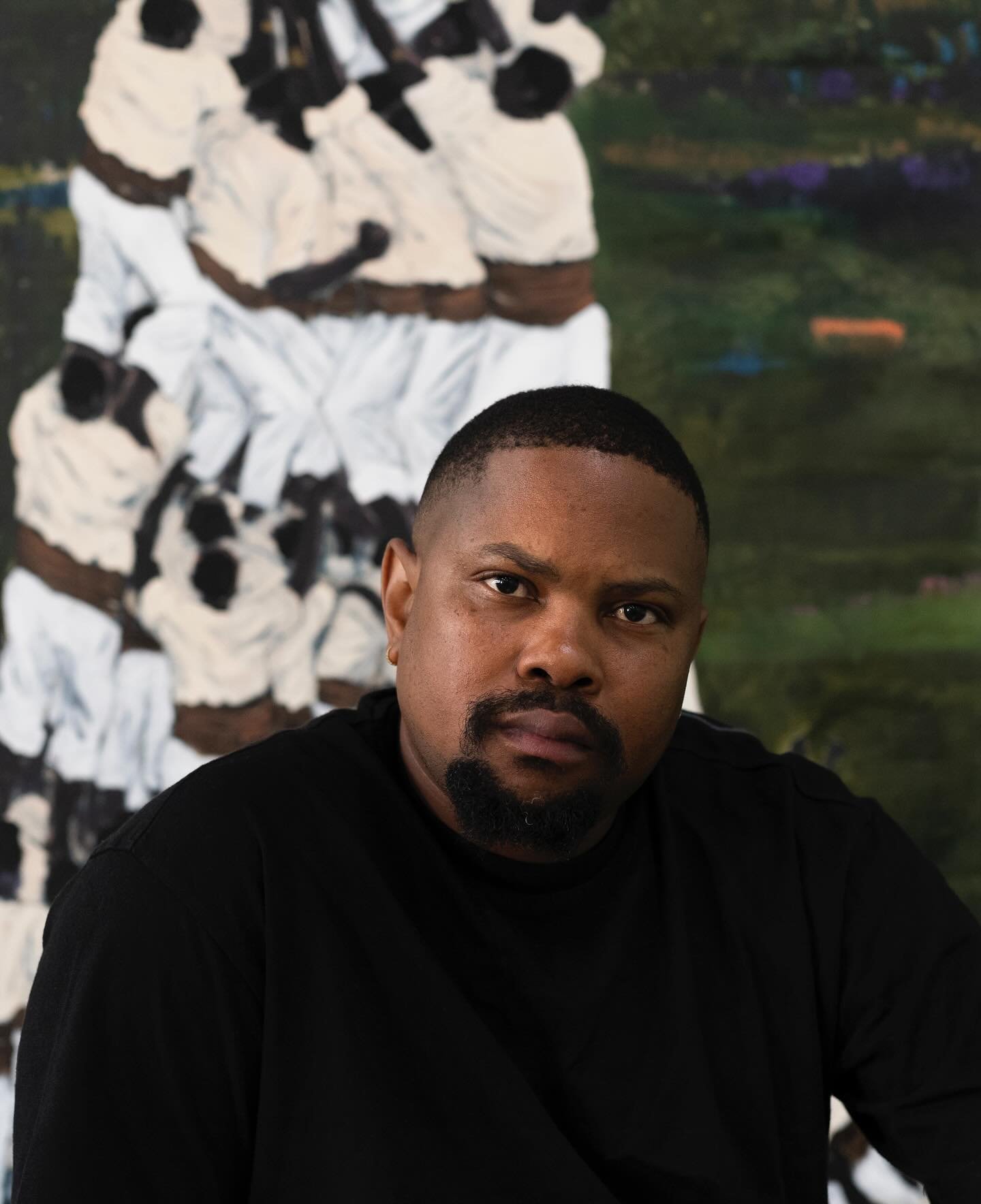
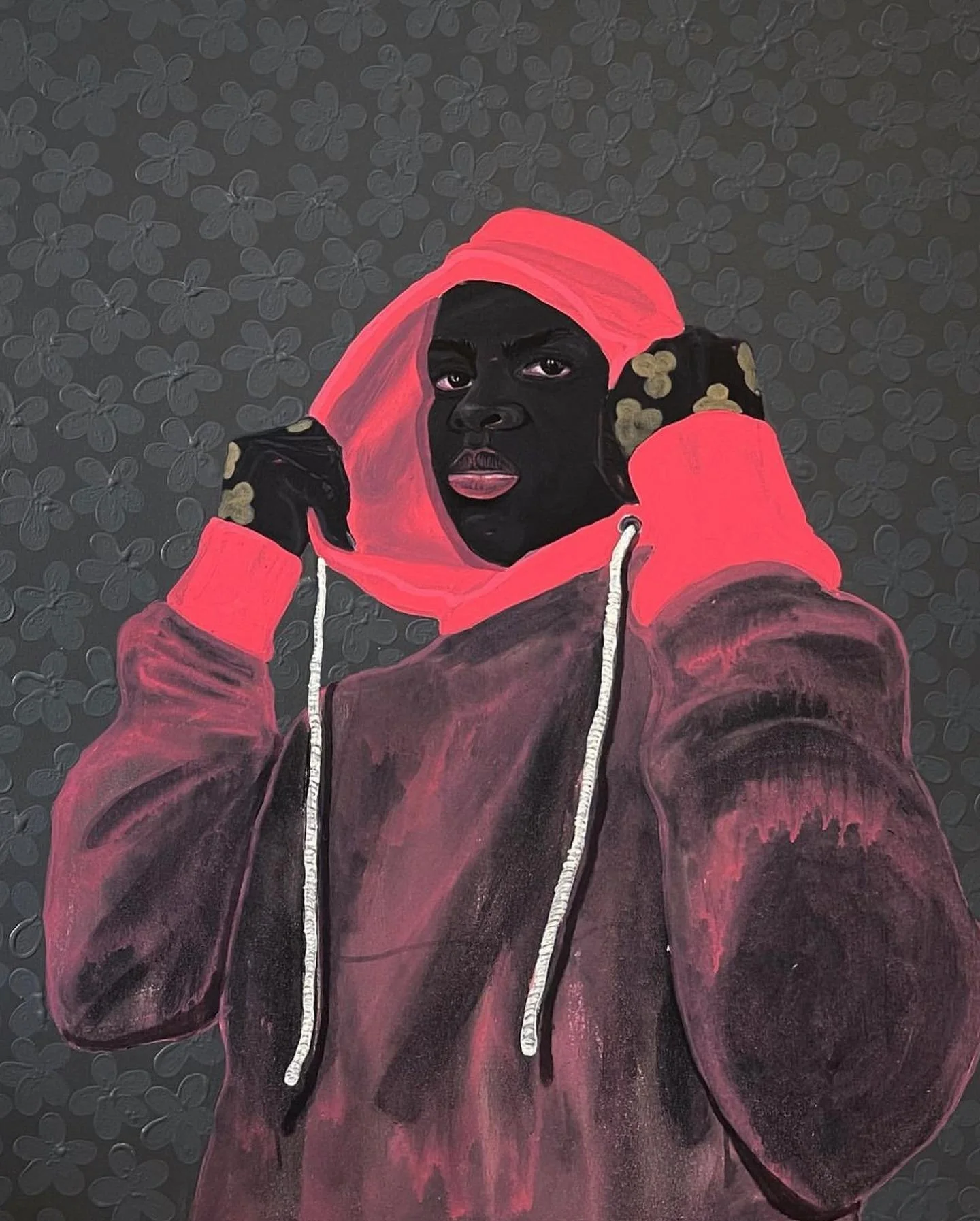
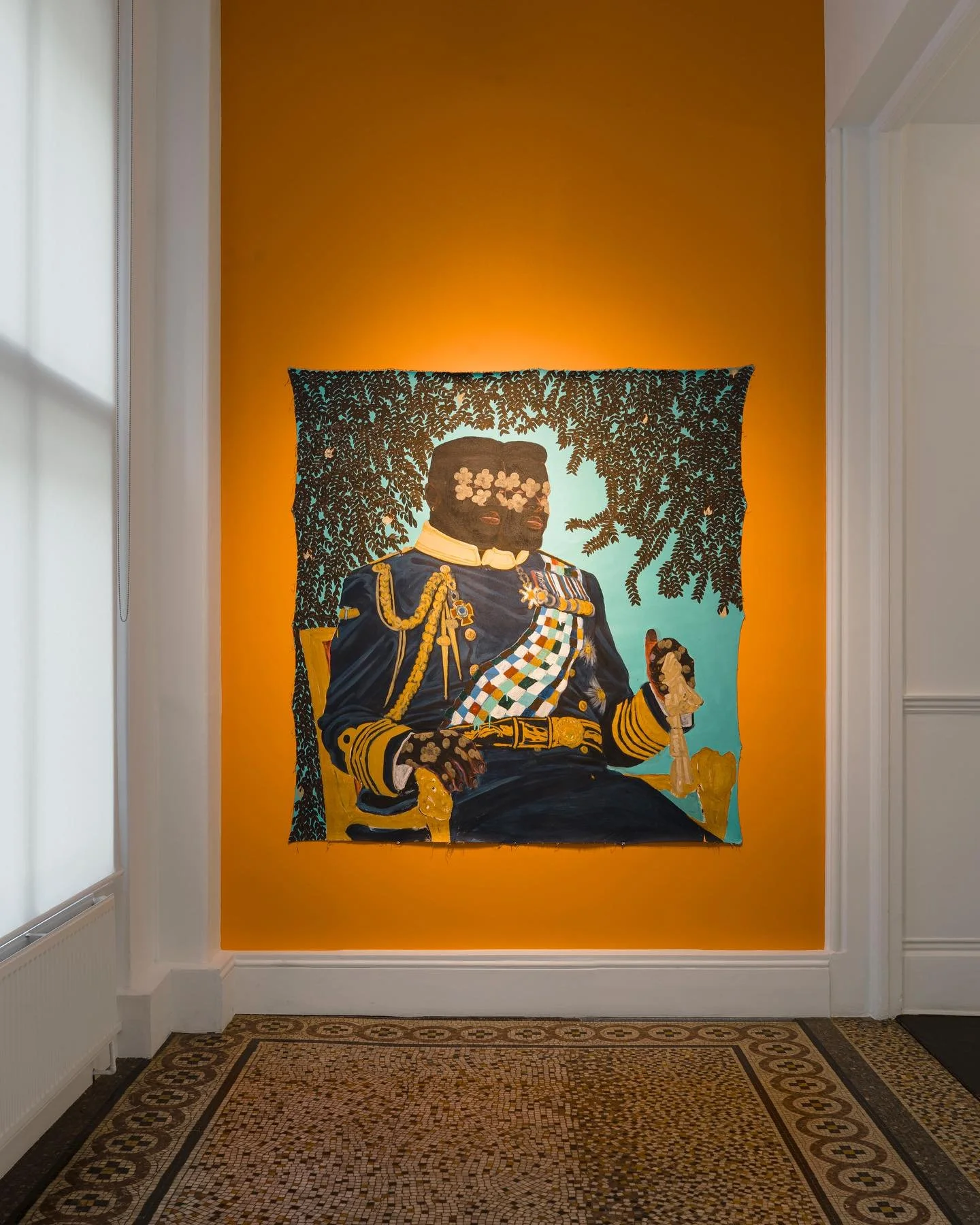
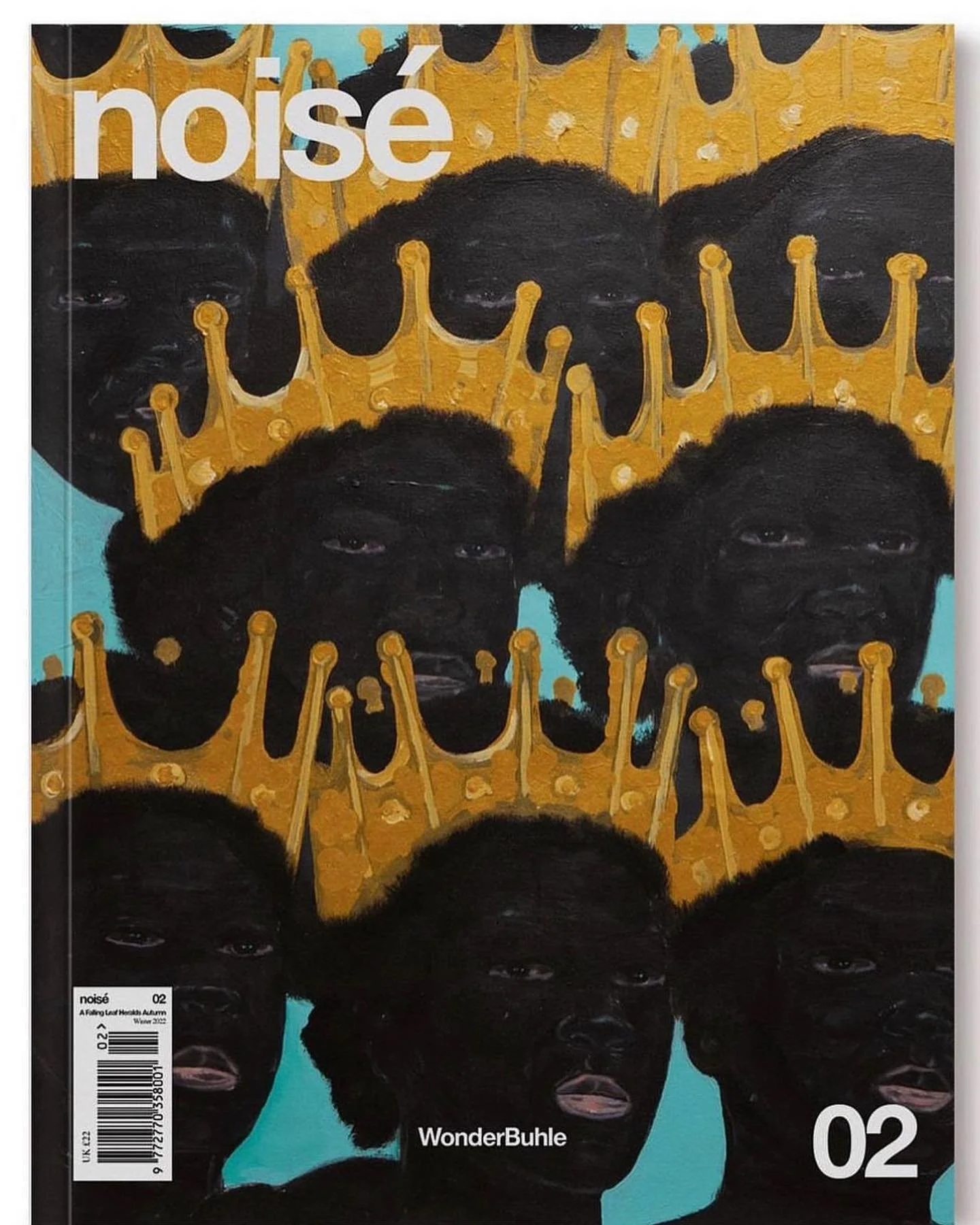
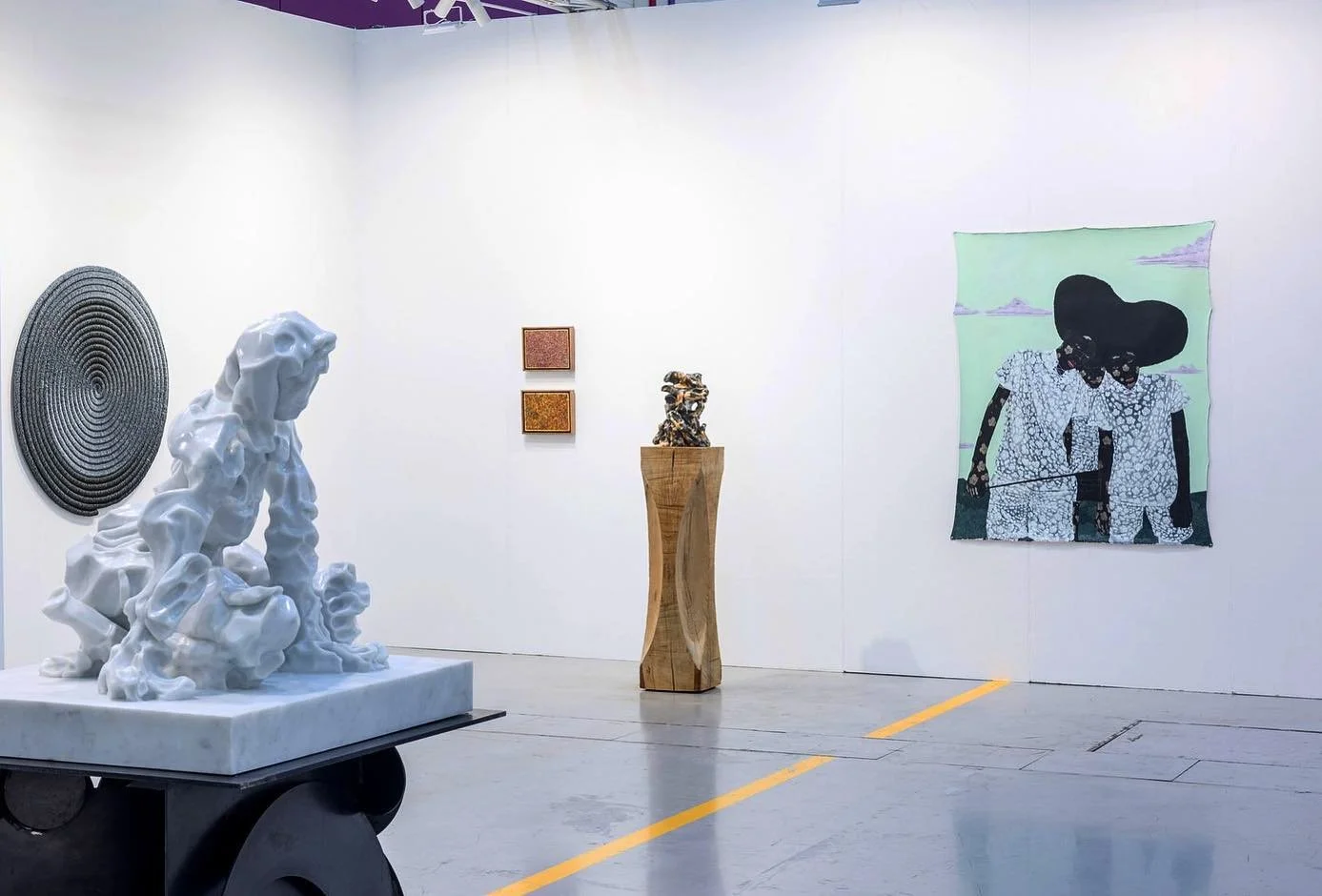
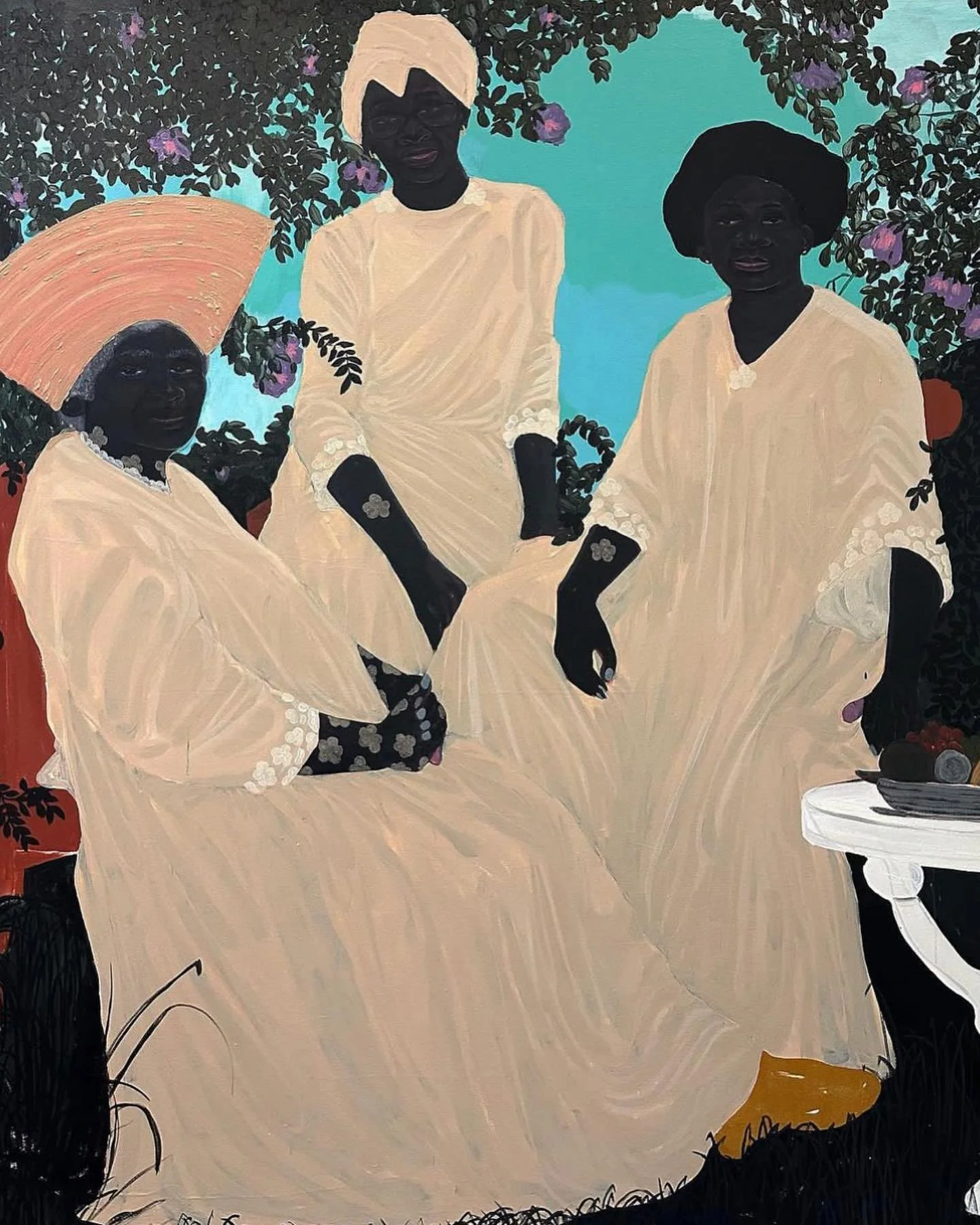
WonderBuhle Mbambo has built a distinctive practice by translating Zulu spiritual knowledge into a visual language capable of travelling across galleries and global commercial platforms without losing its meaning. At the centre of his work is the impepho flower, a sacred plant traditionally associated with ancestral communication, healing, and spiritual connection. Repeated across the skin of his subjects, the motif transforms portraiture into a language through which traditions continue to speak in the present.
WonderBuhle’s figures appear calm and self-assured, occupying the canvas with a quiet sense of dignity. Through these large-scale paintings, Mbambo creates a visual world in which Zulu identity is presented through beauty and spiritual depth.
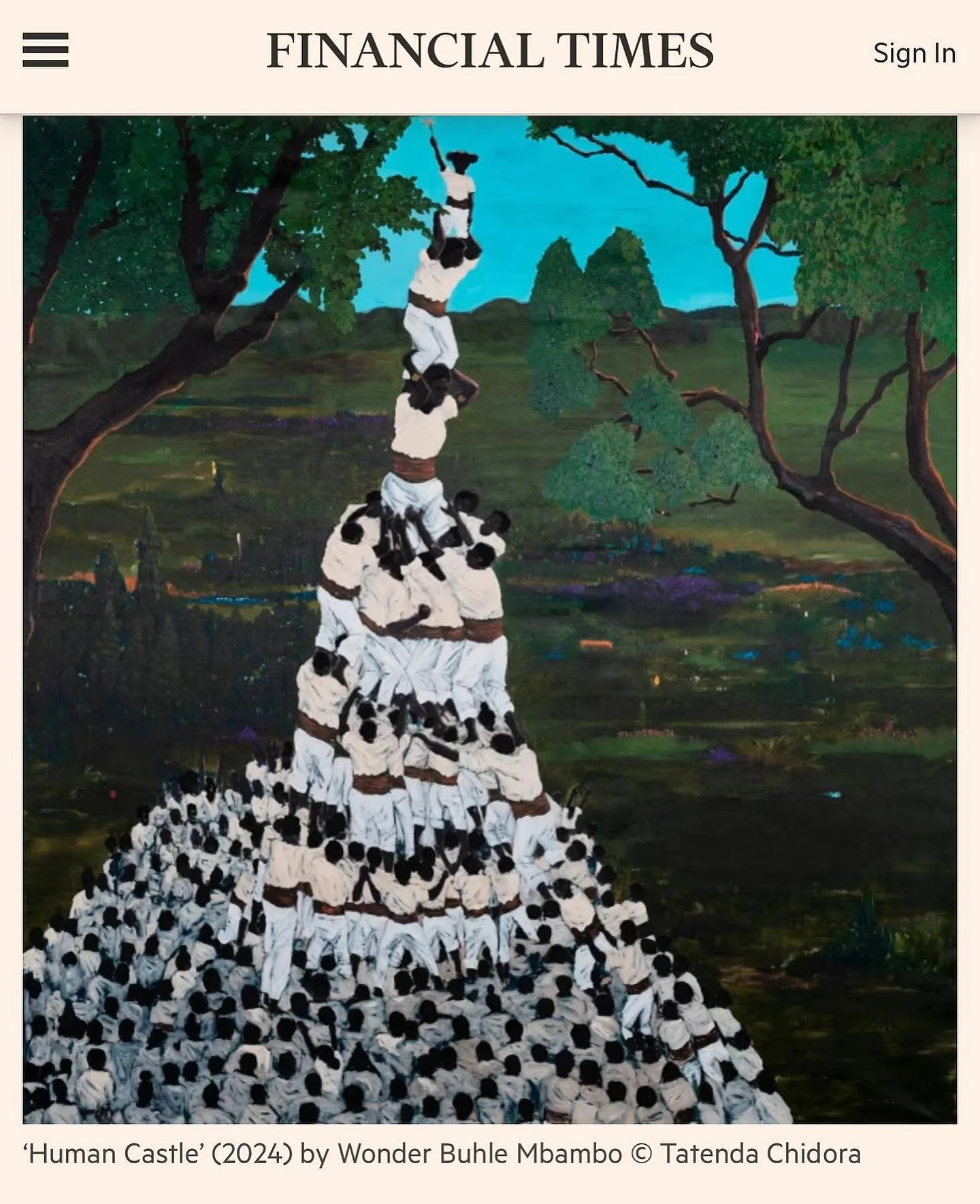
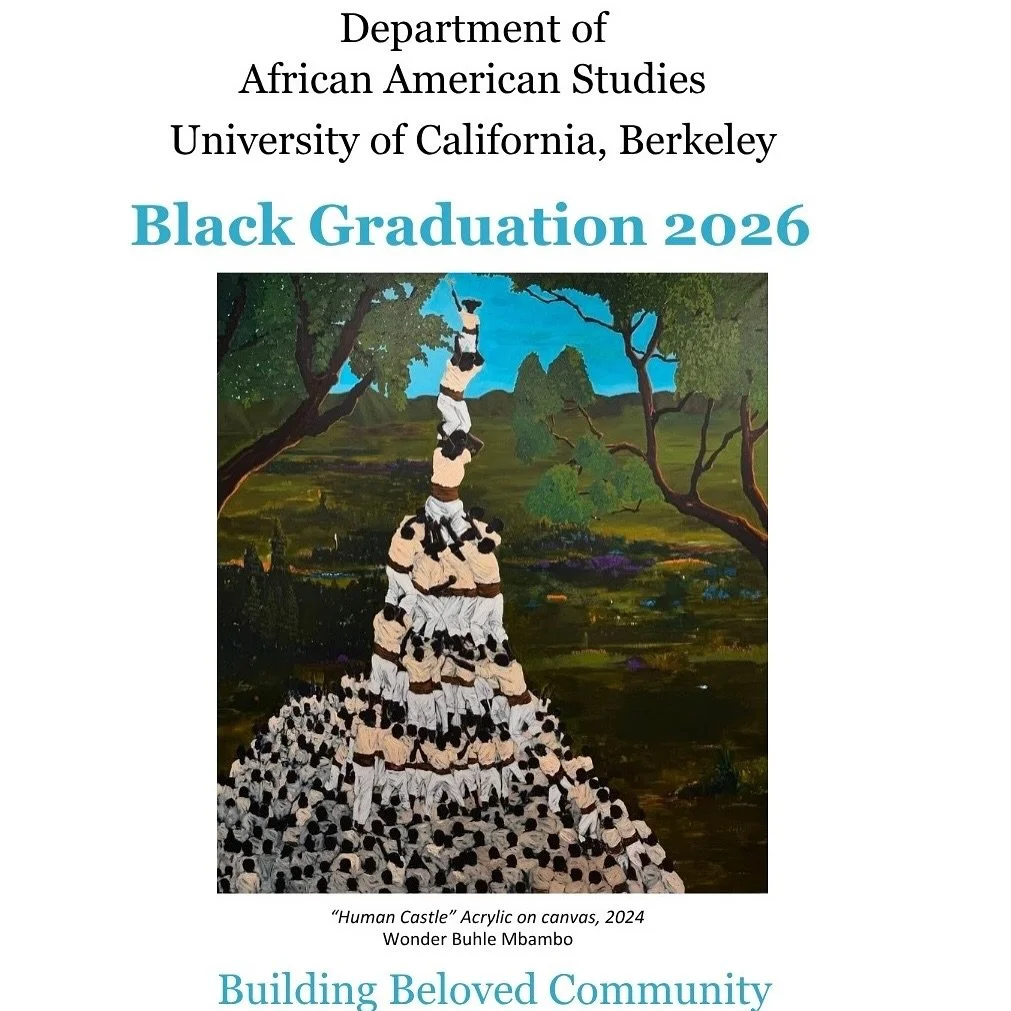
Institutionally, WonderBuhle has carefully positioned his work within both curatorial and academic frameworks. Early residencies in Germany, the United Kingdom, and the United States expanded the reach of his practice beyond South Africa. Exhibitions such as uNyezi and Inkunzi Isematholeni demonstrated how his paintings could operate as educational and community-centred spaces rather than simply gallery displays. His work has also been championed by Azu Nwagbogu, founder of the African Artists’ Foundation and one of the most influential curatorial voices shaping the global visibility of contemporary African art. This institutional momentum was further strengthened when his painting Human Castle was featured by the University of California, Berkeley, introducing his work to an academic environment and extending its visibility beyond the gallery.
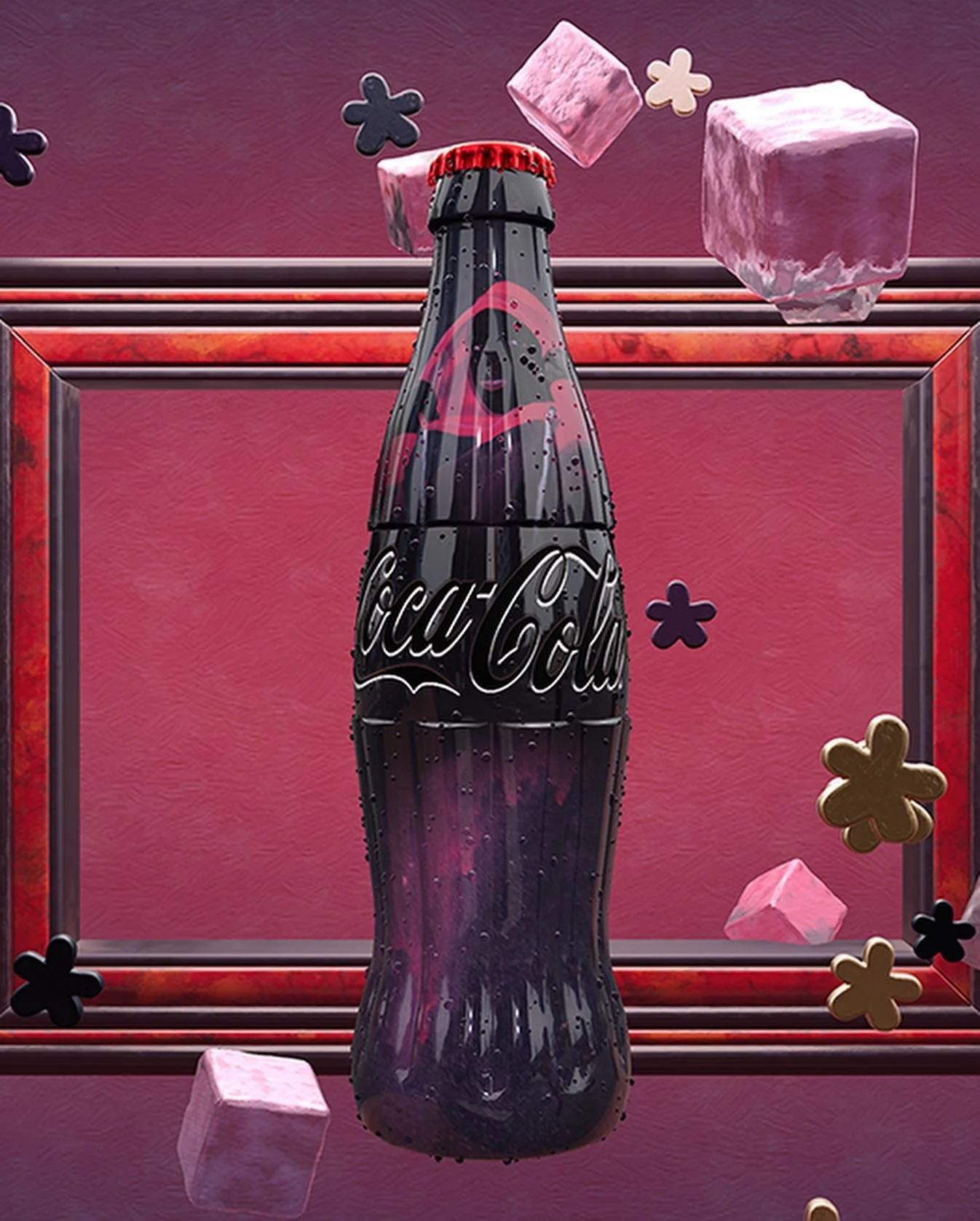
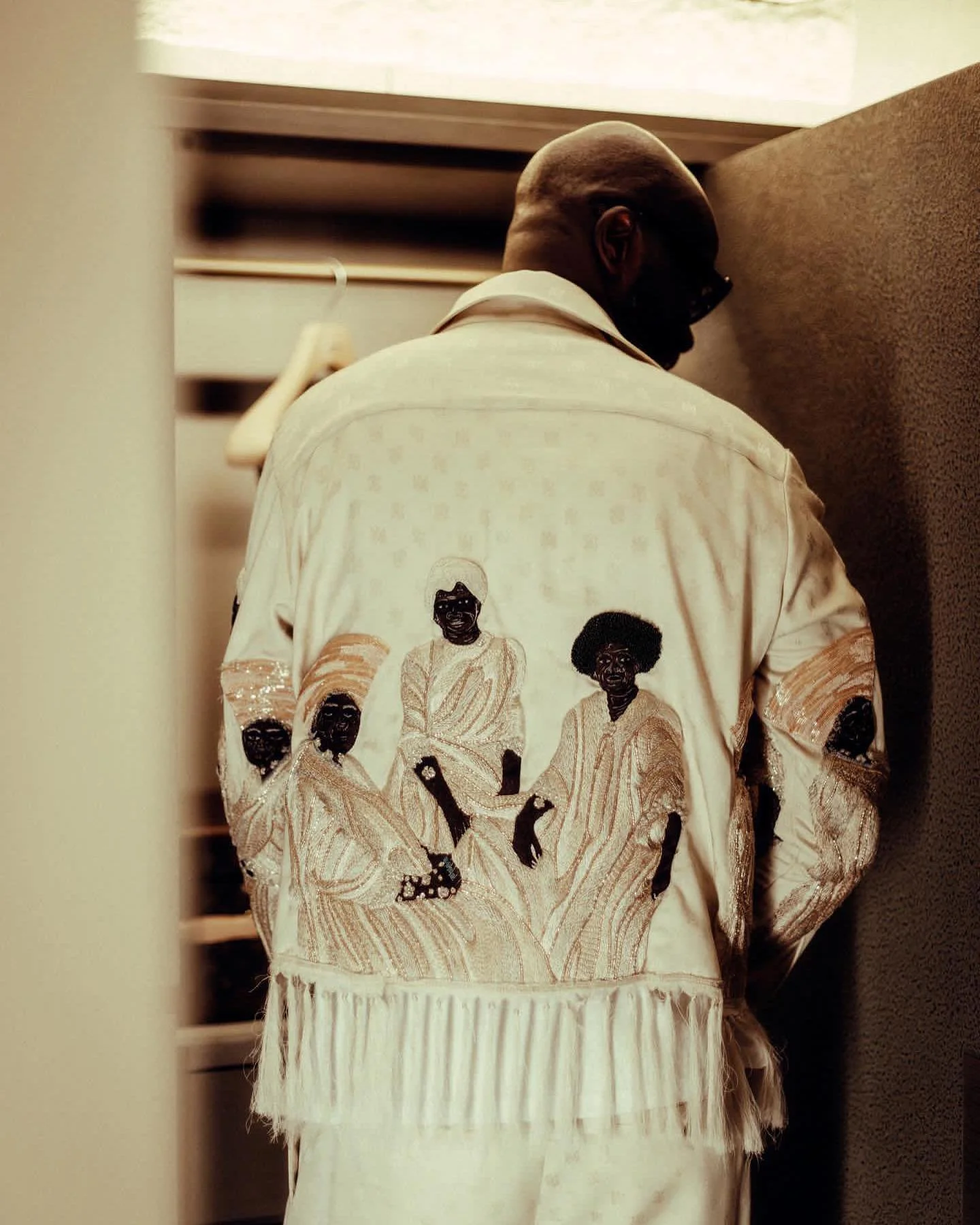
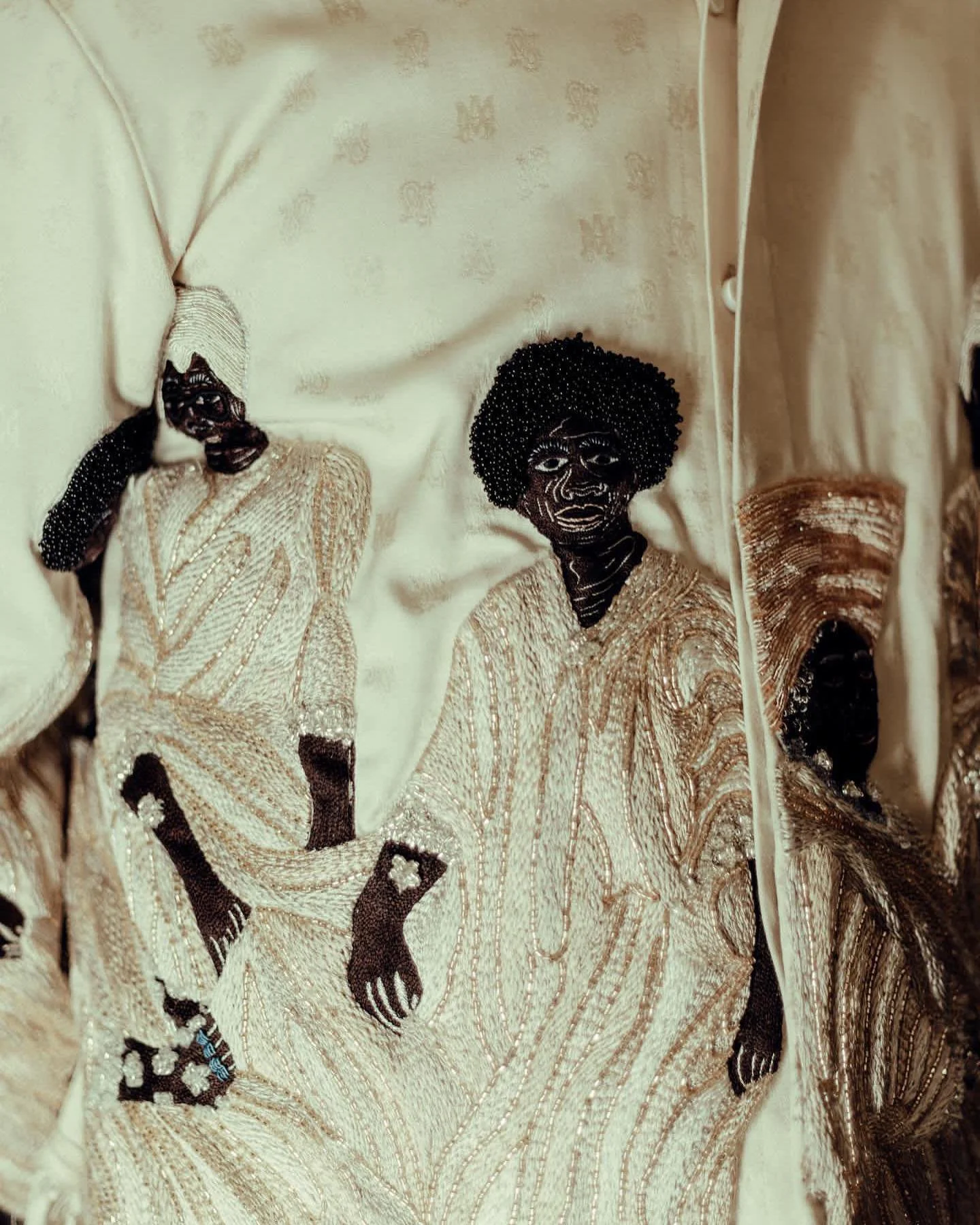
Alongside academic and curatorial recognition, WonderBuhle has secured significant visibility within collector and commercial networks. His inclusion in the Dean Collection, founded by Alicia Keys and Swizz Beatz, positioned his work within one of the world’s most influential collections of contemporary Black art. Beyond private ownership, the collection serves as a pathway into major museum exhibitions, ensuring that his paintings remain part of broader conversations. Commercial collaborations operate according to the same principle. His inclusion in Coca-Cola’s global Masterpiece campaign introduced You Can’t Curse Me to audiences across New York, London, Tokyo, and Johannesburg, placing his work alongside figures such as Andy Warhol, Vincent van Gogh, and Edvard Munch. Rather than functioning as a standalone feature, the painting acted as a key link within the campaign’s narrative, positioning a contemporary South African artist within one of the most visible art-led advertising campaigns of recent years. Crucially, the work’s ancestral symbolism remained intact. Beyond advertising, WonderBuhle has also extended his practice into fashion and music culture, most notably through a collaboration with Black Coffee and AMIRI for the DJ’s historic Madison Square Garden performance. The custom hand-beaded jacket translated WonderBuhle’s painting The Pyramids into wearable form, demonstrating how his art can move between fashion, music, and popular culture without losing its conceptual foundation.
WonderBuhle’s career demonstrates how ideas rooted in Zulu spiritual traditions can move across galleries, universities, collector circles, and global campaigns without losing their original meaning.
Viewed collectively, these practitioners reveal that the most enduring creative careers are rarely sustained by a single collection, exhibition, or moment of visibility. Instead, longevity is achieved through the construction of broader ecosystems that allow ideas to circulate.
What emerges from this study is a distinctly South African model of fashion designers and artists developing different strategies to extend the life of their work. Through this, individual works are able to outlast seasonal trends, market cycles, and moments of public attention, securing a form of relevance that endures long after the act of making. The transition from studio practice to cultural circulation is ultimately a transition from production to legacy.
