Luxury hotels are increasingly integrating art, fashion, design and cultural experiences into their guest offerings. Beyond accommodation and service, they are creating spaces for artistic expression, brand collaborations and cultural exchange.
This shift reflects changing expectations among affluent travellers and the growing relationship between hospitality and the creative industries. Three developments explain its rise.
1. From Transactional to Experiential Luxury
Affluent travellers increasingly seek experiences that reflect their interests, taste and cultural awareness. Designer suites, commissioned artworks and access to creative communities offer distinction beyond traditional markers of luxury. For hotels, cultural curation strengthens their identity and creates experiences that are difficult for competitors to replicate.
2. Fashion Brands Enter Hospitality
Hotels allow fashion houses to extend their identities beyond retail and digital platforms. Designer suites, branded beach clubs and hotel takeovers immerse guests in a brand's aesthetic and lifestyle. These partnerships deepen customer relationships, strengthen loyalty and connect fashion brands with consumers across hospitality, travel and dining.
3. Cultural Programming as Creative Value
Exhibitions, artist residencies and fashion presentations create reasons to visit, return and share experiences online. Events surrounding Frieze and international fashion weeks also bring hotels into contact with collectors, artists, designers and affluent travellers. Hotels gain visibility and cultural relevance, while creative practitioners gain exposure, new audiences and access to potential patrons and commercial opportunities.
Three luxury properties illustrate how this relationship is taking shape.
One&Only Aesthesis: Greek Heritage Meets Contemporary Creativity
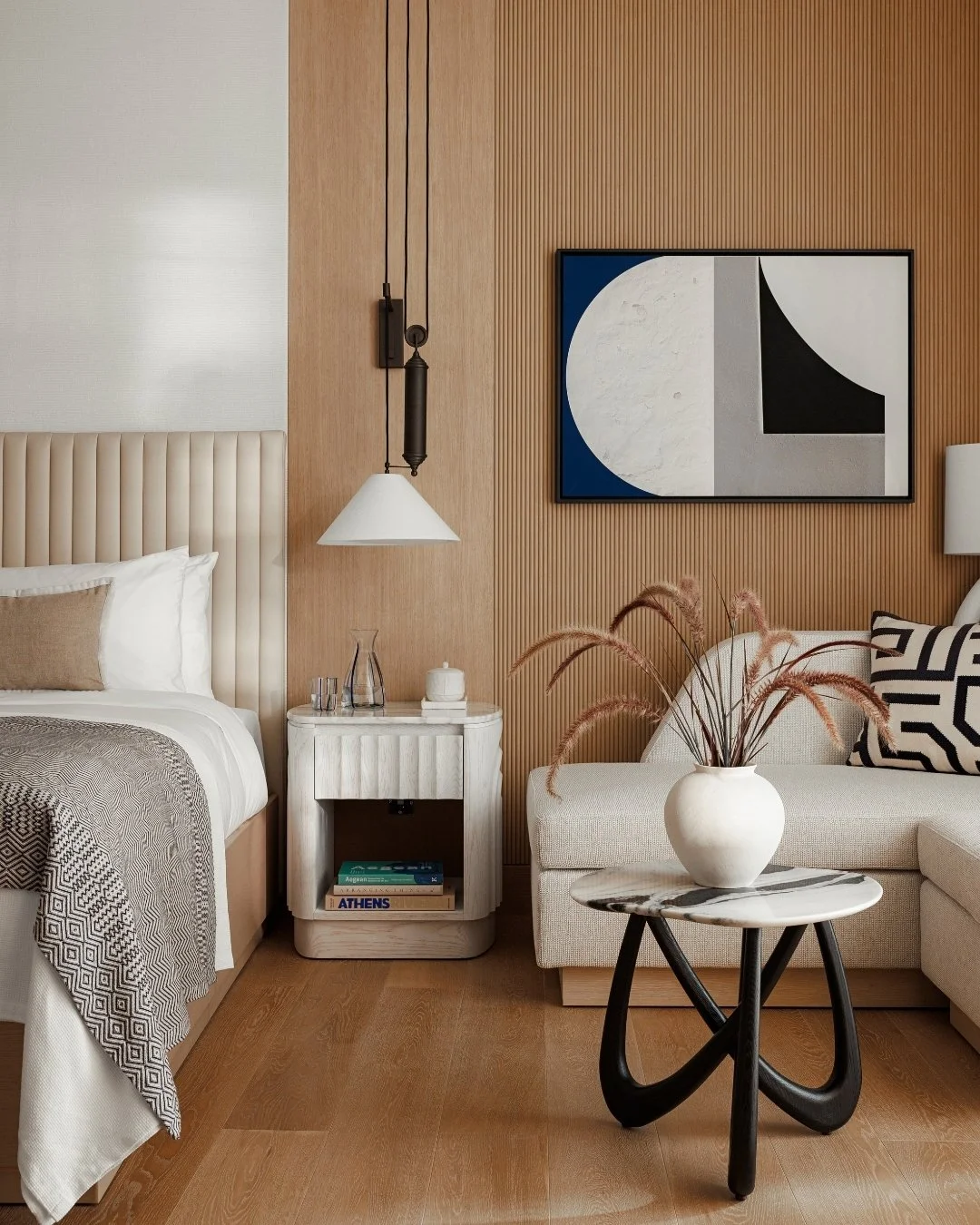
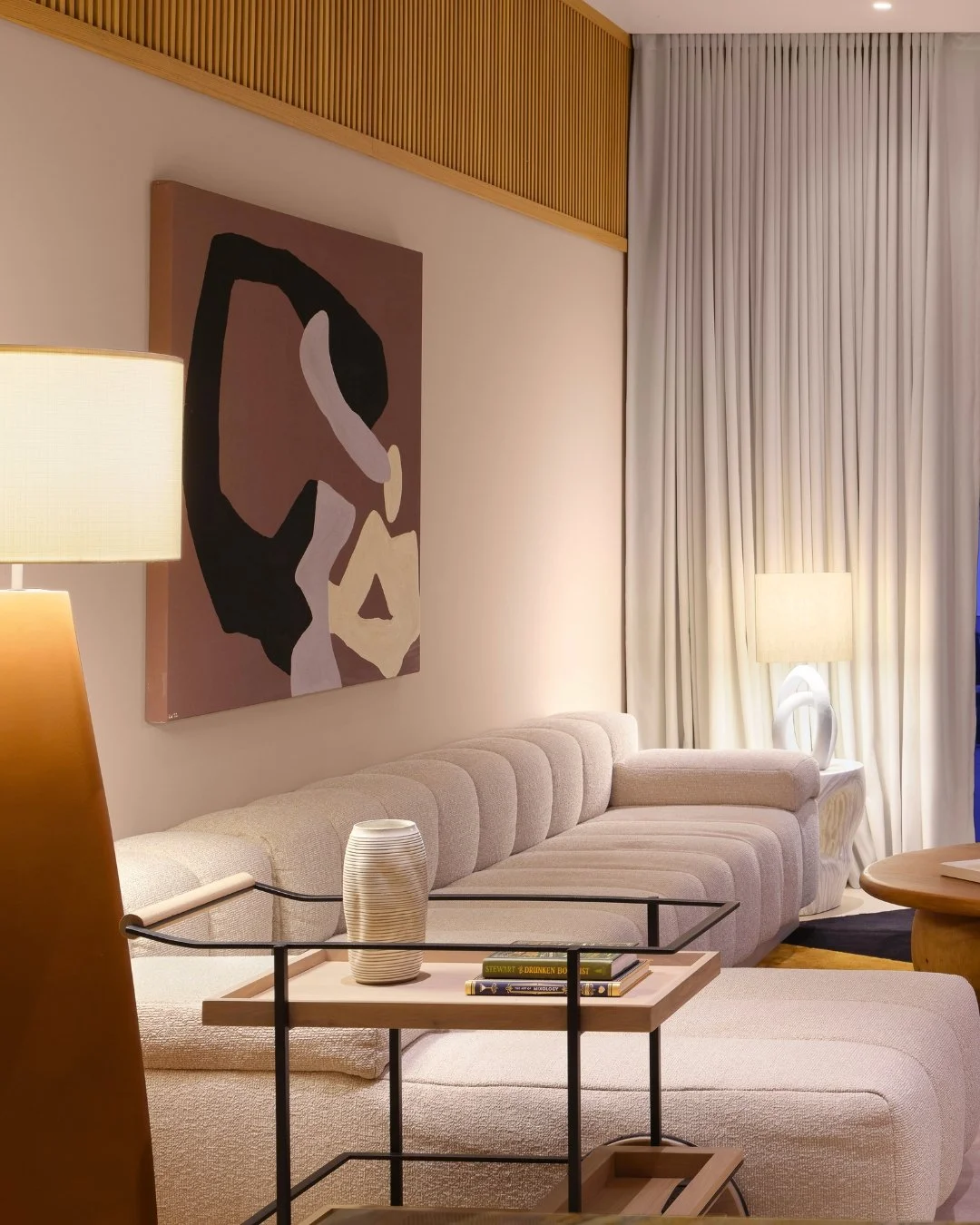
Located on the Athens Riviera, One&Only Aesthesis draws on the mid-century modernism of the original Asteria beach club, once frequented by international artists and cultural figures. Its architecture, developed by K-Studio, AUDO, A6Architects and Muza Lab, combines Greek heritage with contemporary design, using reclaimed local stone, Greek marble, forged metalwork and bespoke textiles.
Art is central to the resort's identity. Greek artist Nikomachi Karakostanoglou created site-specific works inspired by the Aegean Sea, while ceramicist Angelos Adam produced sculptural vessels and functional objects. An artist residency with Alexandria Coe introduced sketches and drawings inspired by the coastal landscape and natural light.
Fashion collaborations with Burberry and Balmain further extend the resort's creative identity, bringing the houses' aesthetics into its poolside and beach club spaces. Together, these initiatives connect Greek craftsmanship and cultural heritage with contemporary art, design and fashion.
Mandarin Oriental Hyde Park: Art, Craftsmanship and British Heritage
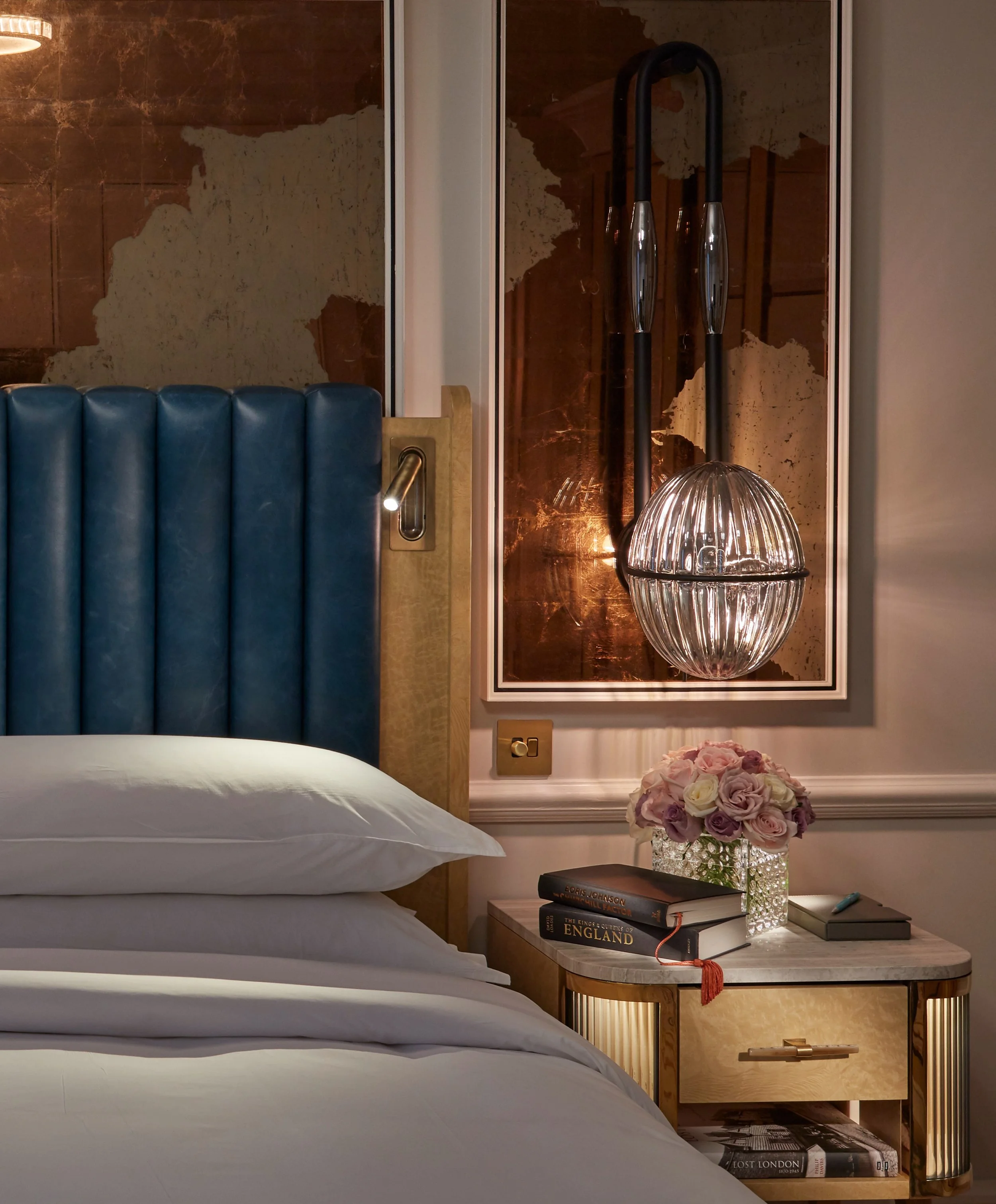
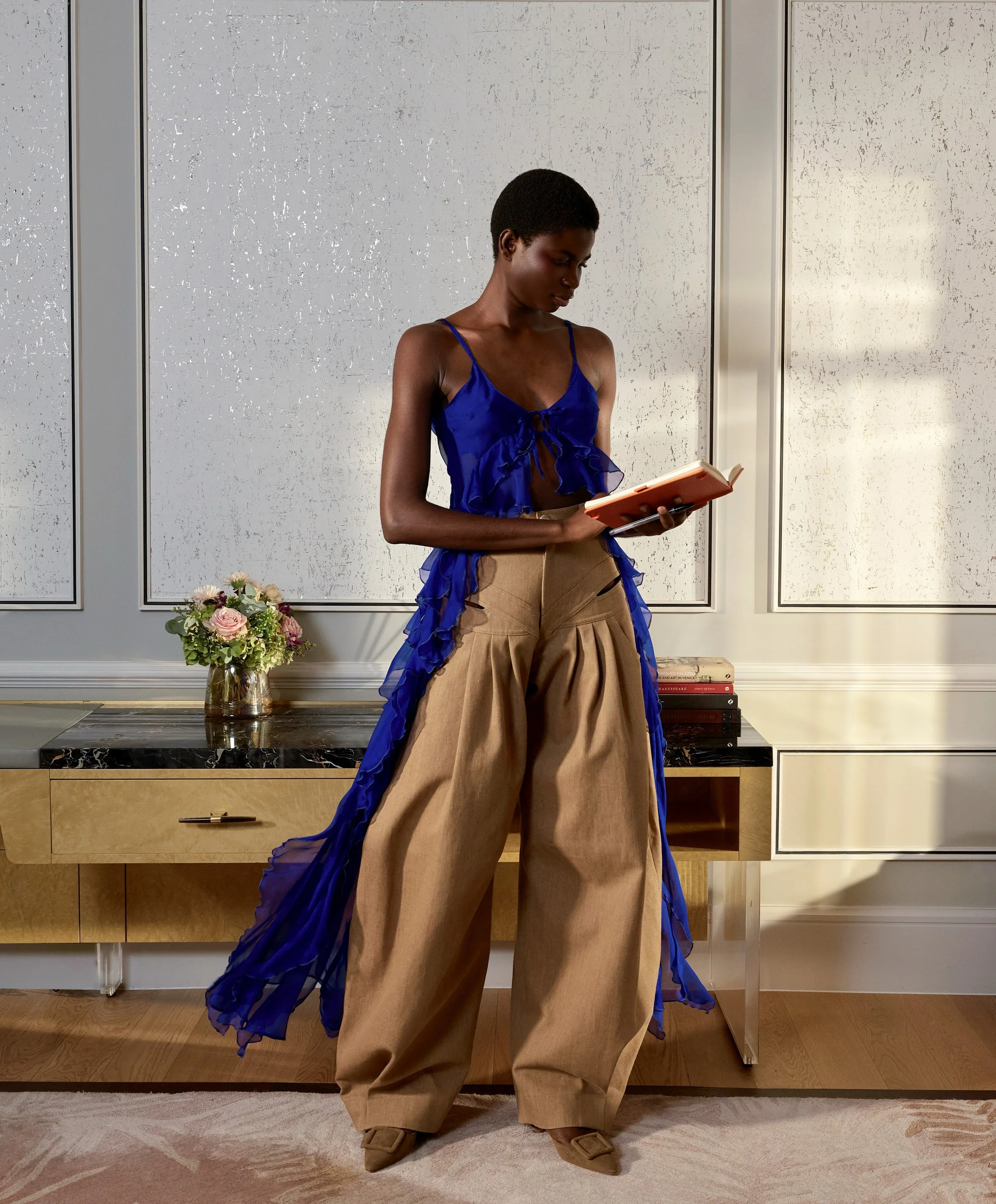
In London, Mandarin Oriental Hyde Park combines its Edwardian heritage with contemporary art, craftsmanship and fashion.
Following a restoration led by designer Joyce Wang, the hotel introduced artistic collaborations throughout its interiors. These include the Blossom Chandelier, created with glassmakers Lasvit, sculptural works by Fredrikson Stallard and bespoke details inspired by the surrounding Hyde Park landscape.
Its cultural identity extends into its suites and restaurants. The Pantone Celadon Suite, reimagined by French design studio Uchronia, celebrates contemporary design and British craftsmanship, while The Aubrey houses more than 250 artworks associated with the nineteenth-century Japonisme movement. At Dinner by Heston Blumenthal, historic British recipes inform the dining experience.
The hotel also engages with London's creative calendar, hosting art experiences connected to Frieze London and providing spaces for designer presentations during London Fashion Week. These activities position the property as more than a luxury hotel: it becomes a setting for artistic encounters, fashion and cultural exchange.
Mount Nelson: A Platform for Contemporary African Culture
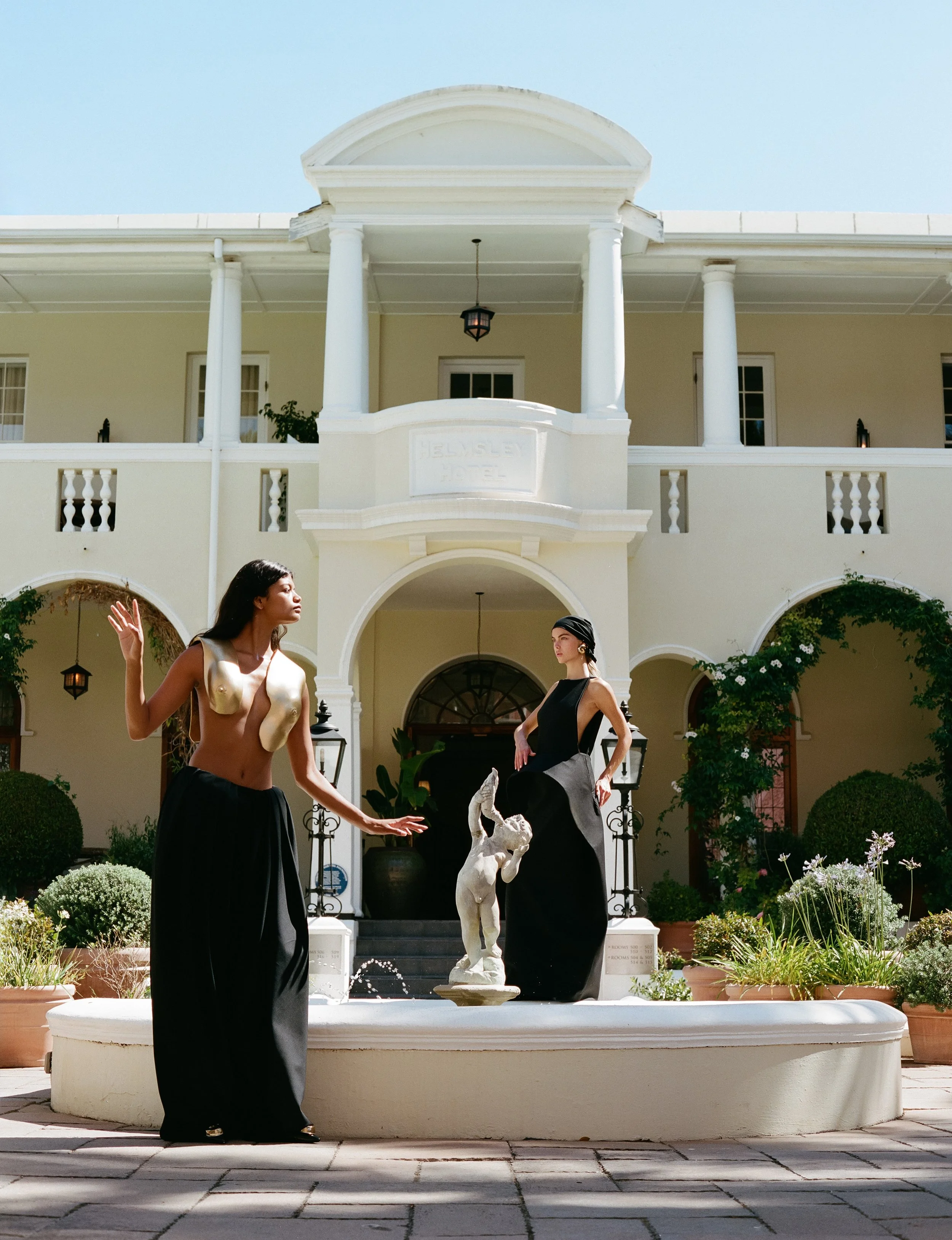
In Cape Town, Mount Nelson, A Belmond Hotel, uses its historic setting to showcase contemporary African creativity. Its gardens feature sculptures presented in collaboration with Goodman Gallery, while exhibitions with Norval Foundation bring works by African artists into the hotel's interiors.
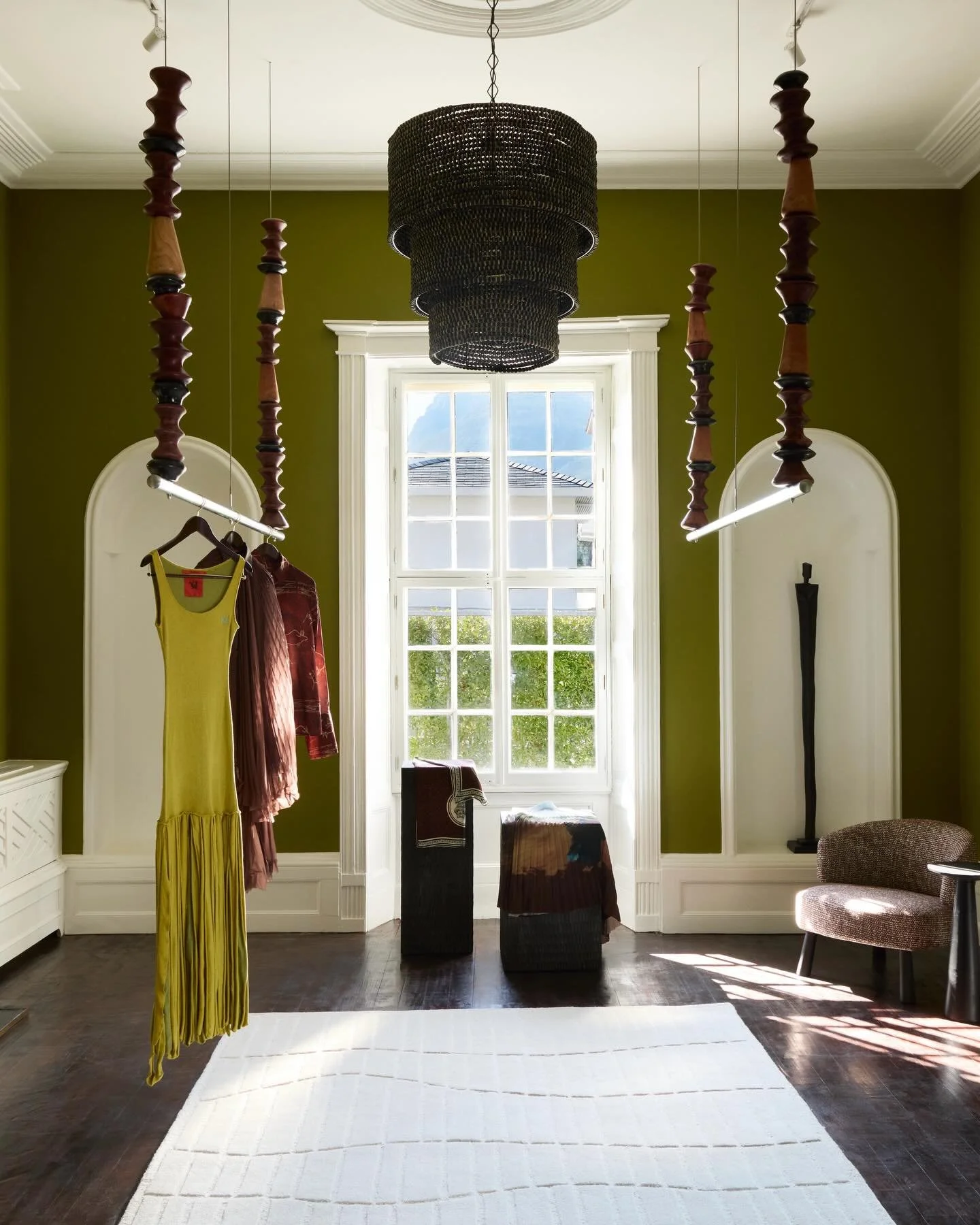
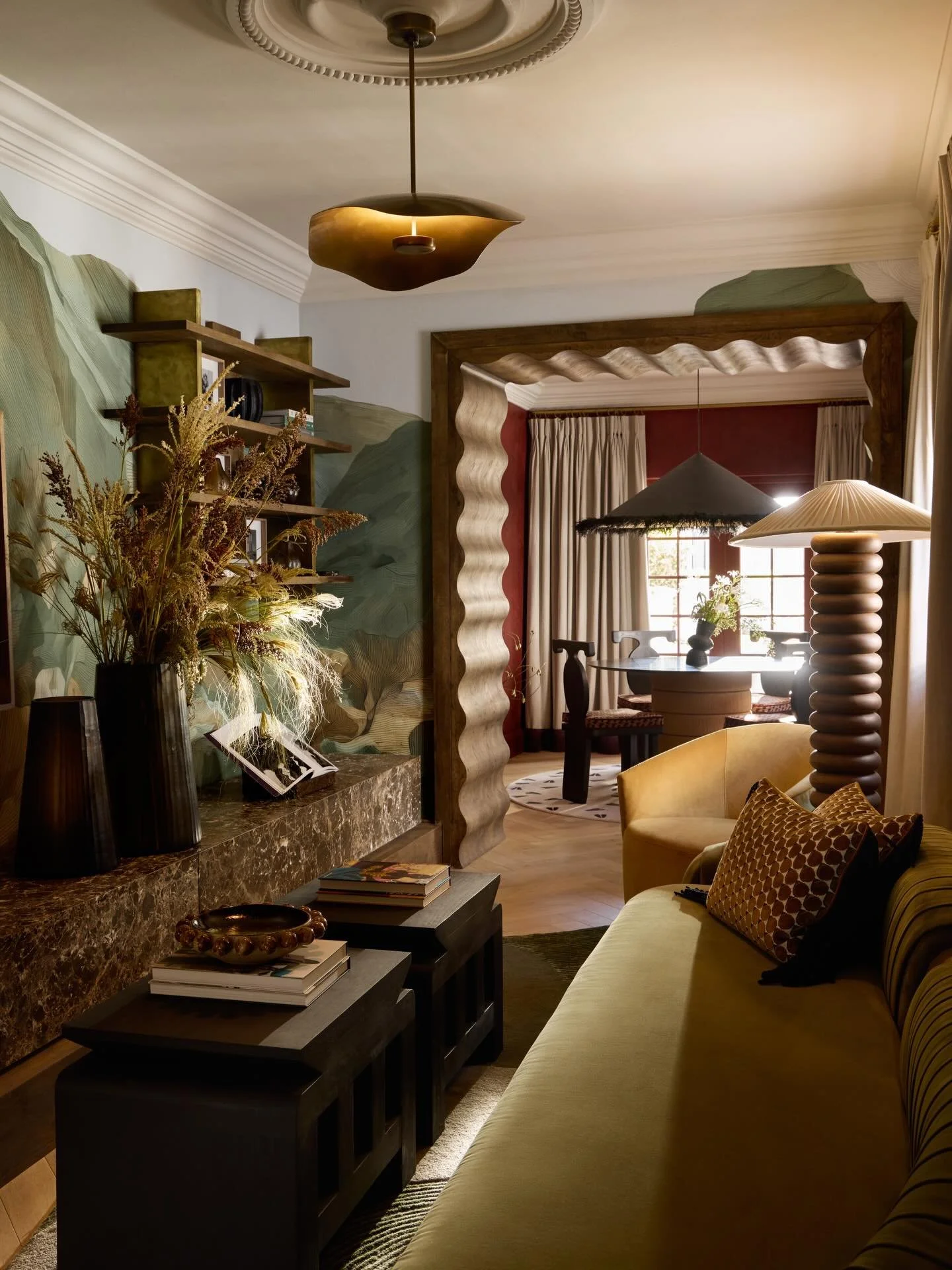
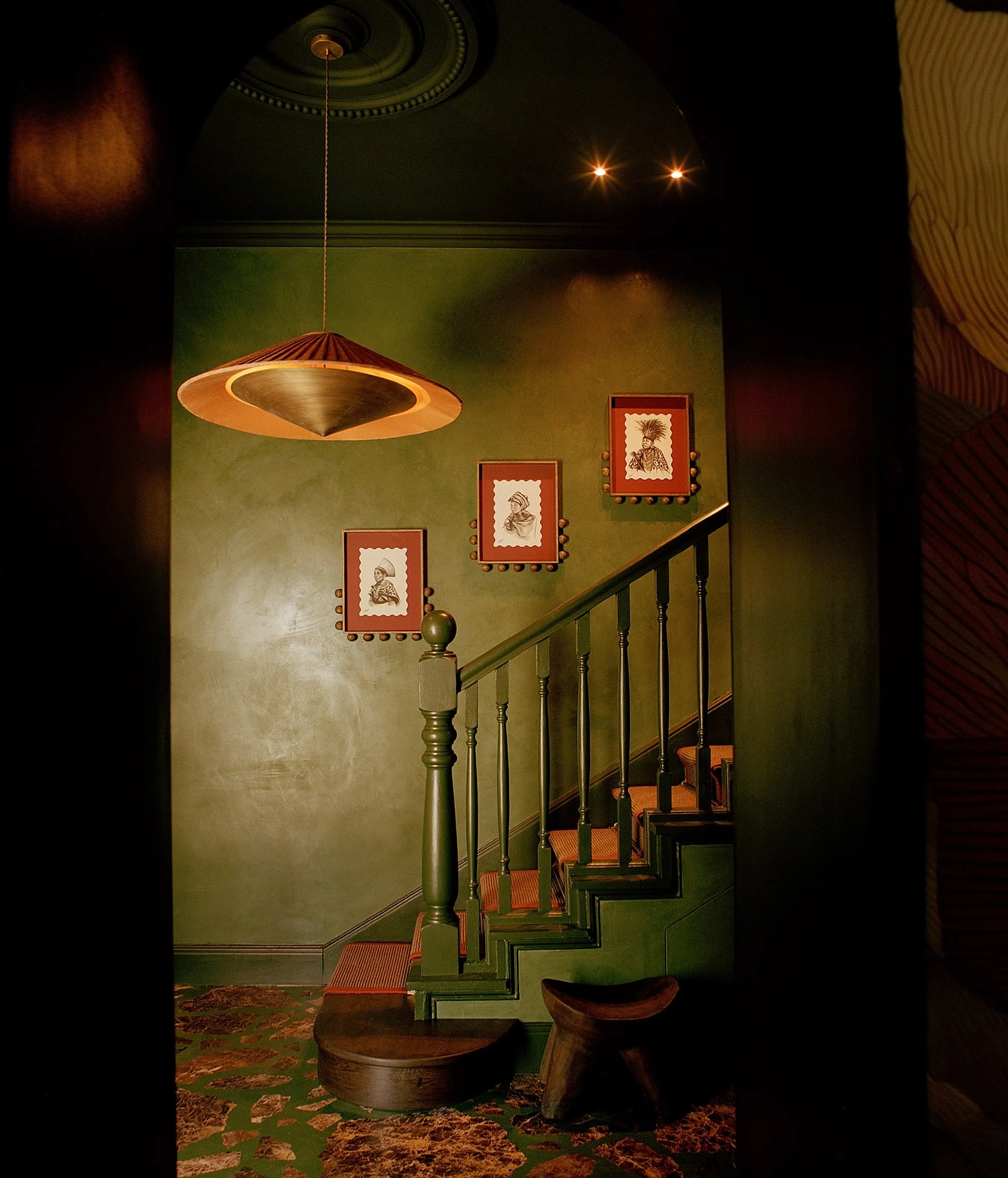
Fashion and design are equally prominent. The Thebe Magugu Suite, created with the South African designer, combines Afro-English influences with hand-carved furniture, bespoke textiles and lighting inspired by the Basotho mokorotlo hat. The partnership also extends to Magugu House, an on-site creative space incorporating an atelier, gallery and archive.
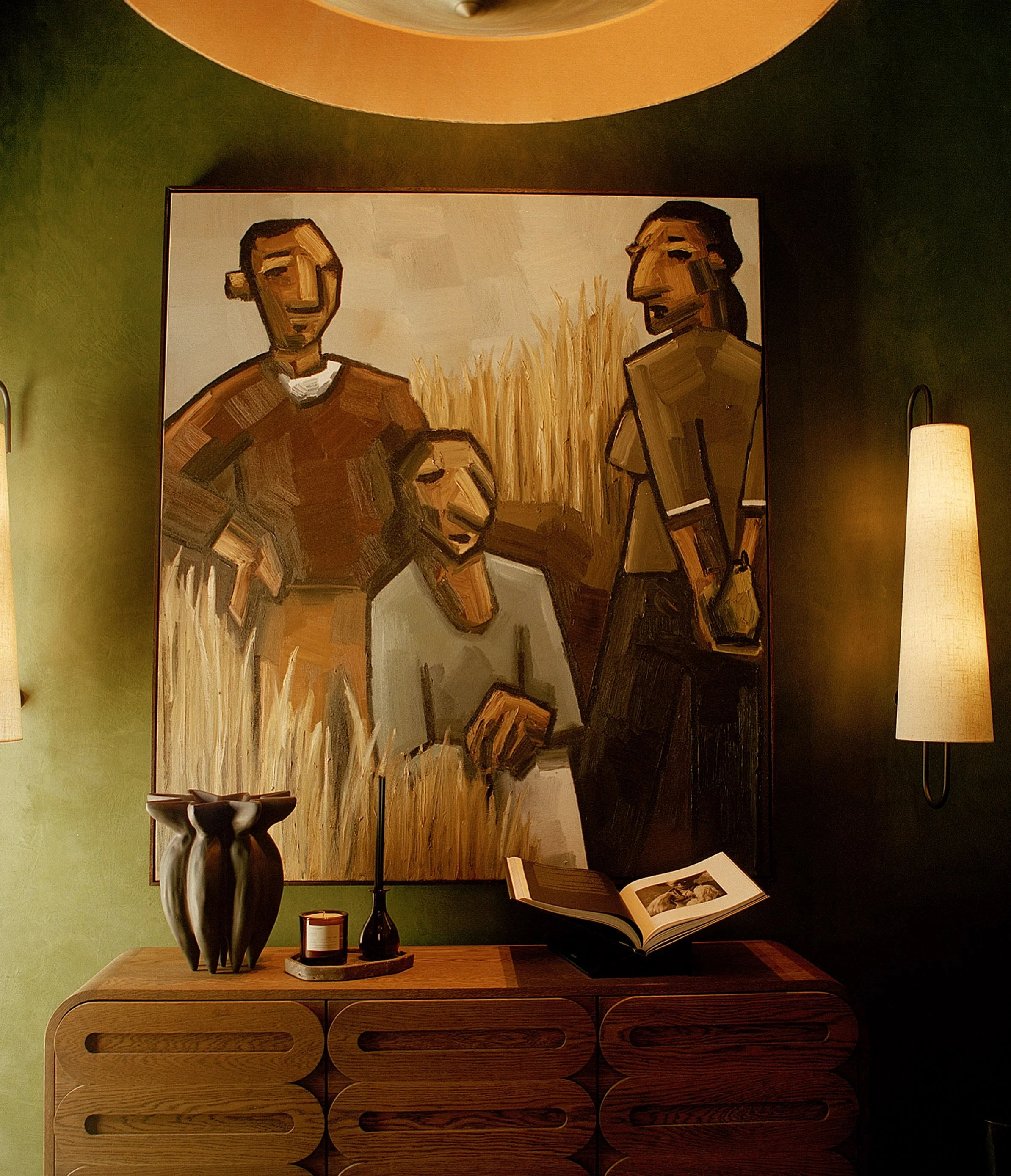
Through Confections x Collections, the hotel brings together sustainable African fashion designers and culinary creativity. Its artistic programme also includes artist residencies, live painting and masterclasses, including initiatives involving portrait artist Cyril Coetzee.
These partnerships position Mount Nelson as a platform for African artists, designers and craftspeople, supporting their visibility and creating opportunities for cultural exchange.
The Future of the Culturally Curated Hotel
Cultural partnerships help luxury hotels attract new audiences, encourage repeat visits and strengthen their market position. For artists, designers and fashion houses, they offer access to affluent customers, new platforms and commercial opportunities beyond traditional galleries and retail. Together, these collaborations bring cultural value and commercial benefits to hospitality and the creative industries.
