
The Language of Permanence in Yoliswa Mqoco’s Creative Direction
Yoliswa Mqoco has built a creative practice around the radical act of knowing herself. For nearly fourteen years, she has developed a visual language across styling, photography, content creation and creative direction. Rather than allowing trends or algorithms to dictate her aesthetic, Mqoco has remained anchored in what she genuinely likes, building a career defined by intention and honesty.
What began with documenting her life while studying fashion has evolved into a multidisciplinary career spanning major commercial and cultural platforms. Her collaborations include MAC Cosmetics, Clinique, Revlon, Nivea, TRESemmé and Superbalist, while her recognition as Glamour South Africa’s 2022 Fashion Game-Changer affirmed her wider cultural influence. Through The Details Matter, the creative agency she founded, Mqoco is extending her visual language into creative direction and curation.
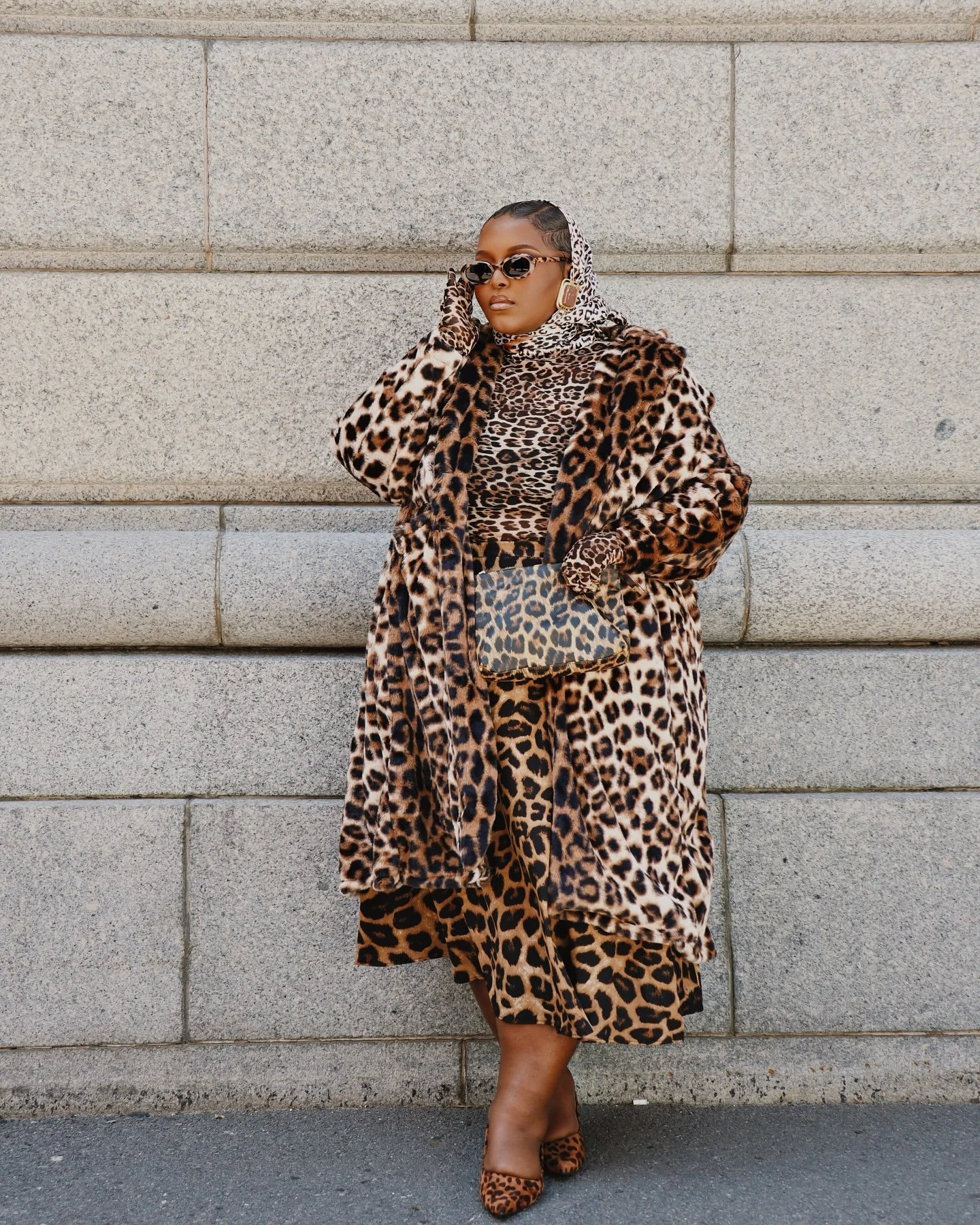
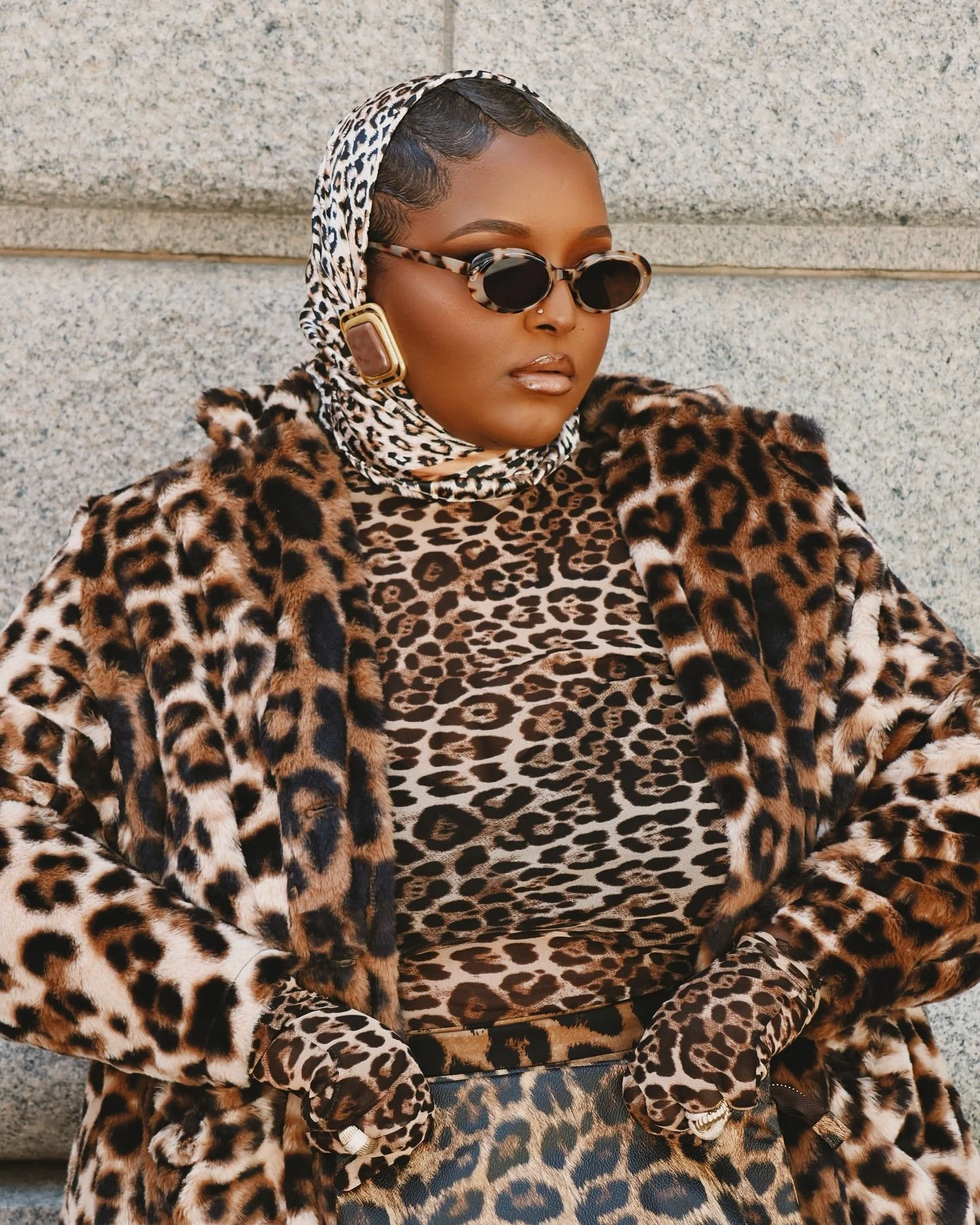
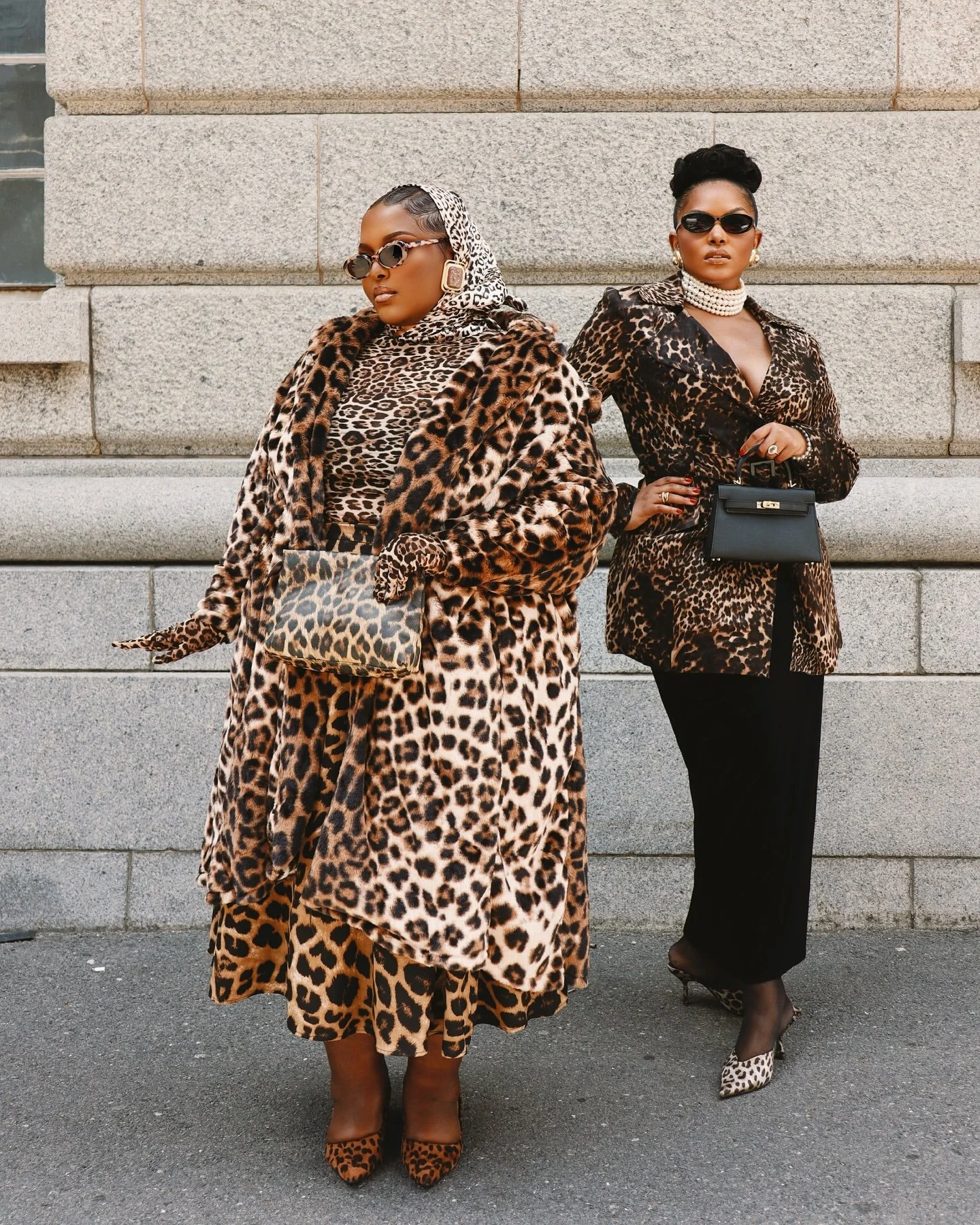
Yoliswa Mqoco’s relationship with fashion is rooted in contrast: vintage silhouettes, estate jewellery and historical references are reinterpreted through her contemporary identity. Having recognised that visual codes associated with wealth and elegance were rarely occupied by women who looked like her, she chose not to reject them but to claim them. Fashion consequently becomes both self-expression and quiet protest, challenging who is permitted to inhabit luxury and define sophistication.
That resistance extends to trend culture. Mqoco views personal style as the freedom to remain committed to what feels authentic after collective attention has moved elsewhere. The same principle informs her commercial work, where she advocates for beauty, precision and visible effort.
Her critique ultimately extends to South African fashion itself. She identifies closed networks and limited knowledge-sharing as barriers to growth, arguing that progress requires younger creatives, new perspectives and more open pathways into the industry.
In this exclusive conversation, CIKO CIRILLO explores Mqoco’s journey from HR to fashion, her fourteen-year evolution and her decision to step back from the limelight, placing greater focus on the creative direction she builds behind The Details Matter.
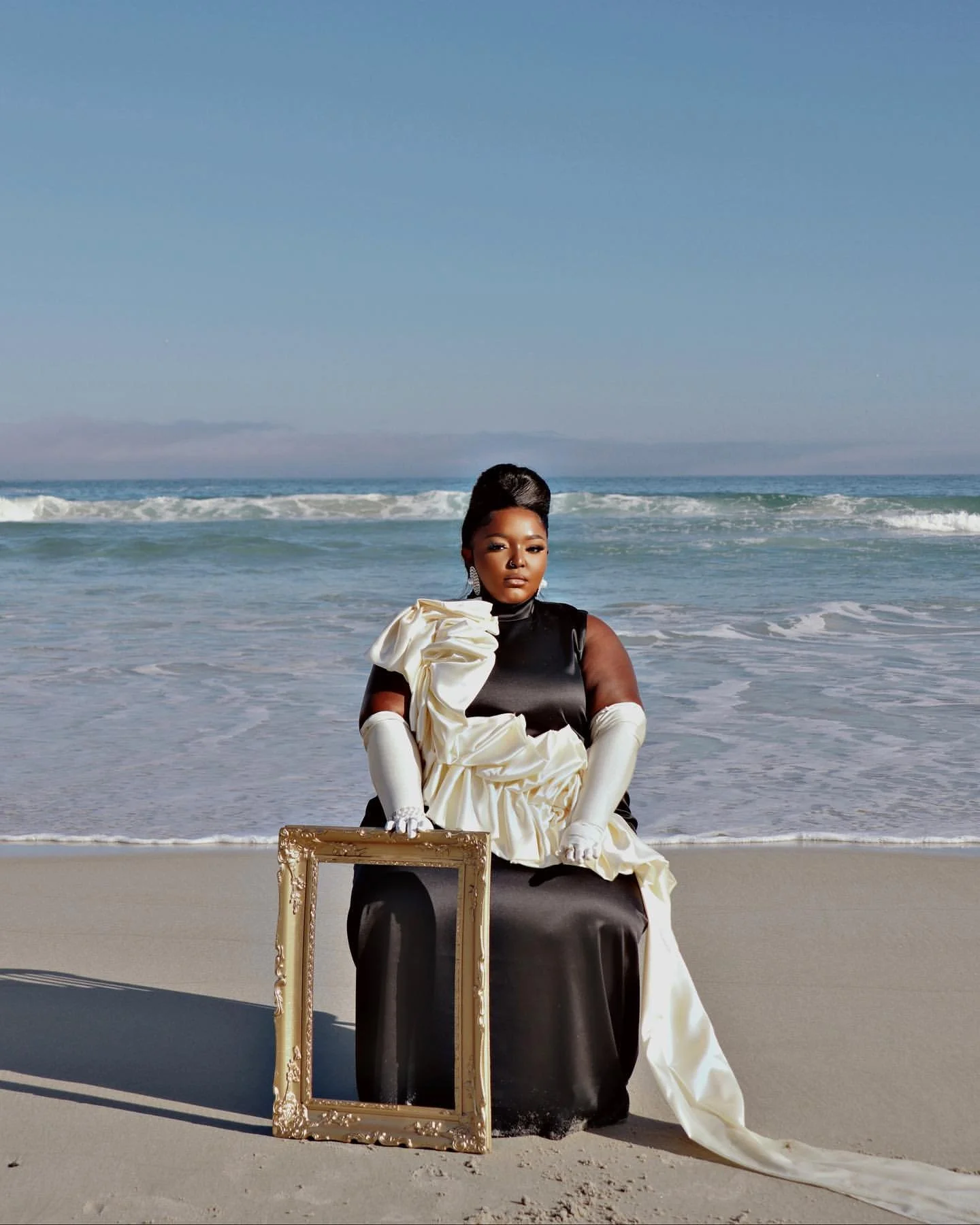
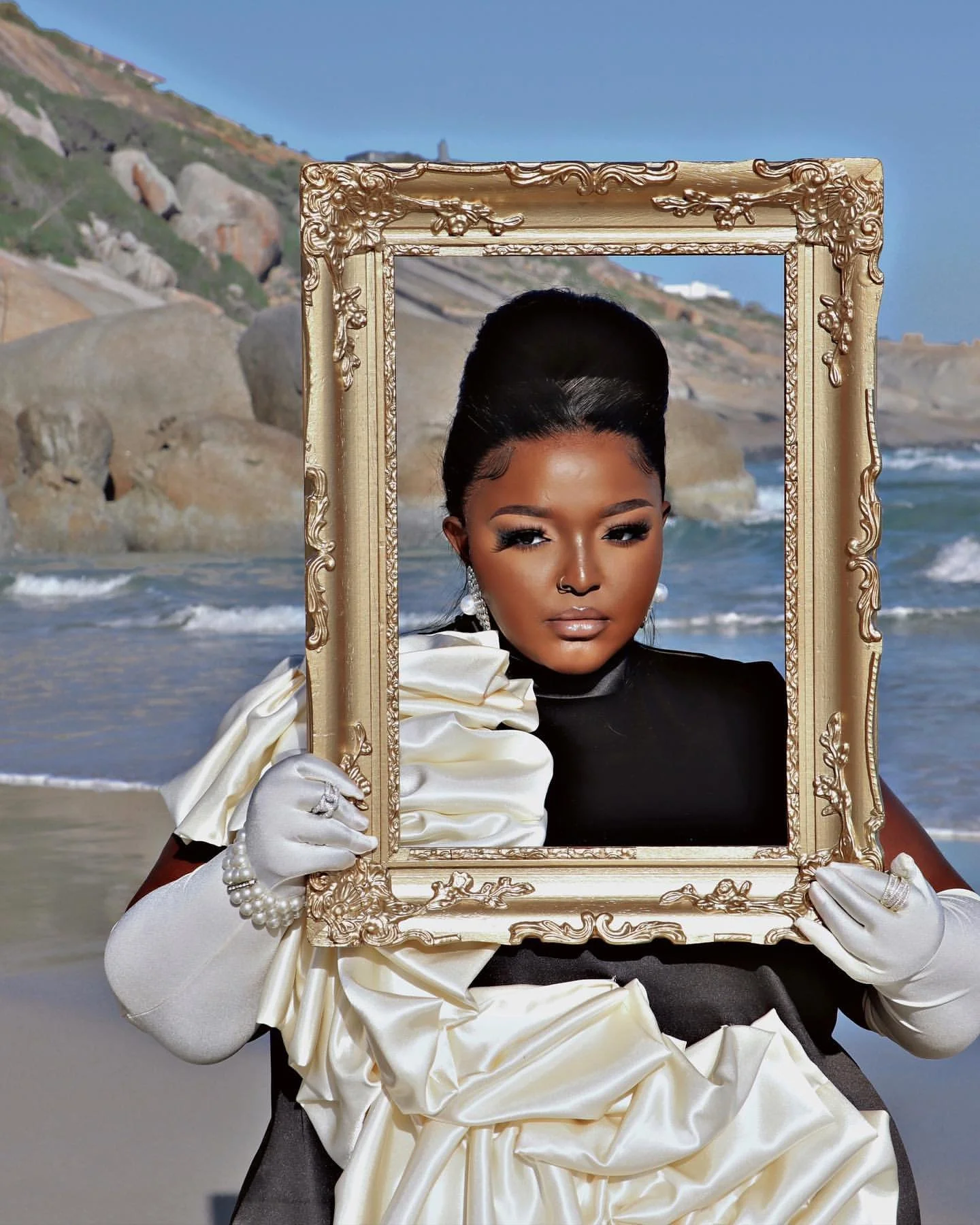
Your style brings together vintage glamour, contemporary fashion and African influences. How did you develop your own visual style, and what continues to inspire the way you see fashion?
For me, the African influence is me. It’s not necessarily the garments themselves, because none of the silhouettes or things I’m inspired by are directly derived from Africa. The Africanness of it all is simply my existence and how I am. I’m probably the most African-looking person, and I’m very drawn to contrasting ideas and visuals.
As a Black, fat woman in South Africa, wearing these silhouettes, jewellery and accessories, I noticed that if you pick up any history book and look at the 1950s through to the 1980s, there is very little representation of women who look like me in those silhouettes.
I’m a millennial, and the television we consumed growing up had a big influence on me. Reality TV felt honest and unscripted. I’d see people in New York going on vacation to the Hamptons and think, these silhouettes are amazing. But that type of style was usually synonymous with someone who wasn’t Black and was very wealthy.
I thought, the second I can afford to dress this way, I want to dress this way. Why can’t I look like that? Why does it have to be a members-only situation, reserved for people with generational wealth?
For me, it’s about making sure Black and brown people understand that certain archetypes of fashion aren’t reserved for people who were born into wealth. All luxury should be for everybody. All of those stereotypes need to be demolished.
You see fashion as a form of self-expression and freedom. What does that freedom mean to you?
Freedom means knowing that there is no dictatorship over the things I decide to wear. I’m not being coerced into making certain decisions because of the visuals I constantly see on Instagram or Pinterest. It’s about knowing that my choices are my own. When we go on Instagram, everybody looks the same. Everyone is competing to have the same garments.
I feel like I was almost born in the wrong time because women don’t have their own personal style anymore. Everyone’s style mirrors everyone else’s, and it makes me sad because women are beautiful. The extra cherry on top would be if everyone had their own personal style. To me, it feels like everyone is in a box, and freedom means knowing that I’m not in that box. Herd mentality in fashion honestly breaks my heart because people don’t realise that they’re chastising themselves. I don’t want to be part of an ecosystem where my buying choices are dictated by trends constantly echoed by huge groups of people.
I recently had a conversation with a friend about how trends work. There was a period when everyone was suddenly wearing 1980s and 1990s silhouettes and statement jewellery. I’d been collecting and wearing those things for more than ten years. Then the trend disappeared, and people moved towards smaller, more niche jewellery.
That showed me exactly why trends are dangerous. Imagine I had decided to throw away an entire collection I’d spent more than fourteen years building simply because the rest of the world had moved on. It’s not just money going down the drain; it’s your energy and your love for those things.
You work across styling, modelling, content creation, photography and creative direction. How do all these different parts of your work come together for you?
I use the same part of my brain for all of it. I’m a very structured person. Everything is intentional. There’s a reason for everything. That’s why things look cohesive in my world: they come from the same rigid structure. A lot of people call me strict, but that’s fine because my work will have precision, structure and intentionality. I want people to look at something I’ve made and think, she put a lot of thought into this. I don’t want to be effortless. I want to be effortful in everything I do.
We’re constantly made to feel that we shouldn’t look like we’ve tried too hard, but I want it to be obvious that I put effort into something because I did. Whatever comes from that, I deserve because I put time and effort into it. I don’t want my work to look effortless either. I want you to see that I took a lot of time on it because I did. At some point, the desire to appear effortless became inauthentic. Looking effortless requires effort because you’re constantly thinking, I need to look effortless. You’re putting enormous amounts of energy into creating the appearance of being effortless.
I want everything to look like I care because I do care. I’m a very passionate person.
I also really miss when women used to look fabulous. Being fabulous means putting in effort. Before André Leon Talley said there was a “famine of beauty”, there was already this feeling, and now I think we’re in a famine of fabulosity. People just aren’t fabulous anymore. When I look at pictures of our mothers and their friends when they were growing up, they looked fabulous every day. They didn’t necessarily think about it as a statement; they just were.
For me, I’m putting in the effort to look fabulous because I want to, and I want my work to look like that too.
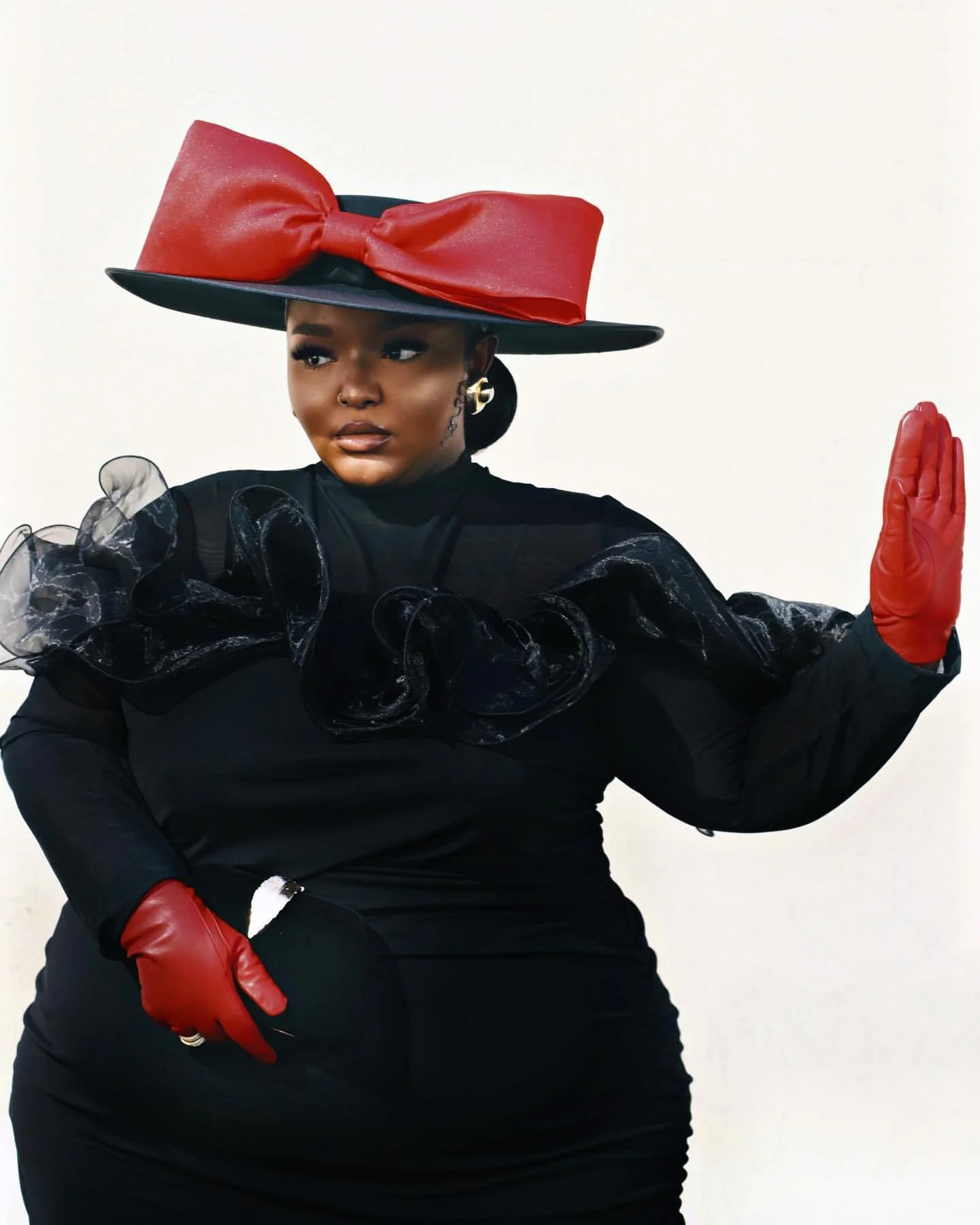
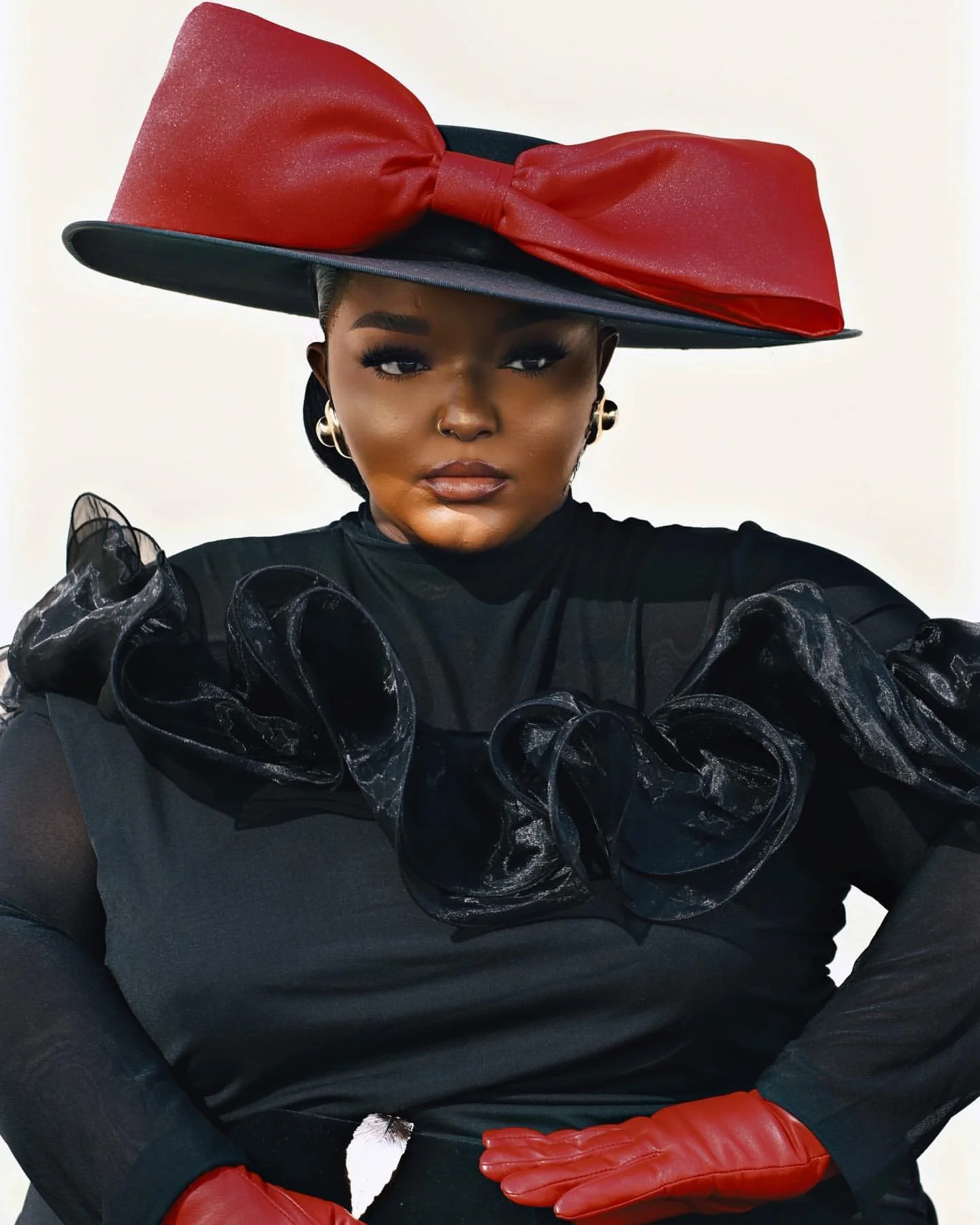
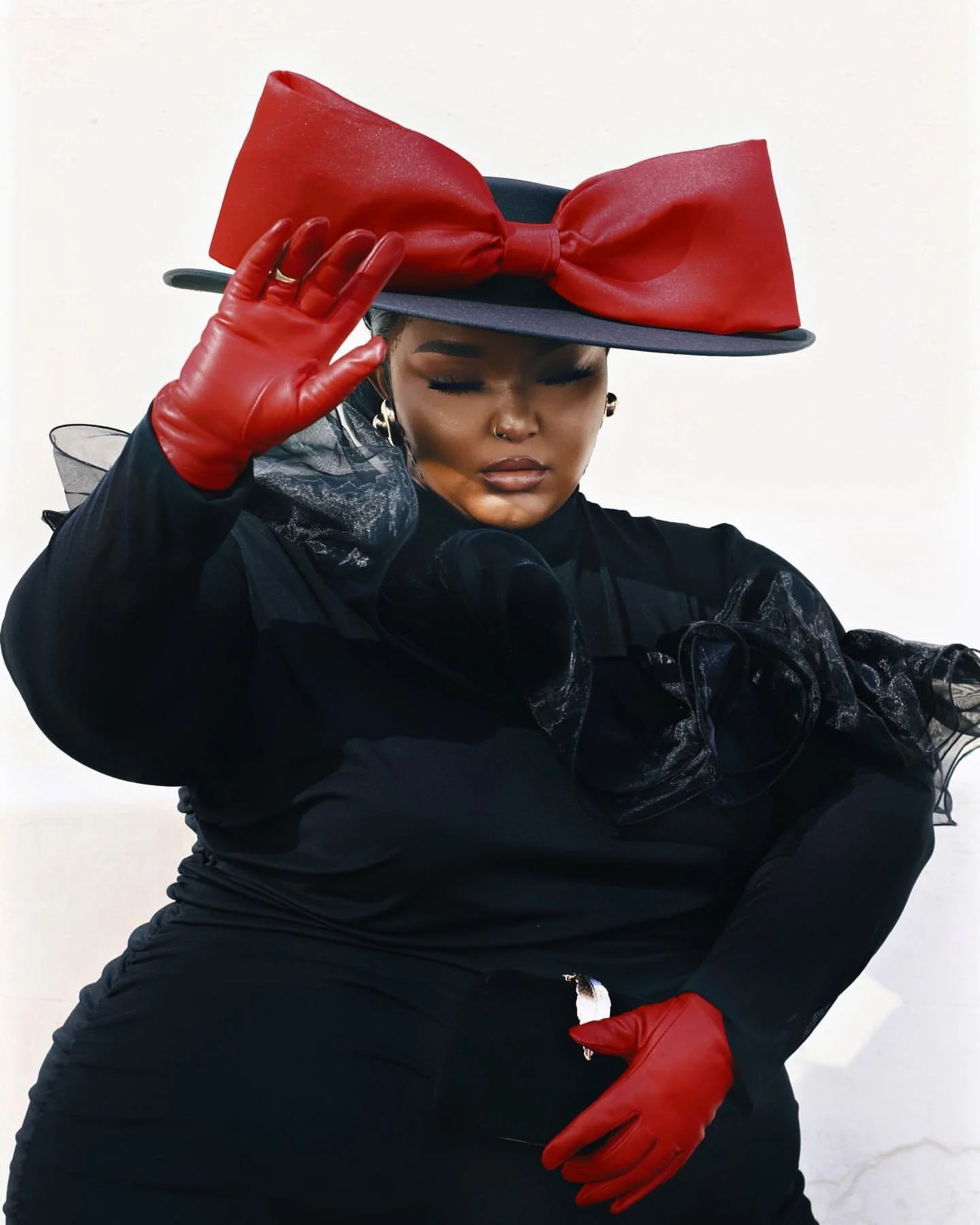
You studied fashion after spending time working in a corporate environment. What was that transition like, and what did studying fashion teach you about the kind of creative career you wanted to build?
I worked in HR first. I studied HR and really didn’t enjoy it. The reason I chose it in the first place was because, as Black young adults, you don’t want to disappoint your parents. You want to enter professions that aren’t necessarily creative because you want them to know you’ll be okay, you’ll get a nine-to-five, and everything will be fine. I think I was scared to say that I wanted to study something creative.
Eventually, I had the courage to say, this isn’t the best fit for me. I knew I would be bored at work if I continued that way. Then I studied fashion, and it felt freeing. Before that, school had always felt like a lot of effort. When I started studying fashion, I began getting straight As because it was something I already understood. Fashion felt innate and natural to me.
I remember taking fashion history. On the first day I walked into the lecture room, I already knew everything that was being discussed because I had been interested in these things and studying them independently. It felt normal. It felt natural. It was the right decision. Studying fashion also led directly to my career. While I was studying, we started documenting ourselves and posting on Instagram, and that’s when everything began.
You’ve built The Details Matter alongside your own creative practice and worked with major international brands. How do you make sure your own creative voice remains present when working commercially?
It depends on the client and how much they value your creative vision alongside the deliverables and what needs to be communicated commercially. Most clients believe in our visual abilities and trust us to create a particular world around whatever they need. Sometimes we get that creative freedom and sometimes we don’t.
If a client gives us a brief and it’s completely doable as written, we’ll do it. But we always try to show them another way of approaching it that can still lead to the same result. We’re trying to show clients that there’s always a more creative way to do something. There’s also a prettier way to do it.
Sometimes clients become so focused on ROI and KPIs that they forget things still need to look beautiful. To make money, you’re selling things to people who have eyes. Consumers are very smart, and they’re also visual people with emotions. We have to understand that. So we try to show clients that we can still achieve the same commercial result, but there’s always a more beautiful way to get there.
Ultimately, it depends on how much the client believes in our vision as an agency. If a client is strict, they’re strict, and it is what it is. But we always try to make them see things differently because we’re consumers ourselves.
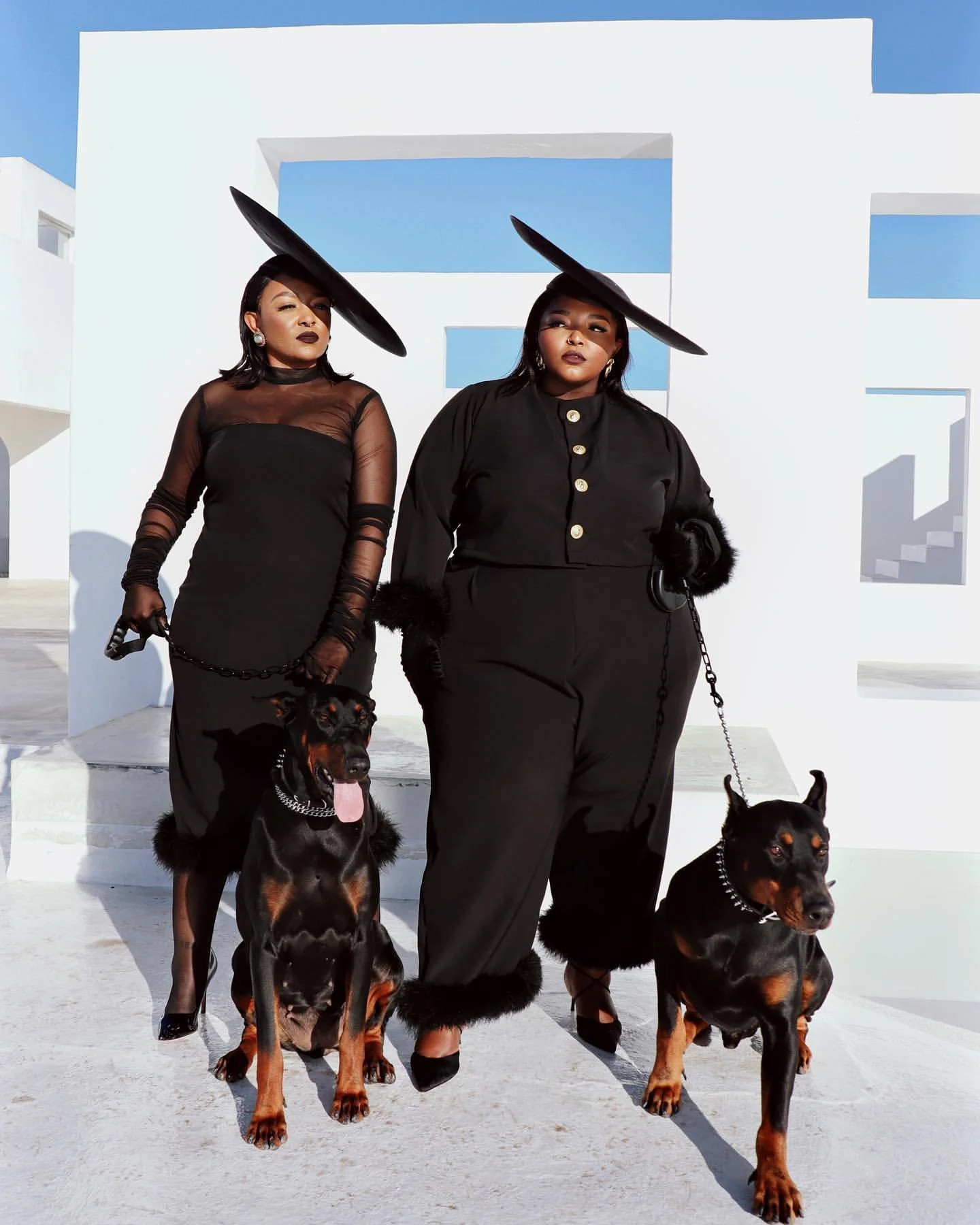
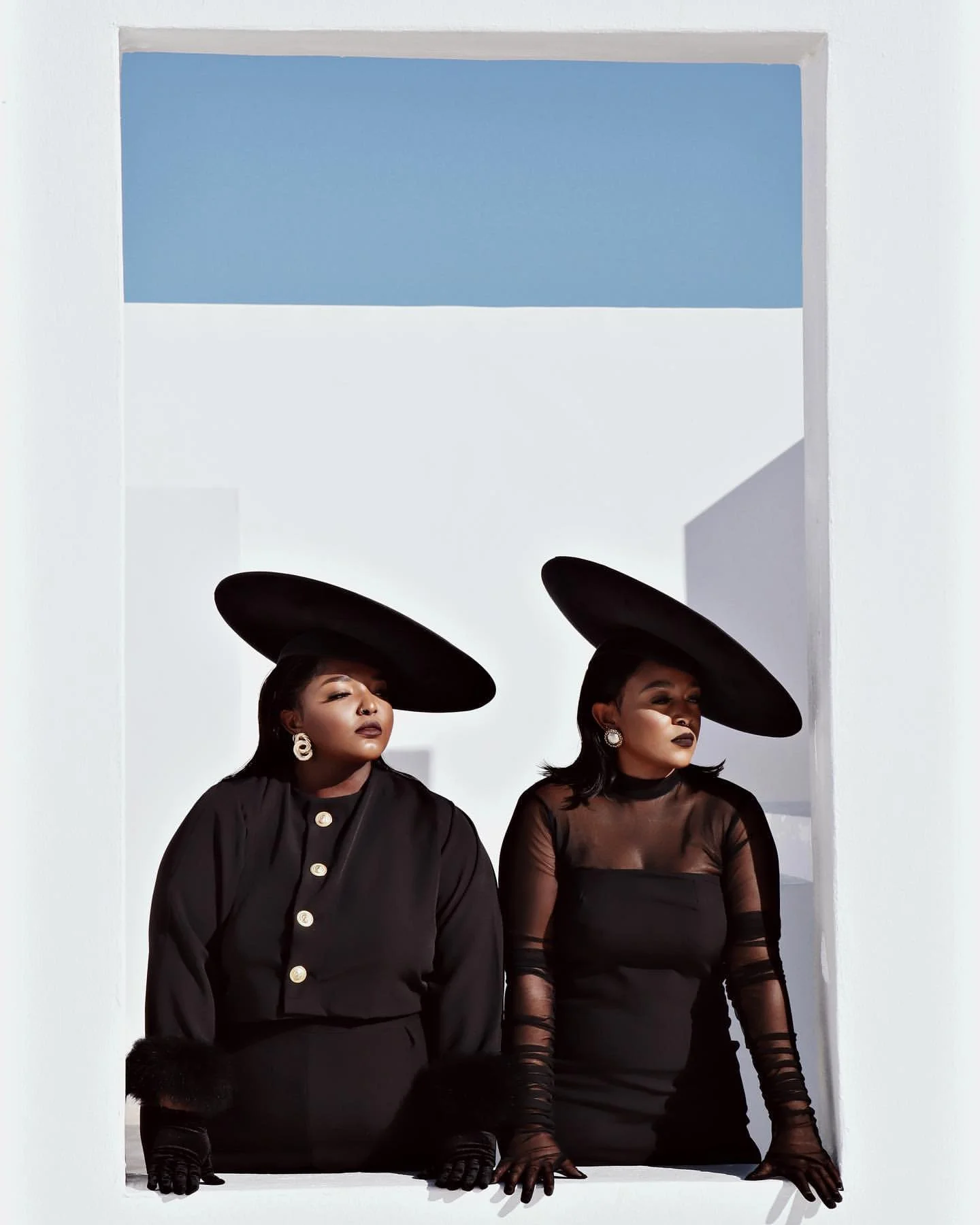
You often mix references from different eras with contemporary African style. What draws you to vintage fashion, and do you see yourself as someone who is reinterpreting parts of fashion history through the way you dress?
Yes. When you’re referencing looks from a particular period, it’s important to retain your own voice and delivery. I’ve drawn references from different periods and areas of fashion, but I communicate those silhouettes and looks in my own way, through the hair, makeup and styling. I make them my own because I’m building a new era while referencing an old one.
I’ve always tried to be conscious of that with my love for vintage because it’s difficult to reference a time you never existed in.
People don’t realise how difficult that is when you genuinely love a particular period in fashion, film or culture. You don’t have living references because you weren’t there. All you have is literature, films and whatever documentation exists, and there wasn’t always much information available. Ultimately, the only way it will feel right is if you use the context of yourself. I’m living in 2026, even when I’m paying homage to a time I wasn’t born in.
African fashion is becoming increasingly visible on the global stage. From your perspective, how is the industry changing, and what do you think Johannesburg and the wider African creative scene bring to the global fashion conversation?
As South Africans, we’re amazing at a lot of things. We’re incredible entertainers. Our actors are incredible. Our entertainers are next level. That part of the arts is so strong. Personally, though, I don’t think fashion in this country is at the global stage yet. We’re trying our best to get there, but there’s still a lot of work to do. As proud as I am to be South African, I think South Africans need to understand that this is an area where we still need to put in a lot of work. I think the industry stifles its own growth because people already think they’re there when we’re not yet at a global level.
We cannot compete on a global stage yet, in my opinion. There’s still a lot of work to do. The main issue is that the fashion industry, both in South Africa and globally, isn’t particularly friendly. It’s not an industry where doors continuously open.
I think that’s why there isn’t enough growth. You need to let different people into fashion so that the perspective can continuously change. If you keep working with the same people, everything is going to look the same.
If you don’t invite new people, new ideas and younger people into the industry, we’re not going to see growth. There are too many doors being closed in young people’s faces. Part of the work is creating an industry that welcomes other people.
Other creative industries are growing because there’s more information sharing. Our actors and musicians share information with each other. People in fashion don’t do that in the same way.
A lot of my friends who are actors have completely different relationships with each other. Their industry operates around the idea that if we’re all working together, we can improve the industry together. Fashion doesn’t work like that. It’s much more every person for themselves. We’re not there yet, and I think a major reason is that we don’t help each other enough.
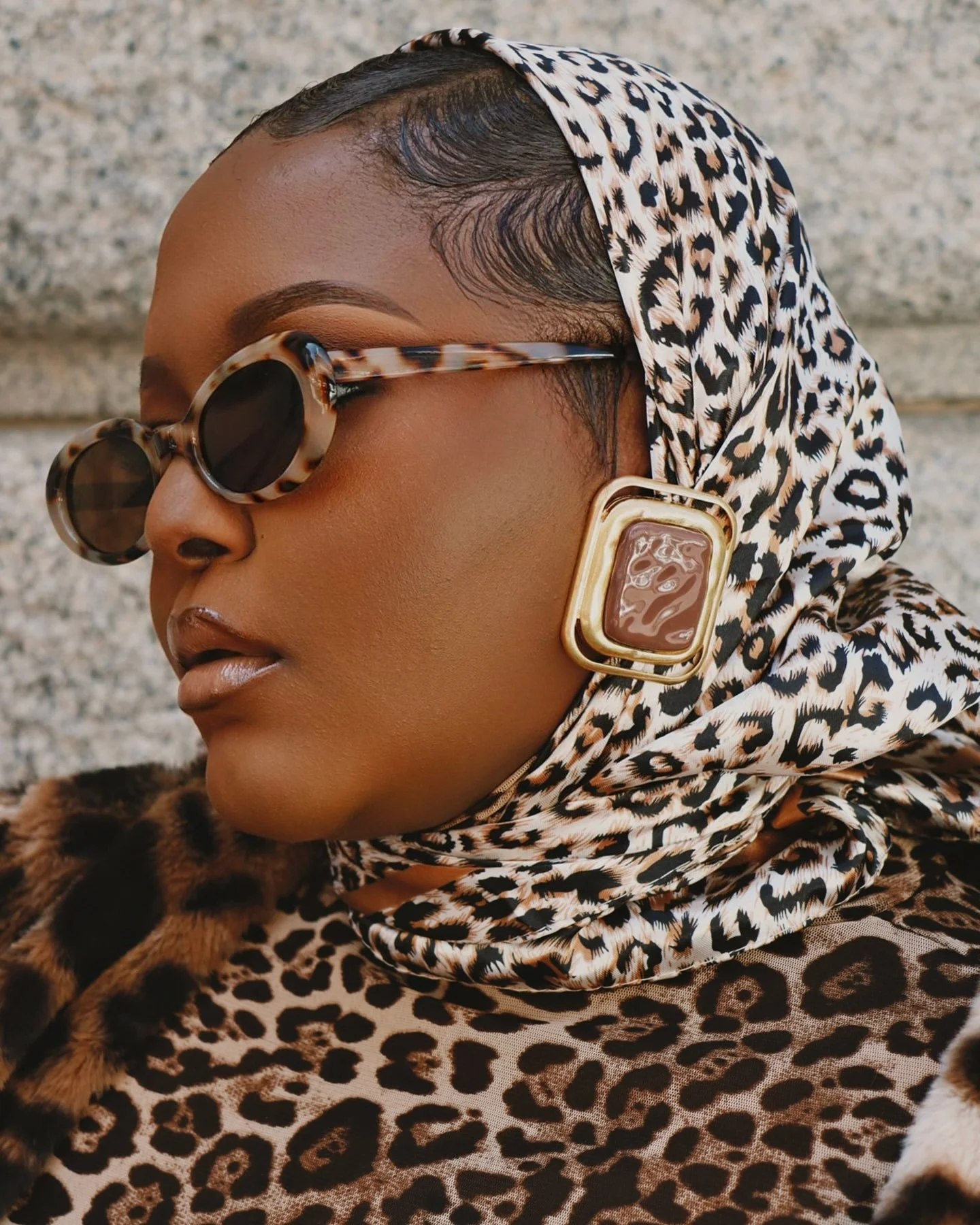
When you look at the work you’re creating now, what do you hope people will take from it in the future?
I want to work so much in the background that people don’t even know it’s my work they’re looking at. Removing my brand from the work I do is the next step for me. I don’t want there to be a connection because I want people to authentically enjoy the things I’ve had a hand in creating without knowing it was me. I’ve worked so much in front of the lens. I really want to work behind it now. I don’t need the recognition. I just want people to enjoy whatever I’ve had a hand in creating as a creative director.
I want to know that people are consuming and enjoying the work because they genuinely like it, not because they know I’m behind it.
When people support you and love you, they automatically have a bias. If I create something that’s good but not great, someone who loves me might automatically think it’s amazing because I made it. I don’t want that.
I want people to enjoy the work because it’s genuinely great, without knowing I was behind it. I think the only way to find that out is to step back and ask myself: Am I actually a good creative director, or do people just love me as a person?
I need to figure out whether I’m actually good at the job or whether people are simply being kind and supportive. The only way to know is to remove myself.
South Africans are very passionate people. They’re passionate when they don’t like you, but they’re also incredibly passionate when they do. The people who support me really do support me.
But I want to know: are you enjoying this because it’s good, or are you enjoying it because I did it? I’m curious to see what the answer is. In my quest to start working in the background, I think it’s time. I’m much older now and I don’t really need the validation.
When I was younger, perhaps I did because I was still figuring things out. Now I don’t really need anyone to tell me I’m doing a good job. As long as people are enjoying the work, that’s all that matters.
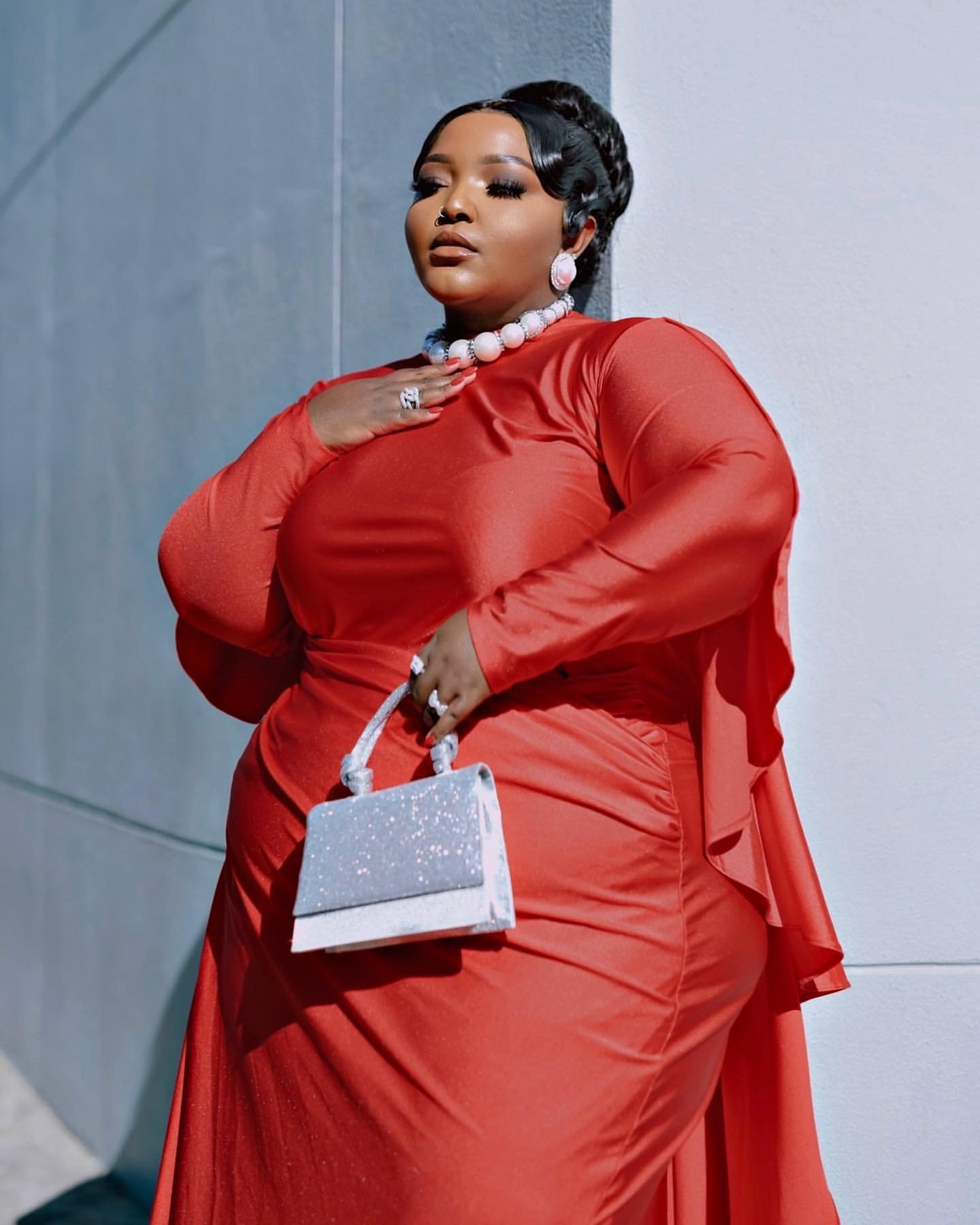
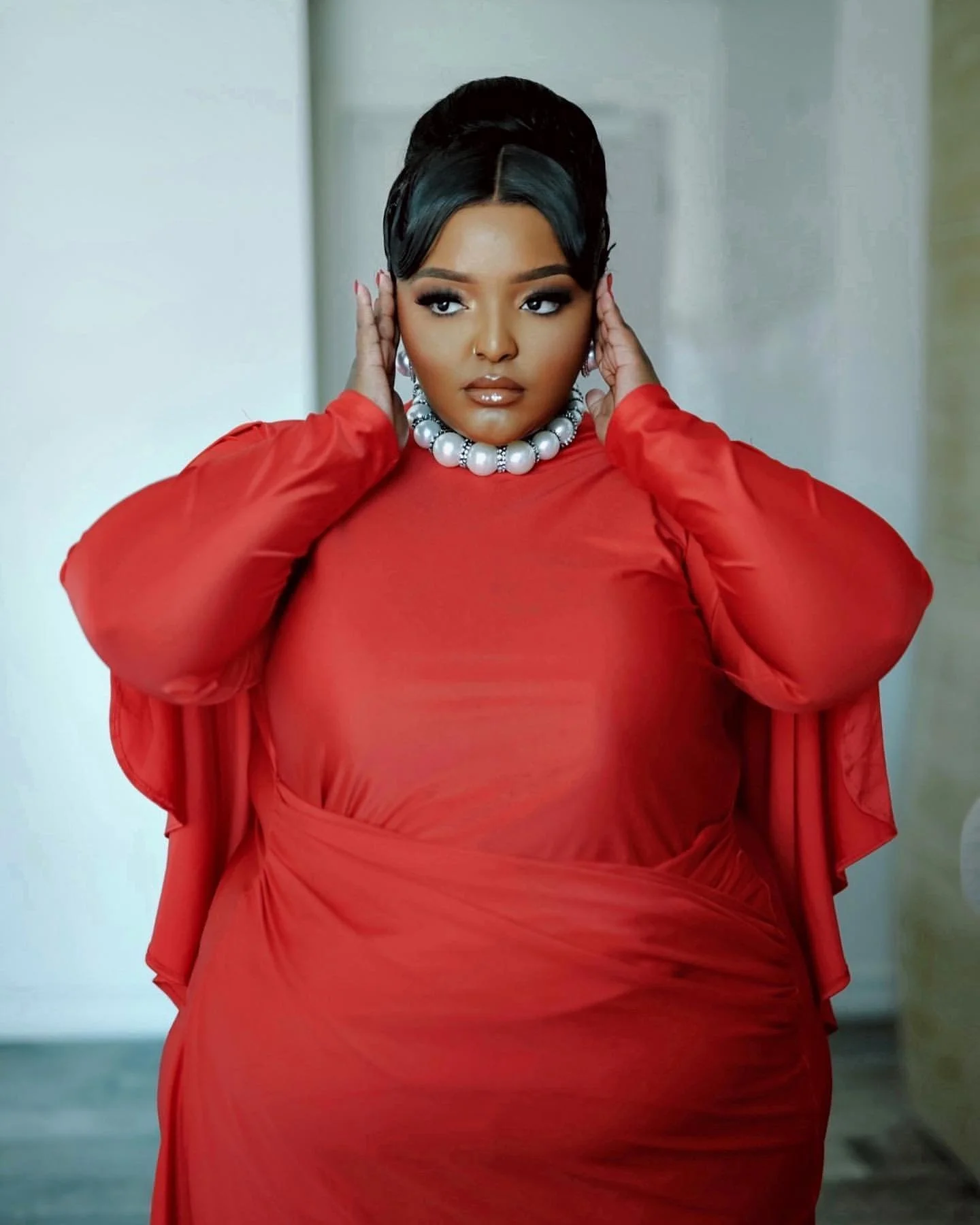
What makes Yoliswa Mqoco’s practice compelling is the consistency with which she has turned self-knowledge into creative authorship. From vintage curation to creative direction, she insists that beauty can remain intentional and effortful. Her critique of fashion’s closed structures further reveals that creative freedom is inseparable from access and openness. The next chapter of Mqoco’s career is therefore less about being seen and more about shaping what others will see.
